
Choosing the Right Power Generator for Camping and Outdoor Adventures
Choosing the Right Power Generator for Camping
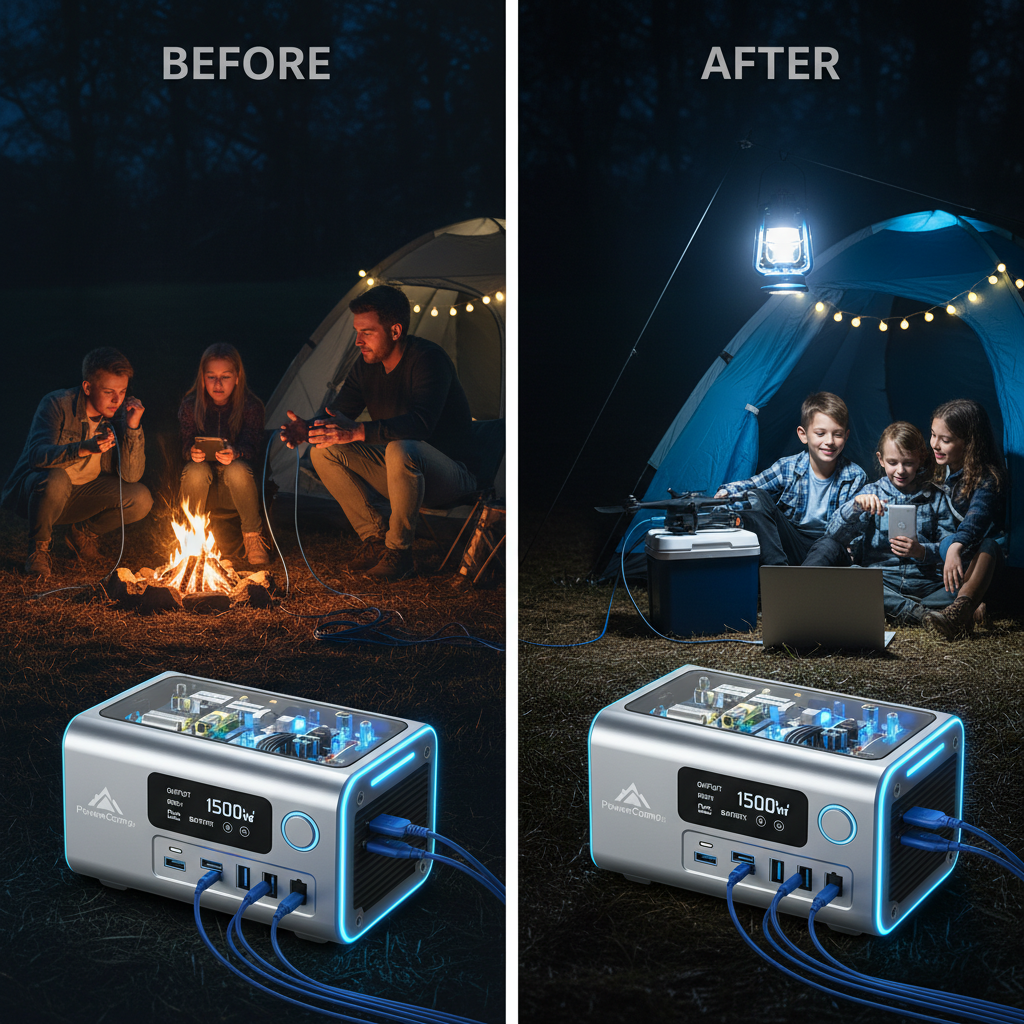
Planning a camping trip? Don't forget a reliable power source! A power generator for camping can provide the electricity you need for lights, charging devices, and even running small appliances, enhancing your outdoor experience. This article will guide you through the essential considerations when selecting the perfect generator for your adventures. We’ll cover types, features, and important safety tips to ensure a powered-up and enjoyable trip.
Understanding the Different Types of Camping Generators
Camping generators come in several varieties, each with its own advantages and disadvantages. Inverter generators are the most popular choice for camping due to their quiet operation, fuel efficiency, and clean power output – safe for sensitive electronics. Traditional generators are typically more powerful and less expensive, but are also louder and heavier. Dual-fuel generators offer the flexibility of running on both gasoline and propane, providing convenience and potentially longer run times. Knowing the differences is crucial for selecting the best fit for your needs.
Key Takeaway: Inverter generators are generally preferred for camping due to their quietness and clean power, while traditional generators offer more power for a lower price.
Key Features to Consider When Choosing a Power Generator for Camping
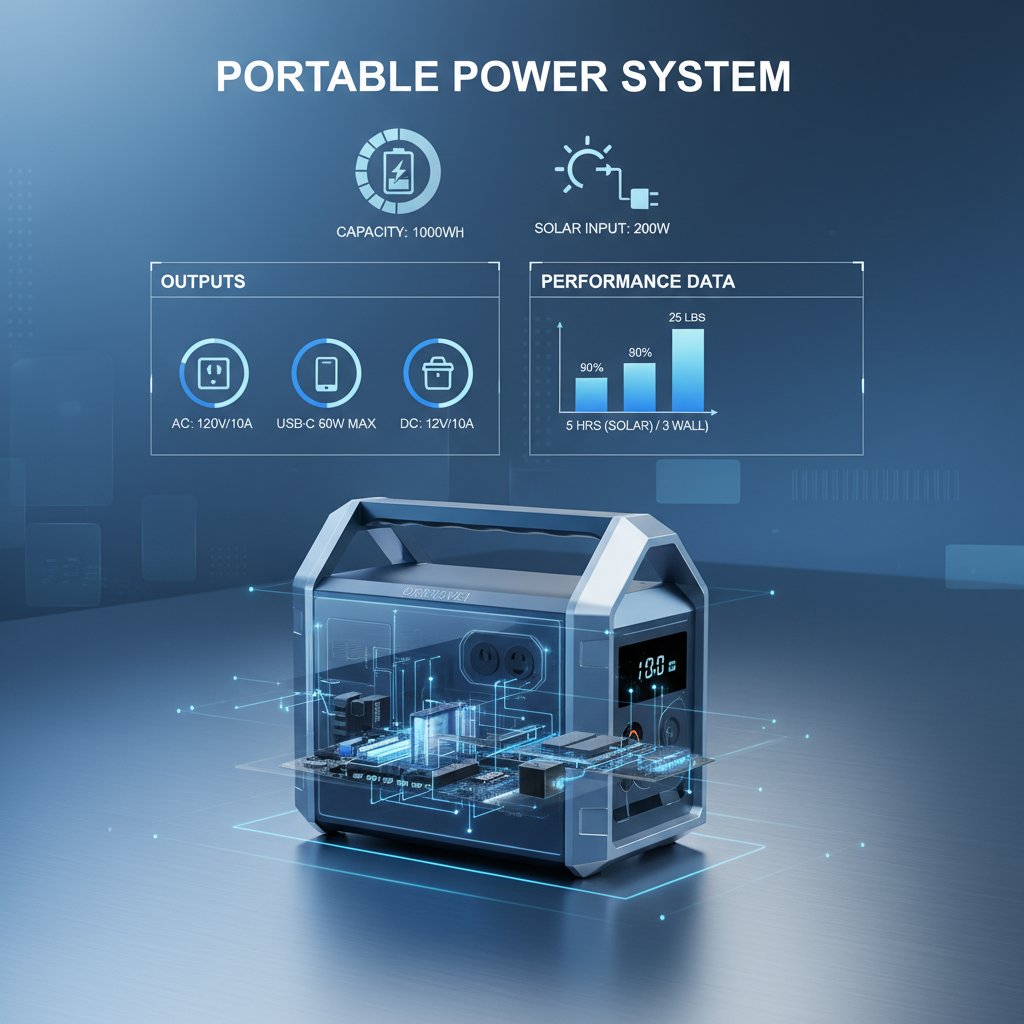
When selecting a camping generator, several features are essential. Wattage determines the amount of power the generator can provide – calculate your power needs before purchasing. Runtime indicates how long the generator can run on a single tank of fuel. Portability is crucial; look for generators with handles and a relatively lightweight design. Noise level is another important consideration, especially in campgrounds with quiet hours. Finally, safety features such as overload protection and low-oil shutdown are paramount.
Essential Features:
• Wattage: Match to your power requirements
• Runtime: Ensure sufficient power for your trip
• Portability: Easy to transport and set up
• Noise Level: Quiet operation for a peaceful camping experience
Comparing Popular Camping Generators
Here's a comparison of some popular camping generator models. This table will help you visualize the key differences and choose the best option for your needs. Remember to check the latest specifications and reviews before making a purchase.
Safety Tips for Using a Camping Generator
Safety is paramount when operating a generator. Always operate the generator outdoors in a well-ventilated area to avoid carbon monoxide poisoning – carbon monoxide is odorless and deadly. Never run a generator inside a tent, RV, or other enclosed space. Keep the generator away from flammable materials. Use heavy-duty, outdoor-rated extension cords. Finally, regularly inspect the generator for any signs of damage or leaks. Visit Yanchungongxiang for high-quality and safe camping generators.
Conclusion: Power Up Your Camping Adventures
A power generator for camping is an investment in convenience and enjoyment. By carefully considering your power needs, generator type, and safety precautions, you can ensure a powered-up and memorable outdoor experience. Don't let a lack of electricity limit your adventures – choose the right generator and explore the great outdoors with confidence!
Frequently Asked Questions (FAQs)
How much wattage do I need for a camping generator?
Determining your wattage needs requires making a list of all the devices you plan to power simultaneously. Add up the wattage requirements of each item. It's best to overestimate slightly, as some appliances require a surge of power when they start up. A generator with 2000-3000 watts is typically sufficient for basic camping needs, such as lights, charging devices, and a small refrigerator. Consider a higher wattage generator if you plan to run more demanding appliances like air conditioners or electric heaters.
What is the difference between a parallel generator and a series generator?
Parallel generators can be connected together to double the output wattage, whereas series generators connect to increase the voltage. For camping, a parallel connection is much more practical, allowing you to combine two smaller generators to power larger appliances. Series connections aren’t relevant for typical camping applications. Ensure that the generators are compatible with parallel operation before attempting to connect them.
Can I use a regular extension cord with a camping generator?
No, you should always use a heavy-duty, outdoor-rated extension cord specifically designed for generator use. Regular extension cords are often not rated for the amperage and environmental conditions associated with generator operation. Using an inappropriate cord can create a fire hazard. Look for cords that are labeled for outdoor use and have a gauge appropriate for the wattage of your appliances.
How often should I perform maintenance on my camping generator?
Regular maintenance is crucial for ensuring the longevity and reliable operation of your generator. Check the oil level before each use and change the oil according to the manufacturer's recommendations. Clean or replace the air filter regularly. Inspect the spark plug and replace it as needed. Store the generator in a clean, dry place when not in use. Consult your generator's owner's manual for specific maintenance instructions.