
Choosing the Right Power Generator for Home Use to Ensure Reliable Backup Power
Choosing the Right Power Generator for Home Use
Unexpected power outages can disrupt daily life, impacting everything from essential appliances to critical safety systems. A reliable power generator for home use offers peace of mind, ensuring you remain connected and comfortable during emergencies. This article will explore the different types of home generators, key considerations when choosing one, and factors impacting their performance. We'll guide you through the process of selecting the best generator to meet your specific needs and budget.
Understanding the Different Types of Home Generators
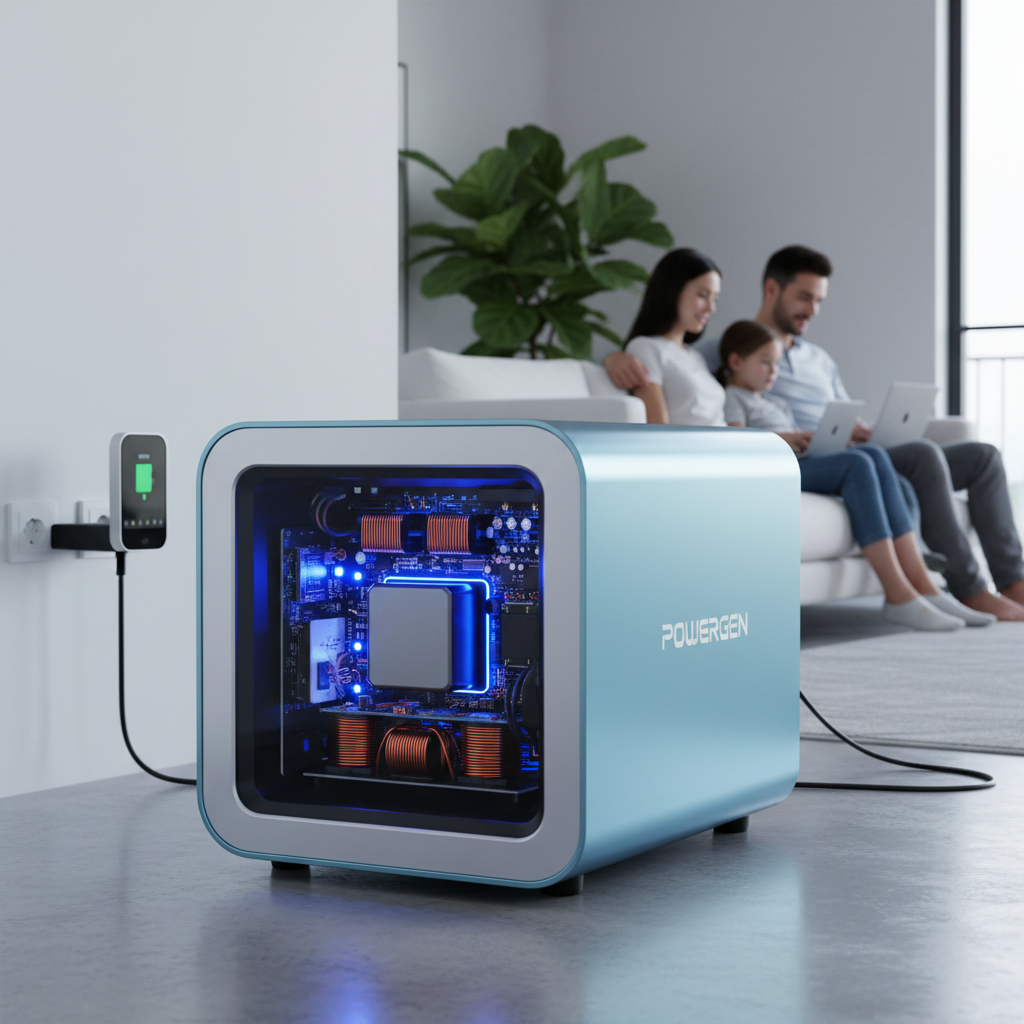
Home generators primarily fall into three categories: portable, inverter, and standby. Portable generators are the most affordable and versatile, running on gasoline, propane, or natural gas. They require manual starting and are suitable for powering essential appliances during short-term outages. Inverter generators produce cleaner power, making them ideal for sensitive electronics like laptops and smartphones. They are also generally quieter and more fuel-efficient than traditional portable generators. Finally, standby generators are permanently installed and automatically kick in when the power goes out, providing seamless backup power. They typically run on natural gas or propane and require professional installation. Choosing the right type depends on your power needs, budget, and how quickly you need power restored.
Key Takeaway: The choice between portable, inverter, and standby generators depends on your individual needs and budget. Standby generators offer ultimate convenience, while portable and inverter generators provide more affordable and flexible options.
Key Considerations When Choosing a Power Generator
Several factors should influence your decision when selecting a home generator. Wattage is crucial – calculate the total wattage of the appliances you need to power simultaneously. Consider starting wattage (the surge needed for motors) and running wattage (the sustained power consumption). Fuel type impacts convenience and runtime. Gasoline is readily available, while propane and natural gas offer longer runtimes and cleaner emissions. Runtime is determined by the generator's fuel tank capacity and fuel efficiency. Noise level is also important, especially if you have neighbors nearby. Finally, consider features like automatic voltage regulation (AVR) and low-oil shutdown for added safety and protection.
Essential Considerations:
• Wattage Calculation: Accurately determine your power needs.
• Fuel Type: Choose based on availability, runtime, and emissions.
• Runtime: Ensure sufficient backup power for your needs.
• Noise Level: Consider your surroundings and noise sensitivity.
Comparing Popular Home Generator Models
The market offers numerous power generator options. Here’s a comparison of some popular models:
Safety Precautions When Using a Power Generator
Safety is paramount when operating a power generator. Never operate a generator indoors or in enclosed spaces due to the risk of carbon monoxide poisoning. Ensure proper ventilation. Always use a grounded extension cord appropriate for the generator's wattage. Keep the generator away from flammable materials and water. Regularly inspect the generator for maintenance, including checking oil levels and cleaning air filters. Finally, follow the manufacturer's instructions carefully.
Conclusion: Powering Your Peace of Mind
Investing in a power generator for home use is a proactive step towards ensuring safety and convenience during power outages. By carefully considering your power needs, budget, and safety precautions, you can select the generator that best fits your requirements. Yanchungongxiang offers a wide range of reliable and affordable generators to help you stay prepared for any situation.
Frequently Asked Questions (FAQs)
What size generator do I need for my home?
Determining the correct size generator involves calculating your wattage needs. Start by listing all the essential appliances you want to power during an outage (refrigerator, lights, furnace, etc.). Find the running wattage for each appliance (usually on a label). Add up the running wattages. Then, identify any appliances with motors (like a refrigerator or well pump) and add their starting wattage to the total. Finally, add a safety margin of 20-25% to account for potential fluctuations. This will give you the minimum wattage your generator should provide. For example, if your total calculated wattage is 5000W, you should look for a generator with at least 6000-6250W.
How often should I run my generator for maintenance?
It’s crucial to run your generator periodically, even if there are no power outages. For portable generators, running them for about 30 minutes every month helps to lubricate the engine and prevent fuel from going stale. For standby generators, most manufacturers recommend a weekly or bi-weekly self-test. These tests run the generator for a short period to ensure it starts and functions correctly. Regular maintenance, including oil changes and air filter cleaning, is also essential. Refer to your generator’s owner’s manual for specific maintenance recommendations.
Can I connect my generator directly to my home’s electrical panel?
Connecting a generator directly to your home’s electrical panel requires a transfer switch. Never attempt to backfeed power into your electrical system without a transfer switch, as this can be extremely dangerous and potentially fatal. A transfer switch safely isolates your home’s wiring from the utility grid, preventing power from flowing back into the lines and endangering utility workers. Professional installation of a transfer switch is highly recommended to ensure it is done correctly and safely.
What is the best fuel type for a home generator?
The best fuel type depends on your needs and preferences. Gasoline is readily available and relatively inexpensive, but it has a shorter shelf life and can be more difficult to store safely. Propane offers a longer shelf life and cleaner emissions, but it requires a propane tank and can be more expensive. Natural gas provides a continuous fuel supply if you have a natural gas line, but it requires a professional installation. Consider the convenience, cost, and environmental impact of each fuel type when making your decision.