Factors Influencing Foldable Container House Price and Quality
Finding a balance between rapid deployment and structural integrity is a common challenge for project managers in the construction and security sectors. The 10ft expandable folding house offers a strategic solution by merging the portability of a standard shipping container with the spatial utility of a permanent structure. This modular unit is engineered to reduce on-site assembly time while maintaining the durability required for industrial environments.
Whether utilized for remote site offices, emergency housing, or security checkpoints, the efficiency of this folding design directly impacts operational costs and logistics. By understanding the technical specifications and the factors influencing the foldable container house price, procurement officers can optimize their supply chain and ensure their infrastructure meets both functional and budgetary requirements.

Engineering the 10ft Expandable Folding House for Rapid Deployment
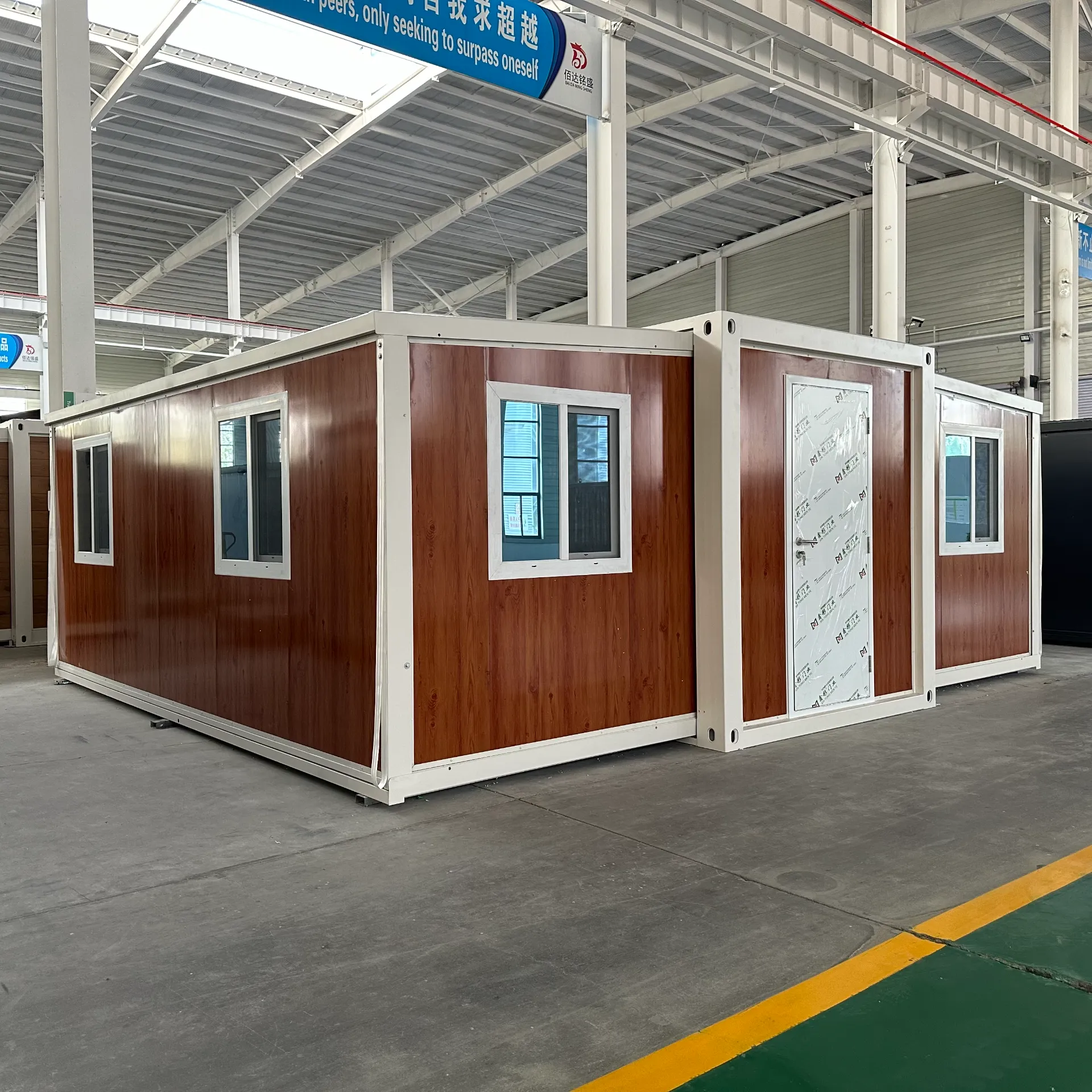
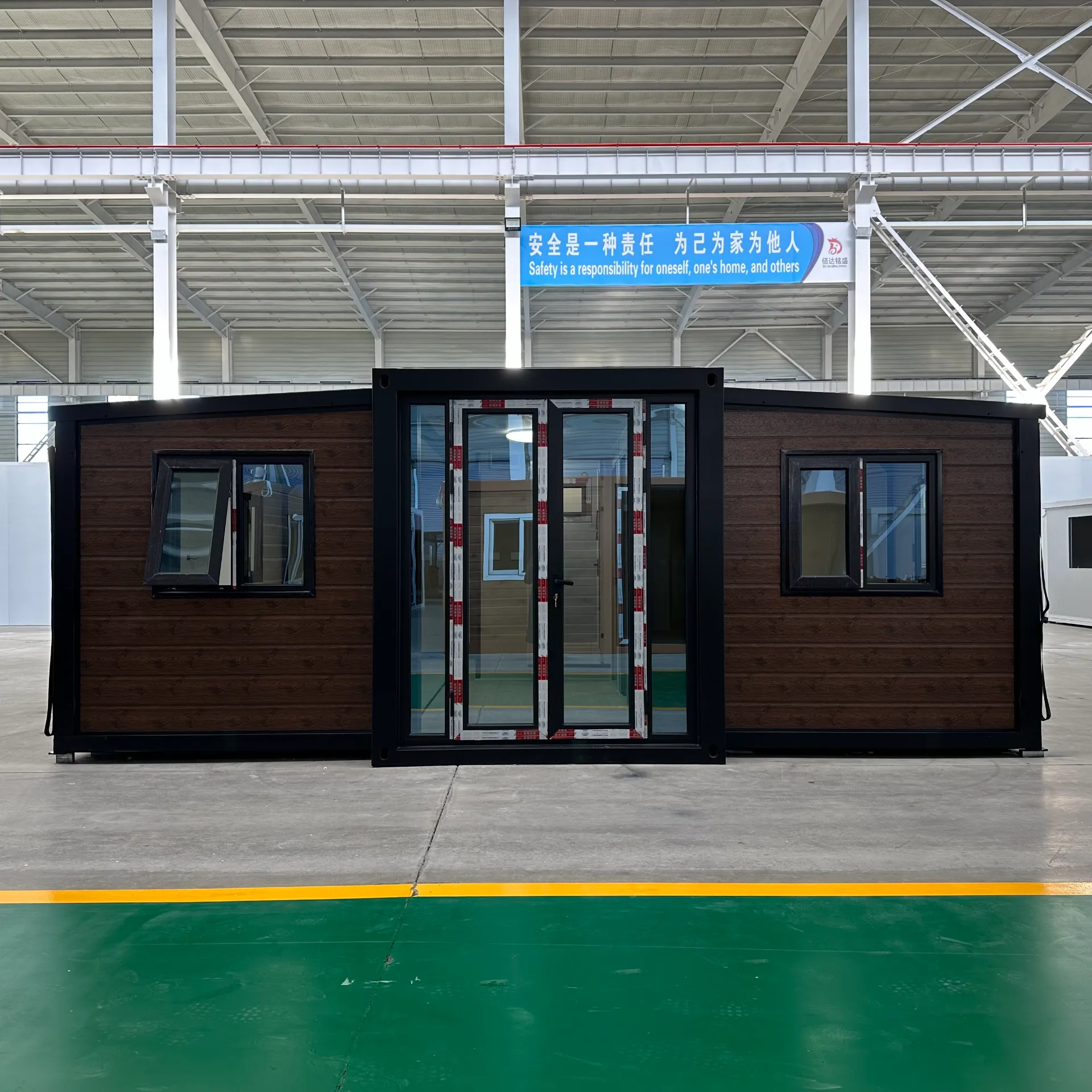
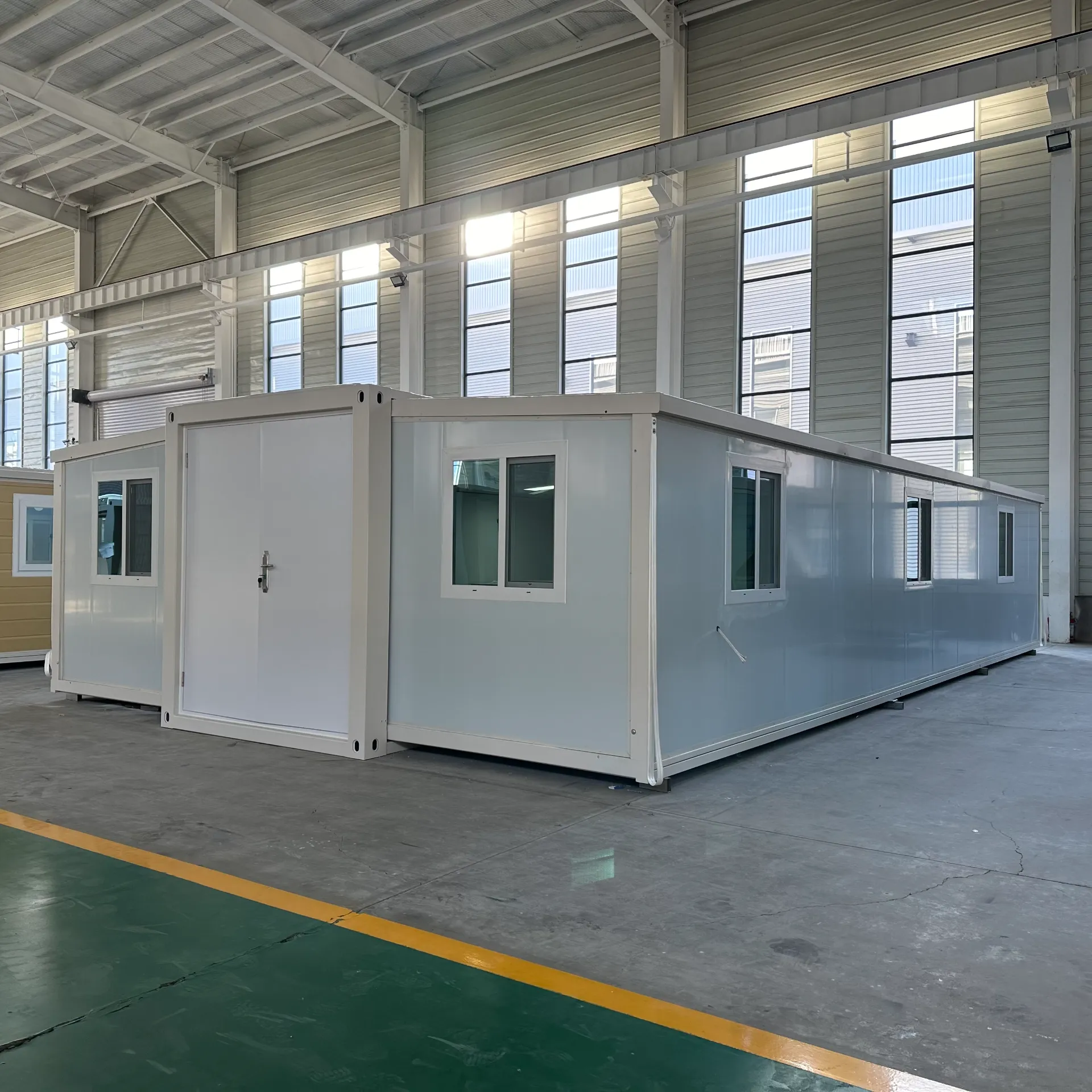
The 10ft expandable folding house is a sophisticated piece of metal structure engineering designed for high-mobility applications. Unlike traditional static containers, this unit utilizes a precision-hinged folding mechanism that allows it to transition from a compact transport state to a full-sized living or working space in a matter of hours. This capability is critical for projects where traditional construction is impossible due to time constraints or terrain limitations.
Constructed from high-strength galvanized steel, the frame ensures structural stability against wind and seismic loads. The exterior panels are designed to be weather-resistant, ensuring that the interior remains protected regardless of the external climate. From a technical perspective, the transition from a folding size of L2950W2200H2480mm to an extended size of L2950W6300H2480mm demonstrates a significant increase in usable area without compromising the unit's structural center of gravity.
- Rapid Setup: Drastically reduces labor costs and installation timelines.
- Spatial Efficiency: Expands to a cover area of 18.5 square meters.
- Structural Integrity: Optimized for the metal products industry with a focus on architectural safety.

Optimizing Logistics and Shipping Volume for Global Distribution
One of the most significant advantages of the folding mechanism is the impact on international shipping costs. Logistics are often the most volatile part of the procurement process for modular buildings. By utilizing the folding design, the shipping volume is minimized, allowing for a higher loading density per container. Specifically, a single 40HQ container can accommodate 4 pieces of the 10ft expandable folding house, effectively cutting shipping costs per unit by 75% compared to non-folding alternatives.
This efficiency is a core component of Hebei Yanchun Qianjian Technology's supply chain optimization strategy. By reducing the volume of the product during transit, the company helps Chinese manufacturing enterprises reach global markets more competitively. The ability to ship multiple units in one container not only reduces the carbon footprint of the transport but also simplifies the customs and handling processes at the destination port.
For buyers, this means that the total landed cost is significantly lowered. When calculating the overall investment, the reduction in freight expenses often offsets the initial acquisition cost, making these foldable units a more sustainable financial choice for large-scale deployments.
Practical Application Scenarios and Buyer Considerations
The versatility of the 10ft expandable house makes it suitable for a wide range of professional applications. In the security sector, these units serve as immediate command centers or guard posts. In the construction industry, they function as temporary site offices or worker dormitories. The inside size of L2510W6140H2240mm provides enough clearance for essential furniture, electrical installations, and climate control systems.
When evaluating these units, buyers should focus on three primary criteria: deployment speed, thermal performance, and foundation requirements. Because the unit is self-supporting, it requires minimal site preparation, but for long-term use, a level concrete pad or adjustable steel footings are recommended to prevent structural stress on the folding joints.
Furthermore, the adaptability of the interior layout allows for customization based on the specific use case. Whether it is a sterile environment for medical triage or a rugged office for mining operations, the metal structure provides a secure shell that can be outfitted to meet diverse industry standards.
Technical Specifications and Logistics Framework
| Dimension Metric | Extended State | Folding State | Operational Value |
|---|---|---|---|
| External Dimensions | L2950W6300H2480mm | L2950W2200H2480mm | Modular Scaling |
| Internal Dimensions | L2510W6140H2240mm | N/A | Livable Space |
| Total Area | 18.5 ㎡ | N/A | Coverage Efficiency |
| Shipping Load | N/A | 4 units / 40HQ | Logistics Optimization |
| Primary Material | Galvanized Steel | Galvanized Steel | Corrosion Resistance |
Supplier Capabilities and Quality Assurance in Metal Fabrication
Hebei Yanchun Qianjian Technology operates as a critical link between high-end Chinese manufacturing and the global market. The production of expandable houses requires extreme precision in the welding and hinging process; a deviation of even a few millimeters can hinder the folding mechanism or cause leaks in the seams. By leveraging the Hebei manufacturing industry belt, the company ensures that each unit adheres to strict metal structure fabrication standards.
The company's "one body, two wings" strategy focuses on supply chain platform operation and foreign trade services, which allows them to provide not just a product, but a comprehensive market expansion solution. This means buyers receive a product that has been optimized for international transit and local regulatory compliance, reducing the risk of delays or quality failures upon arrival.
Quality control involves rigorous testing of the folding joints and waterproof seals. By maintaining a symbiotic relationship with production facilities, Hebei Yanchun Qianjian Technology can oversee the material selection and the assembly process, ensuring that the finished unit provides the longevity and safety required for professional architectural use.
Future Trends in Modular Infrastructure and Procurement
The trend in the construction industry is moving rapidly toward "plug-and-play" infrastructure. As urbanization increases and the need for flexible housing grows, the demand for modular metal structures is expected to rise. The next generation of expandable houses will likely incorporate smarter energy solutions, such as integrated solar panels and high-efficiency insulation materials, to reduce the operational costs of the units.
For procurement managers, the focus is shifting from the lowest initial price to the Lowest Total Cost of Ownership (TCO). This includes considering the foldable container house price in conjunction with installation labor, transport costs, and the unit's lifespan. Investing in a high-quality galvanized structure reduces the need for frequent maintenance and extends the utility of the asset across multiple project sites.
Ultimately, the shift toward modularity represents a broader movement toward sustainable construction. By using prefabricated components that can be folded and reused, the industry reduces on-site waste and minimizes the environmental impact of temporary building projects.
Frequently Asked Questions Regarding Expandable Houses
What is the primary advantage of an expandable folding house over a standard container?
The primary advantage is the ratio of transport volume to usable space. An expandable house can be shipped in a compact form and then expanded on-site, significantly reducing shipping costs while providing a much larger interior area than a standard shipping container of the same transport size.
How long does it typically take to unfold the 10ft expandable house?
Depending on the crew size and equipment available, the basic unfolding process usually takes a few hours. This is substantially faster than traditional modular construction, which requires extensive on-site assembly and joining of separate sections.
Can these units be used as permanent residences?
While designed for rapid deployment and temporary use, they can be adapted for long-term residence by adding permanent foundations and upgrading the insulation and interior finishes to meet local building codes.
How is the weatherproofing managed in the folding seams?
The units utilize industrial-grade rubber seals and overlapping metal flashing at the folding points. Once the house is fully extended and locked, these seals create a watertight barrier that protects the interior from rain and wind.
What shipping container size is required for transport?
The 10ft expandable folding house is designed to be highly efficient; for example, four of these units can fit into a single 40HQ (High Cube) container, maximizing the load and reducing per-unit freight costs.
Does the folding mechanism wear out over time?
The hinges are constructed from heavy-duty steel designed for multiple cycles. However, because these are primarily deployed once per project site, the mechanism is built for long-term stability in the expanded state rather than frequent daily folding.
Technical References and Industry Standards
- ISO Standards for Modular Building Containers
- World Steel Association - Galvanized Steel Properties
- FEMA Guidelines for Emergency Temporary Housing
- ASTM International - Metal Structure Testing Standards
For professional procurement and customized supply chain solutions regarding the expandable folding house series, contact our technical sales team to receive a detailed specification sheet and logistics plan.
Explore Our Expandable House Series