
1P52S 1P104S Liquid-Cooled Energy Storage - Hebei Yanchun Qianjian Technology Co., Ltd.|Ultra-Long Cycle Life&Advanced Thermal Management
As the global demand for sustainable energy solutions grows, the 1P52S & 1P104S Liquid-Cooled Energy Storage Pack from Hebei Yanchun Qianjian Technology Co., Ltd. emerges as a groundbreaking innovation in energy storage technology. This product combines cutting-edge thermal management, exceptional durability, and versatile applications to meet the evolving needs of modern energy systems.
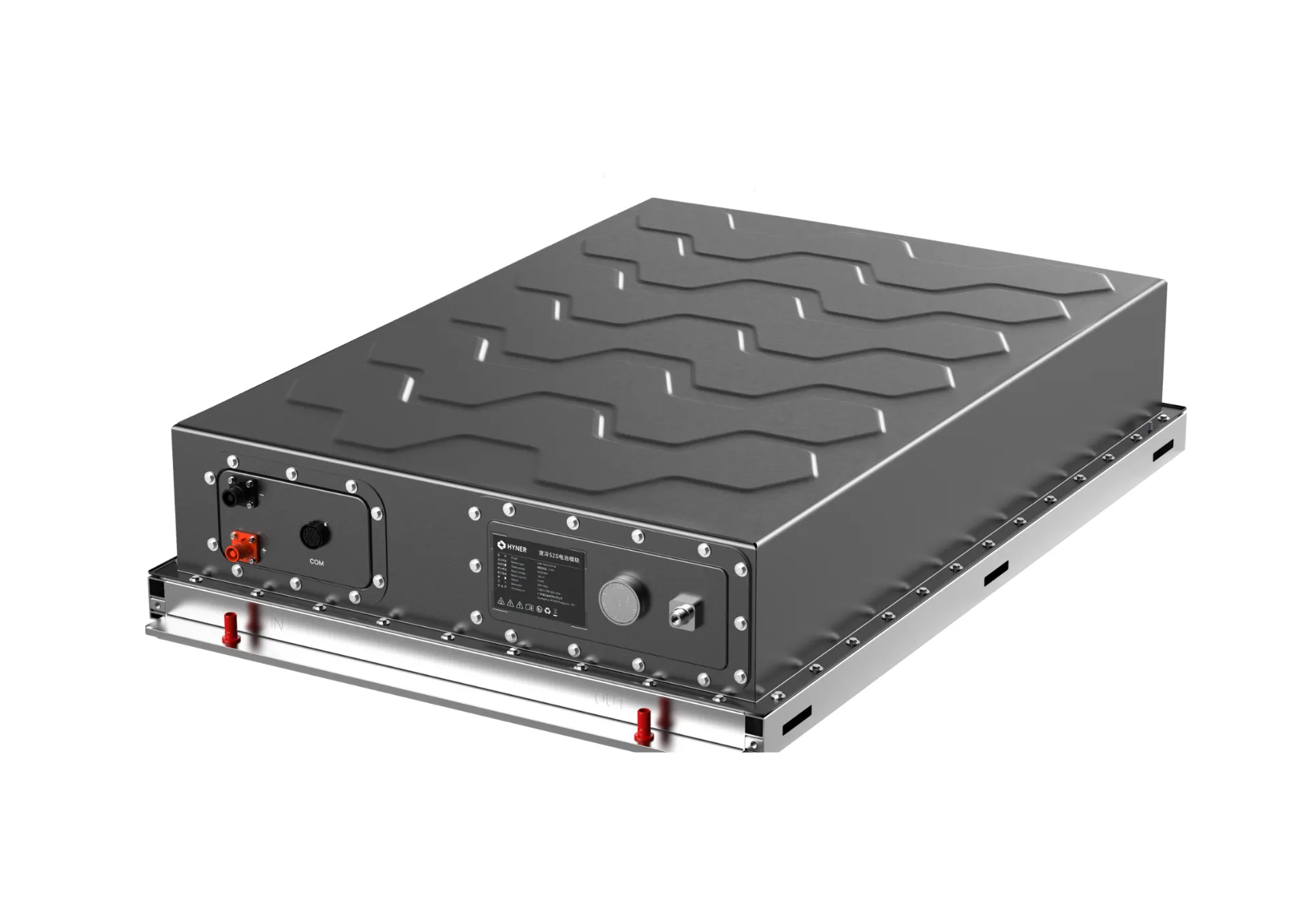
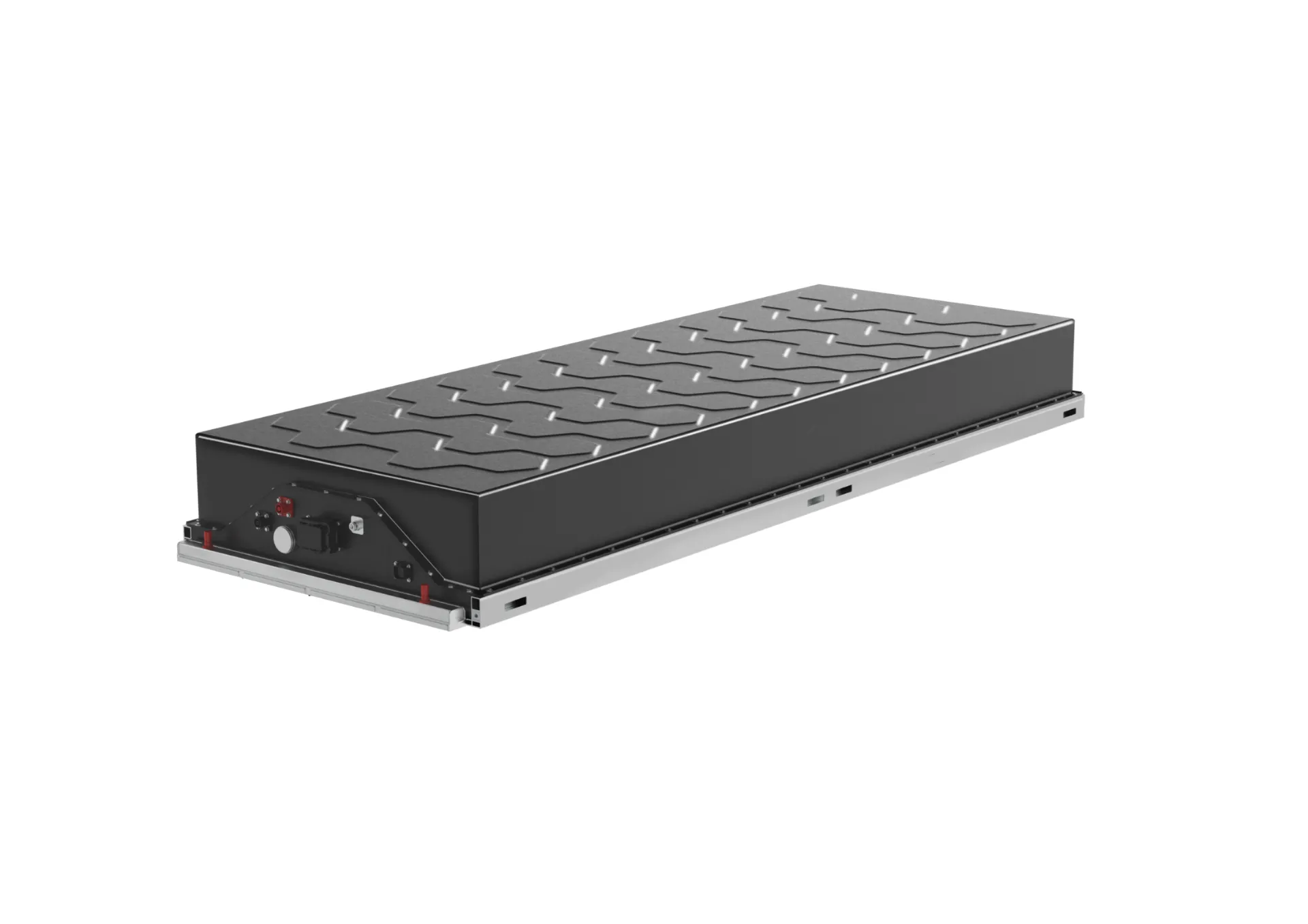
Product Overview
The 1P52S & 1P104S Liquid-Cooled Energy Storage Pack is designed to deliver reliable, high-performance energy storage solutions across a wide range of applications. Utilizing advanced liquid-cooling thermal management technology, this system ensures uniform and efficient heat dissipation, significantly reducing cell operating temperatures. This innovation enables the product to maintain stable performance across an extensive temperature range of -30°C to 60°C, extending cycle life to over 8,000 cycles and substantially reducing total lifecycle costs.
Developed by Hebei Yanchun Qianjian Technology Co., Ltd., a leader in energy storage solutions, the 1P52S and 1P104S models are engineered to meet the rigorous demands of commercial, industrial, and grid-level energy storage systems. Their all-climate adaptability, superior thermal management, and ultra-long lifespan make them ideal for supporting global carbon neutrality goals.
Key Features and Advantages
Advanced Thermal Management
The core innovation of the 1P52S and 1P104S packs lies in their liquid-cooling thermal management system. Unlike traditional air-cooling methods, this technology uses a closed-loop liquid cooling system to maintain optimal operating temperatures. This ensures even heat distribution across all battery cells, preventing hotspots that could lead to thermal runaway or reduced efficiency.
According to the National Institute of Standards and Technology (NIST), "Effective thermal management is critical for the safety and longevity of lithium-ion batteries" (NIST, 2025). The 1P52S and 1P104S packs exemplify this principle by maintaining a stable thermal environment, even under extreme conditions.
Ultra-Long Cycle Life
With a cycle life exceeding 8,000 cycles, these energy storage packs outperform many conventional lithium iron phosphate (LFP) battery systems. This extended lifespan reduces the need for frequent replacements, lowering long-term operational costs. The high cycle life is achieved through a combination of advanced cell chemistry and robust thermal management, ensuring consistent performance over time.
All-Climate Adaptability
Engineered to operate in extreme environments, the 1P52S and 1P104S packs can function reliably in temperatures ranging from -30°C to 60°C. This makes them suitable for deployment in diverse geographical regions, from Arctic climates to arid deserts. Their ability to withstand such conditions is further enhanced by an IP67 protection rating, ensuring resistance to dust and water ingress.
High Energy Density and Efficiency
Utilizing high-energy-density LFP (Lithium Iron Phosphate) cells, the 1P52S and 1P104S packs deliver exceptional energy storage capacity. The 1P52S model features 280Ah/3.2V cells, while the 1P104S model uses 314Ah/3.2V cells. This results in rated capacities of 280Ah and 314Ah, respectively, with corresponding energy outputs of 46.592 kWh and 52.2496 kWh for the 1P52S, and 93.184 kWh and 104.4992 kWh for the 1P104S.
Technical Specifications
| No. | Item | Unit | 1P52S | 1P104S | Remarks | ||
|---|---|---|---|---|---|---|---|
| 1 | Cell Specifications | / | LFP 280Ah 3.2V | LFP 314Ah 3.2V | LFP 280Ah 3.2V | LFP 314Ah 3.2V | / |
| 2 | Nominal Voltage | V | 166.4 | 166.4 | 332.8 | 332.8 | / |
| 3 | Rated Capacity | Ah | 280 | 314 | 280 | 314 | / |
| 4 | Rated Energy | kWh | 46.592 | 52.2496 | 93.184 | 104.4992 | / |
| 5 | Max Continuous Current | A | 180 | 201 | 180 | 201 | / |
| 6 | Charge/Discharge Voltage Range | V | 130V–189.8V | 130V–189.8V | 260V–379.6V | 260V–379.6V | / |
| 7 | Rated Charging Power | kW | 0.5CP | 0.5CP | 0.5CP | 0.5CP | / |
| 8 | Rated Discharging Power | kW | 0.5CP | 0.5CP | 0.5CP | 0.5CP | / |
| 9 | Cycle Life | cls | ≥8000cls | / | |||
| 10 | Dimensions | mm | 1160×790×250 | 2160×790×250 | / | ||
| 11 | Weight | kg | 325±10kg | 345±10kg | 630±20kg | 670±20kg | / |
| 12 | Operating Temperature Range | ℃ | -30℃–60℃ | / | |||
| 13 | Storage Temperature Range | ℃ | -20℃–35℃ | / | |||
| 14 | Insulation Performance | MΩ | ≥550MΩ (@DC2500V) | / | |||
| 15 | Withstand Voltage Performance | mA | ≤5mA (@DC4380V) | / | |||
| 16 | Protection Level | / | IP67 | / | |||
| 17 | Balancing Method | / | Passive Balancing | / | |||
| 18 | Temperature Management Method | / | Liquid Cooling, Liquid Heating | / | |||
Applications and Use Cases
The 1P52S and 1P104S Liquid-Cooled Energy Storage Packs are designed for a wide range of applications, including:
- Grid-Side Peak Shaving and Frequency Regulation: These packs provide stable power output to balance supply and demand in electrical grids, improving overall efficiency and reliability.
- Commercial and Industrial Energy Storage: Ideal for businesses seeking to reduce energy costs through load shifting and backup power solutions.
- Solar-Storage-Charging Integration: Seamlessly combines solar energy generation with storage and charging capabilities, optimizing renewable energy utilization.
With successful deployment in multiple 100MW-scale energy storage projects across China, the 1P52S and 1P104S models have demonstrated their operational stability and economic efficiency in real-world scenarios.
Company Background
Hebei Yanchun Qianjian Technology Co., Ltd. is a leading innovator in energy storage solutions, dedicated to developing advanced technologies that support sustainable energy transitions. With a focus on research and development, the company has established itself as a trusted provider of high-performance energy storage systems for commercial, industrial, and grid-level applications.
Committed to quality and innovation, Hebei Yanchun Qianjian Technology Co., Ltd. ensures that its products meet the highest standards of safety, reliability, and efficiency. The company's expertise in energy storage technology is further validated by the successful implementation of its solutions in large-scale projects across China.
Conclusion
The 1P52S & 1P104S Liquid-Cooled Energy Storage Pack represents a significant advancement in energy storage technology, offering unparalleled performance, durability, and adaptability. With its innovative thermal management system, extended cycle life, and versatile applications, this product is well-suited to meet the demands of modern energy systems. As the world continues to transition toward renewable energy, solutions like the 1P52S and 1P104S will play a crucial role in achieving a sustainable and resilient energy future.
References
NIST (2025). National Institute of Standards and Technology. Retrieved from https://www.nist.gov