
1P52S&1P104S Liquid-Cooled Energy Storage Pack: Safer Power?
Field Notes on the 1P52S & 1P104S Liquid-Cooled Storage Packs: What’s Real, What’s Hype
If you’ve watched the C&I storage market lately, you’ll know liquid cooling quietly became the default for serious uptime. That’s why the 1P52S&1P104S Liquid-Cooled Energy Storage Pack keeps popping up in spec sheets and RFPs. Built around high-energy-density LFP cells and ruggedized for the outdoors, it’s positioned for commercial plants, industrial microgrids, and even grid-tied assets. Origin-wise, it’s made in Shijiazhuang, Hebei, China—4th Floor, Yanhua Building, Jianshe North Street, Qiaodong District—where a surprising cluster of ESS suppliers has scaled up fast.
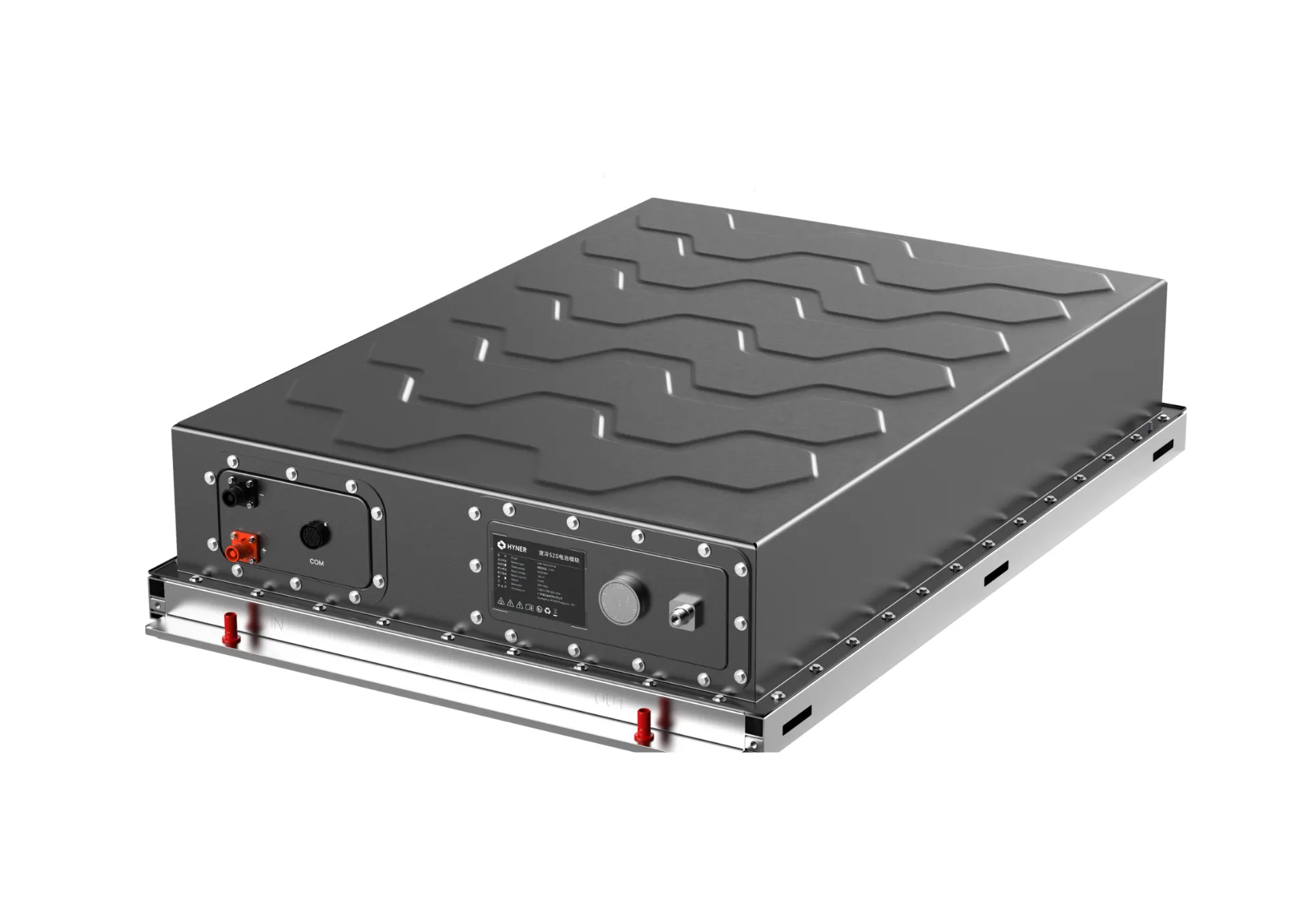
Why liquid cooling, and why now?
Air-cooling still works for small rooms, sure, but at higher power densities you want tighter thermal uniformity and lower fan noise. In practice, that means better cycle life, fewer thermal alarms, and a calmer BMS. Many customers say the biggest surprise is simply noise and energy savings on HVAC. To be honest, the delta-T control is the real story.
Specs at a glance (typical, may vary by build)
| Parameter | 1P52S (≈) | 1P104S (≈) |
|---|---|---|
| Chemistry | LFP (LiFePO4), prismatic cells, low-cobalt, high safety | |
| Nominal voltage | ~166–170 V (52S) | ~333–340 V (104S) |
| Pack energy | ~20–80 kWh (configurable) | ~40–160 kWh (configurable) |
| Continuous power | up to 0.5–1C (site dependent) | up to 0.5–1C (site dependent) |
| Round-trip efficiency | ≈95–97% (25°C, DC-DC) | |
| Thermal control | Liquid loop, EGW coolant, ΔT cell-to-cell ≈1–3°C | |
| Operating temp | -20 to 55°C (charging may limit below 0°C) | |
| Ingress rating | Up to IP54–IP55 (enclosure dependent) | |
| Cycle life | >6,000 cycles @80% DoD (typical LFP profile) | |
| Compliance | Designed for IEC 62619, UL 1973, UN 38.3; UL 9540A testing available | |
Process, materials, and testing (brief but real)
Materials: LFP prismatic cells, laser-welded copper/aluminum busbars, aluminum cold plates, 30–40% EGW coolant, flame-retardant harnesses, and a BMS with CAN/RS485/Modbus (IEC 61850 gateway on request). Methods: automated cell sorting (IR/OCV), laser welding, potting for connectors, and leak testing (helium or pressure-decay). Testing: UN 38.3, insulation resistance and hi-pot, vibration (IEC 60068), thermal runaway propagation per UL 9540A methodology, EMC/EMI per IEC 61000-6-x. Service life: around 10–15 years in normal C&I duty cycles, assuming ambient and SOC windows are well-managed.
Where it’s actually used
- Peak shaving and TOU arbitrage for factories;
- Solar-plus-storage at logistics parks;
- EV fast-charging buffers to dodge demand spikes;
- Data center microgrids and UPS hybrids;
- Islanded resorts and remote mining.
In fact, a few integrators told me the 1P52S&1P104S Liquid-Cooled Energy Storage Pack slotted neatly into existing 215–1500V DC strings with minimal retooling.
Vendor comparison (real-world feel)
| Vendor | Cooling / ΔT | Certs (typical) | Customization | Notes |
|---|---|---|---|---|
| This product | Liquid; ≈1–3°C | IEC 62619, UL 1973, UN 38.3 target | Voltage/energy/BMS protocols | Good C&I fit; strong outdoor stance |
| Air-cooled rival | Air; ≈5–10°C | CE/UN 38.3; UL optional | Limited | Cheaper capex; higher HVAC load |
| Premium liquid-cooled | Liquid; ≈1–2°C | UL 9540A suite; UL 1973 | Deep customization | Higher price; fast lead times |
Customization and integration
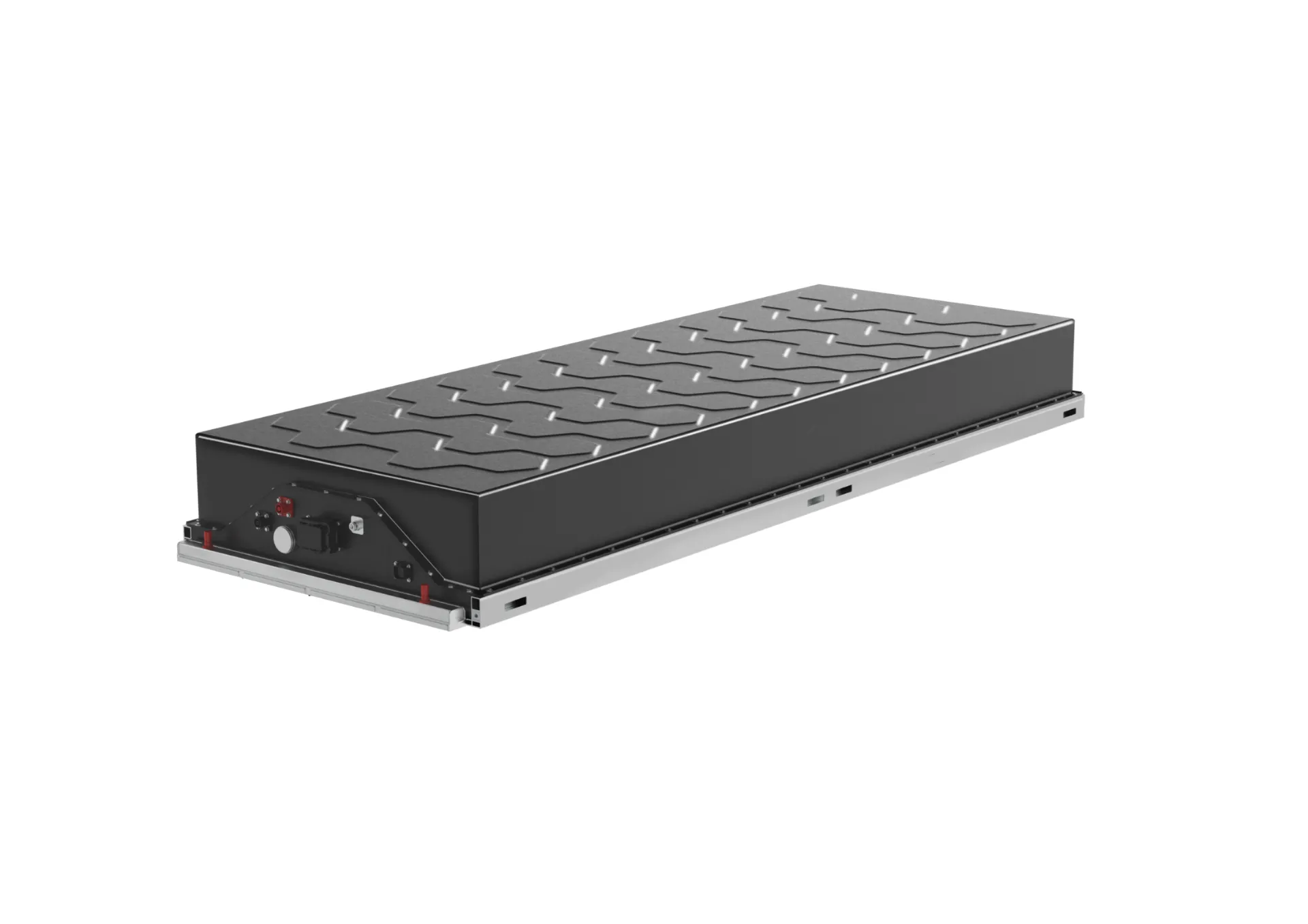
Options include comms (CAN, RS485/Modbus, gateway to IEC 61850), contactor sizing, fuse strategy, SOC windows, and cabinet IP level. Integrators can stack the 1P52S&1P104S Liquid-Cooled Energy Storage Pack into racks or outdoor container111s, pairing with PCS inverters for 50–500 kW blocks.
Quick case notes
- 2 MWh data center microgrid (SEA): liquid loop kept cell ΔT under 2.5°C during a 38°C heat wave; RTE hovered ~96%.
- 500 kWh wind + storage (Nordics): cold starts at -15°C with preheat; peak-shaving payback ≈3.8 years.
- EV hub (US Southwest): demand charges cut by ~30%; customers liked the quieter operation, surprisingly.
What to check before you buy
Ask for UL 1973/9540A and IEC 62619 files, UN 38.3 reports, EMC test data, and the thermal runaway propagation report. Also, request cycle-life curves (25°C vs 35°C) and coolant maintenance intervals. It sounds basic, but these documents separate marketing from reality.
Citations:
[1] UL 1973: Batteries for Use in Stationary and Motive Auxiliary Power Applications (UL).
[2] IEC 62619: Secondary lithium cells and batteries for industrial applications (IEC).
[3] UN 38.3: Recommendations on the Transport of Dangerous Goods—Lithium Battery Tests (UN).
[4] UL 9540A and NFPA 855: Fire safety evaluation and ESS installation standards (UL/NFPA).