
1P52S & 1P104S Liquid-Cooled Energy Storage Pack|Grid Solutions
The 1P52S & 1P104S Liquid-Cooled Energy Storage Pack represents a cutting-edge advancement in energy storage technology, designed to meet the demands of modern grid systems, commercial, and industrial applications. Developed by Hebei Yanchun Qianjian Technology Co., Ltd., this product integrates innovative liquid-cooling thermal management, exceptional durability, and adaptability across extreme climates. Below is a comprehensive overview of its features, specifications, and real-world applications.
Product Introduction
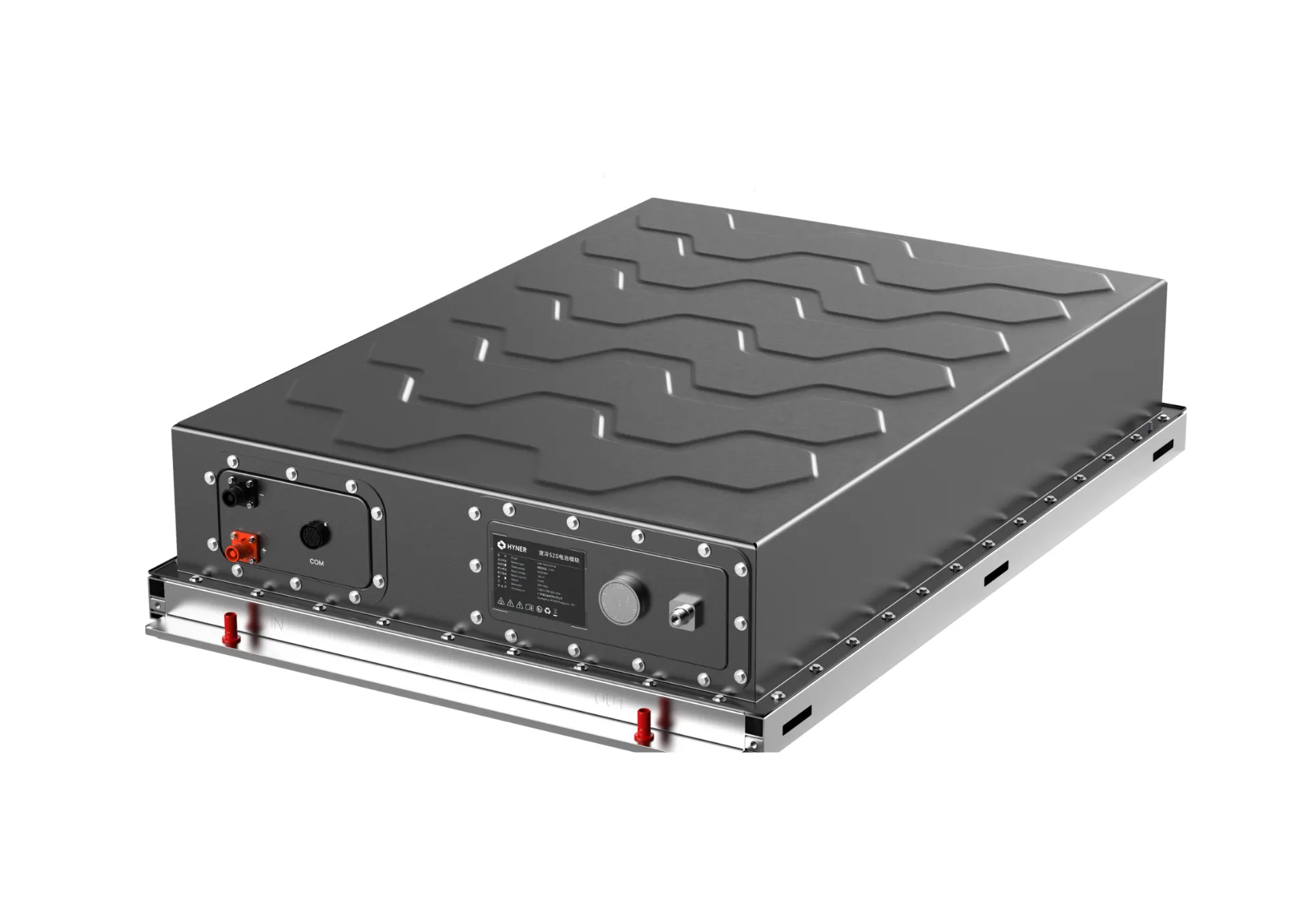
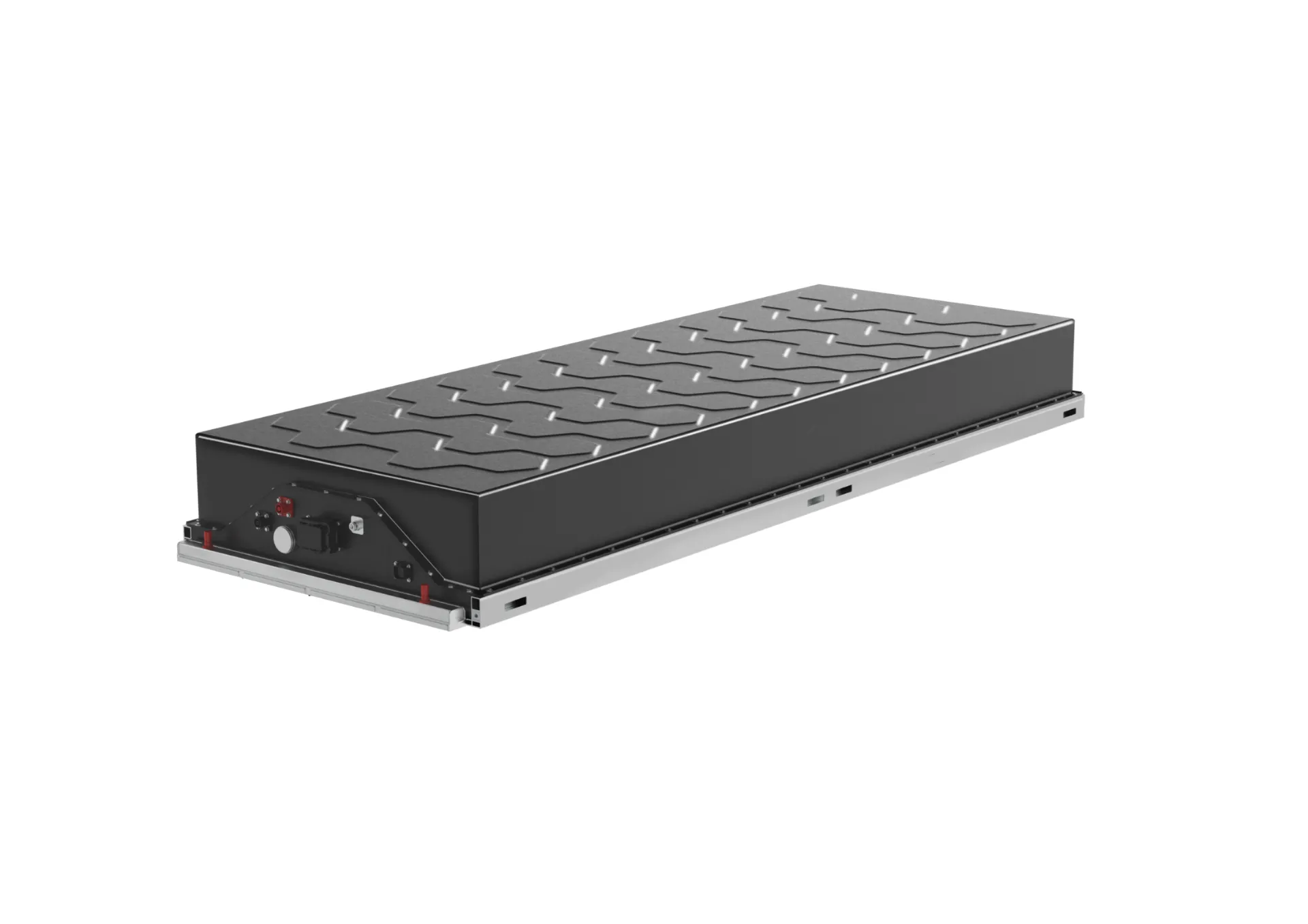
The 1P52S & 1P104S Liquid-Cooled Energy Storage Pack is engineered to deliver reliable and efficient energy storage solutions. Its core innovation lies in the liquid-cooling thermal management system, which ensures uniform heat dissipation and maintains optimal cell performance. This technology significantly reduces operating temperatures, enhancing both safety and longevity. The product is designed to operate in a wide temperature range of -30°C to 60°C, making it suitable for diverse environments.
With a cycle life exceeding 8,000 cycles, the 1P52S and 1P104S models offer ultra-long lifespan, reducing total lifecycle costs. Their all-climate adaptability and superior thermal management make them ideal for applications such as grid-side peak shaving, frequency regulation, and solar-storage-charging integration. These systems have been deployed in multiple 100MW-scale energy storage projects across China, proving their market viability and operational stability.
Product Features
1. Advanced Thermal Management
The liquid-cooling and liquid-heating system ensures consistent thermal regulation, preventing overheating and maintaining cell stability. This is critical for high-energy-density lithium iron phosphate (LFP) cells, which are sensitive to temperature fluctuations. The system’s efficiency is validated by its ability to operate in extreme conditions, from subzero temperatures to scorching heat.
2. High Energy Density and Capacity
Available in two configurations—1P52S (280Ah/3.2V) and 1P104S (314Ah/3.2V)—the packs deliver nominal voltages of 166.4V and 332.8V, respectively. Their rated capacities range from 280Ah to 314Ah, with corresponding energy outputs of 46.592kWh to 104.4992kWh. These specifications make them suitable for both small-scale and large-scale energy storage applications.
3. Robust Safety and Durability
The product meets IP67 protection standards, ensuring resistance to dust and water ingress. Its insulation performance exceeds 550MΩ at 2500V DC, while the withstand voltage performance is limited to ≤5mA at 4380V DC. These metrics highlight its reliability in harsh environments.
Technical Specifications
| No. | Item | Unit | 1P52S | 1P104S | Remarks | ||
|---|---|---|---|---|---|---|---|
| 1 | Cell Specifications | / | LFP 280Ah 3.2V | LFP 314Ah 3.2V | LFP 280Ah 3.2V | LFP 314Ah 3.2V | / |
| 2 | Nominal Voltage | V | 166.4 | 166.4 | 332.8 | 332.8 | / |
| 3 | Rated Capacity | Ah | 280 | 314 | 280 | 314 | / |
| 4 | Rated Energy | kWh | 46.592 | 52.2496 | 93.184 | 104.4992 | / |
| 5 | Max Continuous Current | A | 180 | 201 | 180 | 201 | / |
| 6 | Charge/Discharge Voltage Range | V | 130V–189.8V | 130V–189.8V | 260V–379.6V | 260V–379.6V | / |
| 7 | Rated Charging Power | kW | 0.5CP | 0.5CP | 0.5CP | 0.5CP | / |
| 8 | Rated Discharging Power | kW | 0.5CP | 0.5CP | 0.5CP | 0.5CP | / |
| 9 | Cycle Life | cycles | ≥8000 cycles | / | |||
| 10 | Dimensions | mm | 1160×790×250 | 2160×790×250 | / | ||
| 11 | Weight | kg | 325±10kg | 345±10kg | 630±20kg | 670±20kg | / |
| 12 | Operating Temperature Range | ℃ | -30℃–60℃ | / | |||
| 13 | Storage Temperature Range | ℃ | -20℃–35℃ | / | |||
| 14 | Insulation Performance | MΩ | ≥550MΩ (at 2500V DC) | / | |||
| 15 | Withstand Voltage Performance | mA | ≤5mA (at 4380V DC) | / | |||
| 16 | Protection Level | / | IP67 | / | |||
| 17 | Balancing Method | / | Passive Balancing | / | |||
| 18 | Temperature Management Method | / | Liquid Cooling, Liquid Heating | / | |||
Application Scenarios
The 1P52S and 1P104S models are tailored for grid-side peak shaving, frequency regulation, and solar-storage-charging integration. Their ability to handle high continuous currents (up to 201A) and maintain stable voltage ranges makes them ideal for industrial and commercial energy storage systems. Additionally, their extreme temperature tolerance ensures reliability in regions with unpredictable weather patterns.
These packs are also well-suited for remote and off-grid applications, where consistent power supply is critical. The IP67 rating ensures they can withstand harsh outdoor conditions, while the long cycle life reduces maintenance frequency. For instance, in solar farms, the 1P104S model’s high capacity can store excess energy during peak sunlight hours, providing backup during low-output periods.
Company Background
Hebei Yanchun Qianjian Technology Co., Ltd. is a leading innovator in energy storage solutions, specializing in lithium iron phosphate (LFP) battery systems. With a focus on safety, efficiency, and sustainability, the company has established itself as a trusted partner for grid-scale and industrial energy storage projects. Their commitment to research and development has resulted in products like the 1P52S and 1P104S, which meet global standards for performance and reliability.
The company’s success is underscored by its 100MW-scale deployments in China, where the 1P52S and 1P104S models have demonstrated market validation. By leveraging liquid-cooling technology, Yanchun Qianjian addresses the critical challenges of thermal management in energy storage, ensuring long-term operational stability.
Conclusion
The 1P52S & 1P104S Liquid-Cooled Energy Storage Pack is a testament to the advancements in energy storage technology. Its liquid-cooling system, high cycle life, and all-climate adaptability make it a versatile solution for modern energy demands. As the global push for carbon neutrality intensifies, products like these play a pivotal role in renewable energy integration and grid resilience.
For more information, visit Hebei Yanchun Qianjian Technology Co., Ltd. or explore the product page.
Authoritative Citations
1. National Institute of Standards and Technology (NIST) provides guidelines on energy storage systems, emphasizing the importance of thermal management and safety standards. NIST Energy Standards highlight the role of advanced cooling technologies in extending battery lifespans and improving efficiency.
2. National Renewable Energy Laboratory (NREL) reports on the integration of energy storage in renewable energy systems, underscoring the need for durable and adaptable solutions. NREL Research supports the adoption of LFP batteries for their safety and longevity.