
8kWh&16kWh ESS Product – LFP Home Battery, Modular, Safe
8kWh&16kWh ESS Product — a practical take on home batteries in 2025
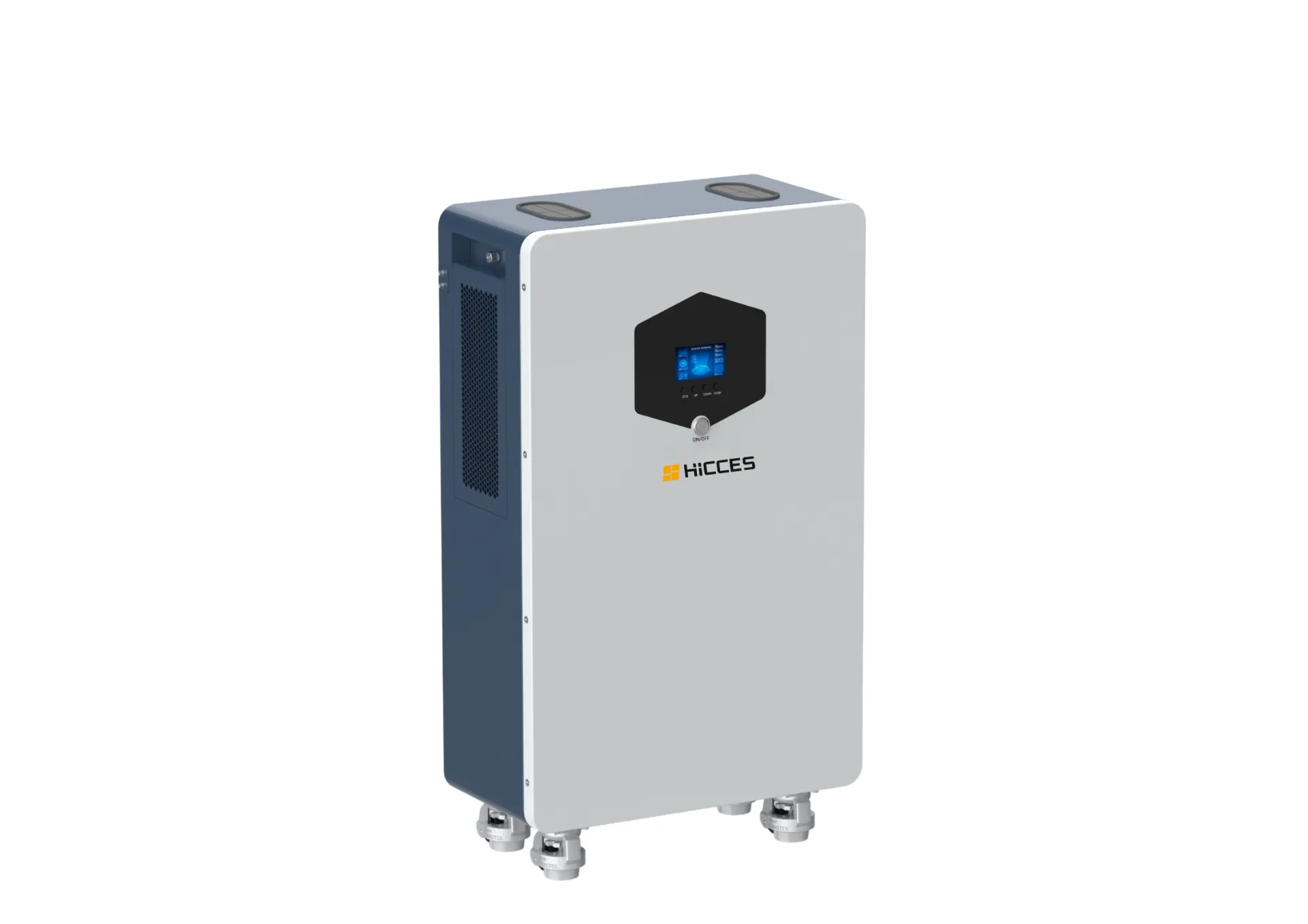
Residential energy storage isn’t hype anymore; it’s Tuesday. Utilities change tariffs, weather is moody, and solar owners want more self-consumption. In this context, the 8kWh&16kWh ESS Product lands as a quietly competent unit—made in Shijiazhuang, Hebei—focused on safety, high efficiency, and a bit of smart flair without overcomplication.
What’s driving demand
Two big trends: time-of-use electricity pricing and the need for resilient backup. Many customers say they didn’t plan on batteries—until the third outage. Also, installers tell me LFP chemistry has tipped the scales; it’s safer and now priced sensibly.
Core specs at a glance
| Spec | 8 kWh | 16 kWh |
|---|---|---|
| Chemistry | LiFePO4 (LFP), high-safety prismatic cells | |
| Usable capacity (DoD) | ≈ 7.6 kWh @ 95% DoD | ≈ 15.2 kWh @ 95% DoD |
| Round-trip efficiency | ≈ 94–96% (real-world use may vary) | |
| Peak/continuous power | ≈ 5 kW / 3.5 kW | ≈ 8 kW / 5 kW |
| Cycle life | ≥ 6,000 cycles @ 80% DoD; ≈10–15 years typical | |
| Ingress/Temp | IP65; -10°C to 50°C charge window (derating possible) | |
| Comms | CAN/RS485, Modbus; app via Wi‑Fi | |
Materials, build, and testing
- LFP cells binned and matched (ΔV ≤ ≈2–3 mV at 50% SOC), laser-welded busbars.
- Fire-retardant ABS/steel enclosure, conformal-coated BMS PCB, fused contactors.
- Thermal design with cell-level temp sensors; passive-first cooling philosophy.
- Factory tests: cell IR mapping, 100% functional test, 48–72h burn-in, UN38.3 pack tests.
- Standards orientation: IEC 62619, UL 1973 cell/module level; UL 9540/9540A for system validation; transport UN38.3.
Where it fits
Homes with rooftop PV (self-consumption), TOU arbitrage, outage backup (UPS-like switchover ≈10–20 ms), and small shops. I’ve seen a telecom repeater cabin run off the 8kWh&16kWh ESS Product + PV for weeks—diesel genset barely touched.
Customization and integration
Options: 8 or 16 kWh modules, parallel up to ≈64 kWh, wall or floor mount, CAN mapping for common hybrid inverters (SMA/GoodWe/Growatt class tested in-house), and app tuning for TOU rules. Origin and service hub: 4th Floor, Yanhua Building, Jianshe North Street, Qiaodong District, Shijiazhuang City, Hebei Province, China.
Vendor snapshot: how it stacks up
| Vendor | Capacity | RTE | Cycles (≈) | Cert focus | Notes |
|---|---|---|---|---|---|
| 8kWh&16kWh ESS Product | 8 / 16 kWh | 94–96% | ≥6000 @80% DoD | IEC 62619, UL 1973, UN38.3 | Modular; IP65; sensible pricing |
| Vendor A (global brand) | ≈13.5 kWh | 90–93% | 5000–6000 | UL 9540/9540A | Strong ecosystem; premium price |
| Vendor B (rack stack) | 10–20 kWh | 92–95% | ≥6000 | IEC/CE | Great scalability; needs pro setup |
Mini case notes
- Suburban home, TOU: 16 kWh unit cut evening peak draw; bill dropped ≈28% after tuning charge windows.
- Rural clinic: two 8 kWh units + 6 kW PV, seamless switchover kept vaccine fridges cold during 5-hour outage.
Safety and certifications
The stack aligns to IEC 62619 and targets UL 9540/9540A system-level validation. Transport is UN 38.3. Frankly, this is what insurers now look for. Internal BMS features include cell-level OVP/UVP, dual-range temp gates, contactor welding detect, and soft-start.
Citations: [1] IEC 62619; [2] UL 1973; [3] UL 9540; [4] UL 9540A; [5] UN 38.3; [6] IEC 62933-5-2.
- IEC 62619: Secondary lithium cells and batteries for industrial applications.
- UL 1973: Batteries for use in stationary and motive applications.
- UL 9540: Energy Storage Systems and Equipment.
- UL 9540A: Test Method for Evaluating Thermal Runaway Fire Propagation.
- UN Manual of Tests and Criteria, Section 38.3 (UN 38.3).
- IEC 62933-5-2: Electrical energy storage systems—Safety considerations.