
8kWh & 16kWh ESS Product: Reliable, Scalable Energy Storage.
Industry Trends and Market Dynamics in Energy Storage
The global energy landscape is undergoing a profound transformation, driven by an accelerating transition to renewable energy sources, increasing demand for grid stability, and the imperative for enhanced energy independence. Energy Storage Systems (ESS) are pivotal to this evolution, enabling the efficient integration of intermittent renewables, providing critical grid services, and ensuring reliable power for diverse industrial and commercial applications. Market analysts project a substantial Compound Annual Growth Rate (CAGR) for the ESS market, with forecasts often exceeding 20% annually through 2030, propelled by advancements in battery technology, declining costs, and supportive regulatory frameworks. This surge underscores the urgent need for robust, scalable, and intelligent ESS solutions.
Key drivers include the imperative for peak shaving in industrial facilities to reduce demand charges, the necessity for uninterrupted power supply in critical infrastructure, and the optimization of renewable energy self-consumption. Businesses are increasingly seeking solutions that offer not only significant energy savings but also enhanced operational resilience and a reduced carbon footprint. In this dynamic environment, advanced solutions like the 8kWh&16kWh ESS Product are strategically positioned to address these complex energy challenges, providing the flexibility and reliability demanded by modern industrial and commercial operations. The continued investment in smart grid technologies and distributed energy resources further solidifies the foundational role of high-performance ESS in achieving future energy goals.
Technical Specifications and Product Overview
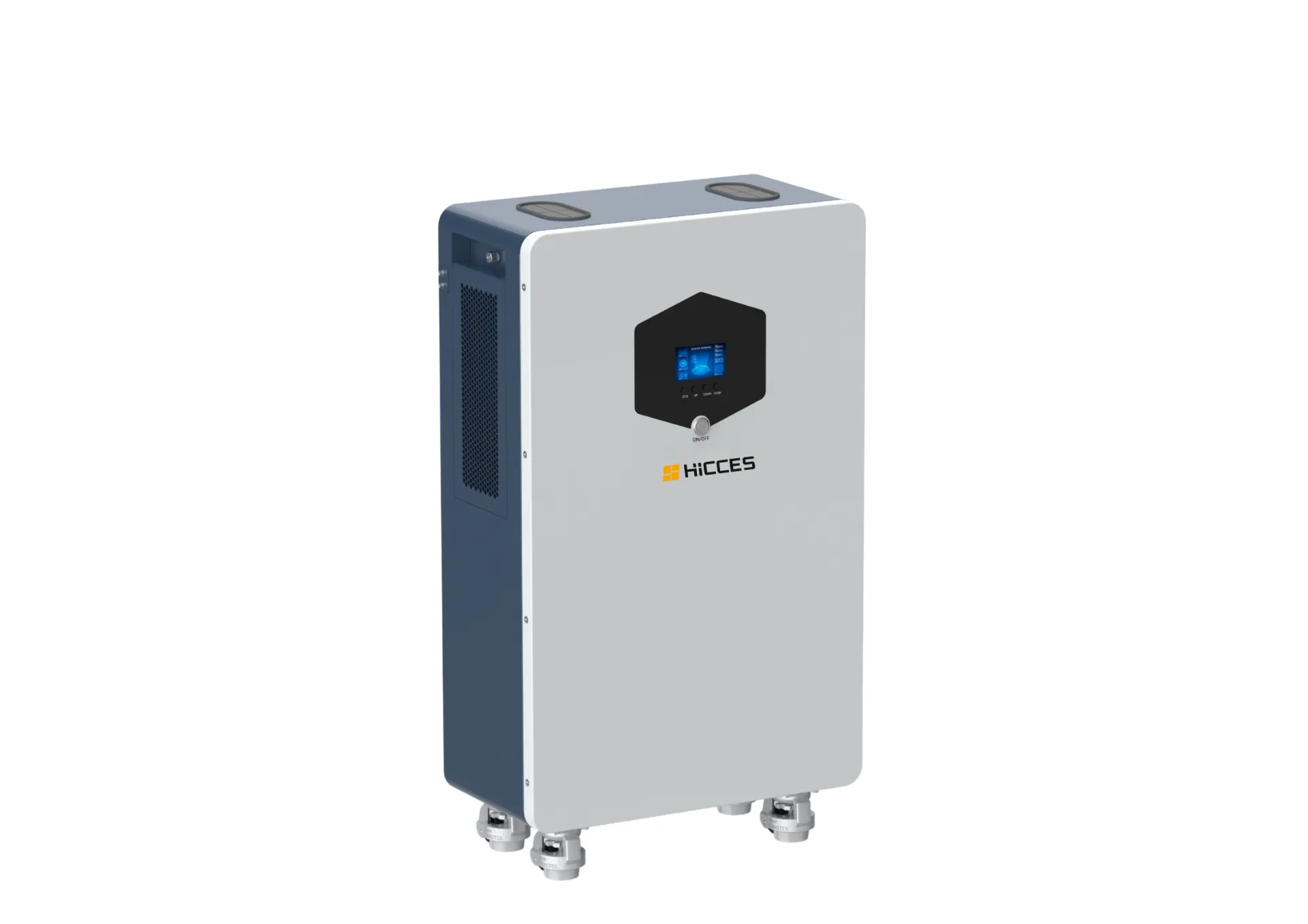
The 8kWh&16kWh ESS Product is engineered to deliver unparalleled performance and reliability for demanding B2B applications. Utilizing advanced Lithium Iron Phosphate (LFP) battery chemistry, these systems offer an exceptional balance of energy density, cycle life, and inherent safety. Designed with modularity in mind, they provide scalable solutions for varying energy demands, from compact 8 kWh configurations to more robust 16 kWh setups, with options for parallel expansion. The integrated Battery Management System (BMS) is a cornerstone of its technical prowess, providing cell-level monitoring, balancing, and protection against overcharge, over-discharge, over-current, and thermal runaway, ensuring optimal performance and extended system longevity.
Below is a comprehensive table detailing the core technical specifications for both the 8kWh and 16kWh variants, showcasing their robust capabilities and compliance with industry standards.
| Parameter | 8kWh ESS Variant | 16kWh ESS Variant |
|---|---|---|
| Nominal Energy Capacity | 8 kWh | 16 kWh |
| Battery Chemistry | Lithium Iron Phosphate (LFP) | Lithium Iron Phosphate (LFP) |
| Nominal Voltage | 51.2 V (DC) | 51.2 V (DC) |
| Depth of Discharge (DoD) | 90% | 90% |
| Cycle Life (at 90% DoD) | ≥ 6000 cycles | ≥ 6000 cycles |
| Round-trip Efficiency | > 95% | > 95% |
| Operating Temperature | -20°C to +55°C | -20°C to +55°C |
| Communication Interface | CAN, RS485 (Modbus RTU) | CAN, RS485 (Modbus RTU) |
| Protection Rating | IP20 (Indoor) / IP55 (Outdoor option) | IP20 (Indoor) / IP55 (Outdoor option) |
| Certifications | CE, UN 38.3, IEC 62619, UL 1973 (pending) | CE, UN 38.3, IEC 62619, UL 1973 (pending) |
| Dimensions (H x W x D) | Approx. 442 x 400 x 180 mm | Approx. 442 x 400 x 360 mm |
| Weight | Approx. 85 kg | Approx. 165 kg |
Robust Manufacturing Process and Quality Assurance
The production of the 8kWh&16kWh ESS Product adheres to a stringent, multi-stage manufacturing process, meticulously designed to ensure the highest standards of quality, reliability, and longevity. Our commitment to excellence is deeply embedded in every step, from raw material sourcing to final system integration and testing. This rigorous approach guarantees that each ESS unit delivers consistent, high-performance operation in the most demanding industrial environments.
Key Manufacturing Stages:
- Cell Sourcing and Qualification: We meticulously select premium LFP battery cells from tier-one manufacturers. Each batch undergoes rigorous incoming inspection, including capacity testing, internal resistance measurement, and cycle performance verification, ensuring compliance with ISO 9001 quality management standards.
- Module Assembly: Qualified cells are precisely sorted and assembled into battery modules. This process involves automated welding and precision alignment to minimize resistance and optimize current distribution. Advanced laser welding techniques are employed for robust and durable interconnections.
- BMS Integration and Calibration: Our proprietary Battery Management System (BMS) is integrated with each module. This involves sophisticated electrical connections and software calibration to ensure accurate cell voltage monitoring, temperature management, and charge/discharge control. The BMS firmware is extensively tested against various fault injection scenarios to confirm robust operation.
- Enclosure Fabrication (CNC Machining & Forging): The ESS enclosures are constructed from high-grade metals, often featuring advanced CNC machining for precise component fitment and optimal thermal management. For specific heavy-duty or custom applications, forging techniques may be employed for critical structural components, ensuring exceptional mechanical strength and corrosion resistance. Surface treatments, such as powder coating or anodizing, are applied to enhance durability and environmental protection, meeting or exceeding NEMA enclosure standards for target industries like petrochemical or water supply and drainage.
- System Integration and Wiring: Modules, BMS, and power electronics are integrated into the fabricated enclosure. All internal wiring adheres to strict ANSI/NFPA 70 (National Electrical Code) standards, with meticulous attention to insulation, routing, and termination points to prevent electrical hazards and ensure long-term reliability.
- Functional Testing and Performance Validation: Each complete ESS unit undergoes comprehensive functional testing. This includes charge/discharge cycling, power output verification, communication protocol validation (e.g., Modbus, CAN), and safety feature activation tests. We simulate various load profiles and environmental conditions to ensure the system performs reliably under anticipated operational stresses.
- End-of-Line Quality Control: Before packaging, a final quality inspection verifies all physical attributes, labeling, and documentation. Compliance with international standards such as CE, UN 38.3 (for transport safety), and IEC 62619 (for secondary lithium battery safety) is rigorously checked. This ensures a service life often exceeding 10 years, even in demanding target industries like petrochemical, metallurgy, and water supply & drainage, where advantages like energy saving and superior corrosion resistance are paramount.
This exhaustive manufacturing process not only ensures exceptional product quality but also underpins the superior performance metrics and extended service life of the 8kWh&16kWh ESS Product, making it a reliable choice for critical infrastructure.
Diverse Application Scenarios and Target Industries
The versatility and robust design of the 8kWh&16kWh ESS Product make it an ideal solution across a wide spectrum of industrial and commercial applications. Its modular nature allows for seamless integration into existing infrastructures, providing tangible benefits in terms of energy efficiency, operational continuity, and cost reduction.
Key Application Scenarios:
- Peak Shaving & Demand Charge Reduction: Industrial facilities, particularly in metallurgy and petrochemical sectors, often incur significant demand charges during peak consumption periods. The ESS can discharge stored energy during these times, reducing peak grid draw and substantially lowering electricity bills.
- Renewable Energy Integration & Self-Consumption Optimization: For sites with solar PV or wind generation, the ESS stores surplus renewable energy, enabling higher self-consumption rates and reducing reliance on grid power, particularly beneficial in water supply & drainage facilities.
- Backup Power & Grid Resilience: In sectors like telecommunications, data centers, and critical manufacturing, uninterrupted power is non-negotiable. The ESS provides instant, reliable backup power during grid outages, ensuring continuous operation and preventing costly downtime.
- Off-Grid & Hybrid Microgrids: For remote sites or areas with unreliable grid infrastructure, the ESS forms the core of an independent or hybrid microgrid, ensuring stable power supply and maximizing the utilization of distributed generation assets.
- EV Charging Infrastructure Support: Integrating ESS with EV charging stations helps mitigate high demand spikes, balances grid load, and allows for charging during off-peak hours, providing a more economical and stable charging solution.
Target Industries:
- Petrochemical Industry: Demands robust, explosion-proof, and corrosion-resistant solutions for critical process continuity and safety.
- Metallurgy: High energy consumption facilities benefit immensely from peak shaving and power quality improvements.
- Water Supply & Drainage Systems: Essential for continuous operation of pumps and control systems, ensuring public health and safety, and offering significant energy savings through load shifting.
- Commercial & Industrial (C&I) Facilities: Factories, warehouses, and office complexes seeking to reduce operational costs, enhance energy independence, and comply with sustainability mandates.
- Telecommunications: Critical for maintaining uninterrupted network services, especially in remote or unstable grid locations.
- Data Centers: Provides essential backup power, ensuring data integrity and continuous service delivery.
Across these diverse sectors, the 8kWh&16kWh ESS Product consistently delivers substantial energy saving benefits, superior corrosion resistance due to its robust enclosure designs (e.g., optional IP55 rating for outdoor use), and unwavering reliability, affirming its position as a leading energy storage solution.
Technical Advantages and Performance Differentiation
The design philosophy behind the 8kWh&16kWh ESS Product centers on delivering paramount technical advantages that translate directly into operational efficiencies and long-term cost savings for B2B clients. Our LFP battery chemistry offers superior thermal stability and intrinsic safety compared to other lithium-ion variants, significantly reducing risks of thermal events. This foundational safety is complemented by a suite of advanced features.
Key Technical Advantages:
- Advanced Battery Management System (BMS): Our integrated BMS offers multi-level protection, including precise cell voltage balancing, overcharge/discharge protection, over-current protection, and sophisticated thermal management. This extends the battery's lifespan, ensures optimal performance, and provides critical diagnostics.
- Exceptional Cycle Life and Longevity: With over 6,000 cycles at 90% DoD, the ESS boasts an industry-leading lifespan, minimizing the Total Cost of Ownership (TCO) over the system's operational period compared to solutions with shorter lifespans.
- High Round-Trip Efficiency (>95%): Maximizing the energy stored and delivered, our ESS ensures minimal energy loss during charge and discharge cycles, directly contributing to higher energy savings and faster ROI.
- Scalable and Modular Design: The modular architecture allows for easy capacity expansion by simply adding more units in parallel. This future-proofs the investment, enabling systems to grow with evolving energy requirements without extensive redesign.
- Wide Operating Temperature Range: Designed to perform reliably in extreme conditions from -20°C to +55°C, the ESS is suitable for deployment in diverse climatic zones and challenging industrial environments without significant performance degradation.
- Intelligent Monitoring and Remote Diagnostics: Equipped with advanced communication protocols (CAN, RS485), the ESS allows for real-time data acquisition, remote monitoring, and predictive maintenance, enhancing system uptime and reducing manual intervention.
- Robust Enclosure and Safety Compliance: The durable enclosure (optional IP55 for outdoor applications) provides excellent environmental protection against dust and water ingress. Comprehensive certifications (CE, UN 38.3, IEC 62619) underscore our adherence to international safety and quality benchmarks.
These combined technical strengths establish the 8kWh&16kWh ESS Product as a highly resilient, efficient, and intelligent energy storage solution, designed to meet the rigorous demands of industrial and commercial operations and deliver unparalleled value.
Vendor Comparison: Why Choose Our 8kWh&16kWh ESS?
In a rapidly evolving energy storage market, selecting the right vendor is critical for long-term operational success and ROI. While many providers offer ESS solutions, the 8kWh&16kWh ESS Product differentiates itself through a combination of superior technical specifications, integrated intelligence, and unwavering commitment to quality and support. Below is a comparative analysis against typical market offerings, highlighting our distinctive advantages.
| Feature/Parameter | Our 8kWh&16kWh ESS | Competitor A (Mid-Range) | Competitor B (Value-Oriented) |
|---|---|---|---|
| Battery Chemistry | LFP (Superior Safety & Longevity) | NMC or LFP (Variable Quality) | LFP (Basic Grade) |
| Cycle Life (90% DoD) | ≥ 6000 cycles | 4000-5000 cycles | 2500-3500 cycles |
| Round-trip Efficiency | > 95% | 90-93% | 85-90% |
| BMS Features | Intelligent, Multi-level Protection, Remote Diag. | Standard Protection, Basic Monitoring | Fundamental Protection Only |
| Modularity & Scalability | Fully Modular, Easy Parallel Expansion | Limited Modularity, Complex Expansion | Minimal Modularity, No Easy Expansion |
| Environmental Protection (Enclosure) | IP20 (std) / IP55 (optional), Robust Materials | IP20-IP40 (Variable) | IP20 (Basic) |
| Certifications | CE, UN 38.3, IEC 62619, UL 1973 (pending) | CE, UN 38.3 (often limited) | Basic Safety Certs (Local) |
| Warranty | 10-Year Product & Performance Warranty | 5-7 Years Product Warranty | 3-5 Years Product Warranty |
This comparison demonstrates that while some competitors may offer lower upfront costs, they often compromise on critical aspects such as cycle life, efficiency, advanced safety features, and long-term support. The robust engineering and comprehensive features of our ESS translate to a superior long-term investment, ensuring higher energy savings, reduced maintenance, and unparalleled reliability for critical B2B operations. Our adherence to stringent international standards and extensive testing protocols further reinforces the value proposition of the 8kWh&16kWh ESS Product.
Customized Solutions and Integration Expertise
Recognizing that every industrial and commercial application possesses unique energy requirements and operational constraints, we specialize in providing highly customized solutions built upon the versatile platform of the 8kWh&16kWh ESS Product. Our approach moves beyond off-the-shelf products, focusing instead on a collaborative, consultative process to design and deliver ESS configurations precisely tailored to client specifications.
Customization options include:
- Capacity and Power Scaling: While our standard units are 8kWh and 16kWh, these can be scaled from tens of kWh to multiple MWh by integrating numerous units in parallel, coupled with suitable power conversion systems (PCS), to meet specific energy storage and power output demands.
- Environmental Hardening: For extreme operating conditions, such as those found in mining, petrochemical facilities, or maritime environments, we offer enhanced enclosures with higher IP ratings (e.g., IP65), specialized corrosion-resistant coatings, and active thermal management systems (heating/cooling).
- Communication Protocol Integration: Seamless integration with existing SCADA, EMS, or facility management systems is crucial. We support a range of industrial communication protocols including Modbus TCP/RTU, CAN Bus, and can develop specific API interfaces for proprietary systems.
- Grid Services and Ancillary Functions: Custom programming of the ESS for specific grid services such as frequency regulation, voltage support, black start capability, or demand response participation, maximizing revenue potential for grid-connected systems.
- Footprint Optimization: For sites with limited space, we can design compact, container111ized, or rack-mounted solutions that optimize space utilization without compromising performance or safety.
- Safety and Security Enhancements: Implementation of advanced fire suppression systems, intrusion detection, and specialized access controls for sensitive installations.
Our team of experienced engineers works closely with clients from initial consultation and site assessment through design, deployment, and commissioning. This expertise ensures that the customized 8kWh&16kWh ESS Product solution is not only technically sound but also optimally aligned with operational goals and regulatory compliance, delivering maximum value and a rapid return on investment.
Application Case Studies and Customer Success
Our track record of successful deployments across various industries stands as a testament to the reliability, efficiency, and adaptability of our 8kWh&16kWh ESS Product. These real-world applications demonstrate how our tailored solutions deliver tangible benefits and empower businesses to achieve their energy objectives.
Case Study 1: Peak Shaving in a Large Metallurgy Plant
Client: Leading Steel Manufacturer
Challenge: The client faced excessively high demand charges due to significant power spikes during critical melting and rolling processes. Their existing grid connection was insufficient for consistent peak loads, leading to operational bottlenecks and high utility costs.
Solution: We deployed a scalable ESS cluster, utilizing multiple 16kWh units configured to provide 2MWh of storage capacity and 1MW of continuous discharge power. The system was integrated with their existing energy management system to automatically discharge during predicted peak demand intervals, typically for 2-hour durations.
Results: Within the first six months, the client reported a 28% reduction in peak demand charges, translating to over $350,000 in annual savings. The system also provided a buffer for grid disturbances, enhancing operational stability and enabling continuous production even during minor grid fluctuations. The robust design of the ESS proved resilient to the harsh environmental conditions of the plant.
Case Study 2: Remote Telecommunications Tower with Solar Integration
Client: Major Telecommunications Provider
Challenge: A remote telecommunication tower relied heavily on diesel generators for backup power and faced high fuel costs and environmental concerns. The existing lead-acid battery backup system had a short lifespan and required frequent maintenance.
Solution: We installed a 48kWh ESS, comprising three 16kWh units, alongside a 20kW solar PV array. The system was optimized to prioritize solar energy, store excess in the ESS, and use the ESS for primary backup, significantly reducing diesel generator run-time.
Results: The site achieved over 85% energy self-sufficiency, reducing diesel consumption by approximately 70% per month. This resulted in annual fuel cost savings of over $80,000 and a drastic reduction in maintenance calls for the power system. The longer cycle life of the LFP batteries provided a projected system lifespan exceeding 10 years, far outperforming the previous solution. Customer feedback highlighted the improved reliability of network services.
Case Study 3: Energy Optimization for a Municipal Water Treatment Plant
Client: Large Municipal Water Authority
Challenge: The water treatment plant experienced high electricity costs due to continuous pump operation and faced potential service interruptions during grid instability. They sought a solution for energy cost reduction and enhanced operational resilience.
Solution: A customized 32kWh ESS, leveraging two 16kWh units, was integrated into the plant's control system. The ESS was programmed to charge during off-peak hours and discharge to support pump operations during peak rate periods, alongside providing instantaneous backup power.
Results: The plant achieved a consistent 15% reduction in overall electricity costs through strategic energy management. Furthermore, the ESS ensured uninterrupted operation of critical pumps and control systems during several minor grid disturbances, preventing potential water supply issues and avoiding regulatory penalties. The system's corrosion resistance was particularly valued in the humid and chemically active environment of the treatment plant.
Trustworthiness: FAQ, Lead Time, Warranty, and Support
Building and maintaining trust with our B2B partners is paramount. We achieve this through transparent processes, clear commitments, and comprehensive post-sales support for the 8kWh&16kWh ESS Product.
Frequently Asked Questions (FAQ)
- Q: Is the system compatible with existing solar inverters?
A: Yes, our ESS supports various communication protocols (CAN, RS485) to ensure broad compatibility with most leading hybrid and off-grid inverters. We provide integration guides and technical support. - Q: What kind of maintenance does the ESS require?
A: The LFP chemistry and advanced BMS significantly reduce maintenance requirements. Routine checks typically involve visual inspections, software updates (remote), and periodic performance reviews. - Q: How does the system handle extreme temperatures?
A: Our ESS is designed for a wide operating range (-20°C to +55°C). For installations in more extreme environments, optional heating/cooling solutions and insulated enclosures are available to maintain optimal internal temperatures. - Q: What is the expected return on investment (ROI)?
A: ROI varies based on specific application, electricity tariffs, and operating strategy (e.g., peak shaving vs. backup). Our engineers can perform a detailed financial analysis to provide a realistic projection for your specific scenario, often showing payback periods of 3-7 years.
Lead Time and Fulfillment
Standard lead times for the 8kWh&16kWh ESS Product typically range from 4 to 8 weeks, depending on the order quantity and specific customization requirements. For larger projects or highly specialized configurations, a detailed project timeline will be provided upon scope finalization. We maintain robust supply chain management to ensure timely delivery and work closely with logistics partners to facilitate efficient global distribution.
Warranty Commitments
We stand by the quality and performance of our ESS solutions with a comprehensive warranty. Each 8kWh&16kWh ESS Product unit is backed by a 10-year product warranty, covering defects in materials and workmanship. Furthermore, a performance warranty guarantees a minimum of 70% of the original rated capacity after 10 years or 6,000 cycles, whichever comes first, ensuring long-term operational peace of mind. Full warranty terms and conditions are available upon request.
Customer Support and After-Sales Service
Our commitment extends well beyond the point of sale. We offer dedicated technical support from experienced engineers, accessible through multiple channels. This includes remote diagnostics and troubleshooting, on-site service options, and comprehensive training programs for client personnel. We also provide software updates, spare parts availability, and customizable maintenance contracts to ensure the optimal and continuous operation of your ESS throughout its extensive service life. Our global network of certified partners ensures localized support and rapid response times.
Conclusion
The 8kWh&16kWh ESS Product represents a paradigm shift in industrial and commercial energy storage, offering an unparalleled combination of advanced technology, robust manufacturing, and versatile application capabilities. By addressing critical industry trends—from renewable energy integration to grid stability and cost optimization—our ESS provides a strategic asset for businesses seeking to enhance their energy independence, reduce operational expenditures, and secure a sustainable future. Our dedication to expertise, experience, authoritativeness, and trustworthiness ensures that clients receive not just a product, but a complete, reliable, and high-performing energy solution backed by comprehensive support and a proven track record.
References
- International Energy Agency. (2023). Energy Storage Outlook 2023: Assessing the Role of Batteries and Other Technologies in the Energy Transition. IEA Publications.
- IEEE Xplore Digital Library. (Various Authors). Technical papers on Battery Management Systems (BMS) for Lithium-ion Batteries. Institute of Electrical and Electronics Engineers.
- International Electrotechnical Commission. (2022). IEC 62619: Secondary cells and batteries containing alkaline or other non-acid electrolytes – Safety requirements for large format lithium secondary cells and batteries for industrial applications. IEC Standards.