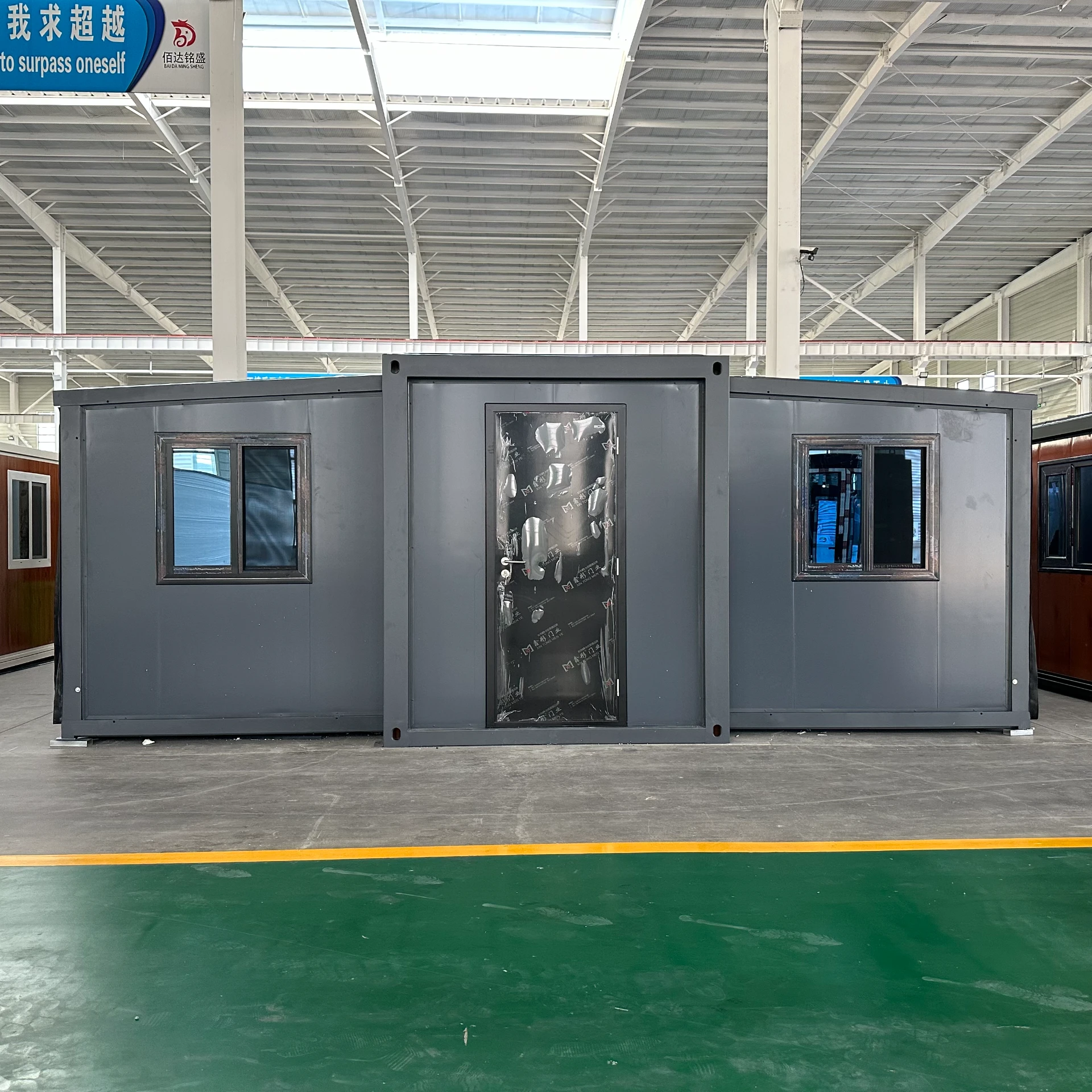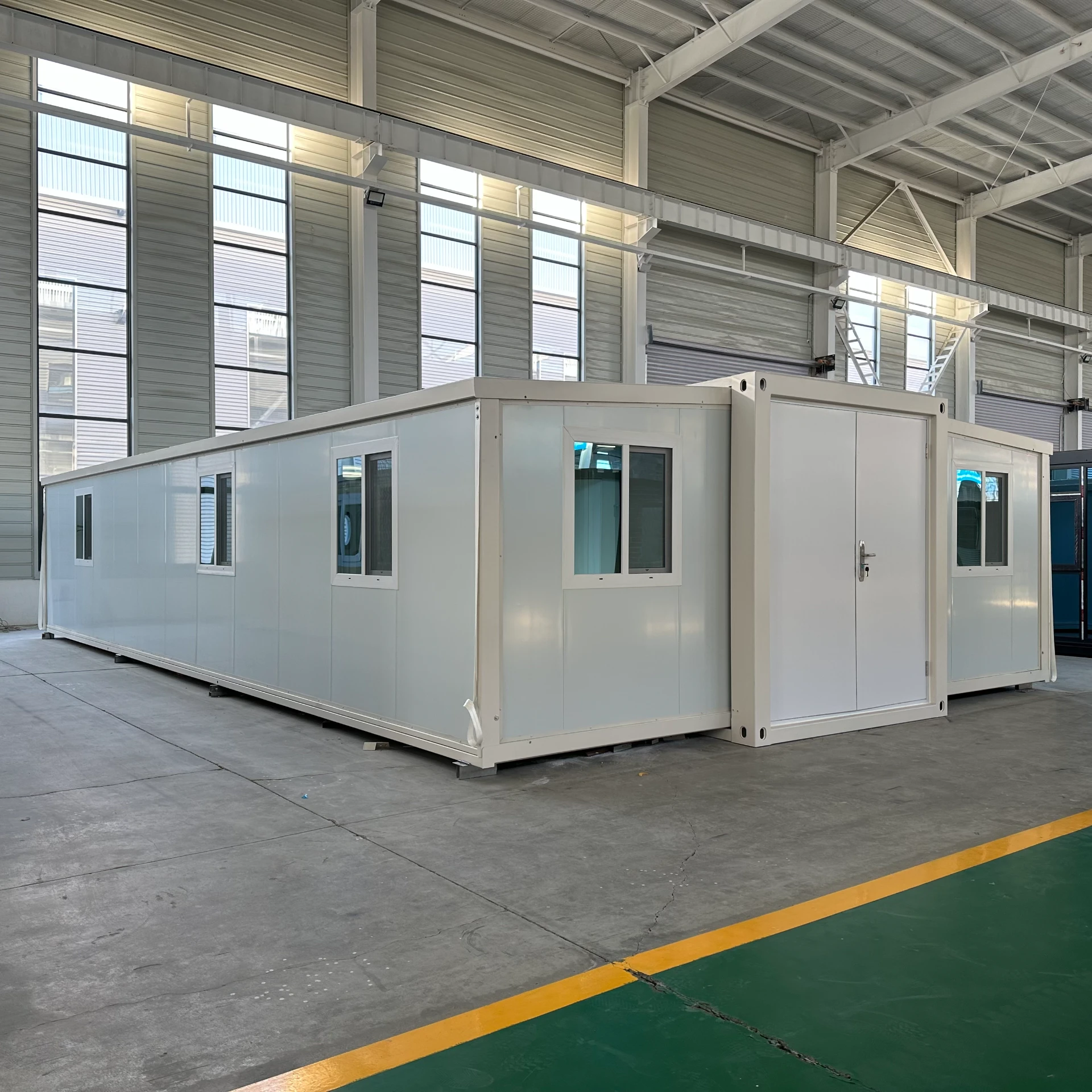
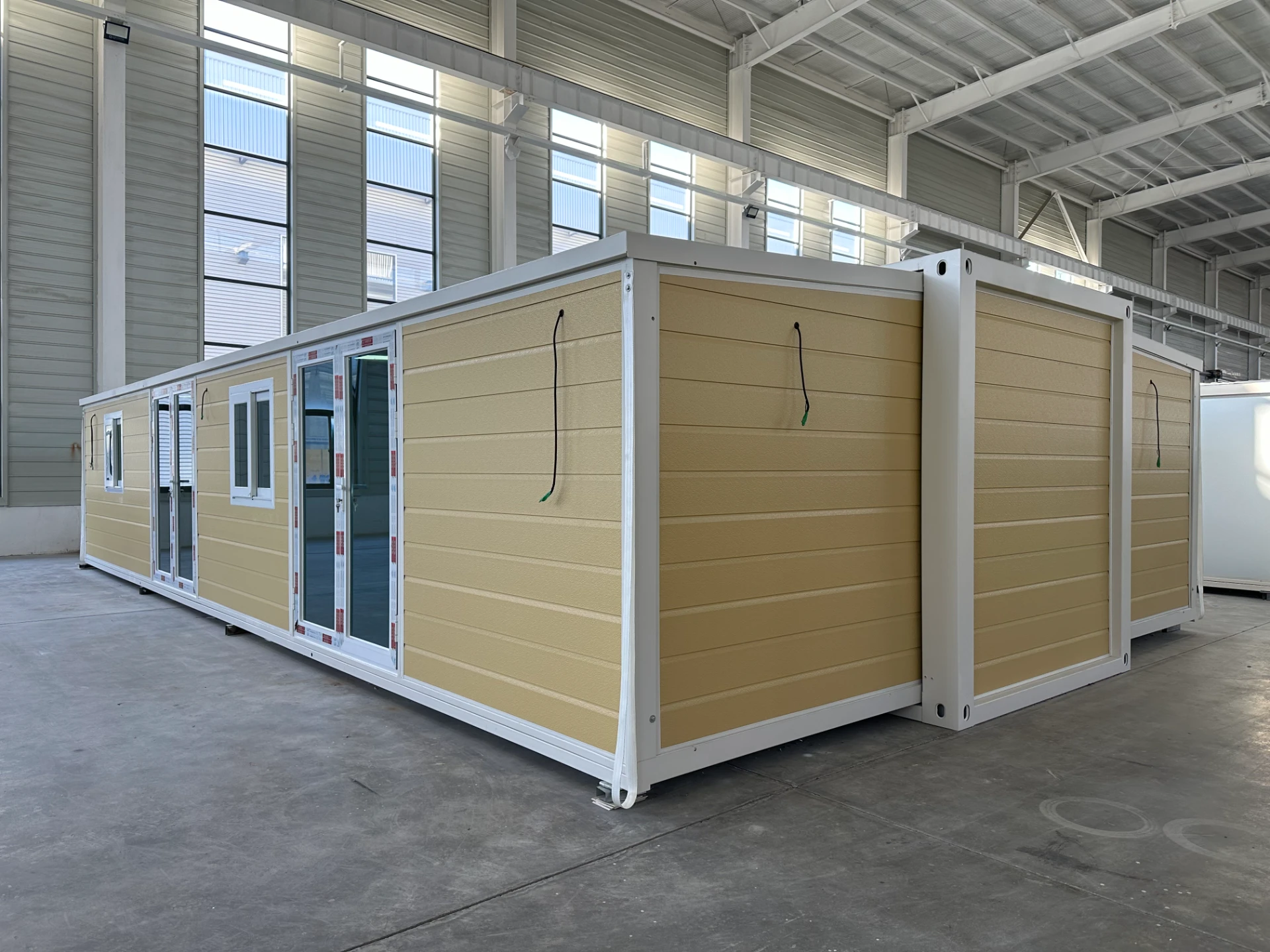
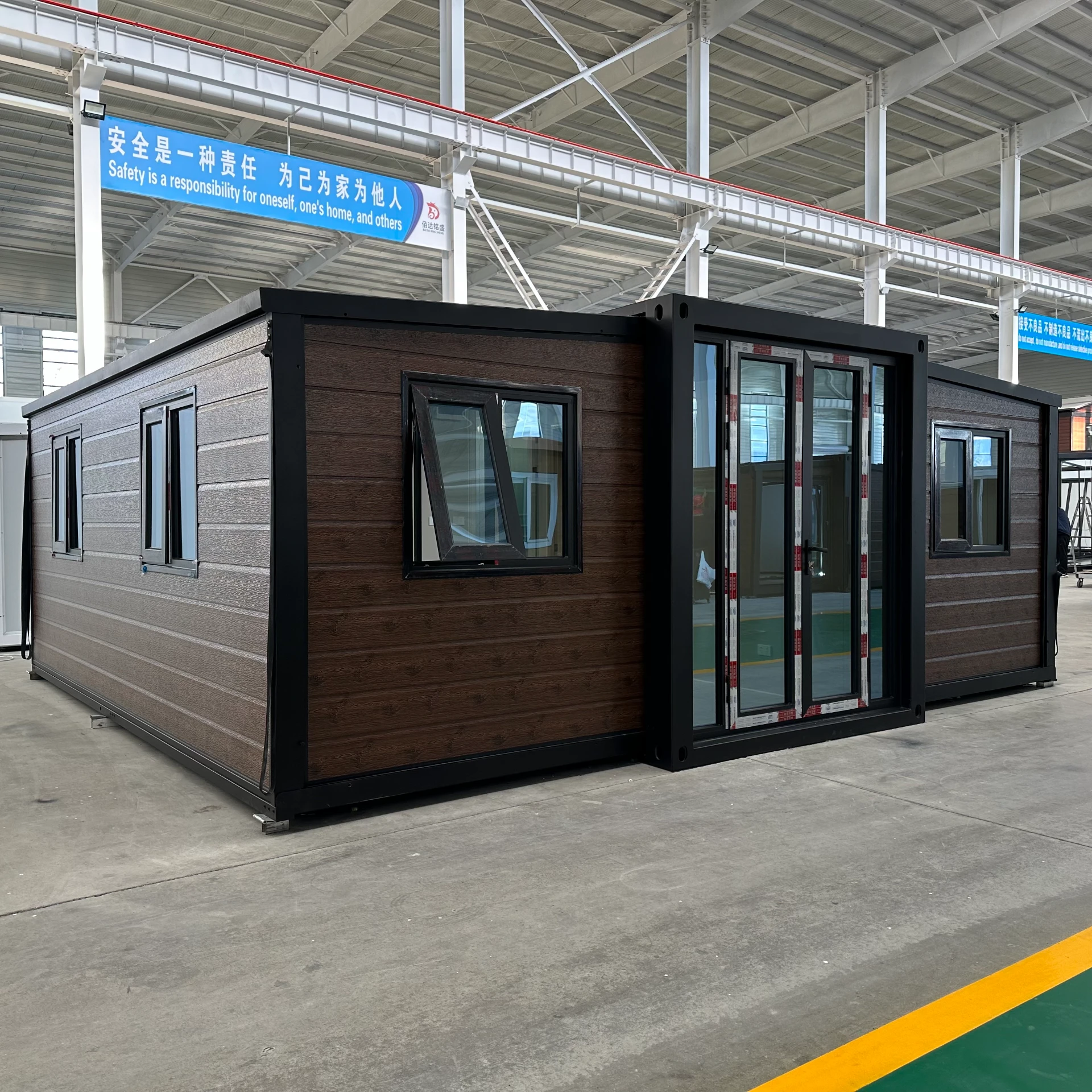
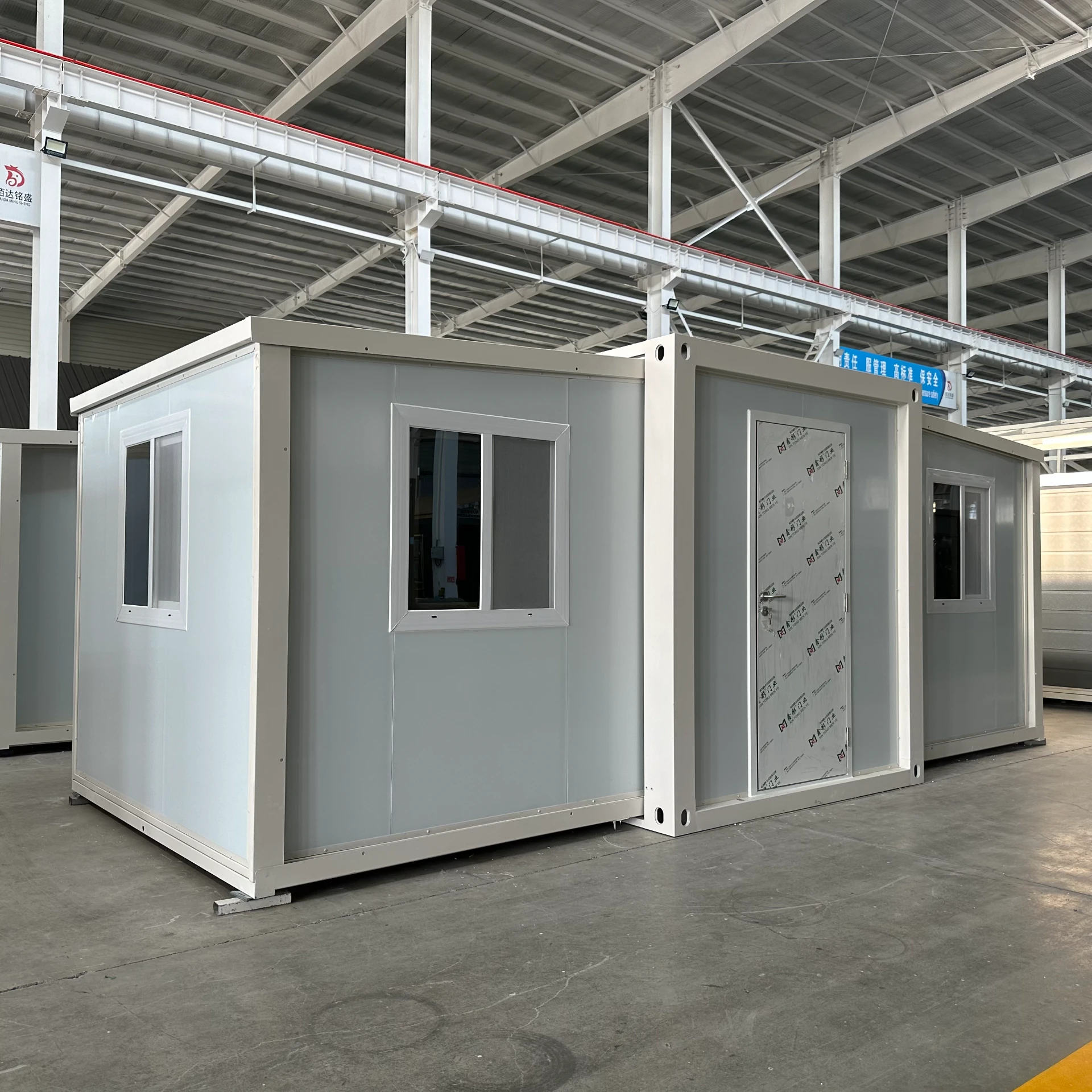
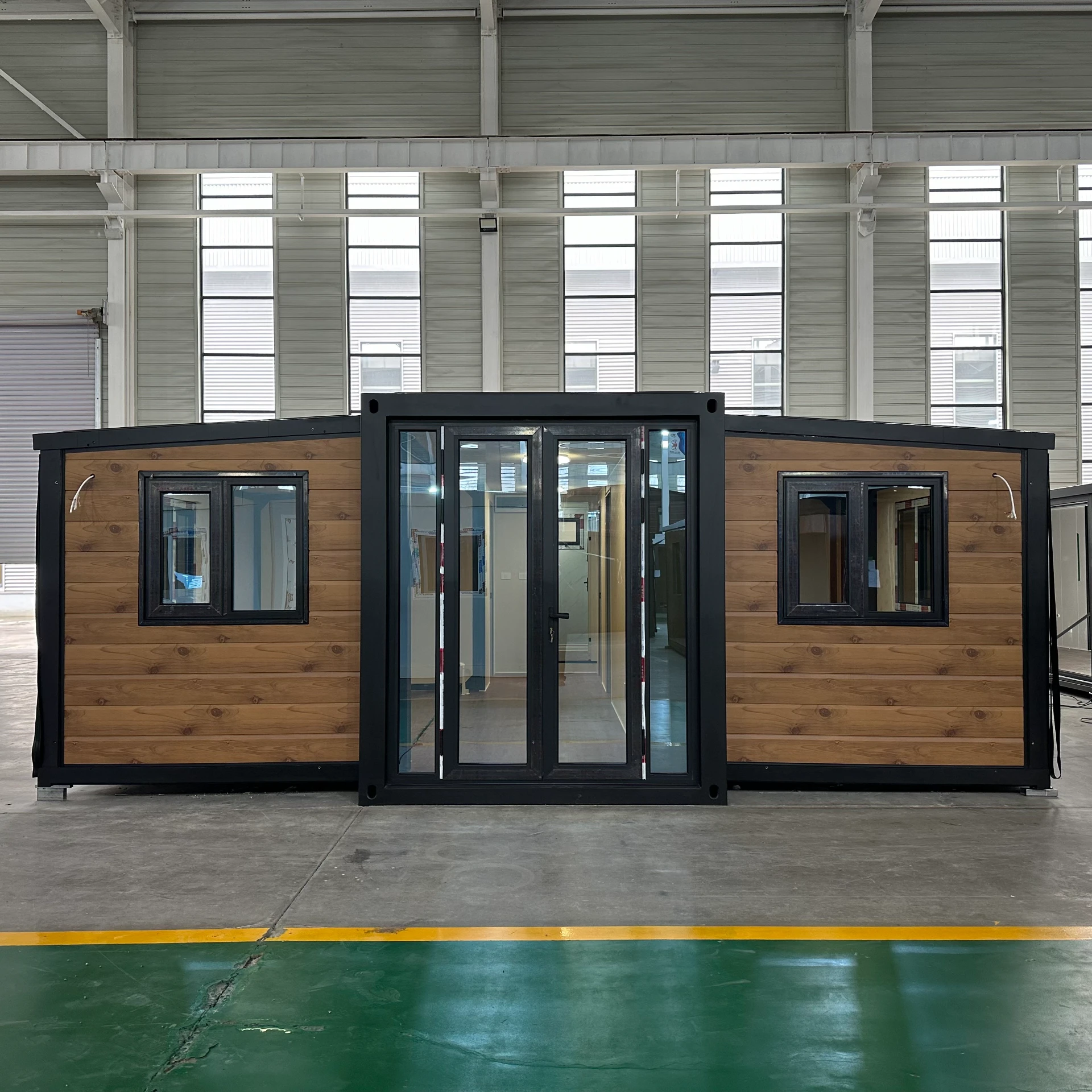
Egypt currently faces a dual challenge of rapid urban population growth and the need for temporary infrastructure in remote desert development zones. Traditional concrete construction is often too slow and costly for emergency housing or temporary site offices, leading to a surge in demand for the house foldable concept which minimizes on-site labor.
The extreme thermal fluctuations of the Egyptian climate—characterized by intense solar radiation and sandstorms—require metal structures with superior galvanization and thermal insulation. Current market trends show a shift toward high-grade steel frames that can withstand corrosive saline environments near the Mediterranean and Red Sea coasts.
Logistical constraints in rural Egypt make the house folding mechanism highly attractive. By reducing the shipping volume, developers can significantly lower transportation costs and accelerate the setup of worker camps for the New Administrative Capital and other national projects.