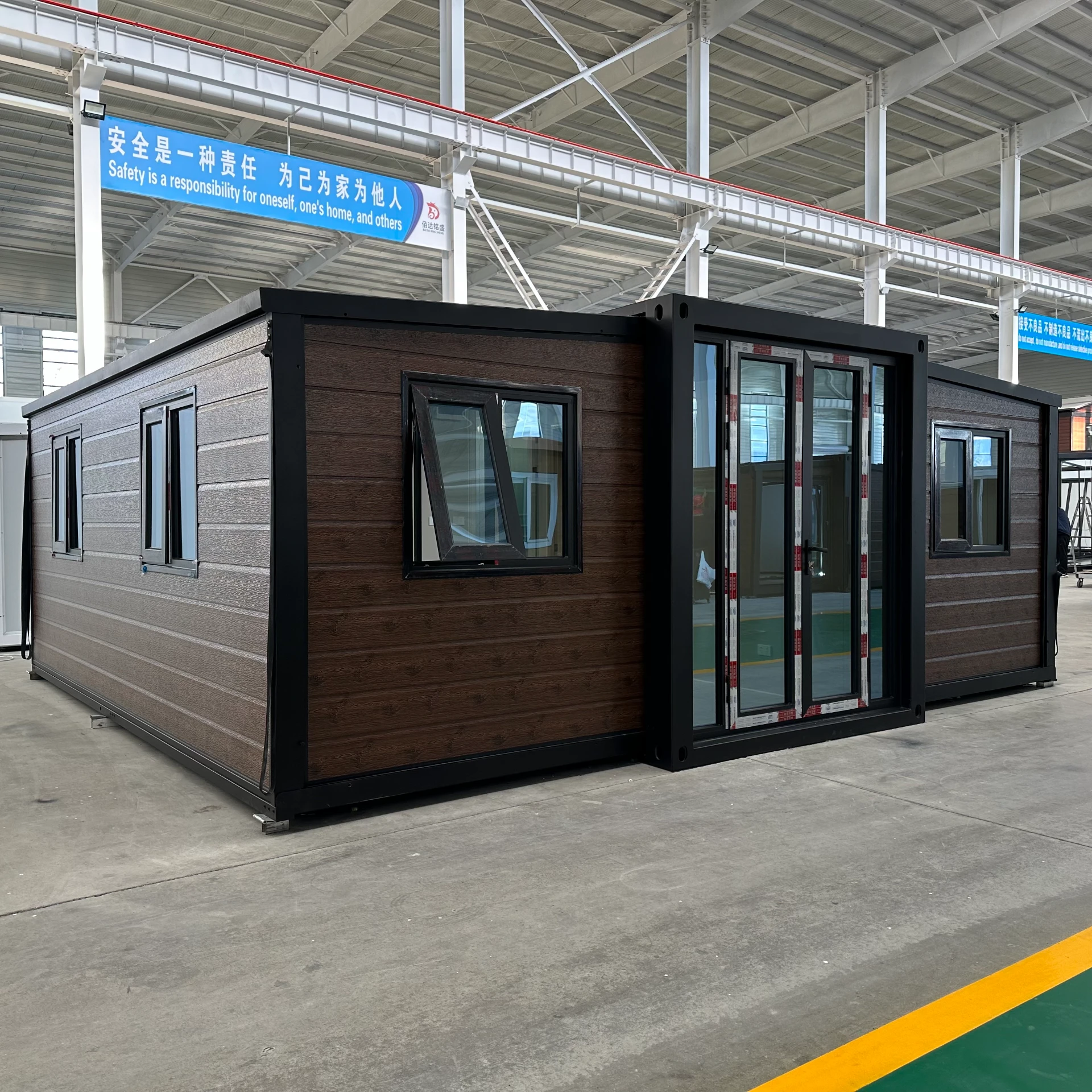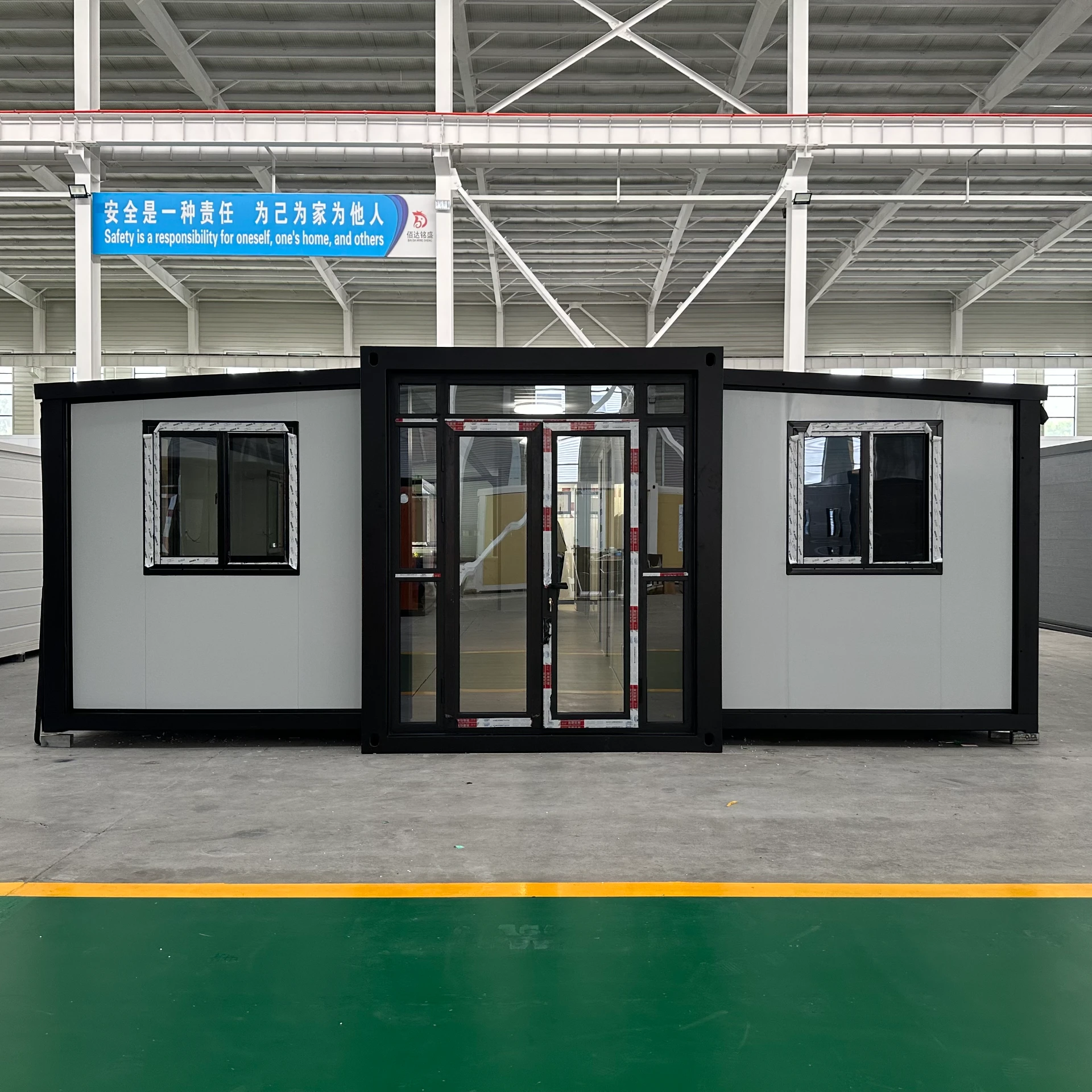
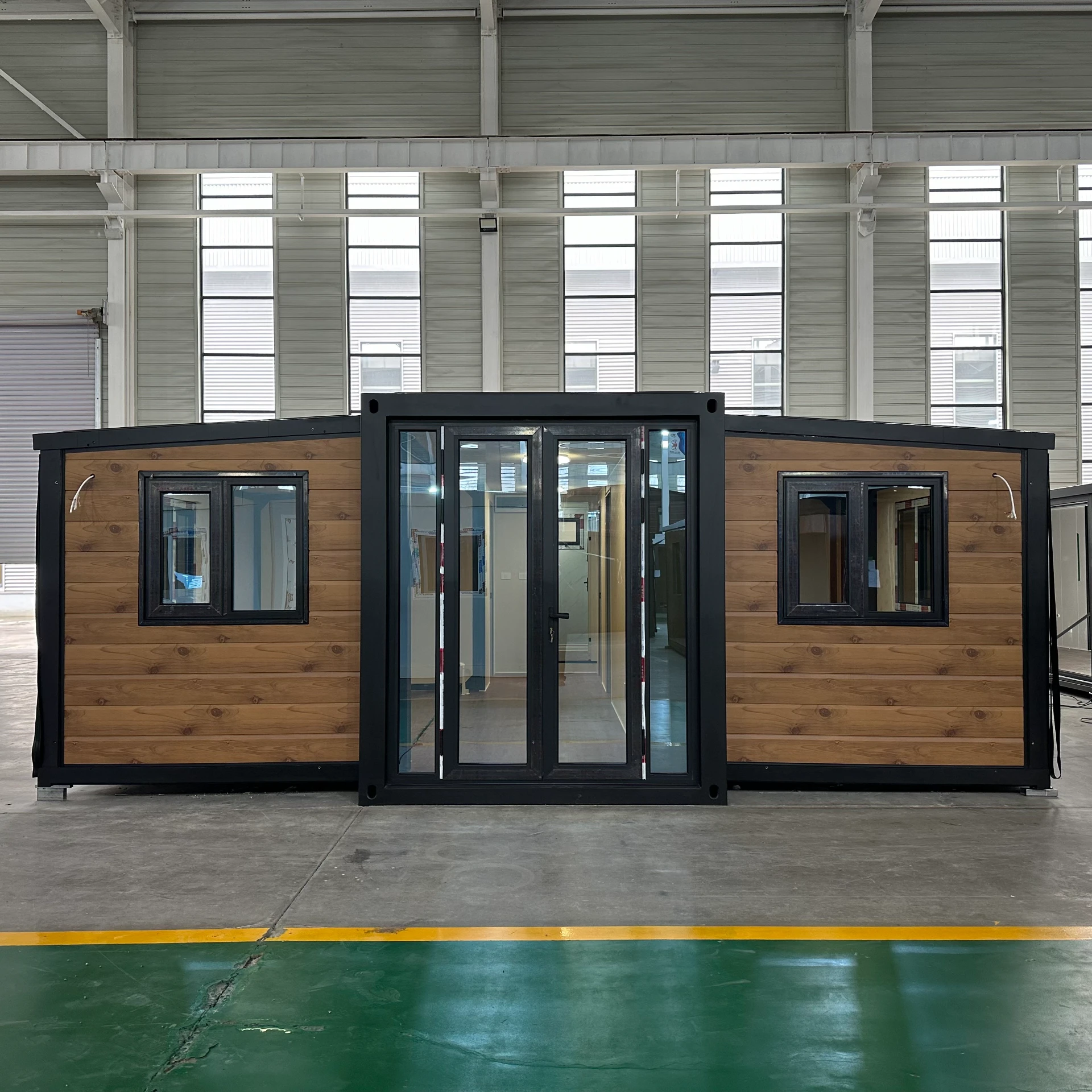
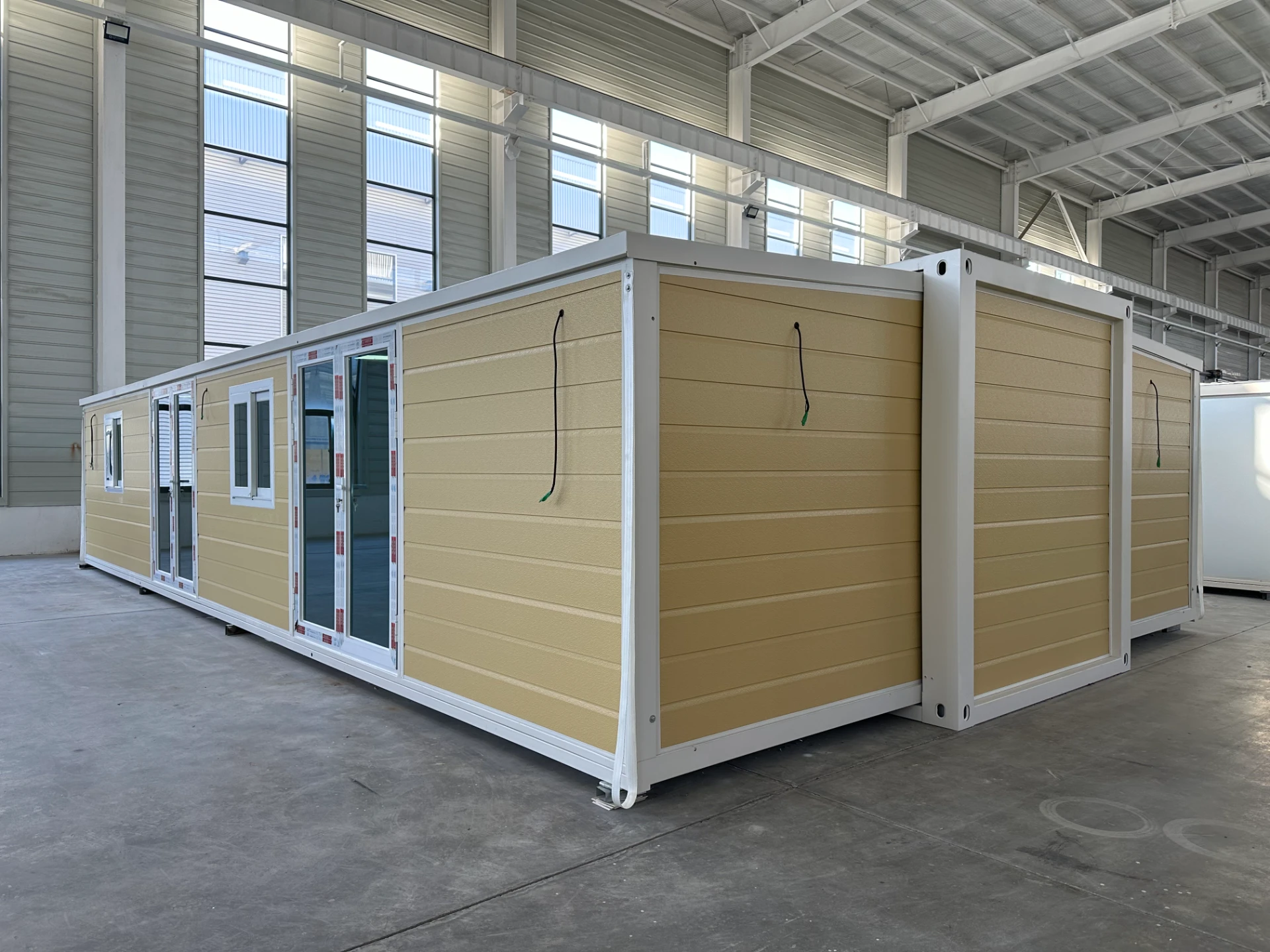
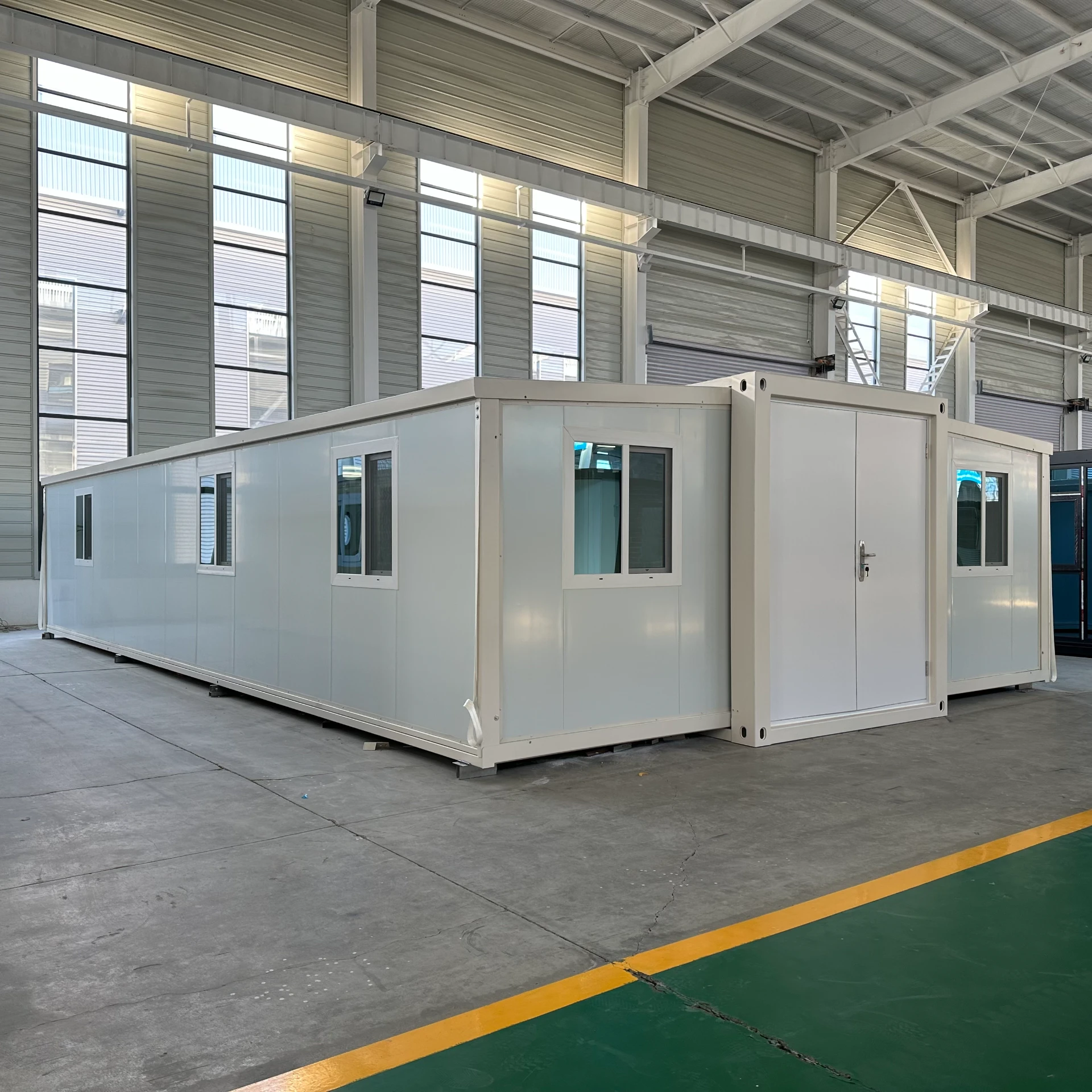
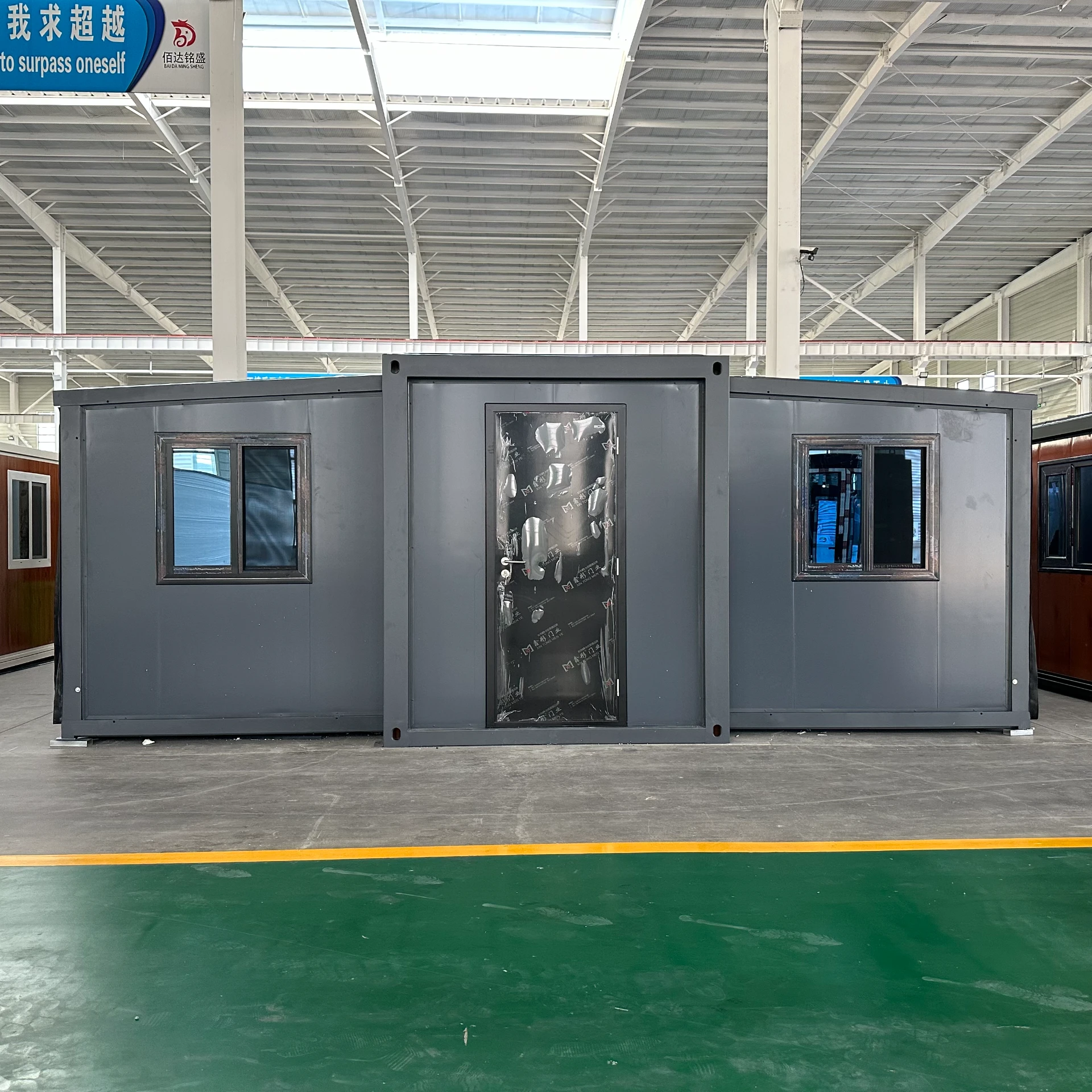
New Zealand's construction sector is currently facing a critical shortage of affordable housing and temporary worker accommodations, particularly in remote regions. The adoption of the foldout house has surged as a viable response to the high cost of traditional on-site labor and the volatility of local building material supply chains.
Geographically, the diverse climate of New Zealand—from the humid coasts to the alpine regions—requires metal structures that can withstand high wind loads and seismic activity. This has led to a demand for heavy-duty galvanized steel frames that ensure a house foldable system remains structurally sound after multiple deployment cycles.
Economically, the push for "tiny living" and sustainable urban density in cities like Auckland and Wellington has integrated house folding technology into residential backyard extensions, providing a fast-track alternative to lengthy council permit processes for permanent builds.