
Advanced modular folding homes for the Netherlands Market

Engineered metal structures delivering rapid deployment, energy efficiency, and sustainable living solutions tailored for Dutch urban and rural landscapes.

Advanced modular folding homes for the Netherlands Market

Integrating precision metal fabrication with foldable architecture to solve the Dutch housing crisis through scalable, high-quality structural engineering.

Current State of Prefabricated Metal Structures in the Netherlands

Analyzing the intersection of high land costs and innovative metal construction.

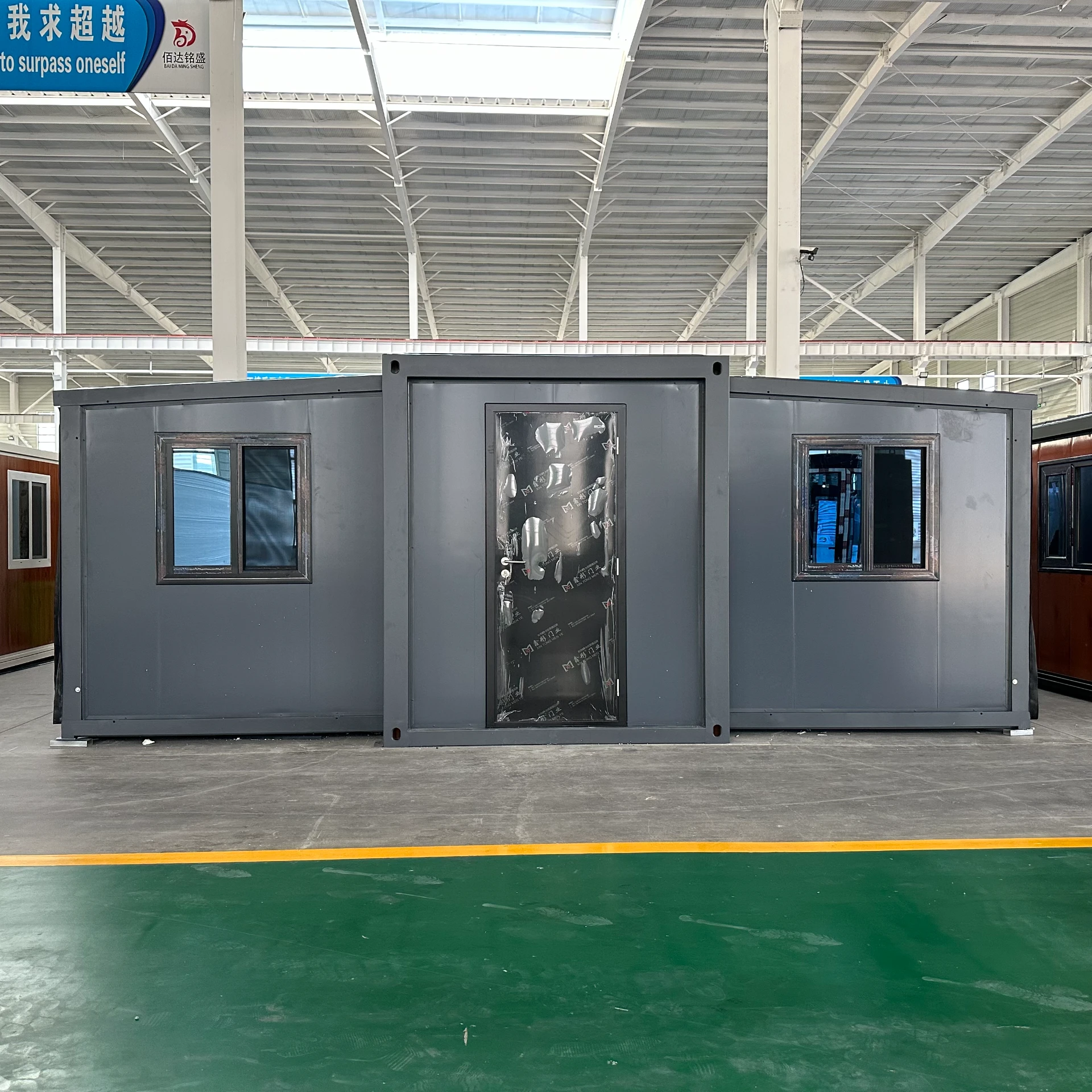
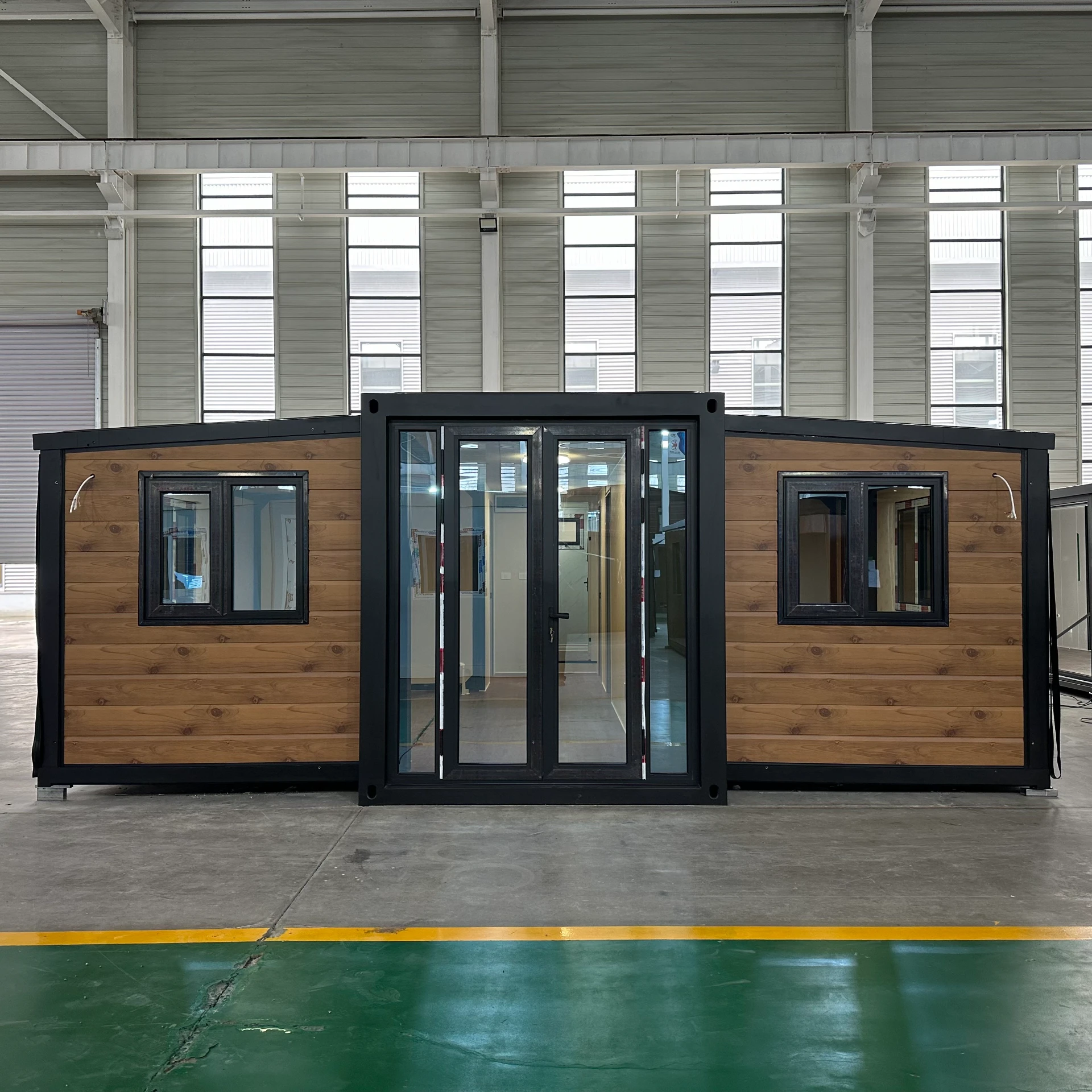
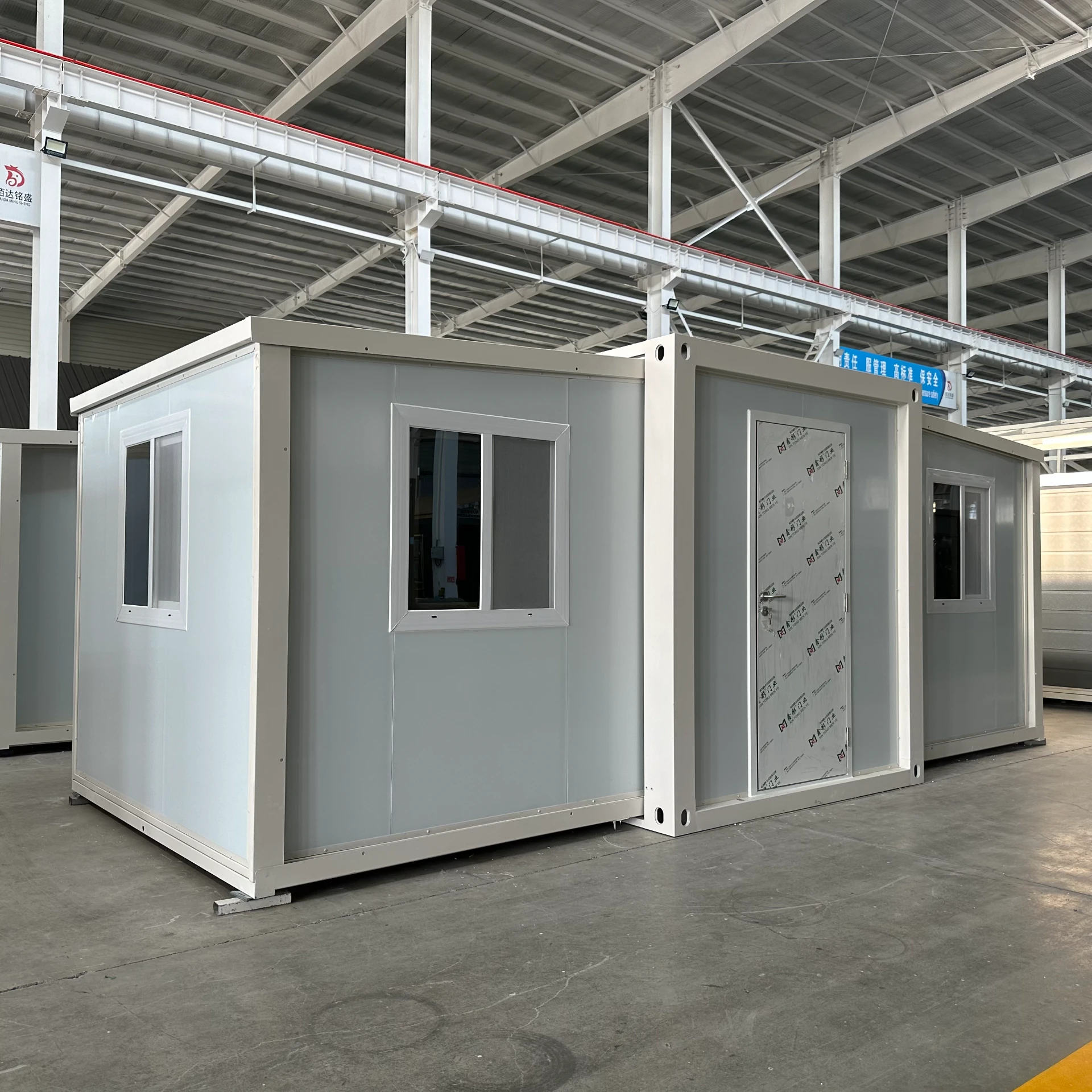
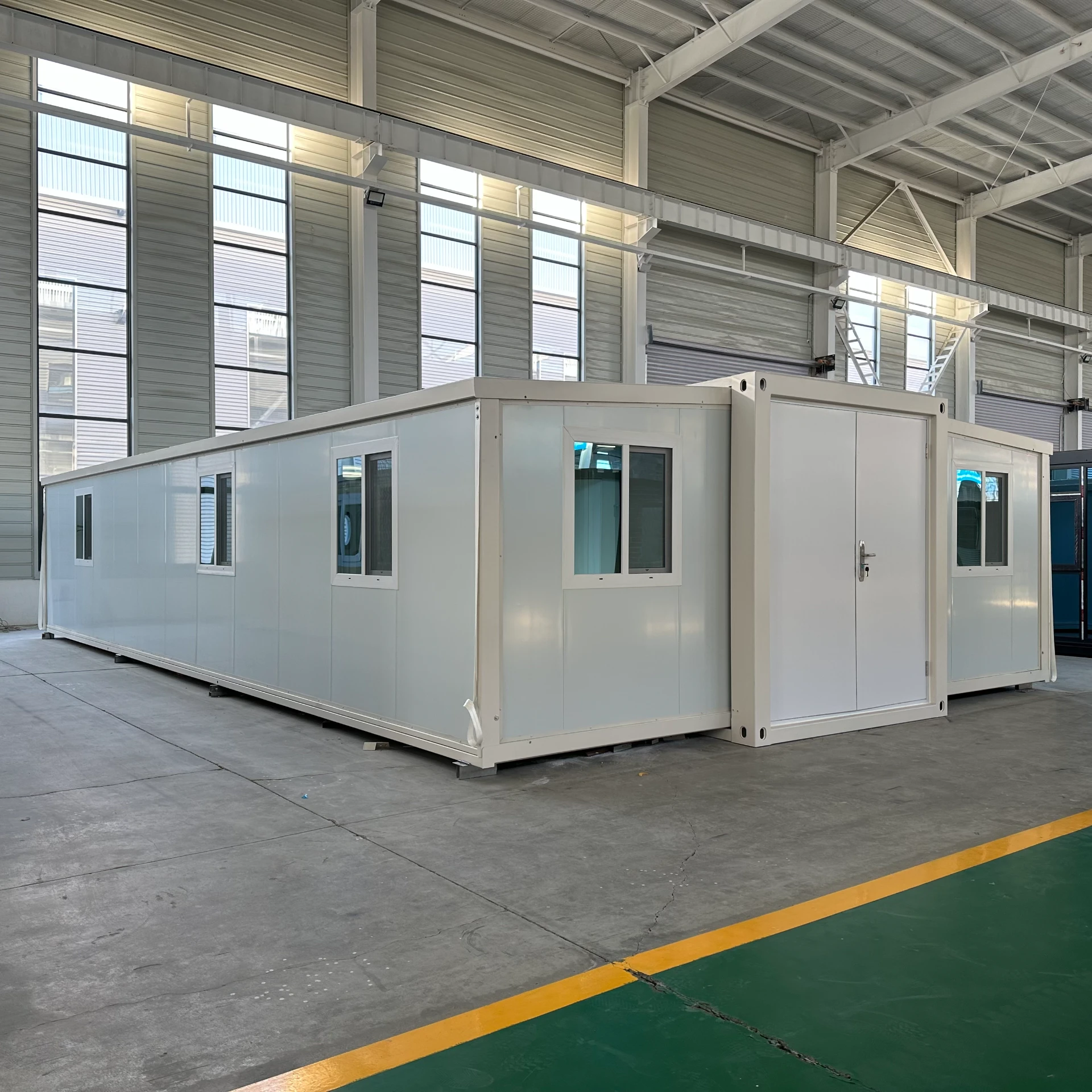
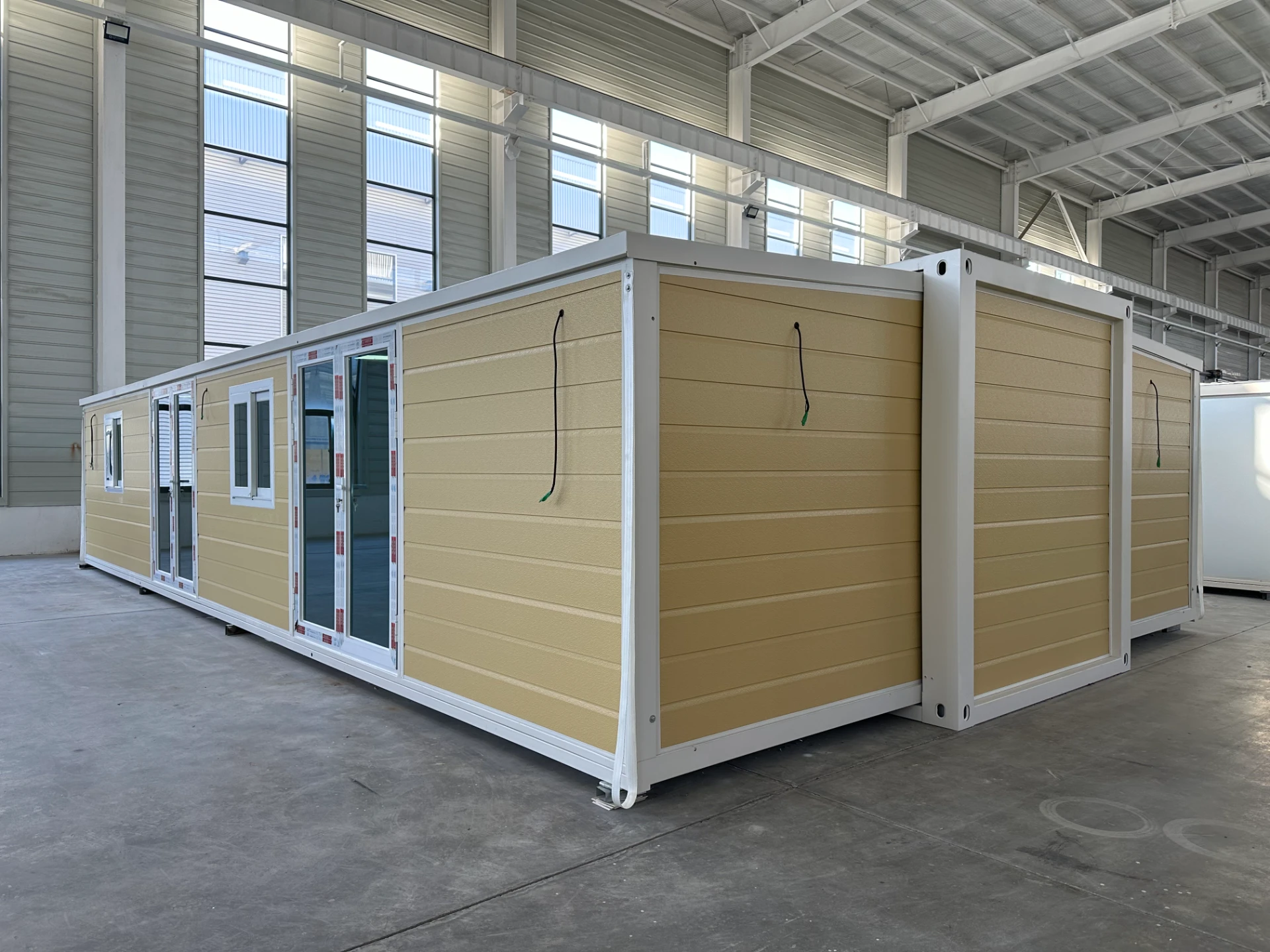
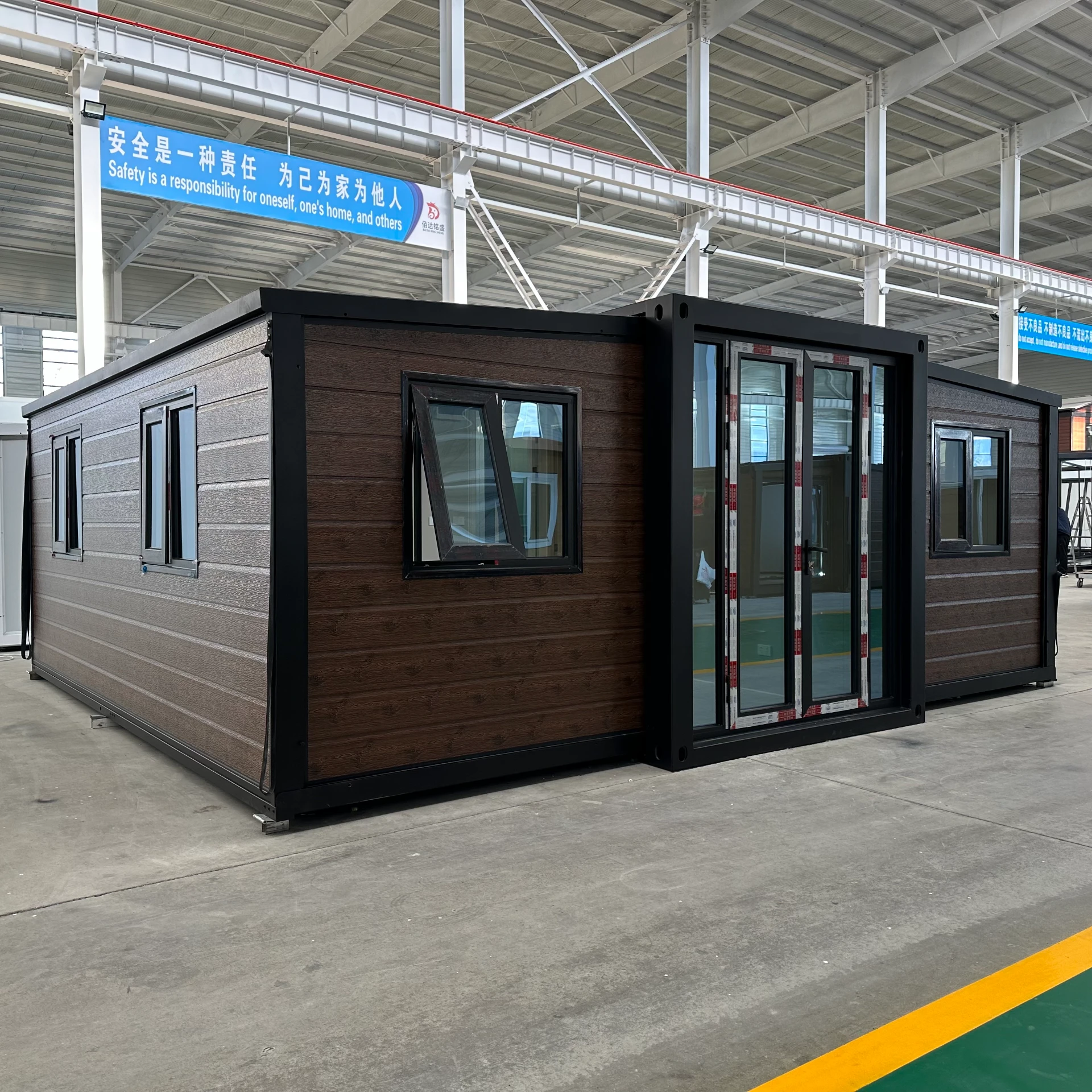
The Netherlands faces a unique challenge where extreme population density meets a complex water-management landscape. In this environment, the demand for a mobile folding house has surged as a response to the critical shortage of affordable housing and the need for flexible temporary structures in polder regions.

Current market dynamics show a shift toward lightweight, corrosion-resistant galvanized steel frameworks. Because of the humid North Sea climate, Dutch construction standards demand rigorous thermal insulation and moisture barriers, pushing the evolution of the foldout house from a simple shelter to a high-performance living space.

Economically, the Dutch "Circular Economy" mandate is forcing manufacturers to prioritize recyclable metal components. This has made the adoption of modular systems more attractive than traditional masonry, as they offer lower carbon footprints and significantly reduced on-site construction waste.
Evolution of Folding Metal Architecture

From basic industrial containers to sophisticated residential folding systems.

Market Development History

Prior to 2010, the Dutch market relied heavily on static prefabricated containers. These were functional but lacked flexibility, requiring heavy machinery for every move and offering limited spatial optimization.

Between 2015 and 2020, the introduction of "intelligent hinges" and high-tensile steel alloys allowed for the first viable house folding mechanisms. This era saw the transition from manual assembly to semi-automated unfolding processes.

From 2021 to the present, the integration of CNC precision cutting and advanced sealing gaskets has transformed the house foldable concept into a permanent housing alternative, meeting strict Eurocode safety and energy certifications.

Future Development Trends

AI-Driven Spatial Optimization

Integration of smart sensors to automatically adjust internal folding partitions based on occupancy and time of day.

Carbon-Neutral Metallurgy

Shift toward "green steel" produced via hydrogen reduction to meet the Netherlands' 2030 climate goals.

Rapid-Deploy Urban Hubs

Development of multi-story folding complexes that can be deployed in city centers within 48 hours to provide emergency housing.

Industry Trends and Future Outlook

Strategic projections for the metal structure manufacturing sector.

Modular Standardization
Standardizing chassis dimensions to ensure seamless compatibility across different folding modules globally.
High-Efficiency Insulation
Integrating vacuum insulation panels (VIP) within folding walls to exceed Dutch energy efficiency standards.
Automated Deployment
Replacing manual levers with hydraulic and electric actuators for one-touch house expansion.
Circular Lifecycles
Implementing "Product-as-a-Service" models where metal units are leased, refurbished, and recycled.

Industry Outlook

Based on current search trends in Europe, the move toward "tiny living" combined with "rapid deployment" is accelerating. We predict that the integration of folding metal structures into official urban planning will increase by 40% over the next 5 years.

The synergy between metal structural integrity and foldable logistics will make these homes the primary solution for both disaster relief and high-density urban expansion in the Netherlands.

Localized Application Scenarios in the Netherlands

Practical deployments across diverse Dutch environments.

01. Urban Infill Housing in Amsterdam

Utilizing narrow gaps between existing buildings to deploy vertical folding units, providing immediate affordable studios in high-demand city centers.

02. Agricultural Worker Housing in Greenhouse Districts

Deploying rapidly expandable living quarters for seasonal workers in the Westland region, ensuring weather-proof and sanitary conditions.

03. Waterfront Temporary Offices for Water Management

Deploying mobile units for Rijkswaterstaat projects, allowing engineers to move their base of operations as flood defense work progresses.

04. Eco-Tourism Cabins in the Veluwe

Low-impact, foldable luxury cabins that can be installed without permanent concrete foundations, preserving the natural forest floor.

05. Emergency Crisis Shelters for Disaster Relief

Strategic stockpiling of folding units for rapid deployment in case of North Sea surge events or infrastructure failure.

Brand Story

Global Development Process of Hebei Yanchun Gongxiang Technology Co., Ltd.

Foundation of Precision

Established with a focus on high-strength metal fabrication, solving the industry pain point of structural instability in portable buildings.

Innovation in Folding

Developed the proprietary hinge-locking system that allows for seamless expansion without compromising the structural integrity of the steel frame.

European Standard Adaptation

Overcame technical barriers to meet EU CE certifications and Dutch thermal insulation requirements for residential structures.

Sustainable Expansion

Integrated recyclable materials and solar-ready roof designs to align with the global transition toward green building.

Global Leadership

Today, we provide the Netherlands and the world with the most reliable, rapid-deploy folding metal structures in the industry.

Complete Modular Solutions for the Netherlands

Our full range of foldable metal structures designed for Dutch climate and regulation.

Frequently Asked Questions - Netherlands Region

Technical and regulatory answers regarding folding metal homes.

Are these modular folding homes compliant with Dutch building codes?

Yes, our structures are engineered to meet Eurocode standards and can be customized to comply with the "Bouwbesluit" (Dutch Building Decree) regarding safety, ventilation, and energy efficiency.

How does a mobile folding house handle the humid Dutch coastal climate?

We use hot-dip galvanized steel and high-grade anti-corrosion coatings specifically designed for maritime environments to prevent rust and degradation.

What is the setup time for a typical foldout house unit?

Depending on the model, a standard unit can be unfolded and secured in 10 to 60 minutes with minimal manpower, significantly reducing labor costs.

Can house folding systems be stacked for multi-story use?

Our structural engineers design high-load capacity frames that allow for secure stacking of multiple modular units, provided a stable foundation is present.

How energy-efficient is a house foldable compared to traditional builds?

By utilizing integrated sandwich panels and advanced thermal breaks in the metal frame, our homes achieve high R-values, reducing heating costs during Dutch winters.

Is transportation cost reduced with modular folding homes?

Absolutely. Because they fold into a compact footprint, we can transport multiple units in a single shipment, drastically lowering the logistics cost per square meter.

Consult Our Metal Structure Experts

Ready to revolutionize your space in the Netherlands? Contact us for a technical consultation and customized quote.

Contact Us Now
Hebei Yanchun Qianjian Technology Co., Ltd. focuses on supply chain platform operation services and is committed to promoting Chinese made products in domestic and international markets.
Read More About >>
Address:4th Floor, Yanhua Building, Jianshe North Street, Qiaodong District, Shijiazhuang City, Hebei Province, China

If you are interested in our products, you can choose to leave your information here, and we will be in touch with you shortly.