
Choosing the Right Portable Power Generator for Home Use and Safety
Choosing the Right Portable Power Generator for Home
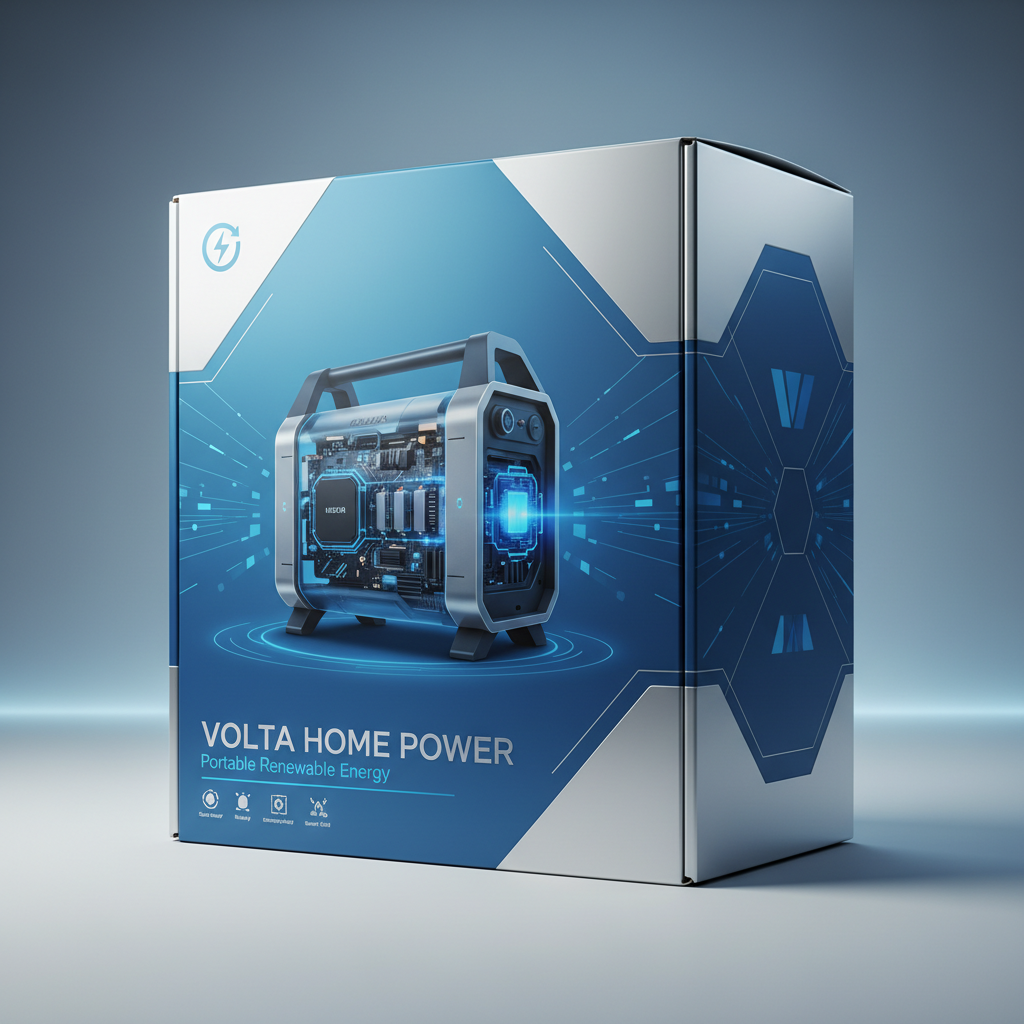
Unexpected power outages can disrupt daily life, impacting everything from essential appliances to critical medical equipment. A portable power generator for home provides a reliable backup solution, ensuring you stay connected and comfortable during emergencies. This article will guide you through the essential considerations when selecting a generator, helping you find the perfect fit for your needs and budget. We’ll explore different types of generators, power requirements, safety features, and factors to consider for long-term reliability.
Understanding Your Power Needs
Before purchasing a generator, it's crucial to determine your power requirements. This involves calculating the total wattage of the appliances and devices you need to run during an outage. Start by listing all essential items like refrigerators, freezers, lights, medical devices, and communication equipment. Then, check the wattage label on each appliance. Some appliances require a surge wattage (initial power burst when starting) higher than their running wattage. You’ll need to account for both to avoid overloading the generator. A properly sized generator will operate efficiently and prevent damage.
Types of Portable Power Generators
Several types of portable generators are available, each with its own advantages and disadvantages. Conventional generators are typically the most affordable but can be noisy and less fuel-efficient. Inverter generators produce cleaner power, making them safe for sensitive electronics like laptops and smartphones. They’re also quieter and more fuel-efficient, but generally more expensive. Dual-fuel generators offer the flexibility of running on both gasoline and propane, providing convenience and extended runtimes. Choosing the right type depends on your budget, power needs, and tolerance for noise.
Key Considerations: Inverter generators are ideal for sensitive electronics. Dual-fuel generators provide flexibility, while conventional generators offer the most budget-friendly option.
Portable Power Generator for Home: Key Features & Comparison
When evaluating portable power generators for home, consider features like runtime, noise level, portability, and safety mechanisms. Runtime is the length of time the generator can operate on a single tank of fuel. Noise level, measured in decibels (dB), is important for residential use. Portability is determined by the generator’s weight and the presence of wheels or handles. Safety features, such as automatic voltage regulation (AVR) and low-oil shutdown, are crucial for protecting both the generator and your appliances.
Safety First: Generator Operation and Maintenance
Operating a generator safely is paramount. Never run a generator indoors or in enclosed spaces to avoid carbon monoxide poisoning. Ensure proper ventilation when using a generator outdoors. Store fuel in approved containers away from heat sources. Regular maintenance, including oil changes, air filter cleaning, and spark plug replacement, will extend the generator's lifespan and ensure optimal performance. Always refer to the manufacturer’s manual for specific maintenance recommendations. Proper safety measures are essential for protecting yourself and your property.
Finding the Right Generator with Yanchungongxiang
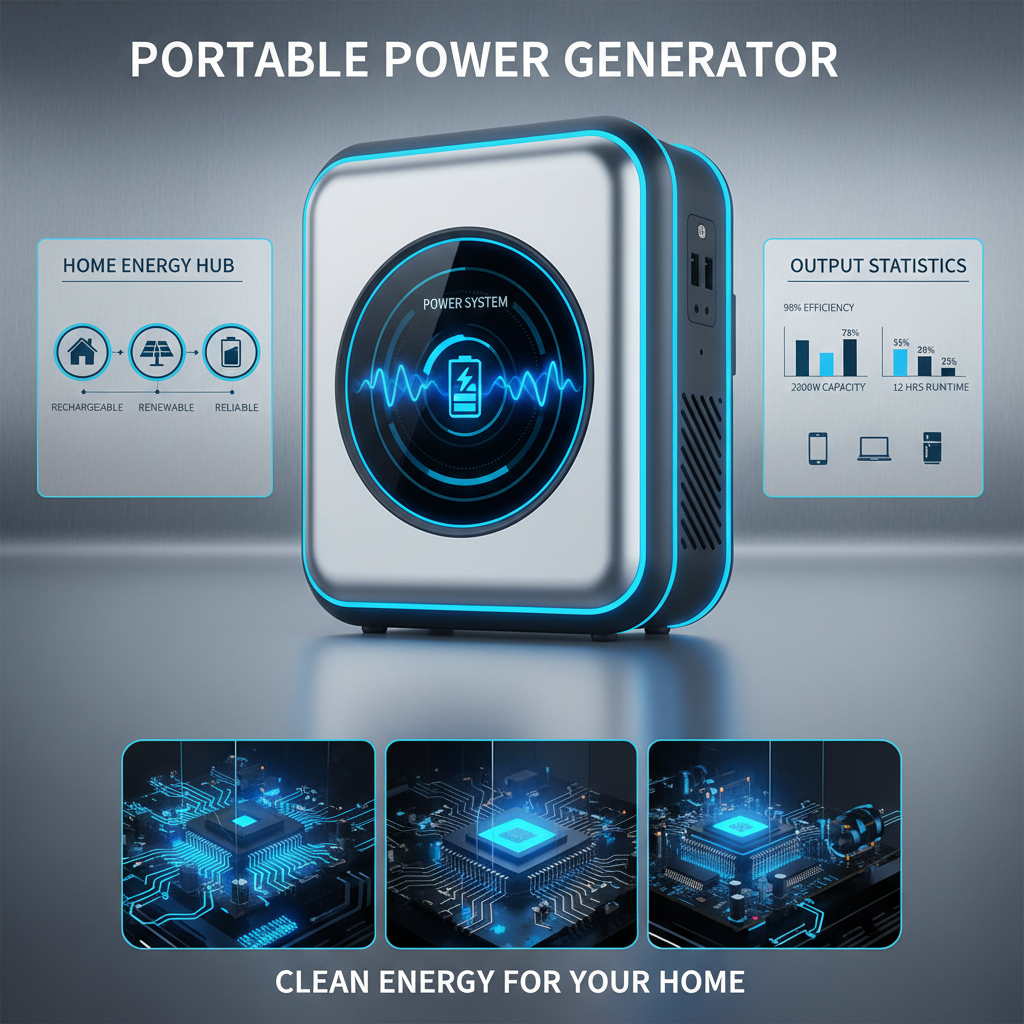
At Yanchungongxiang, we offer a comprehensive selection of portable power generators for home to meet diverse needs. Our experienced team can help you determine the appropriate generator size and type based on your power requirements and budget. We prioritize quality and safety, offering generators from trusted brands with advanced features and reliable performance. Explore our range today and ensure you're prepared for any power outage!
Conclusion: Powering Your Peace of Mind
Investing in a portable power generator for home is a smart decision for ensuring comfort, safety, and peace of mind during power outages. By carefully assessing your power needs, choosing the right type of generator, and prioritizing safety, you can be prepared for any emergency. Browse our selection at Yanchungongxiang and find the perfect generator for your home.
Frequently Asked Questions (FAQs)
What size generator do I need for my home?
Determining the right generator size depends on your power needs. Start by calculating the total wattage of the appliances you want to run simultaneously. Add up the running wattage of each appliance. Then, identify any appliances with higher surge wattage requirements (like refrigerators or air conditioners) and factor those in as well. A good rule of thumb is to add a 20% buffer to the total wattage to account for potential fluctuations and ensure the generator isn't overloaded. If you're unsure, it's always better to err on the side of a slightly larger generator. Contacting us at Yanchungongxiang can provide personalized recommendations.
How long can I run a portable generator continuously?
Most portable generators are designed for intermittent use. While they can run for several hours, continuous operation at full capacity is not recommended. Typically, you can run a generator for 8-12 hours on a full tank of fuel, but it's essential to allow it to cool down periodically. Always consult the generator's manual for specific recommendations on runtime and duty cycle. Proper maintenance, such as regular oil changes, is crucial for maximizing the generator's lifespan and ensuring reliable performance.
Can I connect my generator directly to my home's electrical panel?
Connecting a generator directly to your home's electrical panel requires a transfer switch. Never backfeed power into your electrical system without a properly installed transfer switch, as this can create a dangerous situation for utility workers and potentially damage your appliances. A transfer switch safely isolates your home's electrical system from the utility grid while allowing you to power essential circuits with the generator. It is highly recommended to have a qualified electrician install the transfer switch to ensure it meets local codes and safety standards.
What is the best fuel type for a portable generator?
The best fuel type depends on your priorities. Gasoline is readily available but has a shorter shelf life and can be more expensive. Propane is a cleaner-burning fuel with a longer shelf life, but it may require a propane tank and regulator. Dual-fuel generators offer the flexibility of using either gasoline or propane, providing convenience and extended runtime options. Consider the availability, cost, and storage requirements of each fuel type when making your decision. You can find options for all fuel types at Yanchungongxiang.