
Elevator Intelligent Controller JT-2000C-8/JT-2000C-16—Why?
Field Notes: Why the Elevator Intelligent Controller JT-2000C-8/JT-2000C-16 is quietly winning retrofit projects
Elevator control is having a moment. Between modernization pushes and stricter safety rules, facility managers are quietly replacing legacy relay banks with compact, networkable brains. To be honest, I’ve seen a dozen contenders this year, but the Elevator Intelligent Controller JT-2000C-8/JT-2000C-16 keeps showing up in RFQs—largely because it’s practical, not flashy. It powers up on DC9–30V, handles fire/manual inputs at the same voltage, and (surprisingly) behaves nicely with both 8- and 16-landing configurations without forcing a cabinet redesign.
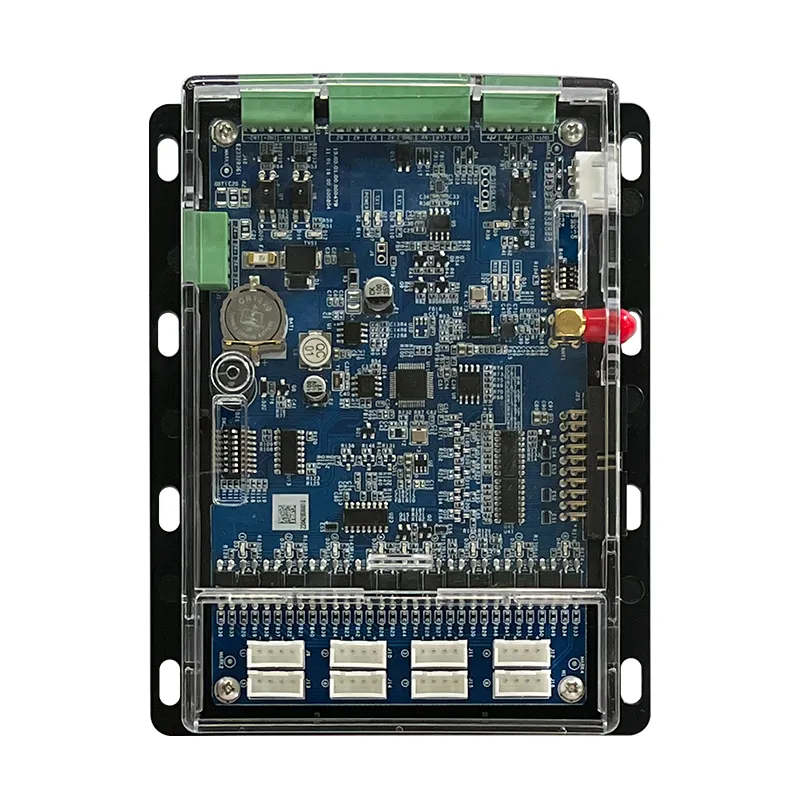
Industry snapshot
Trend-wise, we’re seeing fast adoption of compact DC-powered controllers that meet EN 81-20/50 and EMC requirements, plus simple hooks for remote diagnostics. Facility teams want less downtime, easier wiring, and firmware that doesn’t feel experimental. This is where Elevator Intelligent Controller JT-2000C-8/JT-2000C-16 lands: solid, documented, and not fussy.
Quick spec snapshot
| Model | JT-2000C-8 (8 landings), JT-2000C-16 (16 landings) |
| Input voltage | DC 9–30 V (recommend DC12V or DC24V) |
| Manual/Fire input | Same as input voltage (12V/24V typical) |
| Power draw | ≈ 5–12 W (real‑world use may vary) |
| Operating temp | ≈ −20 °C to +60 °C (non‑condensing) |
| EMC/Safety | Designed for EN 12015/12016, aligns with EN 81-20/50 practices |
| Service life | MTBF ≈ 100,000 h (bench estimate) |
| Certifications | CE, RoHS, CCC (model/region dependent) |
Where it fits
- Modernization of mid-rise residential and office elevators (8–16 stops)
- Hospitals and schools needing clean fireman’s service integration
- Industrial plants where 24V DC control power is standard
- Retrofits where panel space is tight and wiring must be straightforward
Manufacturing & verification flow (how it’s built to last)
Materials: FR‑4 PCB, industrial‑grade ICs, conformal coating (select lots), pluggable terminals. Methods: SMT reflow with AOI, selective wave solder, 100% functional test. Testing: EMC per EN 12015/12016, insulation resistance, surge ±1 kV line‑line (typ.), burn‑in 8–24 h. Service life: components derated ≈30% for thermal margin. Industries served: real estate ops, municipal facilities, logistics hubs.
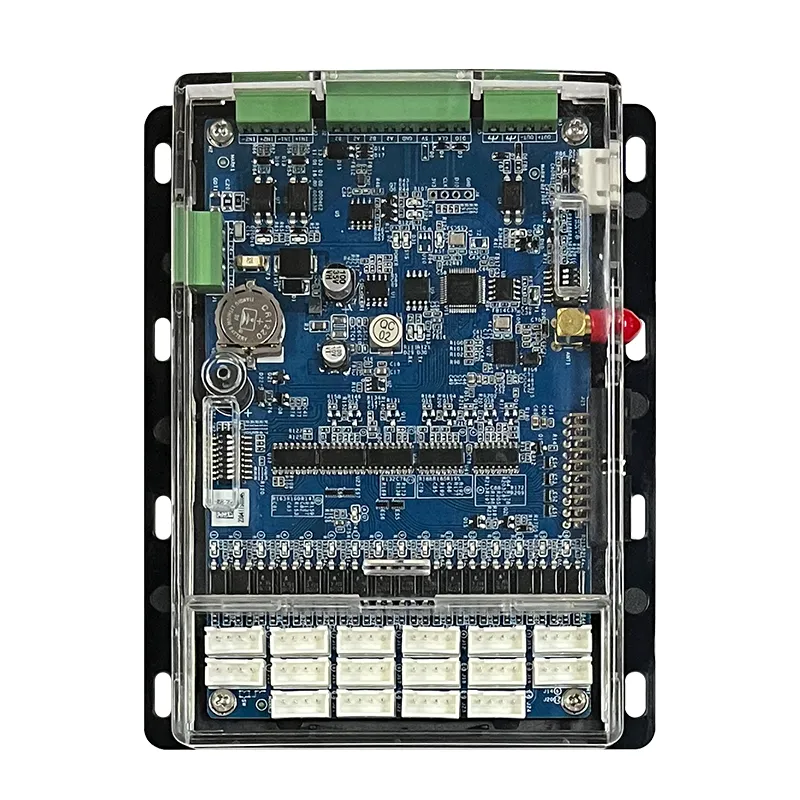
Real‑world feedback
“Wiring was… normal. In a good way,” one Shenzhen contractor told me. Another noted the fire recall input “just worked with 24V, no adapters.” It seems that installers value predictable behavior more than exotic features—fair point.
Case briefs
- Tier‑2 city office block: 12‑stop retrofit, downtime cut ≈18%, thanks to simple DC bus and labeled terminals.
- Community hospital: 8‑stop bed elevator, stable fireman’s service at 24V; EMI complaints dropped to zero.
Vendor comparison (what buyers ask me most)
| Vendor | Strengths | Considerations |
|---|---|---|
| Yanchun Gongxiang (Factory Direct) | DC9–30V flexibility; clean fire/manual inputs; pragmatic pricing | Advanced IoT features are add‑on, not default |
| Generic A (EU brand) | Deep EN 81 documentation; expansive tooling | Higher unit cost; longer lead times |
| Generic B (Value line) | Low upfront price | Sparse EMC data; limited after‑sales |
Customization & integration
Options include custom I/O maps, car call/landing call expansion, CAN/RS‑485 gateways, and conformal‑coated boards for coastal sites. Documentation bundles are available to align with EN 81-20/50 risk assessments and local inspection checklists. Origin: 4th Floor, Yanhua Building, Jianshe North Street, Qiaodong District, Shijiazhuang City, Hebei Province, China.
If you need a dependable mid-range controller, Elevator Intelligent Controller JT-2000C-8/JT-2000C-16 strikes a good balance: modern enough to pass audits, simple enough to install on a Tuesday and hand over by Friday.
Authoritative citations
- EN 81-20/50: Safety rules for the construction and installation of lifts (CEN)
- EN 12015/EN 12016: Electromagnetic compatibility—Emission and immunity for lifts
- ISO 25745-2: Energy performance of lifts—Energy calculation and classification
- GB/T 7588-2020: Safety rules for construction and installation of lifts (China, harmonized with EN 81)