
Energy Storage Container System | Modular, Safe, Scalable
Energy Storage Container System is a key solution in the energy industry, specifically within the energy storage industry and the Containerized energy storage system segment. This article explores how Hebei Yanchun Qianjian Technology Co., Ltd. supports professionals with durable, high-performance products, and explains why this product is an ideal choice for businesses in these sectors.
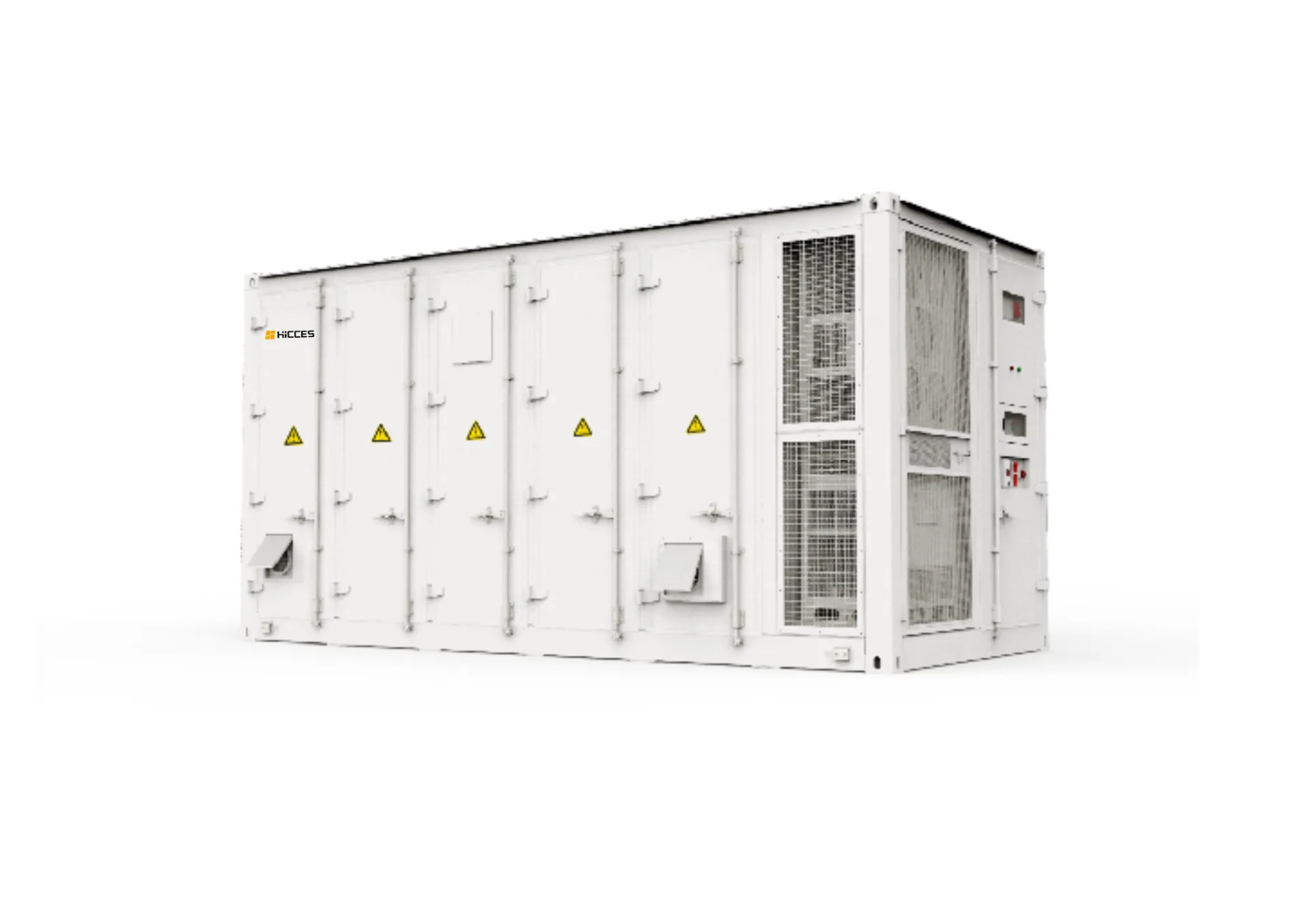
Table of Contents
- Energy Storage Container System Overview
- Benefits & Use Cases of Energy Storage Container System in Containerized energy storage system
- Cost, Maintenance & User Experience
- Sustainability & Market Trends in energy industry
- Conclusion on Energy Storage Container System from Hebei Yanchun Qianjian Technology Co., Ltd.
Energy Storage Container System Overview
An Energy Storage Container System packages battery modules, power conversion systems (PCS), battery and energy management (BMS/EMS), thermal management, fire safety, and switchgear into an ISO-grade enclosure for rapid deployment. For B2B decision makers, this format accelerates project delivery, simplifies permitting and logistics, and enables modular scaling from pilot assets to multi-megawatt-hour plants. In typical configurations, 20-foot containers can deliver approximately 1–3+ MWh of usable energy while 40-foot containers commonly support 3–7+ MWh, depending on cell chemistry, thermal design, and C-rate requirements. Round-trip efficiency is optimized by advanced controls and tightly integrated PCS, while smart EMS software provides real-time monitoring, forecasting, and dispatch.
- Technical highlights: LFP-based battery racks for safety and cycle life; DC bus 600–1500 V; PCS ratings from hundreds of kW to several MW; HVAC or liquid cooling; IP-rated enclosure; IEC/UL/NFPA-oriented design practices; grid integration via Modbus/TCP, IEC 61850, or DNP3.
- Operational ranges: wide ambient temperature engineering with redundant thermal and safety layers (gas detection, fire detection/suppression, emergency ventilation, and controlled shutdown sequences).
- Manufacturing assurance: Hebei Yanchun Qianjian Technology Co., Ltd. supports end-to-end engineering, factory acceptance testing, documentation, and commissioning assistance to de-risk schedules and ensure bankable performance.
Benefits & Use Cases of Energy Storage Container System in Containerized energy storage system
Containerized solutions excel where speed, scalability, and standardization matter. Utilities and IPPs deploy them for renewable firming, peak capacity, and frequency regulation. Commercial and industrial users leverage them for peak shaving, demand charge reduction, and backup power. Microgrids—at ports, campuses, mines, and remote communities—benefit from plug-and-play integration, black start capability, and resilient islanded operation. EV charging depots and data centers use containerized ESS to smooth grid impacts and maintain uptime during disturbances.
- Competitive advantages: rapid deployment (factory pre-integrated), smaller site footprint, simplified civil works, and streamlined interconnection—cutting EPC complexity and shortening time-to-revenue.
- Performance features: modular capacity expansion; configurable durations (2–8+ hours); advanced EMS for revenue stacking (arbitrage, ancillary services, capacity, and resilience) with secure remote monitoring.
- Sector expertise: Hebei Yanchun Qianjian Technology Co., Ltd. tailors container layouts, thermal strategies, and safety systems to project-specific grid codes and ambient conditions, enabling reliable performance across climates and markets.
Cost, Maintenance & User Experience
Total cost of ownership for an Energy Storage Container System is driven by energy capacity, power rating, thermal design, controls, and site conditions. Compared with bespoke buildings, containerized systems typically reduce engineering hours and on-site work, lowering capex and compressing schedules. Opex is contained through high-efficiency components, predictive maintenance, and modular replacements at rack or string level. When paired with value streams such as peak shaving, energy arbitrage, and ancillary services, projects often achieve attractive payback periods and strong long-term ROI.
- Durability: robust enclosures and redundant HVAC safeguard batteries, supporting multi-year performance warranties and lifecycle targets aligned with high-cycle LFP chemistries.
- O&M experience: asset owners value real-time dashboards, secure remote diagnostics, and automated alerts from the EMS, which minimize truck rolls and downtime.
- Customer feedback: energy storage industry stakeholders highlight faster commissioning, consistent dispatch accuracy, and simplified compliance documentation delivered by Hebei Yanchun Qianjian Technology Co., Ltd.’s standardized integration approach.
Sustainability & Market Trends in energy industry
As grids decarbonize, flexible capacity from storage is essential to integrate variable renewables, enhance reliability, and reduce curtailment. Containerized ESS aligns with evolving standards and best practices—such as NFPA 855 for installations, UL 9540/9540A for system and thermal propagation testing, and IEC frameworks—helping owners streamline permitting and stakeholder engagement. Global policy momentum, corporate net-zero targets, and electrification are accelerating adoption across utility, C&I, and microgrid segments.
- Sustainable design: emphasis on safe LFP chemistries, energy-efficient HVAC, and lifecycle planning with recycling pathways and data transparency to support ESG reporting.
- Future-ready roadmap: Hebei Yanchun Qianjian Technology Co., Ltd. engineers for long-duration configurations, DC-coupled PV integration, and AI-assisted EMS optimization—positioning clients to capture emerging market revenues while reducing carbon intensity.
Conclusion on Energy Storage Container System from Hebei Yanchun Qianjian Technology Co., Ltd.
Containerized solutions bring speed, safety, and scalability to the energy storage industry. An Energy Storage Container System helps utilities, developers, and enterprises unlock resilient, revenue-generating assets with streamlined deployment and dependable performance. Hebei Yanchun Qianjian Technology Co., Ltd. combines rigorous engineering with flexible customization to deliver bankable systems for grid-scale, C&I, and microgrid applications.
- Contact us: email: yanchunjituan@163.com
- Visit our website: https://www.yanchungongxiang.com