
Energy Storage Equipment Maintenance Tips
Energy storage equipment—encompassing systems like electric storage generator units and compact energy storing device models—plays a critical role in stabilizing power grids, supporting renewable energy integration, and ensuring backup power for industries and households. As a wholesaler, equipping customers with proper maintenance knowledge for energy storage equipment is key to extending product lifespan, maximizing performance, and reducing operational costs. Hebei Yanchun Qianjian Technology Co., Ltd., a leading manufacturer of energy storage equipment, designs its products (including electric storage generator and energy storing device lines) with durability in mind—but regular maintenance remains essential to unlock their full potential. This guide outlines actionable maintenance tips for different types of energy storage equipment, highlights manufacturer-recommended practices from Hebei Yanchun Qianjian Technology Co., Ltd., and addresses common customer questions to support long-term equipment reliability.
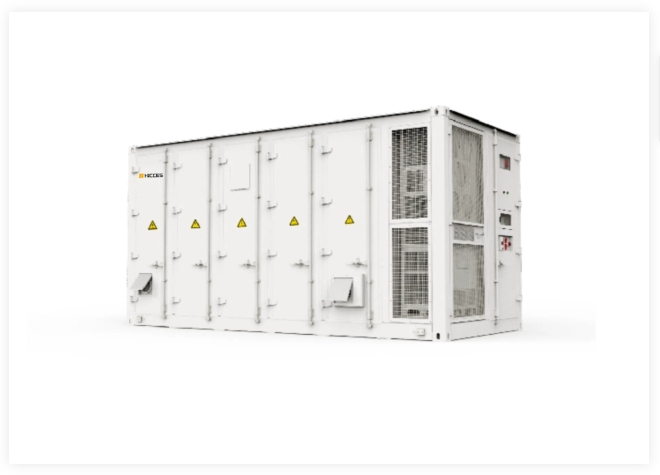
Energy Storage Equipment Routine Maintenance Fundamentals
Environmental Condition Monitoring
- Temperature and Humidity Control: Most energy storage equipment (including electric storage generator systems) operates optimally within a temperature range of 15–35°C and relative humidity below 60%. Hebei Yanchun Qianjian Technology Co., Ltd. recommends installing temperature/humidity sensors near equipment and using HVAC systems or dehumidifiers to maintain these conditions. Excessive heat can degrade battery cells in energy storing device models, while high humidity increases the risk of electrical short circuits—both leading to premature equipment failure.
- Dust and Debris Management: Regularly clean the exterior and ventilation ports of energy storage equipment to prevent dust buildup, which blocks airflow and causes overheating. For electric storage generator units, use a soft-bristle brush or compressed air (low pressure) to remove debris from cooling fans and heat sinks. Hebei Yanchun Qianjian Technology Co., Ltd.’s energy storing device models feature dust-resistant grilles, but monthly cleaning still ensures optimal heat dissipation.
Electrical Connection Inspections
- Terminal and Cable Checks: Loose or corroded electrical connections are a top cause of energy storage equipment Every 3 months, inspect terminals, cables, and connectors for signs of corrosion (green/white deposits), fraying, or tightness. For electric storage generatorsystems, use a torque wrench to ensure terminal bolts are tightened to the manufacturer’s specifications (typically 8–12 N·m for copper terminals). Hebei Yanchun Qianjian Technology Co., Ltd. suggests applying anti-corrosion grease to terminals after cleaning to prevent future oxidation.
- Insulation Integrity: Check the insulation on cables and wiring for cracks or wear, especially in energy storing device models used in outdoor or industrial environments. Damaged insulation can lead to electrical leaks or short circuits—replace any compromised components immediately using parts from Hebei Yanchun Qianjian Technology Co., Ltd. to ensure compatibility and safety.
Performance Testing and Calibration
- Calibration of Control Systems: The control panels and monitoring software of energy storage equipment require annual calibration to ensure accurate data readings (e.g., voltage, current, state of charge). Hebei Yanchun Qianjian Technology Co., Ltd. provides calibration kits and software updates for their products, ensuring alignment with industry standards and preventing incorrect operation due to faulty readings.
Table: Energy Storage Equipment Maintenance Schedule (Hebei Yanchun Qianjian Technology Co., Ltd.)
|
Equipment Type |
Maintenance Task |
Frequency |
Tools Required |
Key Safety Notes |
|
Electric Storage Generator |
Clean cooling fans/heat sinks; check terminal tightness |
Monthly |
Soft brush, torque wrench |
Disconnect power before electrical checks |
|
Energy Storing Device (Battery-Based) |
Test capacity; inspect insulation |
Quarterly |
Capacity tester, multimeter |
Avoid short-circuiting terminals |
|
Energy Storage Equipment (Control Panels) |
Calibrate sensors; update software |
Annually |
Calibration kit, laptop |
Follow manufacturer’s software update guidelines |
|
Electric Storage Generator (Fuel-Based) |
Check fuel lines; replace air filters |
Every 6 Months |
Fuel pressure gauge, filter wrench |
Ensure fuel is stored in approved containers |
Electric Storage Generator Specialized Maintenance
Fuel System Care (for Fuel-Powered Models)
- Fuel Quality and Storage: For electric storage generator units that run on diesel, gasoline, or natural gas, use only clean, fresh fuel to prevent carburetor or injector clogs. Hebei Yanchun Qianjian Technology Co., Ltd. recommends adding fuel stabilizers to stored fuel (for units used infrequently) to prevent degradation. Inspect fuel lines monthly for leaks or cracks, and replace fuel filters every 6 months to maintain fuel flow.
- Engine Maintenance: If the electric storage generator has an internal combustion engine, follow the oil change schedule (every 50–100 operating hours) using the recommended oil grade (e.g., SAE 15W-40 for diesel engines). Check engine coolant levels weekly (for liquid-cooled models) and clean or replace air filters every 3 months to ensure optimal engine performance. Hebei Yanchun Qianjian Technology Co., Ltd. supplies genuine replacement parts (filters, oil, coolant) to maintain engine durability.
Energy Storing Device Compact Model Maintenance
Battery Health Management (for Battery-Based Devices)
- Charge-Discharge Cycle Optimization: Energy storing device models with lithium-ion or lead-acid batteries require proper charge management to extend lifespan. Avoid overcharging (keep state of charge below 100% for lithium-ion) and deep discharging (do not drop below 20% for lead-acid). Hebei Yanchun Qianjian Technology Co., Ltd.’s energy storing device line includes built-in BMS (Battery Management Systems) that prevent over/undercharging, but users should still avoid leaving devices in extreme temperatures during charging.
Portability and Physical Damage Prevention
- Case and Casing Maintenance: Compact energy storing device models are often portable, so inspect their outer cases for cracks or damage monthly. Hebei Yanchun Qianjian Technology Co., Ltd.’s devices use impact-resistant ABS plastic, but severe drops can damage internal components. If the case is damaged, replace it immediately to protect the battery and electronics from dust, moisture, and physical impact.
- Portable Charging Port Care: Clean charging ports (USB, AC outlets) of energy storing device models monthly with a dry cotton swab to remove dust or debris. Avoid using damaged or non-certified chargers, as they can deliver incorrect voltage and damage the device’s internal circuitry. Hebei Yanchun Qianjian Technology Co., Ltd. provides certified chargers for all their energy storing device products, ensuring safe and efficient charging.
Energy Storage Equipment FAQS
How often should I replace the battery in a energy storing device from Hebei Yanchun Qianjian Technology Co., Ltd.?
The battery in a energy storing device from Hebei Yanchun Qianjian Technology Co., Ltd. typically lasts 3–5 years, depending on usage frequency and maintenance. Replace the battery when the device’s capacity drops below 70% of the rated value (e.g., a 500Wh device that only holds 350Wh or less) or if it fails to hold a charge for more than 8 hours of light use. Always use genuine replacement batteries from Hebei Yanchun Qianjian Technology Co., Ltd.—third-party batteries may not match the device’s voltage or capacity, leading to reduced performance or even safety risks (e.g., overheating). The company’s technical support team can help test battery health and confirm when replacement is needed.
What maintenance steps are unique to electric storage generator units compared to other energy storage equipment?
Electric storage generator units require additional maintenance for their power generation components, which are not present in battery-only energy storage equipment. For example, fuel-powered electric storage generator models need regular oil changes (every 50–100 operating hours), fuel filter replacements (every 6 months), and engine coolant checks (weekly for liquid-cooled units). They also require load bank testing (annually) to ensure the engine can handle full load, a step not needed for energy storing device models. Hebei Yanchun Qianjian Technology Co., Ltd. provides a dedicated maintenance manual for electric storage generator units, outlining these unique steps to prevent engine damage and ensure reliable backup power.
Can I perform maintenance on energy storage equipment myself, or do I need professional services?
Most routine maintenance tasks for energy storage equipment (e.g., cleaning, terminal checks, capacity testing) can be performed by users with basic technical knowledge, using tools like multimeters, soft brushes, and torque wrenches. Hebei Yanchun Qianjian Technology Co., Ltd. provides detailed user manuals and video tutorials for these tasks, making DIY maintenance accessible. However, complex tasks—such as engine repairs for electric storage generator units, control system calibration, or battery replacement for large-scale energy storage equipment—should be handled by professional technicians. The company offers authorized service partners for these tasks, ensuring compliance with safety standards and preserving the equipment warranty.
How does environmental temperature affect the maintenance needs of energy storage equipment?
Environmental temperature significantly impacts energy storage equipment maintenance: in high-temperature areas (above 35°C), energy storing device batteries degrade faster, so you should increase capacity testing frequency from quarterly to monthly and ensure proper ventilation. In cold temperatures (below 0°C), electric storage generator units with internal combustion engines may require winter-grade oil (e.g., SAE 5W-30) and fuel additives to prevent freezing, adding a maintenance step not needed in mild climates. Hebei Yanchun Qianjian Technology Co., Ltd. recommends installing temperature-controlled enclosures for energy storage equipment in extreme climates, which reduces the need for frequent maintenance adjustments and extends equipment life.
What should I do if my energy storage equipment shows signs of performance degradation (e.g., reduced capacity)?
If energy storage equipment (e.g., a energy storing device or electric storage generator) shows performance degradation, start with basic maintenance checks: clean ventilation ports to ensure no overheating, inspect electrical connections for corrosion or looseness, and run a full capacity test to quantify the issue. For battery-based energy storing device models, check the BMS (Battery Management System) for error codes—Hebei Yanchun Qianjian Technology Co., Ltd.’s BMS displays codes for issues like overcharging or cell imbalance, which can often be resolved with a software update. If basic checks don’t fix the problem, contact the company’s technical support team with test results (e.g., capacity data, error codes)—they can guide you through advanced troubleshooting or recommend professional repairs to restore performance.
Proper maintenance is the key to maximizing the lifespan, performance, and safety of energy storage equipment—from compact energy storing device models to large electric storage generator systems. Hebei Yanchun Qianjian Technology Co., Ltd.’s energy storage equipment is engineered for durability, but following the maintenance tips outlined in this guide ensures customers get the most value from their investment. As a wholesaler, sharing this knowledge with customers helps them reduce downtime, lower replacement costs, and maintain reliable power storage—strengthening their trust in your offerings. By partnering with Hebei Yanchun Qianjian Technology Co., Ltd. for high-quality equipment and genuine replacement parts, you can further support customers in their maintenance efforts, positioning yourself as a trusted provider of comprehensive energy storage solutions.