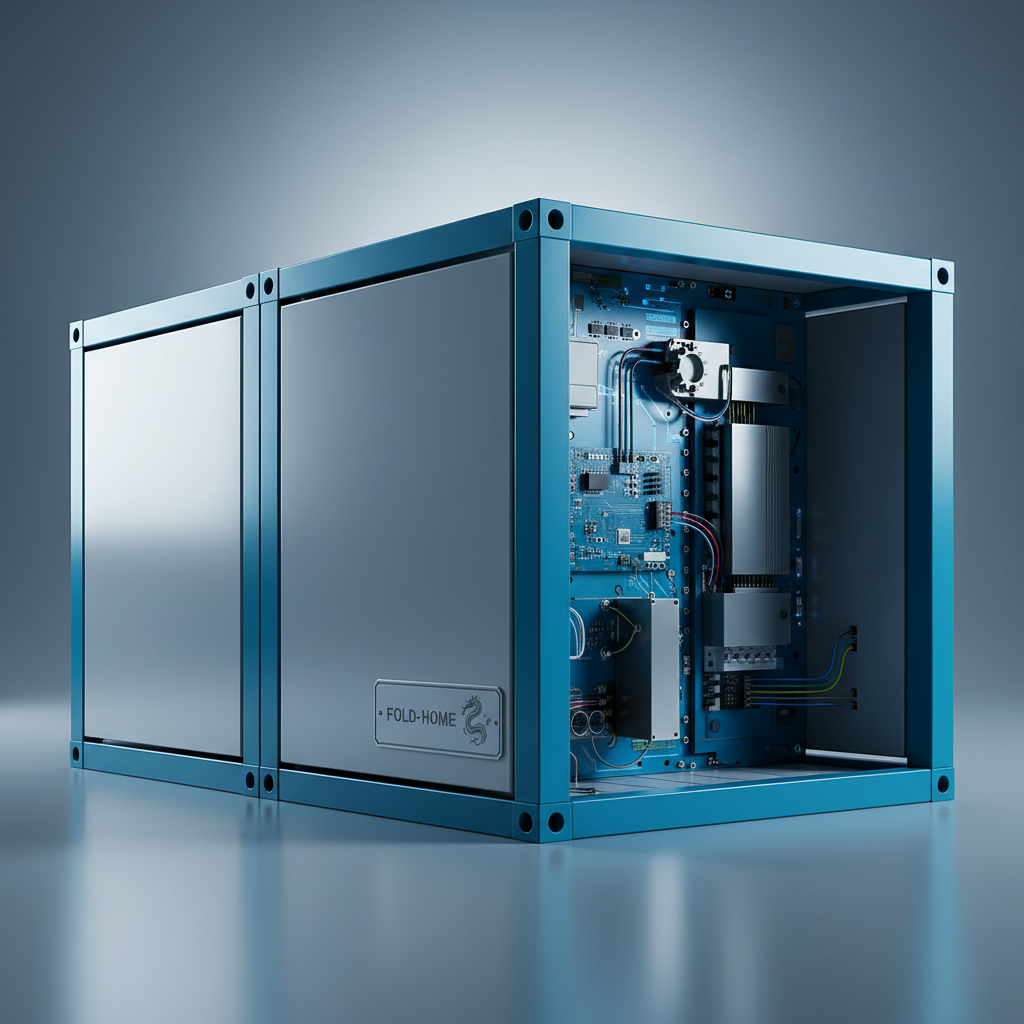
Determining the actual expandable house price requires a comprehensive understanding of structural engineering and supply chain logistics within the metal fabrication industry. For developers and procurement officers, these modular units represent a shift from traditional construction toward rapid-deployment metal structures that balance initial investment with operational agility.
The primary challenge for buyers lies in identifying which cost drivers—such as chassis gauge, insulation density, and folding mechanisms—actually contribute to long-term value versus those that are merely aesthetic. Understanding the correlation between the foldable footprint and the expanded livable area is essential for optimizing shipping costs and site utilization.
This analysis provides a professional framework for evaluating the pricing architecture of expandable folding houses, examining the variables that influence manufacturer quotes and offering a decision-making index for selecting the right size and specification for various industrial or residential applications.

Core Components of Expandable House Pricing

The pricing of an expandable folding house is fundamentally driven by the cost of the galvanized steel frame and the complexity of the folding hinges. Unlike static containers, the expandable mechanism requires high-precision metal structural manufacturing to ensure that the unit remains weather-tight after multiple expansion cycles. The quality of the locking systems and the thickness of the steel members directly correlate with the structural integrity and the final quote.
Secondary cost drivers include the internal fit-out, such as flooring materials, electrical wiring, and plumbing integration. For industrial-grade units, the use of fire-resistant panels and specialized insulation for extreme climates can significantly shift the expandable house price upward, though these additions often reduce long-term energy expenditures.
Impact of Unit Size on Total Investment
Scale significantly alters the cost-per-square-meter ratio. Smaller units, such as the 10ft expandable folding house, often have a higher relative price point per square foot due to the fixed costs associated with the folding hardware and basic utility connections. As the size increases to 20ft, 30ft, or 40ft models, the efficiency of material usage improves, typically offering a more favorable balance between the purchase price and the resulting usable space.
For example, a 20ft expandable folding house provides a substantial cover area of approximately 37㎡ when extended, with an extended size of L5900W6300H2480mm. This configuration maximizes the utility of a single shipment while providing enough internal space (L5460W6140H2240mm) for multi-room functionality, making it a benchmark for commercial ROI in temporary housing projects.
Operational Logistics and Freight Optimization
A critical but often overlooked aspect of the expandable house price is the "landed cost." The primary advantage of the folding design is the reduction of transport volume. By compressing the unit to a folding size—such as the 20ft model's L5900W2200H2480mm—manufacturers can fit multiple units into a single high-cube container. Specifically, one 40HQ container can accommodate 2 pieces of the 20ft expandable folding house.
This logistics efficiency reduces the shipping cost per unit by nearly 50% compared to traditional prefabricated modular homes. When calculating the total budget, buyers must factor in the loading quantity and container utilization rates, as these variables can either offset a higher unit price or make a "cheap" unit expensive once it reaches the destination port.
Relative Cost Distribution Analysis
To understand where the investment goes, we can examine the relative cost distribution across different structural components. In a standard high-quality expandable unit, the steel chassis and folding mechanism represent the largest share of the cost due to the requirement for precision engineering in the metal structure manufacturing process.
This conceptual distribution illustrates that structural integrity and the expansion mechanism are the primary value drivers. While interior finishes are customizable, the core investment is centered on the chassis and exterior shell, which determine the house's lifespan and weather resistance.
Evaluating Material Specifications vs. Cost
When comparing quotes, professional buyers should look beyond the base price and analyze the material specifications. A lower expandable house price often indicates the use of thinner gauge steel or lower-density insulation. In the context of metal structural manufacturing, a difference of even 1mm in steel thickness can significantly impact the load-bearing capacity and the stability of the folding walls during high-wind events.
Hebei Yanchun Qianjian Technology Co., Ltd. emphasizes the integration of supply chain optimization to ensure that materials are sourced for durability without inflating the end cost. The use of high-grade galvanized steel prevents corrosion in coastal or humid environments, effectively lowering the total cost of ownership by extending the maintenance cycle.
Common Pricing Pitfalls in Modular Procurement
One common mistake is failing to account for the "hidden" costs of site preparation and assembly. While the unit is "expandable," it still requires a level foundation—whether concrete pads or steel piers—to ensure the folding mechanism operates smoothly and the structure remains square. Ignoring these requirements can lead to structural misalignment and costly on-site corrections.
Additionally, buyers often overlook the impact of customs duties and local compliance certifications on the final cost. Because these units fall under the category of metal structural manufacturing, they may be subject to different tariff codes than traditional residential buildings. Verifying the HS code and import regulations prior to purchase is essential for accurate budgeting.
Strategic Selection Framework
Selecting the right unit requires matching the application to the specific size and specification. The following framework compares common configurations based on deployment needs, helping buyers determine which model provides the best value for their specific use case.
| Unit Model | Primary Use Case | Logistics Efficiency | Value Driver |
|---|---|---|---|
| 10ft Expandable | Security/Single Office | Very High | Rapid Deployment |
| 20ft Expandable | Staff Housing/Studio | High (2 per 40HQ) | Space-to-Cost Ratio |
| 30ft Expandable | Family Unit/Clinic | Medium | Functional Zoning |
| 40ft Expandable | Large Office/Retail | Medium | Maximum Footprint |
| Custom Metal Structure | Specialized Industrial | Variable | Technical Compliance |
| Standard Container | Storage/Basic Shelter | Low (Non-Expandable) | Extreme Durability |
Ultimately, the most cost-effective choice is not the one with the lowest initial quote, but the one that minimizes the combination of purchase price, shipping costs, and long-term operational maintenance.
Frequently Asked Questions
The price is mainly driven by the quality of the galvanized steel frame, the precision of the folding mechanism, and the specifications of the insulation and interior finishes. Higher grade materials increase the initial cost but improve durability.
The folding design allows multiple units to be stacked in a single container. For instance, two 20ft expandable houses can fit in one 40HQ container, significantly reducing the freight cost per unit compared to traditional modular homes.
A 20ft unit is more logistics-efficient and suitable for small-scale housing, while a 40ft unit provides a much larger expanded area, reducing the need for multiple separate units and simplifying site utility connections.
Yes, buyers should budget for site preparation (foundation), local permits, customs duties, and the labor required for the final expansion and utility connection on-site.
Check the steel gauge (thickness), the type of galvanization used for corrosion resistance, and the precision of the folding tolerances. Request technical drawings that specify the material grade of the chassis.
Yes, upgrades to flooring, premium insulation, customized cabinetry, and advanced electrical systems will increase the unit price but can enhance the functionality and market value of the property.
Conclusion
Navigating the expandable house price requires a shift in perspective from simple procurement to total lifecycle cost analysis. By focusing on structural specifications, maximizing container loading quantities, and matching the unit size to the specific application, buyers can achieve a high return on investment while maintaining structural safety and operational efficiency.
For those evaluating specific configurations or requiring detailed technical specifications for their project, professional guidance on supply chain optimization is available at www.yanchungongxiang.com to ensure the selected solution meets both budgetary and engineering requirements.