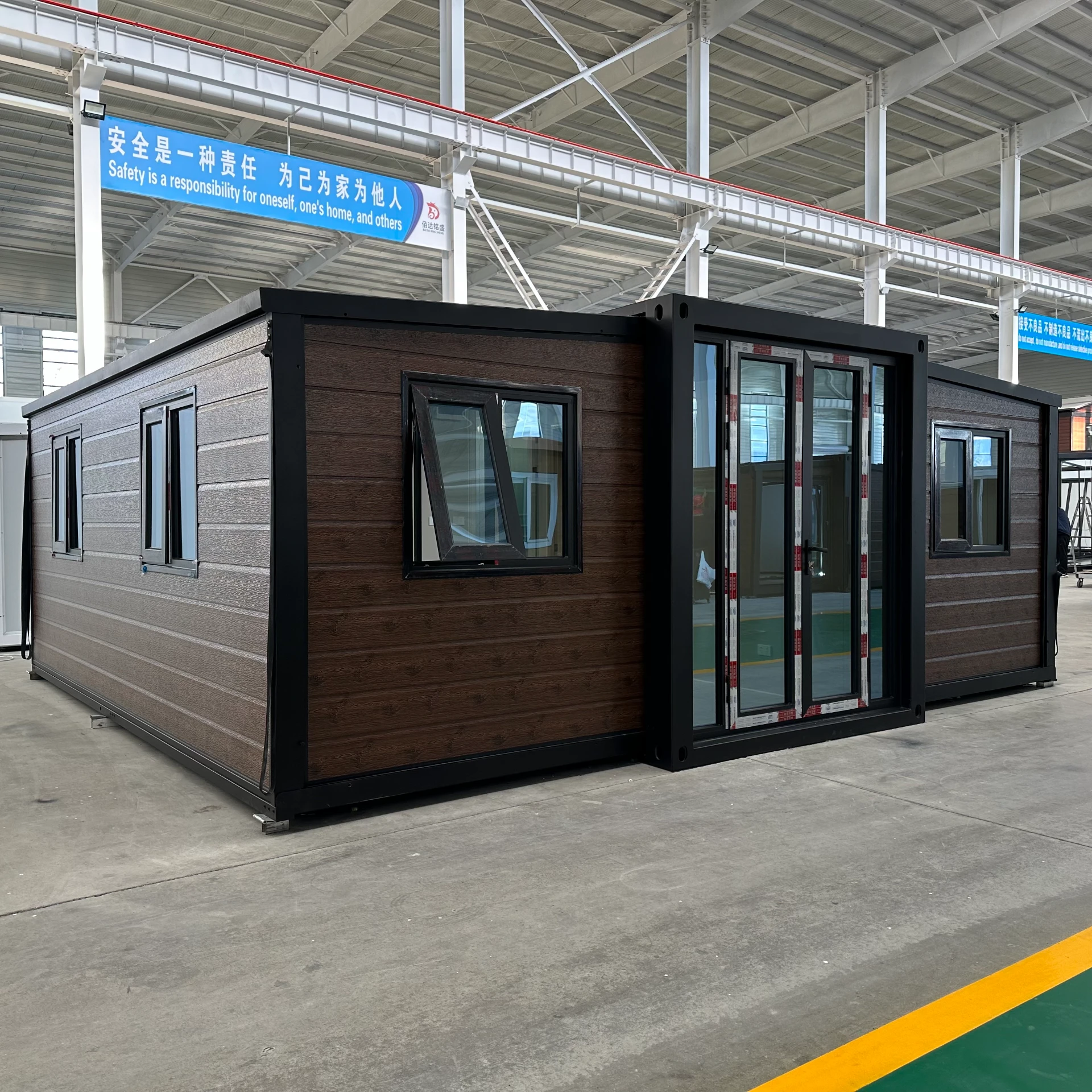
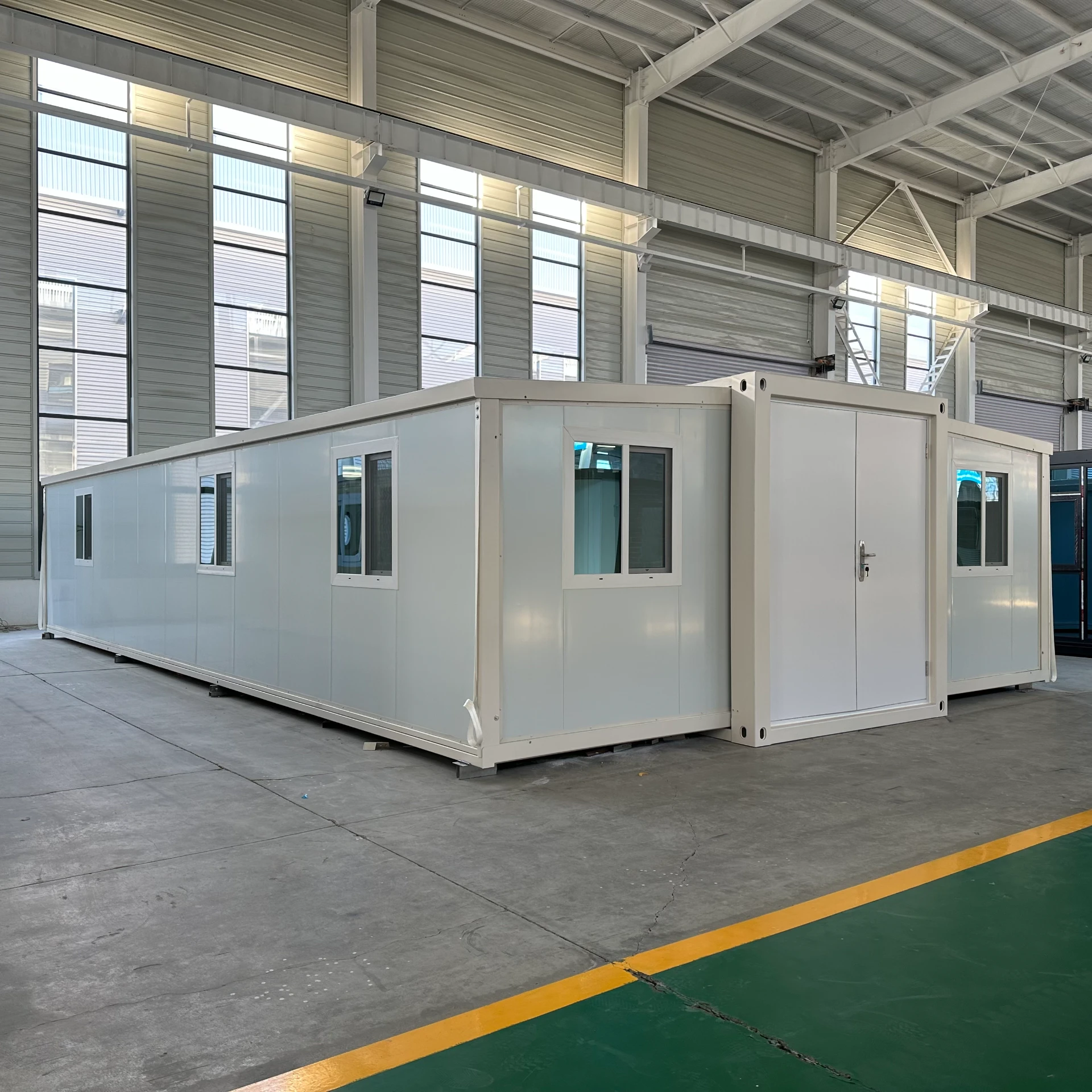
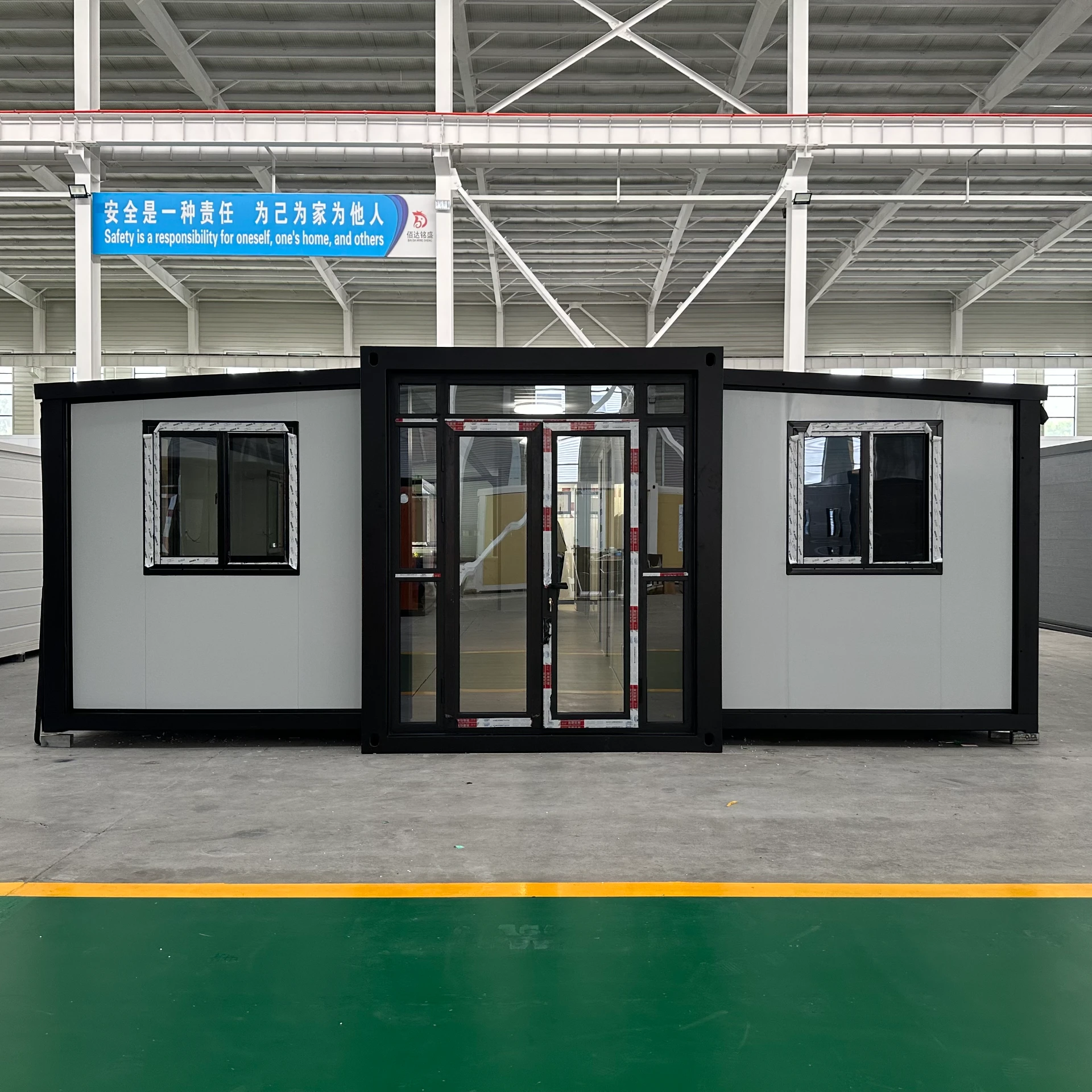
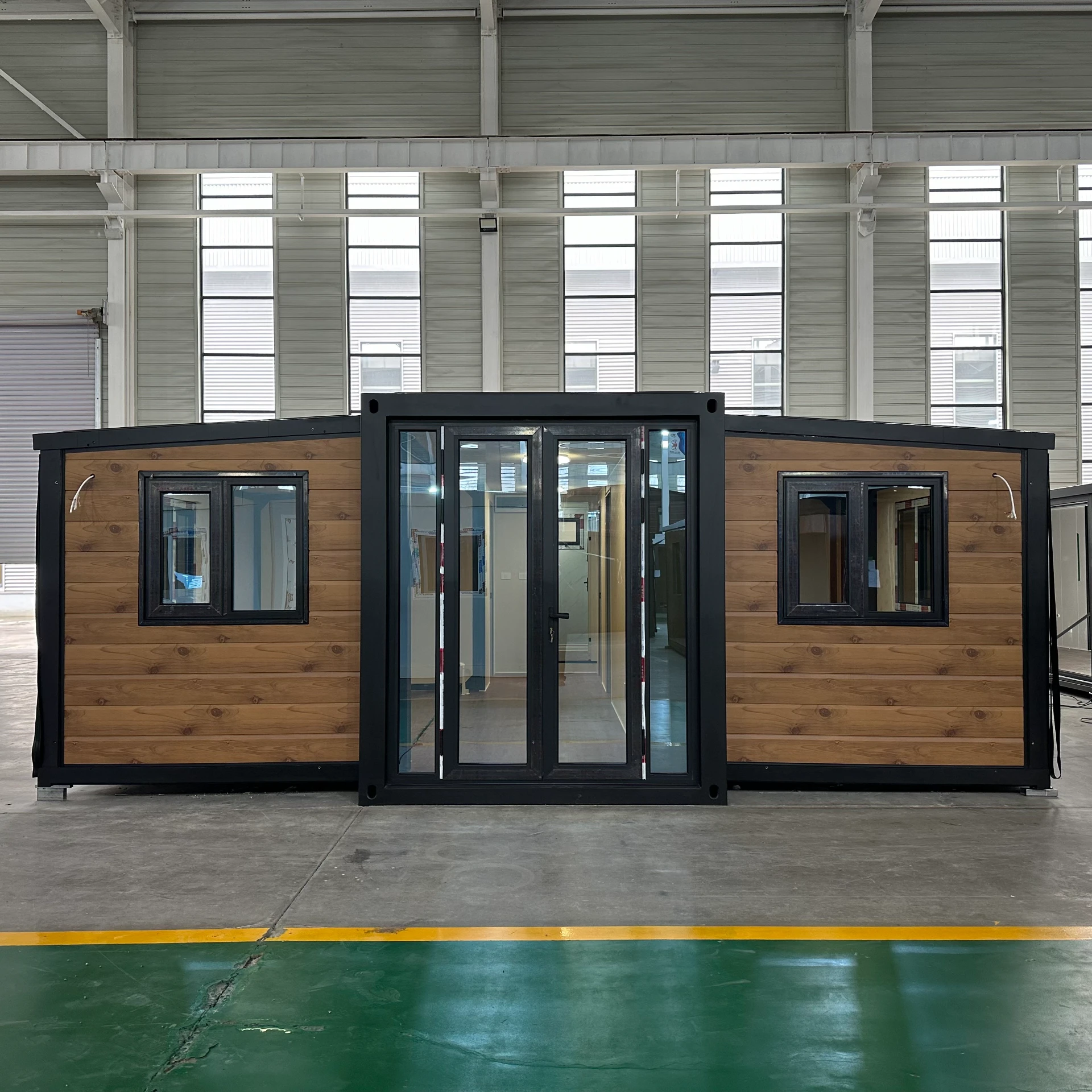
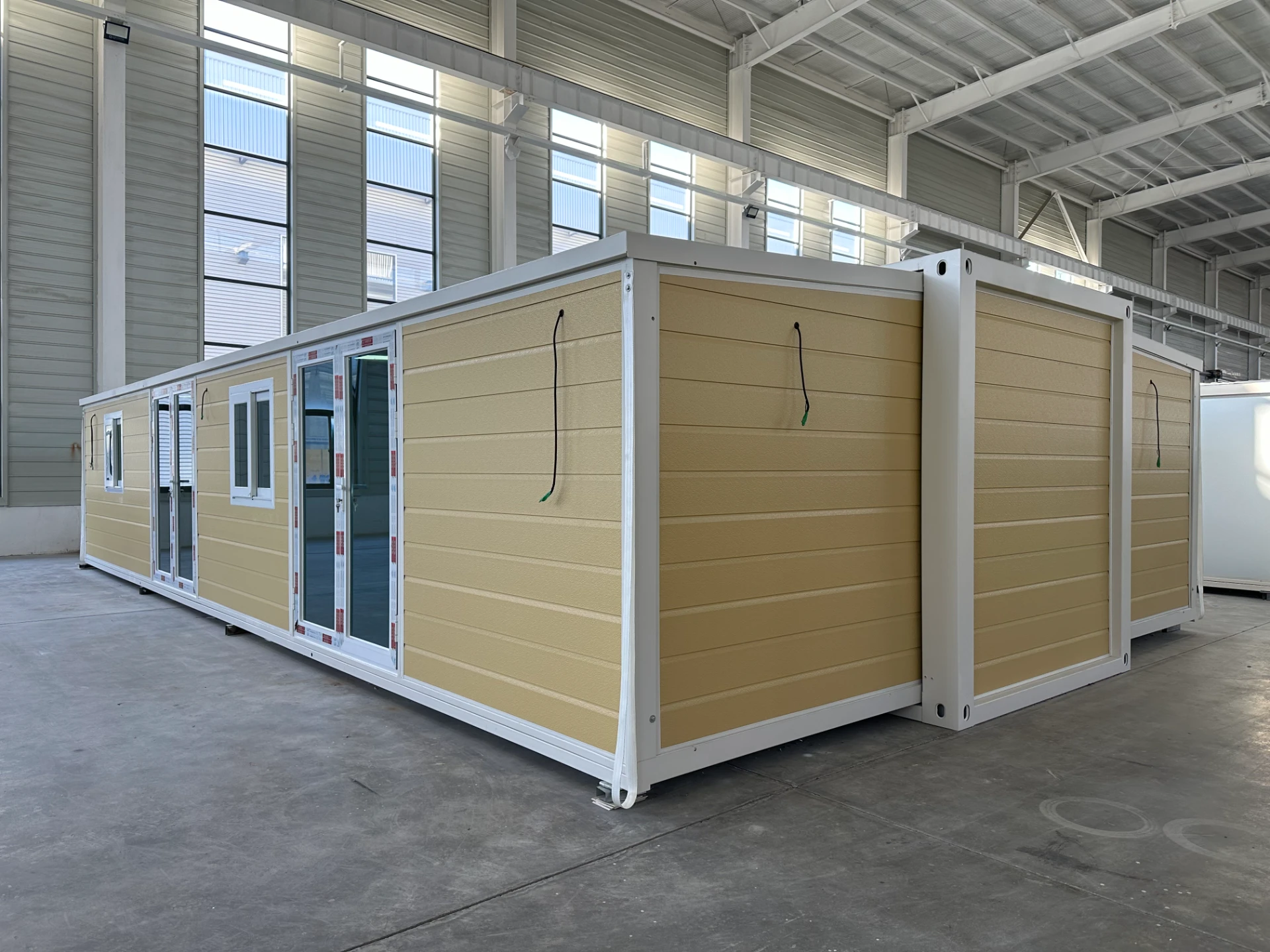
Chile's unique geography, characterized by the Andes mountains and a high seismic profile, creates a critical need for structures that are both flexible and strong. The current market is shifting away from permanent concrete builds toward a foldout house approach, which allows for quicker relocation and better energy absorption during tectonic events.
Economically, the mining sector in the Atacama region and the forestry industry in the south are driving the adoption of the house foldable concept to provide temporary but high-quality workforce housing. The demand is no longer just for shelter, but for thermally insulated, metal-framed units that can withstand extreme temperature fluctuations.
However, the industry faces challenges with traditional logistics. The cost of transporting prefabricated units across Chile's long, narrow territory is immense. This has made the house folding mechanism an essential innovation, reducing shipping volumes and drastically lowering the carbon footprint of construction.