
Integrated Energy Storage Container System | Scalable Power Solutions
Industry Trends and the Rise of Integrated Energy Solutions
The global energy landscape is undergoing a profound transformation, driven by the imperative of decarbonization, the increasing penetration of renewable energy sources, and the growing demand for grid stability and resilience. This paradigm shift necessitates advanced energy management solutions capable of storing and dispatching power efficiently. Key trends include the proliferation of distributed energy resources (DERs), the emergence of smart grids, and the electrification of transportation and industrial processes.
In this dynamic environment, the Energy Storage Container System has emerged as a pivotal technology. These systems offer a modular, scalable, and rapidly deployable solution for a multitude of applications, from grid-scale storage and renewable energy integration to industrial backup and off-grid power. The market for battery energy storage systems (BESS) is projected to grow substantially, with reports indicating a global market size exceeding $20 billion by 2027, driven by technological advancements and supportive policy frameworks.
The shift towards container111ized solutions underscores an industry demand for ease of integration, reduced installation times, and robust protection against environmental factors, making them ideal for both urban and remote deployments across sectors like utilities, telecommunications, and heavy industry.
Understanding the Energy Storage Container System: Core Components and Design
An Energy Storage Container System is a sophisticated, integrated solution housing all necessary components for energy storage and conversion within a standard shipping container111. This robust design ensures durability, mobility, and plug-and-play functionality.
Key Technical Specifications and Components:
- Battery Modules: Typically LiFePO4 (Lithium Iron Phosphate) due to their high energy density, long cycle life, and inherent safety. Modules are arranged in racks with advanced battery management systems (BMS).
- Battery Management System (BMS): Essential for monitoring cell voltage, temperature, current, and state of charge (SoC). It balances cells, protects against overcharge/discharge, and communicates with the PCS.
- Power Conversion System (PCS): Bi-directional inverters that convert DC power from batteries to AC for the grid/load, and vice versa. Critical for grid synchronization and power quality.
- Thermal Management System: Ensures optimal operating temperatures for batteries and electronics (typically 20-30°C) through HVAC units, liquid cooling, or natural convection, vital for system longevity and efficiency.
- Fire Suppression System: Multi-layered safety mechanisms including smoke detectors, gas sensors, and automatic fire suppression agents (e.g., aerosol or inert gas) to prevent and mitigate thermal runaway events.
- Energy Management System (EMS): The "brain" of the system, optimizing energy flow, scheduling charge/discharge cycles, forecasting energy demand, and communicating with grid operators or local loads.
- Auxiliary Systems: Includes transformers, switchgear, protection relays, control wiring, and lighting.
- Container Enclosure: ISO standard steel container111 (e.g., 20ft or 40ft), highly insulated, weatherproof, and designed for structural integrity and secure transportation.
Representative Product Specification Table
| Parameter | Typical Specification Range | Details |
|---|---|---|
| Container Size | 20ft or 40ft ISO container111 | Standard dimensions for global transport and integration. |
| Nominal Capacity | 1 MWh - 5 MWh per container111 | Scalable for various applications; multiple container111s can be aggregated. |
| Nominal Power Output | 0.5 MW - 2.5 MW per container111 | Dependent on PCS rating and application requirements. |
| Battery Chemistry | Lithium Iron Phosphate (LiFePO4) | High safety, long cycle life (6,000+ cycles), wide temperature range. |
| Operating Temperature | -20°C to +55°C (with thermal management) | Ensures reliable operation in diverse climates. |
| Round-trip Efficiency | >90% (DC-AC-DC) | High efficiency minimizes energy losses during charging and discharging. |
| Certifications | UL 1973, UL 9540, IEC 62619, CE, ISO 9001, ISO 14001 | Ensures product quality, safety, and environmental compliance. |
| Service Life | 15-20 years or 6,000+ cycles @ 80% DoD | Long operational lifespan, ensuring high return on investment. |
These specifications highlight the robust engineering and advanced technology underpinning modern Energy Storage Container System deployments, tailored to meet demanding industrial and utility requirements.
Manufacturing Process Flow and Quality Assurance
The manufacturing of an Energy Storage Container System is a meticulous process, emphasizing precision, safety, and adherence to stringent quality controls from raw material sourcing to final system integration and testing.
Schematic Manufacturing Steps:
- Container Fabrication & Structural Reinforcement:
- Materials: High-strength, weather-resistant Corten steel (often with anti-corrosion coatings).
- Process: ISO standard shipping container111s are acquired. Reinforcement frames and mounting points for heavy components are welded and fabricated. This involves precision cutting, bending, and forging of steel profiles. Internal insulation layers are applied.
- Battery Module Assembly & Testing:
- Materials: Lithium-ion cells (e.g., LiFePO4), specialized plastics, copper busbars, and integrated circuit boards for BMS.
- Process: Individual battery cells are assembled into modules. Each module undergoes initial testing for voltage, internal resistance, and capacity. The BMS is integrated and calibrated.
- PCS & Electrical Component Integration:
- Materials: Power electronics, transformers, switchgear, cabling (copper/aluminum), control panels.
- Process: Power Conversion Systems (PCS) and auxiliary electrical equipment are installed. All wiring, busbar connections, and protection devices are meticulously routed and secured. High-precision CNC machining is used for custom enclosures and mounting brackets.
- Thermal Management & Fire Suppression System Installation:
- Materials: HVAC units, liquid cooling pipes, sensors, fire retardant agents, detectors.
- Process: HVAC systems, liquid cooling loops (if applicable), and fire suppression mechanisms are installed and connected. Sensor arrays for temperature, smoke, and gas detection are strategically placed.
- Software Integration & EMS Setup:
- Materials: Industrial-grade controllers, communication modules, HMI (Human-Machine Interface) systems.
- Process: The Energy Management System (EMS) software is loaded and configured. Communication protocols (e.g., Modbus, DNP3) are established for seamless interaction between all subsystems and external grid controllers.
- Comprehensive System Testing & Certification:
- Testing Standards: Adherence to international standards such as ISO 9001 (Quality Management), ISO 14001 (Environmental Management), UL 9540 (Energy Storage Systems and Equipment Safety), IEC 62619 (Safety requirements for secondary lithium cells and batteries), and ANSI/NEMA standards for electrical enclosures.
- Process: Full system integration tests, including functional checks, safety protocol verification, charging/discharging performance tests, and thermal cycling. Each unit undergoes a factory acceptance test (FAT) before dispatch.
The service life of a well-maintained Energy Storage Container System typically ranges from 15 to 20 years, with battery modules designed for 6,000 to 8,000 cycles at an 80% Depth of Discharge (DoD).
Target industries for these advanced systems include utility-scale grid services, renewable energy integration (solar/wind farms), microgrids for remote communities, industrial facilities (e.g., petrochemical, metallurgy, water supply & drainage for peak shaving and backup power), data centers, and EV fast-charging infrastructure. Advantages in these scenarios include significant energy saving through optimized demand charge management, enhanced power reliability, and often, exceptional corrosion resistance due to the robust, sealed container111 design, critical for harsh industrial or coastal environments.
Technical Advantages and Application Scenarios
The inherent design and advanced technological integration of the Energy Storage Container System deliver a compelling array of technical advantages, making them a preferred choice for complex energy challenges.
Key Advantages:
- Modularity and Scalability: Systems are built with standardized modules, allowing for easy expansion or reduction of capacity and power. This flexibility caters to evolving energy demands without significant infrastructure overhaul.
- Rapid Deployment and Installation: Pre-integrated and factory-tested, these systems significantly reduce on-site installation time and complexity, lowering project costs and accelerating commissioning.
- Enhanced Safety: Multi-layered safety protocols, including advanced BMS, integrated fire suppression, and robust physical segregation, minimize risks associated with high-voltage battery systems. Compliance with standards like UL 9540 is paramount.
- Environmental Protection: The sealed container111 design protects internal components from extreme weather, dust, and corrosive elements, extending component lifespan and ensuring reliable operation in harsh environments.
- Optimized Thermal Management: Precise climate control systems ensure batteries operate within their optimal temperature range, maximizing performance, efficiency, and longevity.
- Intelligent Energy Management: Sophisticated EMS software enables intelligent charging/discharging, grid services (frequency regulation, voltage support), peak shaving, load shifting, and seamless integration with renewable sources.
Typical Application Scenarios:
- Grid Stabilization & Ancillary Services: Providing frequency regulation, voltage support, and black start capabilities to strengthen grid reliability and efficiency.
- Renewable Energy Integration: Buffering intermittent solar and wind generation, smoothing output, and enabling dispatchable renewable power.
- Peak Shaving & Demand Charge Reduction: Storing energy during off-peak hours and discharging during peak demand to lower electricity costs for industrial and commercial users.
- Off-Grid & Microgrid Solutions: Providing reliable power for remote communities, industrial sites, or military bases, often in conjunction with local generation.
- Emergency Backup Power: Ensuring critical operations continue uninterrupted during grid outages for hospitals, data centers, and essential infrastructure.
- EV Charging Infrastructure: Integrating storage with high-power EV chargers to mitigate grid impact and reduce demand charges.
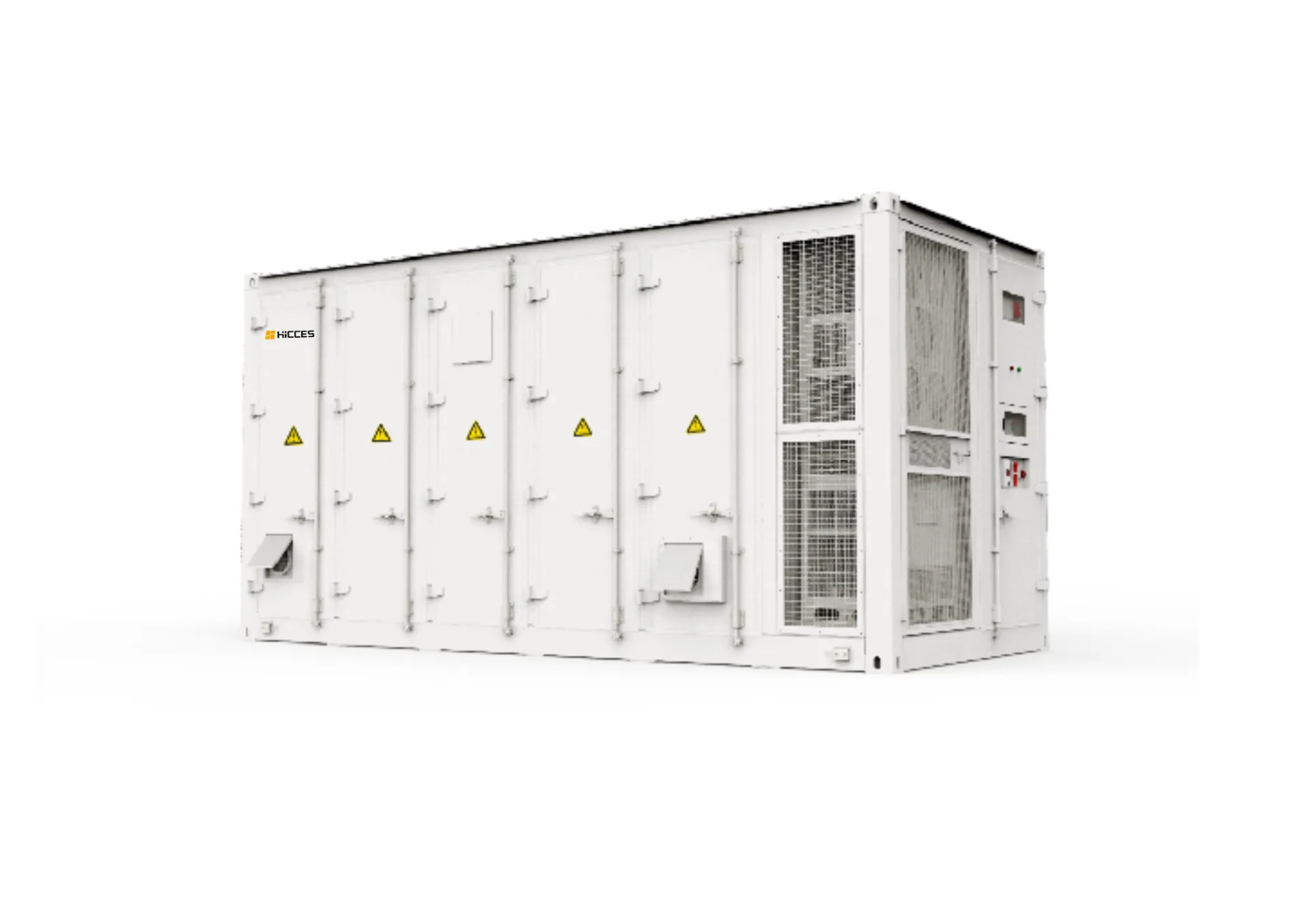
Figure 1: A modular Energy Storage Container System deployed for grid support.
Vendor Comparison and Customized Solutions
Selecting the right vendor for an Energy Storage Container System requires careful evaluation of technical capabilities, experience, adherence to standards, and the ability to provide tailored solutions.
Key Vendor Comparison Metrics:
| Feature/Aspect | Vendor A (Example) | Vendor B (Example) | This Company (Focus) |
|---|---|---|---|
| Battery Chemistry Offered | NMC, LTO | LiFePO4 only | Primarily LiFePO4 (high safety, long life) |
| PCS Integration | External, separate unit | Integrated within container111 | Fully integrated (reduced footprint, easier deployment) |
| Thermal Management | Air cooling only | Liquid cooling (optional) | Advanced HVAC with optional liquid cooling for extreme climates |
| EMS Capabilities | Basic monitoring | Advanced optimization | Intelligent, AI-driven optimization for multiple use cases |
| Certifications & Standards | CE, ISO 9001 | UL 9540, IEC 62619 | Comprehensive UL, IEC, CE, ISO compliance, and country-specific certifications |
| Customization Level | Limited, standard models | Moderate configuration | Extensive customization for capacity, power, grid interface, and specific environmentals |
Customized Solutions for Unique Requirements:
Recognizing that no two projects are identical, we specialize in providing highly customized Energy Storage Container System solutions. Our engineering team works closely with clients to understand their specific operational needs, environmental conditions, and integration challenges. This bespoke approach ensures optimal performance and maximum return on investment.
- Capacity & Power Tailoring: Adjusting battery capacity (MWh) and power output (MW) to precisely match application profiles, whether for short-duration frequency response or long-duration energy shifting.
- Grid Integration: Customizing grid connection parameters, communication protocols (e.g., Modbus TCP, DNP3, IEC 61850), and control strategies to seamlessly integrate with existing grid infrastructure or microgrid controllers.
- Environmental Adaptations: Special coatings for corrosive marine environments, enhanced thermal management for extreme hot or cold climates, and specialized dust filtration systems for desert regions.
- Safety & Security Features: Integrating advanced physical security (e.g., anti-vandalism features), specialized fire suppression, or hazardous area certifications (e.g., ATEX for petrochemical facilities).
- Auxiliary Load Integration: Designating space and connections for integrated transformers, switchgear, or specific customer-supplied equipment within the container111.
Application Case Studies
Our extensive experience in deploying Energy Storage Container System solutions spans various demanding sectors, delivering tangible benefits to our clients.
Case Study 1: Utility-Scale Grid Ancillary Services
Client: Major European Utility Company
Challenge: The client faced increasing grid instability due to high renewable energy penetration and needed a fast-acting solution for frequency regulation and reserve capacity.
Solution: We deployed a 10 MW / 20 MWh Energy Storage Container System array, consisting of 10 interconnected 40ft container111s. The system was integrated with the client's SCADA system and optimized for real-time response.
Outcome: The system achieved a response time of less than 100 milliseconds for frequency regulation, significantly improving grid stability. It generated over $2.5 million in revenue annually from ancillary service markets, demonstrating rapid ROI and enhanced grid reliability.
Case Study 2: Industrial Peak Shaving for a Petrochemical Plant
Client: Large Petrochemical Manufacturing Facility, Middle East
Challenge: The plant experienced high peak demand charges, contributing significantly to operational costs. The volatile local grid also required robust backup power to prevent production interruptions.
Solution: A 2 MW / 4 MWh Energy Storage Container System was installed on-site, strategically placed to optimize energy flow. The system was programmed to charge during off-peak hours and discharge during peak demand periods, effectively "shaving" the demand peaks. It also provided seamless transition to backup power during grid disturbances.
Outcome: The client realized a 20% reduction in annual electricity bills due to peak shaving and avoided multiple costly production downtimes, enhancing operational efficiency and resilience. The container111's robust, corrosion-resistant design proved ideal for the harsh industrial environment.
Case Study 3: Remote Microgrid for Mining Operations
Client: Mining Company, Remote Australia
Challenge: The remote mine relied heavily on diesel generators, leading to high fuel costs, logistics challenges, and a significant carbon footprint. There was a need to integrate intermittent solar power reliably.
Solution: We designed and delivered a hybrid microgrid solution, featuring a 1.5 MW / 3 MWh Energy Storage Container System integrated with a 5 MW solar farm and existing diesel generators. The EMS prioritized solar power and used the BESS to smooth solar output and provide spinning reserve, reducing diesel consumption.
Outcome: Diesel consumption was reduced by over 60%, resulting in substantial fuel cost savings and a significant reduction in CO2 emissions. The container111ized system's rapid deployment capability was critical for the remote location, demonstrating superior energy saving and reliability compared to the previous setup.
Frequently Asked Questions (FAQ)
Q1: What is the typical lifespan of an Energy Storage Container System?
A1: With proper maintenance and operational management, a well-designed system can last 15-20 years. The battery modules themselves typically have a cycle life of 6,000 to 8,000 cycles at 80% Depth of Discharge (DoD).
Q2: What safety measures are integrated into your systems?
A2: Our systems include multi-level safety features such as a robust Battery Management System (BMS) for cell-level monitoring and protection, advanced thermal management, integrated gas and smoke detection, and automated fire suppression systems (e.g., aerosol or inert gas). All designs comply with international safety standards like UL 9540.
Q3: Can these systems be integrated with existing renewable energy sources?
A3: Absolutely. Our Energy Management System (EMS) is designed for seamless integration with various generation sources, including solar PV, wind turbines, and conventional generators, optimizing energy flow and maximizing efficiency.
Q4: What environmental conditions can the container111 withstand?
A4: The robust ISO standard container111 is engineered for extreme conditions, typically operating reliably from -20°C to +55°C (with advanced thermal management). It offers excellent protection against dust, humidity, and corrosive atmospheres.
Q5: What certifications do your Energy Storage Container Systems hold?
A5: Our systems and manufacturing processes adhere to international standards including ISO 9001, ISO 14001, UL 9540, IEC 62619, and CE marking, ensuring high quality, safety, and environmental compliance.
Logistics, Warranty, and Customer Support
Lead Time & Fulfillment:
Our streamlined manufacturing and supply chain processes ensure efficient delivery. Typical lead times for standard Energy Storage Container System configurations range from 12 to 20 weeks, depending on the system size and customization requirements. For highly customized solutions, project timelines are collaboratively established during the engineering phase. We manage global logistics, ensuring safe and timely delivery to your project site.
Warranty Commitments:
We stand behind the quality and reliability of our products. Our standard warranty for the entire Energy Storage Container System is 5 years, covering manufacturing defects and component failures. Battery modules typically carry a separate performance warranty of 10 years or 6,000 cycles, guaranteeing a specified energy throughput or capacity retention. Detailed warranty terms are provided with each quotation.
Comprehensive Customer Support:
- Pre-Sales Consultation: Expert engineers assist in system sizing, design optimization, and technical specifications tailored to your project.
- Installation & Commissioning Support: We provide detailed installation guides, on-site supervision, and commissioning services to ensure smooth startup and optimal performance.
- Training: Comprehensive training programs for your operational and maintenance staff cover system operation, troubleshooting, and routine maintenance.
- 24/7 Remote Monitoring & Technical Support: Our dedicated support team offers continuous remote monitoring and rapid response to any technical inquiries or operational issues, minimizing downtime.
- Spare Parts & Maintenance: A robust spare parts inventory and preventative maintenance programs are available to ensure the long-term reliability and performance of your investment.
Conclusion
The deployment of advanced Energy Storage Container Systems represents a critical step towards a more resilient, sustainable, and efficient energy future. By offering modularity, rapid deployment, enhanced safety, and intelligent energy management, these systems are empowering industries and utilities to navigate the complexities of modern energy demands. Our commitment to quality, innovation, and client-centric solutions positions us as a trusted partner in this evolving landscape, delivering robust and reliable energy storage for a cleaner tomorrow.
References:
- IEA (International Energy Agency). (2023). Energy Storage Outlook.
- BloombergNEF. (2023). 2023 Energy Storage Market Outlook.
- U.S. Department of Energy. (2022). Global Energy Storage Database.
- IEEE Transactions on Energy Conversion. (2021). "Advanced Battery Management Systems for Grid-Scale Energy Storage."
- UL Standards & Engagement. (2020). UL 9540: Standard for Energy Storage Systems and Equipment.