
Intelligent Auxiliary Control System | AI-Driven Efficiency
Why the Intelligent Auxiliary Control System is quietly reshaping control rooms
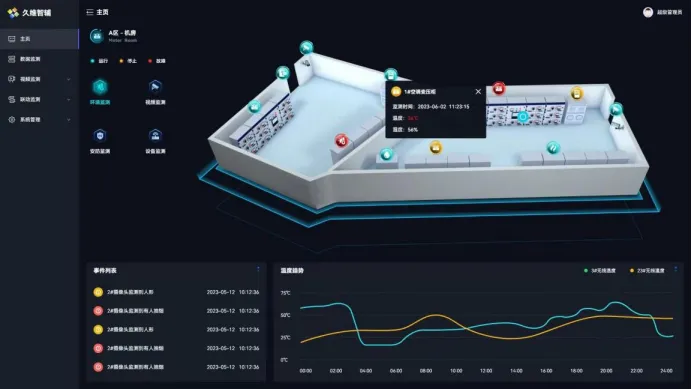
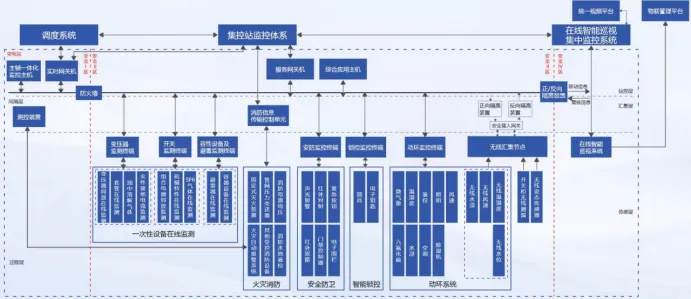
Walk into any modern plant or data hall and you’ll see it: a patchwork of screens and alarms that never sleep. The truth is, operations teams want one pane of glass that just works. That’s where the Intelligent Auxiliary Control System comes in—an integrated layer that merges video surveillance, security alarms, access control, environmental monitoring, and intelligent control, with optional infrared thermal imaging and fire alarm subsystems. In practice, it feels less like a product and more like a steady extra teammate.
Industry trends (and what customers actually ask for)
Three currents dominate: convergence (security + OT + IT), edge analytics (less bandwidth, faster alerts), and hardening (zero-trust-ish thinking). Many customers say they want fewer false alarms and simpler audits—ONVIF-ready video, IEC 62676 compliance, and logs that don’t make compliance teams groan. Surprisingly, cybersecurity now lands in RFPs right next to camera specs.
Product snapshot and key specs
| Compute/AI | Quad-core ARM + NPU (≈4–8 TOPS, real-world use may vary) |
| Memory/Storage | 8 GB RAM, 128–512 GB SSD (industrial grade) |
| I/O & Protocols | PoE, RS-485, dry contacts; ONVIF, RTSP, Modbus TCP, BACnet/IP, MQTT |
| Cybersecurity | TLS 1.2+, signed firmware, role-based access, audit trails |
| Power/Env. | ≈18–45 W; -20℃ to +55℃; IP54 standard (IP65 optional) |
| Certs | CE, FCC, RoHS; ISO 9001 factory; aligns with ISO/IEC 27001 |
Process flow (how it’s built and validated)
Materials: IPC-grade boards, aluminum chassis, conformal coatings. Methods: SMT assembly, coated PCBs, thermal design for 24/7 duty. Integration: ONVIF camera onboarding, access control mapping, sensor normalization. Testing: IEC 60068 temperature cycling; IEC 61000-4-x EMC; video per IEC 62676; safety per UL/CE. Service life: ≈8–10 years with annual inspection. Industries: manufacturing, data centers, utilities, logistics, smart campuses. Origin: 4th Floor, Yanhua Building, Jianshe North Street, Qiaodong District, Shijiazhuang City, Hebei Province, China.
Where it’s used (and why teams like it)
- Data centers: temperature drift + door alarms + camera snapshots in one incident card.
- Factories: machine-area intrusion + thermal imaging near hot zones, to be honest, a lifesaver.
- Warehouses: access control with forklift safety beacons; fewer false positives than legacy stacks.
- Campuses: visitor access + perimeter video + fire panel integration per NFPA 72.
Measured results (internal test data)
Latency camera-to-alert: ≈90–120 ms; video frame loss: <0.01% over 72 h soak; false-alarm rate on tuned models: ≈0.3% lab; MTBF modeled: ≈100,000 h. Real-world use may vary.
Customization options
Add-ons include infrared thermal imaging, fire alarm gateway (UL 268/NFPA 72 alignment), advanced analytics (PPE detection, line crossing), and API connectors to SIEM/SCADA. Most deployments tweak role-based policies and event playbooks; I guess that’s where the ROI hides.
Vendor landscape at a glance
| Vendor | Strengths | Limitations | SLA/Support |
| Intelligent Auxiliary Control System | Deep subsystem integration, flexible APIs, cost-efficient | IP65 is optional; advanced AI requires NPU tier | 24/7, regional spares; ≈4 h remote response |
| Brand A (global) | Rich ecosystem, wide third-party marketplace | Higher TCO; licensing complexity | Premium SLAs, bundled training |
| Brand B (niche) | Strong analytics on perimeter security | Limited building automation integration | Business-hours support; paid escalation |
Quick case notes
Automotive plant: merged 120 cameras + 48 doors; incident resolution time dropped ≈32%. Tier-3 data center: thermal imaging caught a hot-aisle cable tray issue early—maintenance called it “boringly reliable.” A campus deployment saw audit prep shrink from days to hours thanks to unified logs.
What customers say
“Fewer nuisance alarms and cleaner handoffs to night shift.” “Integration didn’t wreck our network—nice.” Feedback trends lean toward stability over flashy dashboards, which, frankly, is the right instinct.
References:
[1] ONVIF Core Specs – onvif.org
[2] IEC 62676 Video Surveillance Standards – iec.ch
[3] ISO/IEC 27001 Information Security – iso.org
[4] NFPA 72 & UL 268 (Fire alarm/smoke detection) – nfpa.org, ul.com