
Intelligent Auxiliary Control System | Enhance Control & Efficiency
Revolutionizing Industrial Operations: The Ascent of Intelligent Auxiliary Control Systems
In the rapidly evolving landscape of industrial automation, the demand for sophisticated and autonomous control solutions has never been more critical. Traditional control methodologies, often reliant on manual intervention and reactive adjustments, are increasingly insufficient to meet the stringent demands for efficiency, safety, and sustainability prevalent across sectors like petrochemicals, metallurgy, and municipal water management. This paradigm shift necessitates the adoption of advanced systems capable of predictive analysis, real-time optimization, and self-correction. Central to this evolution is the emergence of the Intelligent Auxiliary Control System, a cutting-edge technological framework designed to integrate seamlessly with existing infrastructure while significantly enhancing operational performance. These systems leverage a confluence of advanced sensors, robust data analytics, and artificial intelligence to monitor critical parameters, anticipate potential issues, and execute precise adjustments with minimal human oversight. The proliferation of the Industrial Internet of Things (IIoT) further amplifies the capabilities of such systems, enabling vast networks of interconnected devices to communicate and coordinate, fostering an unprecedented level of situational awareness and operational agility. Industry trends underscore a clear trajectory towards fully autonomous and adaptive systems, driven by pressures to reduce operational costs, minimize environmental impact, and improve overall system reliability. The convergence of machine learning, cloud computing, and advanced connectivity protocols is transforming auxiliary control from a supportive function into a primary driver of industrial excellence, fundamentally reshaping how complex processes are managed and optimized.
Technical Deep Dive: Core Specifications and Performance Parameters
The efficacy of any advanced industrial control solution hinges on its robust technical foundation and adherence to rigorous performance metrics. An Intelligent Auxiliary Control System is engineered to meet these demands by incorporating state-of-the-art components and sophisticated algorithms. Key technical parameters define the system's operational envelope and its suitability for various demanding environments. These typically include processing power, measured in GHz for embedded processors, ensuring rapid data processing and decision-making capabilities critical for real-time control. Communication protocols are paramount, with support for industrial standards such as Modbus TCP/IP, Ethernet/IP, Profibus, and OPC UA, enabling seamless integration with existing PLCs, DCS systems, and SCADA networks. Power consumption, often expressed in Watts, indicates energy efficiency, a vital consideration for sustainable operations. Response time, quantified in milliseconds, reflects the system's agility in reacting to changes in process variables, directly impacting control loop stability and precision. Operating temperature and humidity ranges dictate environmental resilience, ensuring reliable performance in harsh industrial conditions, from sub-zero temperatures in Arctic regions to high-humidity environments in tropical zones. Furthermore, the system's I/O capacity, encompassing both analog and digital inputs/outputs, determines its ability to interface with a diverse array of sensors and actuators, providing comprehensive control over multiple process points. Cybersecurity features, including encryption protocols and access controls, are also integral, safeguarding sensitive industrial data and preventing unauthorized access in an increasingly interconnected world.
Typical Technical Parameters of an Intelligent Auxiliary Control System
| Parameter | Specification | Description / Benefit |
|---|---|---|
| Processor | Multi-core Industrial Grade CPU (e.g., Intel Atom E38xx series, 1.91 GHz) | Ensures high-speed data processing for real-time analytics and complex control algorithms. |
| Memory (RAM) | Minimum 4GB DDR3L/DDR4, Expandable to 8GB | Supports simultaneous execution of multiple applications and large datasets for AI/ML models. |
| Storage | 128GB Industrial SSD (Solid State Drive) | Provides robust, fast, and shock-resistant storage for operating system, software, and data logging. |
| Communication Protocols | Ethernet (Gigabit), RS-485/232, Modbus TCP/IP, Profibus, OPC UA, Wireless (Wi-Fi/4G/5G optional) | Ensures versatile connectivity with a wide range of industrial devices and enterprise systems. |
| I/O Ports | 8x Digital Inputs, 8x Digital Outputs, 4x Analog Inputs (4-20mA), 2x Analog Outputs (0-10V) | Offers comprehensive interface capabilities for sensors, actuators, and control devices. |
| Operating Temperature | -20°C to +70°C (-4°F to +158°F) | Guarantees reliable operation in challenging industrial environments without performance degradation. |
| Power Input | DC 9-36V (Wide Range Input, supports Redundant Power) | Flexible power options for diverse industrial settings, ensuring continuous operation. |
| Enclosure Rating | IP65/IP67 (Dust-tight and Water-resistant/Waterproof) | Provides protection against dust, dirt, and water ingress, suitable for harsh industrial conditions. |
| Mean Time Between Failures (MTBF) | > 50,000 hours | Indicates high reliability and long operational lifespan, reducing maintenance frequency. |
Manufacturing Excellence and Rigorous Quality Assurance
The robust performance and reliability of an Intelligent Auxiliary Control System are direct reflections of its meticulously engineered manufacturing process and uncompromising quality control. Production begins with the selection of premium-grade materials, typically industrial-grade aluminum alloys for the enclosure, providing excellent heat dissipation and corrosion resistance, essential for longevity in challenging environments. Internal components, including circuit boards and electronic modules, utilize automotive or industrial-grade components, rated for extended temperature ranges and vibration resistance. The manufacturing process typically involves several critical stages: initial design and prototyping using advanced CAD/CAM software; precision machining of enclosures through CNC (Computer Numerical Control) processing to achieve exact tolerances; automated SMT (Surface Mount Technology) assembly for PCBs ensuring high component density and soldering accuracy; rigorous functional testing of each module; and finally, system integration and calibration. Crucial to this process are adherence to international inspection standards such as ISO 9001 for quality management systems and ANSI/UL standards for electrical safety, alongside specific industry certifications like ATEX for explosive atmospheres or marine classifications where applicable. Each unit undergoes comprehensive burn-in testing, typically for 72-96 hours, simulating continuous operation under varying load and temperature conditions to identify early failures. This meticulous approach ensures a projected service life often exceeding 10 years, even in continuous operation. Applicable industries benefitting from this robust manufacturing include petrochemicals, where corrosion resistance and explosion-proof designs are vital; metallurgy, requiring systems resilient to high temperatures and dust; and water supply/drainage, where waterproof and anti-condensation features are paramount. The inherent design advantages, such as passive cooling capabilities and sealed enclosures, significantly reduce maintenance requirements and enhance the system’s overall energy efficiency, providing tangible long-term operational savings and superior performance in diverse industrial contexts.
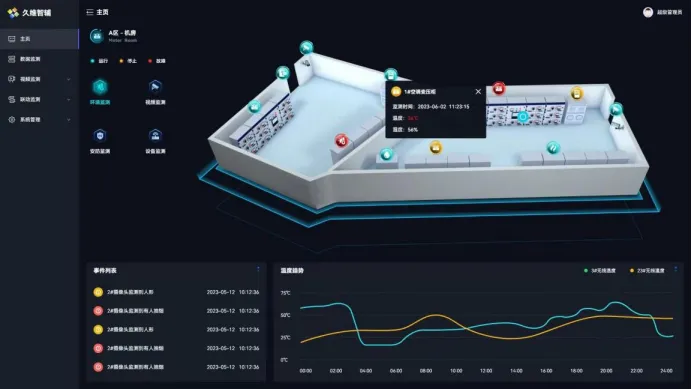
The commitment to manufacturing excellence extends beyond material selection and assembly processes, deeply embedding itself within the entire lifecycle of the Intelligent Auxiliary Control System. From the initial concept development to final deployment and post-sales support, every stage is governed by strict protocols aimed at maximizing product integrity and operational longevity. For instance, critical components like power supplies and communication modules are sourced from established, certified suppliers with proven track records, ensuring consistent quality and performance. Before assembly, all raw materials undergo incoming quality control (IQC) checks, verifying compliance with material specifications and eliminating substandard components. The assembly lines themselves are often highly automated and climate-controlled, minimizing human error and environmental contaminants. Post-assembly, comprehensive functional testing is performed on every unit, encompassing electrical integrity, communication protocol validation, and performance under simulated operational loads. This includes electromagnetic compatibility (EMC) testing to ensure the system does not interfere with, nor is susceptible to interference from, other electronic devices, a crucial aspect for deployment in complex industrial environments. Vibration and shock testing are also standard procedures, mimicking real-world conditions during transport and operation to guarantee physical robustness. The stringent adherence to international standards, such as IEC 61131 for programmable controllers and ISA 95 for enterprise-control system integration, further reinforces the system's reliability and interoperability. This multi-layered approach to quality assurance is what ultimately contributes to the system's extended operational life and its ability to deliver consistent, high-precision control in even the most demanding applications, offering unparalleled return on investment through reduced downtime and optimized resource utilization.
Diverse Application Scenarios and Tangible Advantages
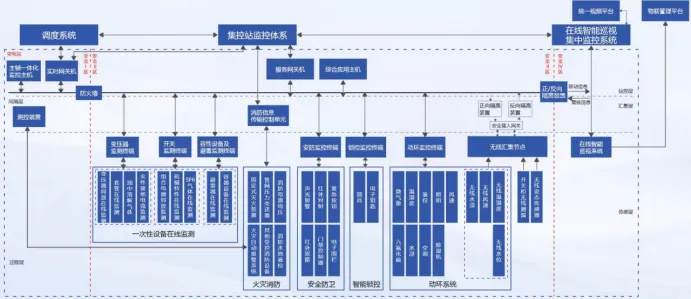
The versatility of the Intelligent Auxiliary Control System allows for its successful deployment across a myriad of industrial sectors, each benefiting uniquely from its advanced capabilities. In the petrochemical industry, these systems are instrumental in optimizing distillation columns, managing reactor temperatures, and controlling complex fluid flows, leading to significant energy savings through precise regulation of heat exchangers and pumps. Their ability to monitor and mitigate corrosion rates in pipelines and vessels, often by precisely controlling chemical dosing or cathodic protection systems, extends asset life and prevents costly failures, demonstrating a critical advantage in terms of safety and operational continuity. For metallurgical plants, the system excels in furnace control, rolling mill optimization, and dust collection systems, where maintaining specific temperature profiles and material flow rates is crucial for product quality and energy efficiency. The system's robustness against high temperatures and abrasive dust makes it ideal for such harsh environments. In the municipal water supply and drainage sectors, the system automates pump stations, optimizes water treatment processes, and manages distribution networks, ensuring consistent water quality and reducing energy consumption by dynamically adjusting pump speeds based on real-time demand. This leads to a substantial reduction in both operational costs and environmental footprint. Beyond these core industries, the Intelligent Auxiliary Control System also finds critical applications in power generation, pharmaceuticals, food & beverage, and automotive manufacturing, each leveraging its predictive capabilities for fault detection, anomaly identification, and proactive maintenance. The overarching advantages span enhanced safety protocols through automated emergency shutdowns, improved product consistency by maintaining tighter control over process variables, and substantial operational cost reductions derived from minimized energy consumption and reduced unplanned downtime. The system’s predictive maintenance capabilities, stemming from its sophisticated data analytics, allow for maintenance to be scheduled precisely when needed, rather than reactively after a failure, dramatically increasing equipment uptime and productivity across the board.
A key advantage delivered by an Intelligent Auxiliary Control System is its profound impact on energy efficiency. By continuously monitoring energy consumption patterns and process variables, the system can identify opportunities for optimization, such as adjusting motor speeds, pump flows, or heating/cooling cycles to precisely match current demands, thereby eliminating energy waste. For instance, in a large-scale pumping station, traditional control might operate pumps at a fixed high speed, but an intelligent system would dynamically adjust pump RPM based on real-time flow requirements, potentially saving up to 30% in electricity consumption. Similarly, in chemical processes, optimized temperature and pressure control minimizes the energy input required for reactions, leading to substantial reductions in utility costs. Beyond energy, the system significantly enhances process stability and precision. Its ability to learn from historical data and adapt to changing conditions means it can maintain tighter control over critical parameters, reducing variations in product quality and minimizing scrap or rework. This level of precision is particularly valuable in industries with strict quality mandates, such as pharmaceuticals. Furthermore, the system’s built-in diagnostic and self-correction capabilities contribute to unparalleled reliability. It can detect subtle deviations from normal operating conditions, diagnose potential faults before they escalate into major failures, and even initiate corrective actions autonomously or alert operators for intervention. This proactive approach to maintenance not only reduces the frequency of unexpected downtimes but also streamlines troubleshooting and repair efforts, translating directly into increased operational uptime and significant cost savings over the equipment’s lifecycle. The cumulative effect of these advantages is a more sustainable, efficient, and resilient industrial operation, bolstering competitiveness and fostering long-term growth.
Tailored Solutions and Proven Application Cases
While many suppliers offer generic control systems, the true value of an Intelligent Auxiliary Control System often lies in its capacity for bespoke customization to meet the unique operational demands of diverse industrial environments. Unlike off-the-shelf solutions that may require extensive modifications to existing infrastructure or compromise on specific functionalities, a purpose-built system is designed from the ground up to integrate seamlessly and deliver optimal performance within a client’s specific context. This customization extends to hardware configurations, where specific I/O types, communication modules, or environmental ruggedization levels (e.g., higher IP ratings for washdown areas, specific certifications for hazardous locations) can be tailored. Software customization involves developing unique control algorithms, integrating with proprietary enterprise resource planning (ERP) or manufacturing execution systems (MES), and designing intuitive human-machine interfaces (HMIs) that resonate with operator workflows. This bespoke approach ensures that the system not only addresses immediate operational bottlenecks but also provides a scalable foundation for future expansion and technological upgrades, maximizing the return on investment. Our extensive experience in delivering these highly customized solutions across various industries, coupled with a deep understanding of process engineering, distinguishes our offerings from competitors who may primarily provide standardized products. We engage in a detailed discovery phase with clients, conducting thorough site assessments and requirements analysis to design a system that precisely fits their needs, ensuring optimal performance from day one. This partnership approach, from concept to commissioning, is critical for achieving the highest levels of operational efficiency and process optimization, truly leveraging the full potential of intelligent control.
Illustrative Application Case: Large-Scale Water Treatment Facility Optimization
A notable application case demonstrating the efficacy of our Intelligent Auxiliary Control System involved a large municipal water treatment facility struggling with escalating energy costs and variable water quality due to aging control infrastructure. The facility's conventional system lacked real-time feedback and adaptive capabilities, leading to over-pumping during low-demand periods and inefficient chemical dosing. Our customized solution integrated intelligent sensors throughout the treatment process, from raw water intake to final distribution, providing granular real-time data on flow rates, pressure, turbidity, pH levels, and disinfectant residuals. The system's core, an Intelligent Auxiliary Control System unit, processed this data using predictive analytics and machine learning algorithms to forecast demand fluctuations and water quality changes. This enabled the system to dynamically adjust pump speeds, optimize filtration backwash cycles, and precisely control chemical injection rates, ensuring water quality compliance while significantly reducing energy consumption. Post-implementation, the facility reported a remarkable 25% reduction in electricity consumption for pumping operations within the first year, attributed directly to the system's adaptive control logic. Furthermore, chemical usage for disinfection decreased by 15%, and instances of water quality deviations were virtually eliminated, enhancing public trust and regulatory compliance. The facility also experienced a 30% reduction in unplanned maintenance due to the system's predictive fault detection capabilities, which alerted operators to potential equipment issues before they led to failures, allowing for proactive interventions. This case exemplifies how a tailored Intelligent Auxiliary Control System can deliver substantial, measurable benefits in terms of operational efficiency, cost savings, environmental impact, and overall system reliability, transforming critical infrastructure operations.
Ensuring Trust: Support, Delivery, and Warranty
Building and maintaining trust with B2B clients is paramount, especially when deploying critical infrastructure like an Intelligent Auxiliary Control System. Our commitment extends beyond product delivery to encompass comprehensive support services, transparent delivery processes, and robust warranty commitments. We understand that downtime is costly, which is why our customer support team comprises highly trained engineers available 24/7 to address any technical inquiries or operational challenges. This multi-channel support includes phone, email, and a dedicated online portal for quick access to resources, troubleshooting guides, and software updates. For critical issues, remote diagnostic capabilities allow our experts to assess and often resolve problems without the need for an on-site visit, minimizing interruption to your operations. The delivery process for an Intelligent Auxiliary Control System is meticulously managed, with typical lead times ranging from 8 to 12 weeks for standard configurations, and 12 to 16 weeks for highly customized solutions, depending on the complexity and component availability. Each order is tracked and communicated regularly to the client, providing full transparency from order confirmation to final installation. Our logistics partners are specialized in industrial equipment, ensuring safe and timely delivery globally. Furthermore, every system is backed by a comprehensive 2-year manufacturer’s warranty covering defects in materials and workmanship, a testament to our confidence in product quality and reliability. Extended warranty options and service level agreements (SLAs) are also available, providing additional peace of mind and tailored support for your specific operational needs. Our commitment is to ensure continuous, optimal performance of your Intelligent Auxiliary Control System throughout its long service life.
Frequently Asked Questions (FAQs)
-
Q: What industries can benefit most from an Intelligent Auxiliary Control System?
A: Industries that require precise, real-time control, process optimization, and high reliability, such as petrochemicals, metallurgy, water/wastewater management, power generation, and manufacturing, significantly benefit. The system excels in environments demanding high levels of automation and efficiency. -
Q: How does the system integrate with existing legacy control systems?
A: Our Intelligent Auxiliary Control System is designed with extensive communication protocol support (e.g., Modbus TCP/IP, Profibus, OPC UA, Ethernet/IP) to ensure seamless integration with most existing PLCs, DCS, and SCADA systems, minimizing disruption during deployment. -
Q: What kind of return on investment (ROI) can I expect?
A: ROI is typically realized through significant energy cost reductions (up to 30%), decreased maintenance expenses (up to 20%), improved product quality, and increased operational uptime. Specific ROI depends on initial process conditions and system optimization opportunities. -
Q: Is remote monitoring and control possible with this system?
A: Yes, our systems are equipped with secure remote access capabilities, allowing for monitoring, diagnostics, and even control adjustments from off-site locations via secure VPN or cloud-based platforms, enhancing operational flexibility and responsiveness. -
Q: What is the typical service life of an Intelligent Auxiliary Control System?
A: With proper installation and maintenance, our systems are designed for a service life of 10 years or more, thanks to robust industrial-grade components and rigorous quality control during manufacturing.
Further Reading and Academic Insights
For those seeking deeper academic and research-based insights into the principles and advancements behind intelligent control systems and their auxiliary applications, the following references provide valuable perspectives on the underlying theories, methodologies, and emerging trends in industrial automation. These sources contribute to a comprehensive understanding of how concepts from cybernetics, artificial intelligence, and advanced control theory are being applied to create the next generation of industrial process management tools, reinforcing the scientific rigor and innovative spirit driving the development of the Intelligent Auxiliary Control System.
- Journal of Process Control
- IEEE Transactions on Industrial Informatics
- Automatica
- Control Engineering Practice
- International Journal of Adaptive Control and Signal Processing
- Foundations of Artificial Intelligence in Industrial Control Systems