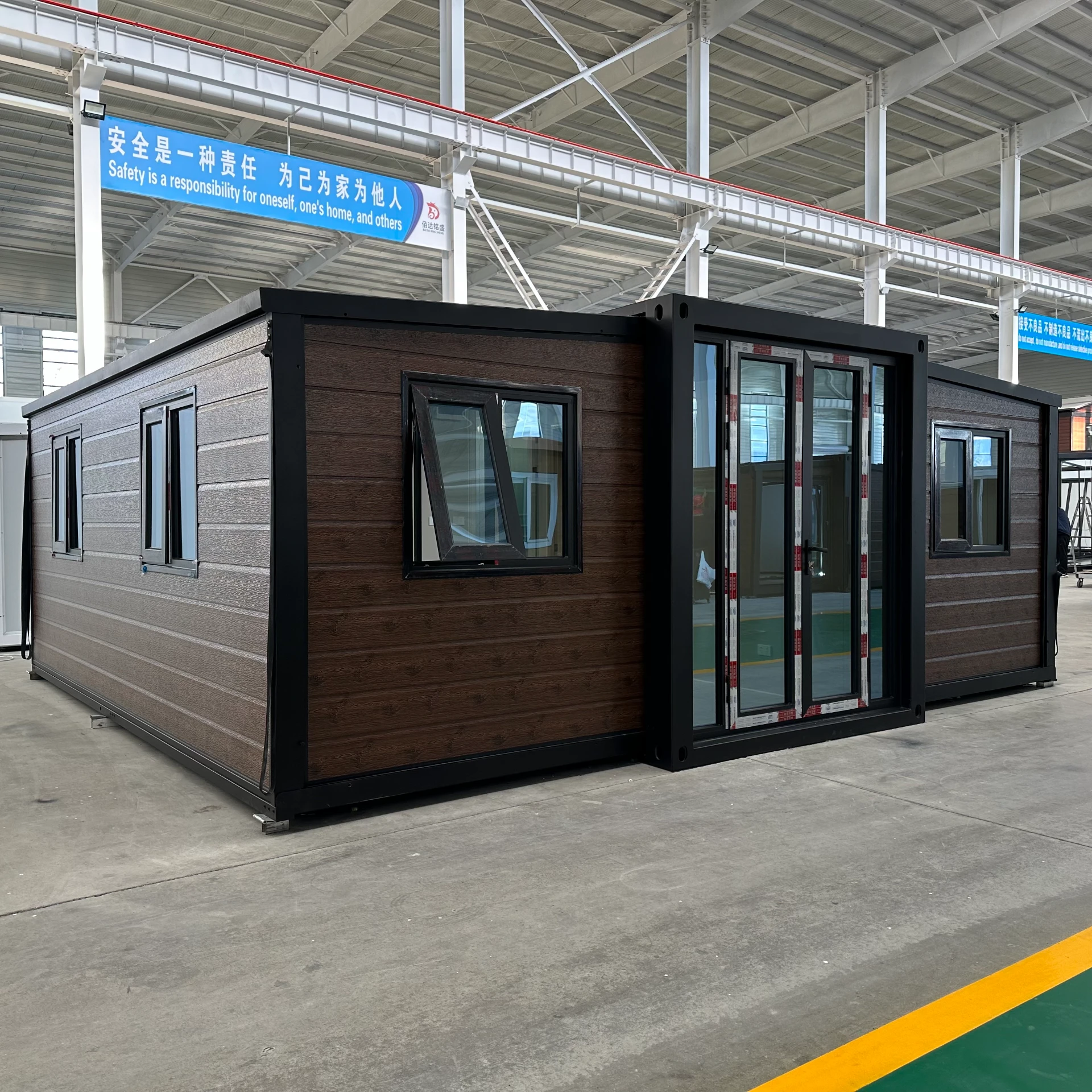
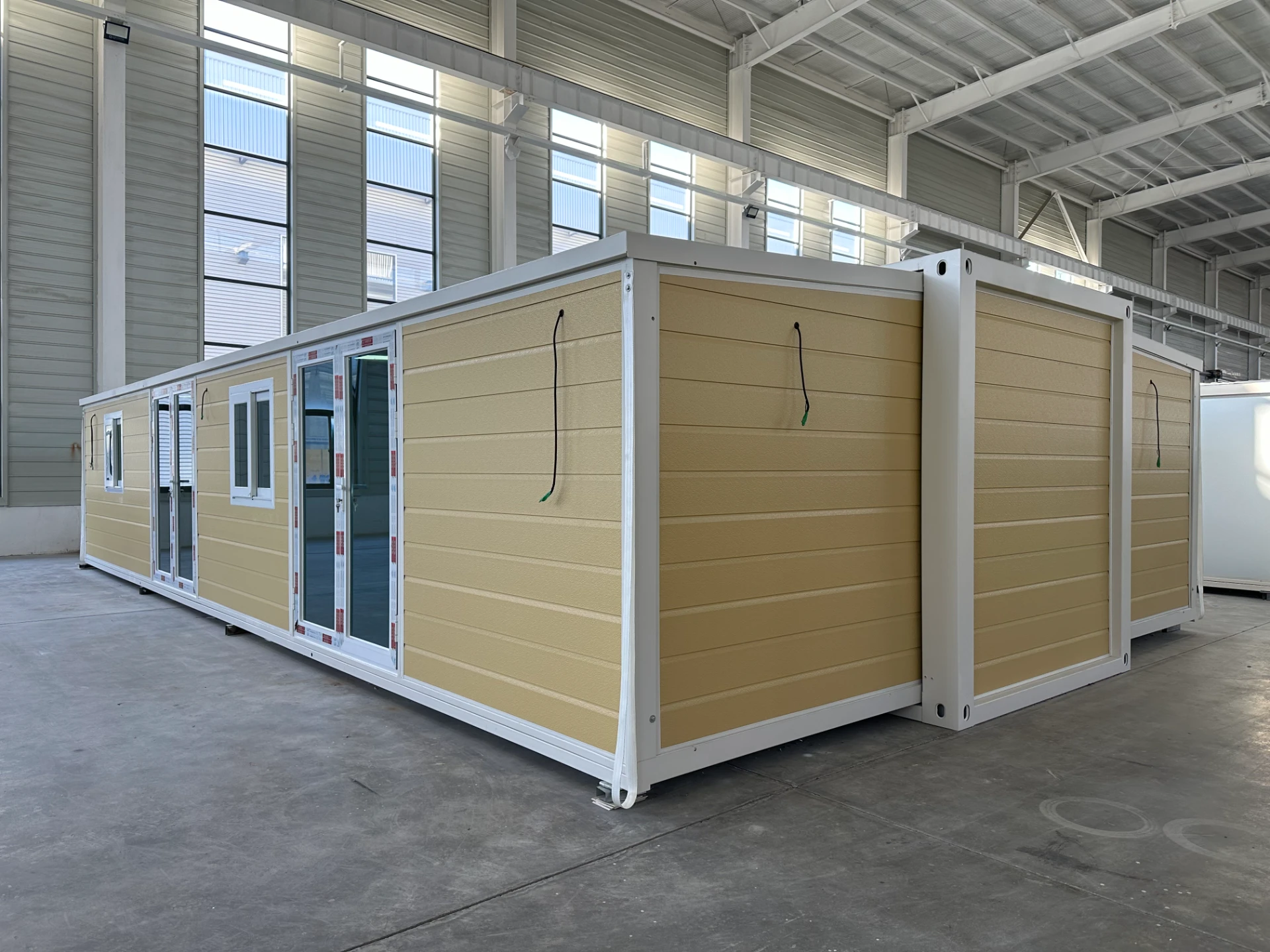
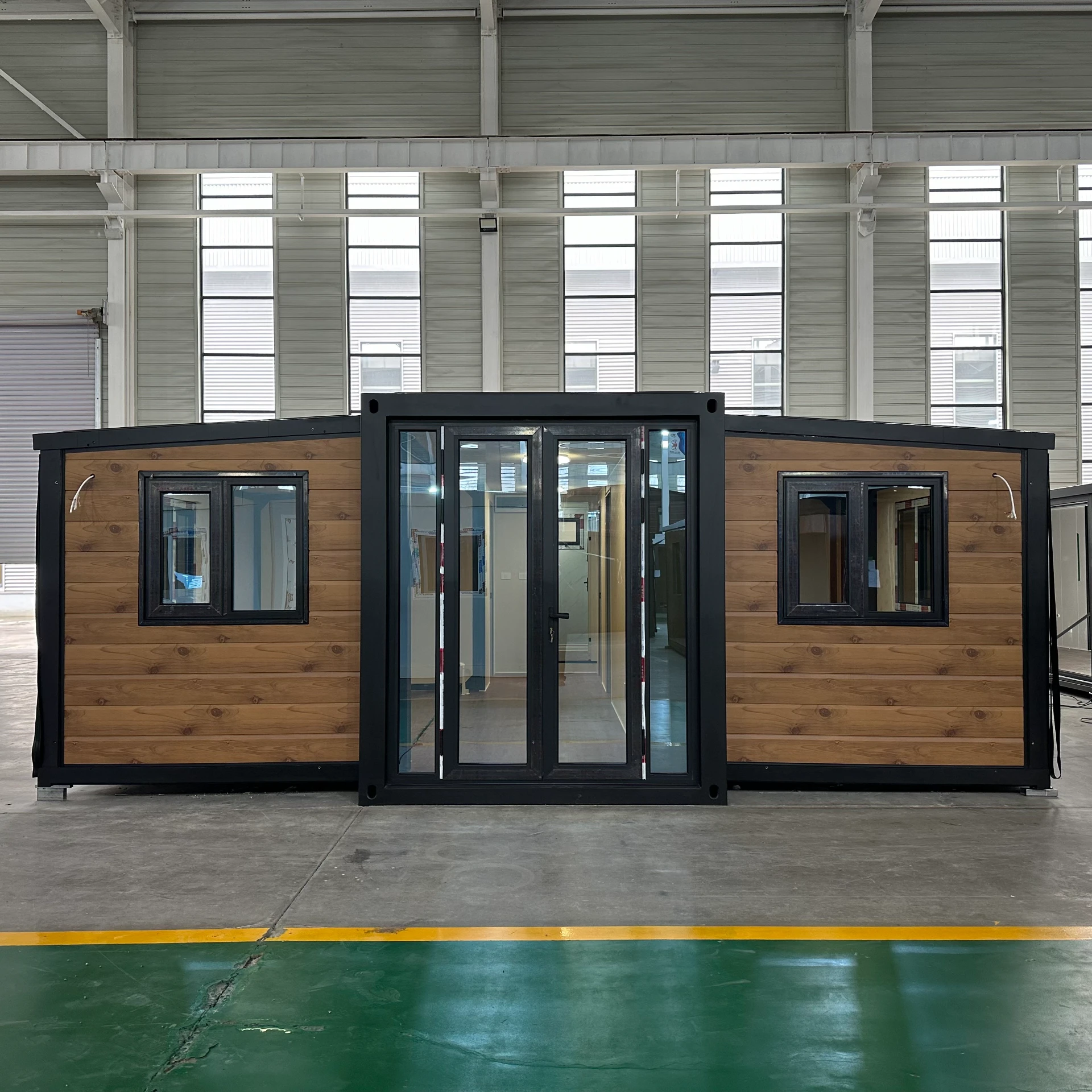
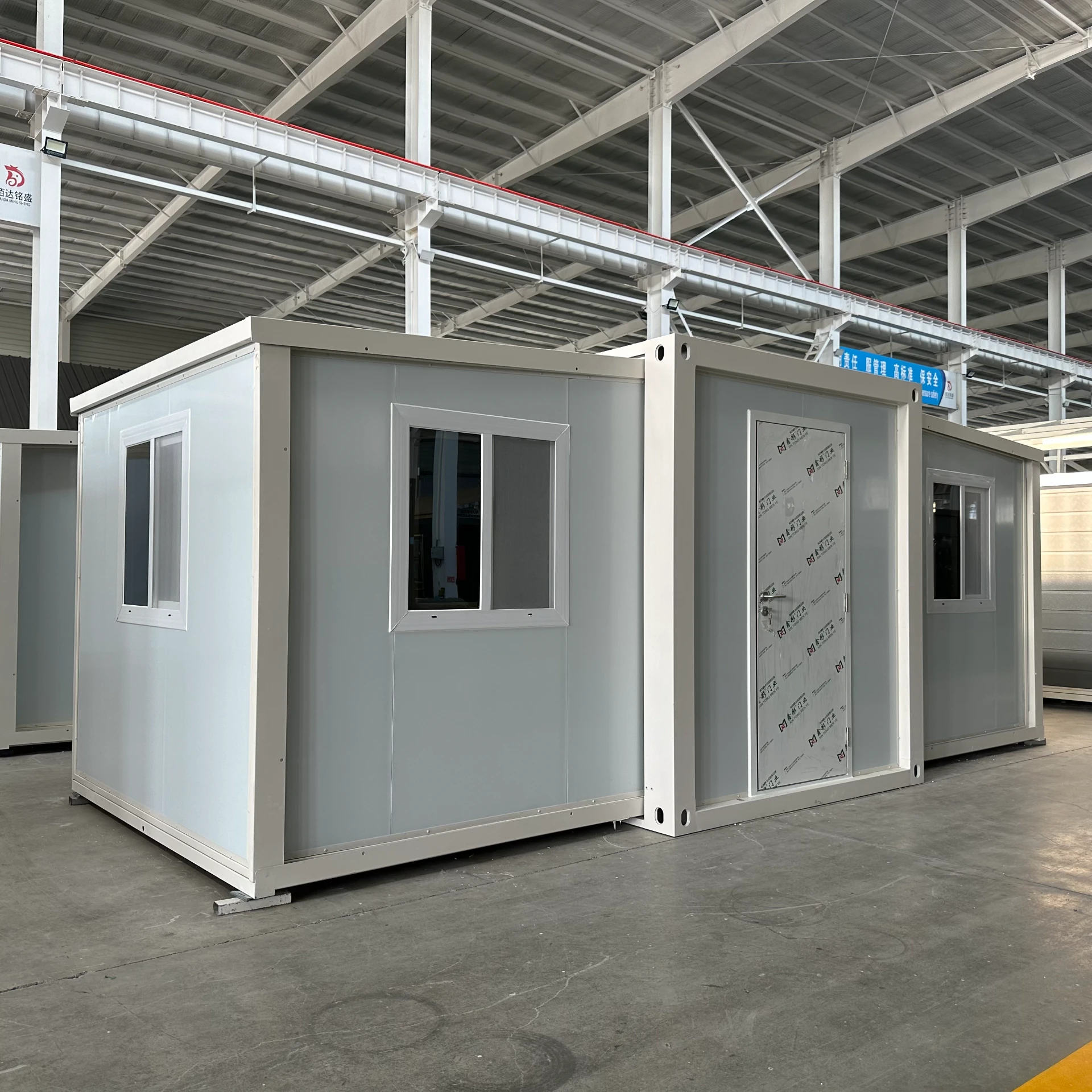
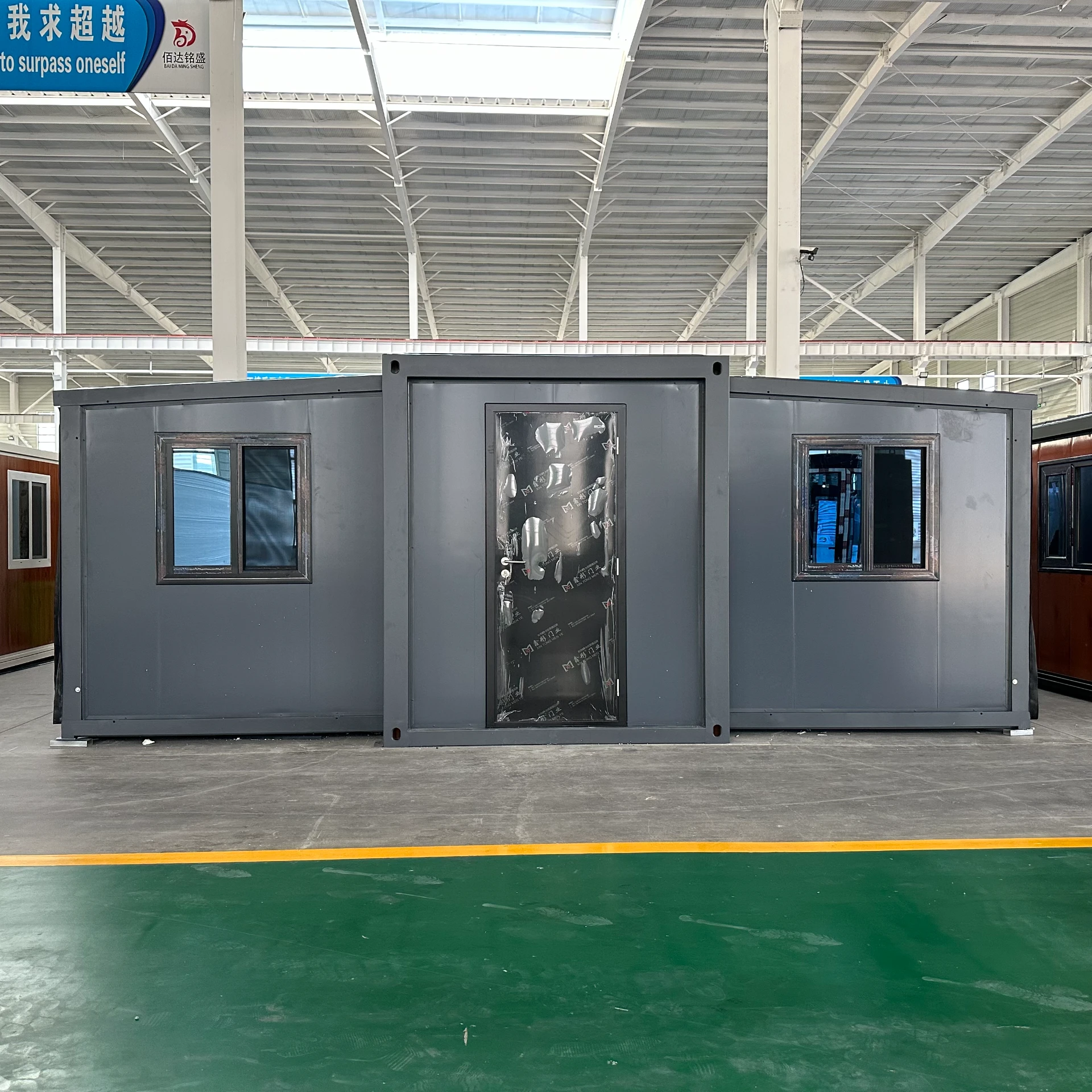
In Poland, the construction sector is currently facing a transition toward sustainable and rapid deployment. The increasing demand for workforce housing and emergency shelters has made the foldout house an essential tool for urban developers and industrial site managers who require immediate infrastructure without long-term onsite masonry work.
Poland's diverse climate—characterized by cold winters and humid summers—requires metal structures with superior thermal insulation and corrosion resistance. This has led to a surge in the adoption of high-grade galvanized steel frames that can support the heavy snow loads typical of the Tatra and Beskid regions while maintaining a compact, foldable form factor.
Economic shifts toward modularity are evident in the Polish "agro-tourism" sector. Many landowners are integrating a house foldable system to provide seasonal guest accommodation that complies with strict land-use regulations, as these structures are often classified as temporary installations rather than permanent buildings.