
Comprehensive Guide to Choosing the Right Power Backup Generator Solutions
Choosing the Right Power Backup Generator for Uninterrupted Power
In today's world, reliable power is essential for both residential and commercial needs. Unexpected power outages can disrupt operations, damage equipment, and lead to significant financial losses. A power backup generator provides a crucial solution, ensuring a continuous power supply during emergencies. This article will explore the different types of generators, their applications, factors to consider when choosing one, and why Yanchungongxiang offers the best solutions for your power needs. Investing in a reliable generator is an investment in peace of mind and business continuity.
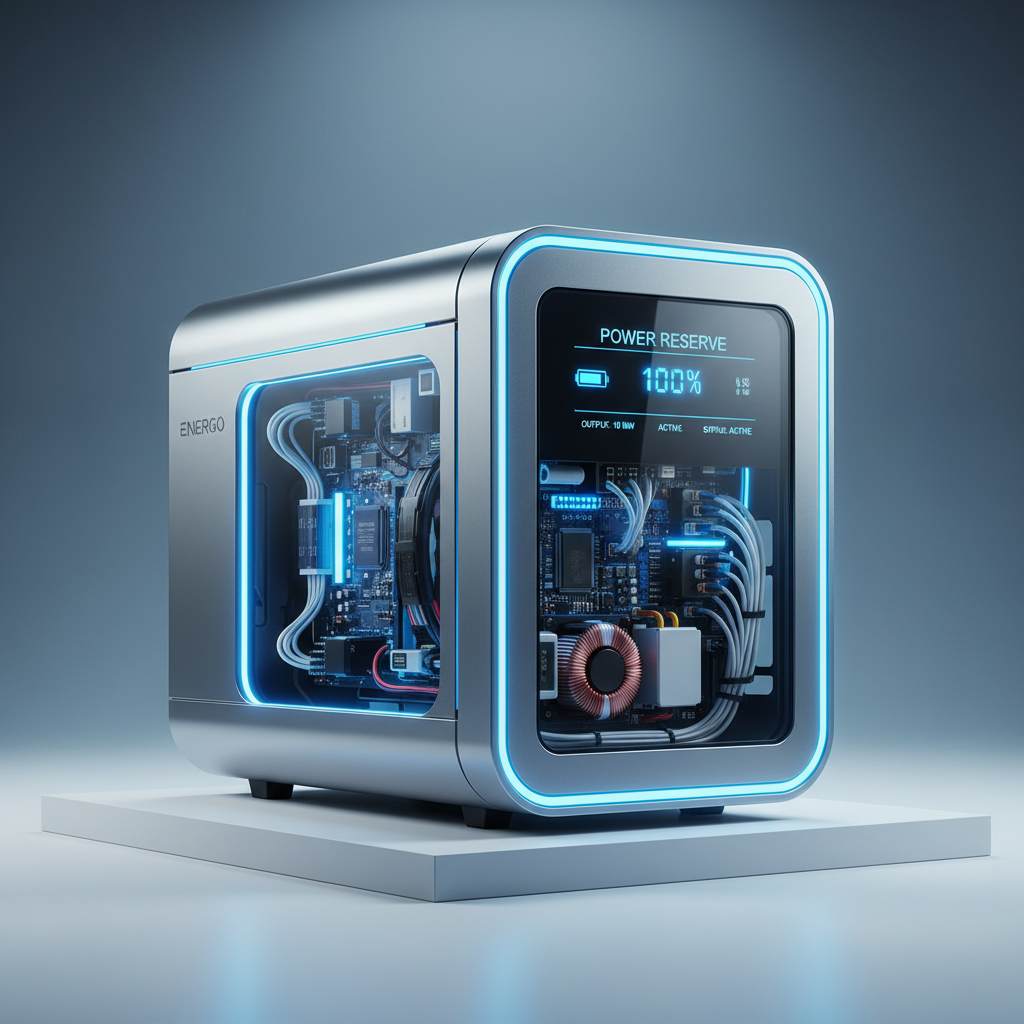
Understanding Different Types of Power Backup Generators
There are several types of power backup generators available, each with its own advantages and disadvantages. The most common types include portable generators, inverter generators, and standby generators. Portable generators are relatively inexpensive and easy to move, making them suitable for temporary power needs like camping or small home backup. Inverter generators produce cleaner power, making them ideal for sensitive electronics like laptops and smartphones. Standby generators are permanently installed and automatically kick in when the power goes out, providing a seamless transition and are usually powered by natural gas or propane.
Key Considerations: Choosing the right generator type depends on your specific power requirements, budget, and desired level of convenience.
Applications of Power Backup Generators
The applications of power backup generators are diverse. For residential use, they provide essential power during storms, blackouts, or emergencies, keeping critical appliances like refrigerators, heating systems, and medical equipment running. Commercially, they safeguard businesses from lost productivity and data loss, ensuring continued operation of essential systems like servers, security systems, and point-of-sale terminals. Hospitals, data centers, and emergency services rely heavily on generators to maintain uninterrupted service. Furthermore, they're invaluable for outdoor events, construction sites, and remote locations where access to grid power is limited.
Common Applications:
• Residential emergency power
• Commercial business continuity
• Healthcare facility backup power
• Remote site power solutions
Choosing the Right Power Backup Generator: Key Considerations
Selecting the appropriate generator requires careful consideration of several factors. First, calculate your power needs by adding up the wattage requirements of all the appliances and devices you want to power simultaneously. Next, choose a generator with sufficient wattage capacity to handle this load, with some extra capacity for future needs. Fuel type is another important consideration. Gasoline generators are affordable but require regular fuel storage. Propane generators are cleaner-burning but may have lower output. Natural gas generators offer convenience but require a natural gas line. Noise level, portability, and price are also important factors to consider. Yanchungongxiang can help you assess your needs and find the perfect generator.
Why Choose Yanchungongxiang for Your Generator Needs?
At Yanchungongxiang, we offer a comprehensive range of power backup generators to meet diverse needs. We pride ourselves on providing high-quality products, competitive pricing, and exceptional customer service. Our team of experts can help you select the right generator for your specific requirements, ensuring a reliable and efficient power backup solution. We offer installation, maintenance, and repair services to keep your generator running smoothly. Trust Yanchungongxiang for all your power backup needs.
Conclusion: Secure Your Power with a Reliable Generator
Investing in a power backup generator is a proactive step towards ensuring uninterrupted power for your home or business. With a wide selection of options and expert guidance from Yanchungongxiang, you can find the perfect solution to meet your specific needs and budget. Don't wait for the next outage – prepare today and experience the peace of mind that comes with reliable backup power.
Frequently Asked Questions (FAQs)
What size generator do I need for my home?
Determining the right size generator for your home involves calculating your total wattage requirements. Start by listing all the appliances you want to be able to run during an outage, then find the wattage listed on each appliance (usually on a sticker on the appliance itself). Add up the starting wattage (the wattage needed to start the appliance) and the running wattage (the wattage needed to keep it running). A good rule of thumb is to add a 20% buffer to your total wattage to account for fluctuations and future needs. Yanchungongxiang offers tools and assistance to help you accurately calculate your power needs.
How often should I test my generator?
It’s recommended to test your generator at least once a month to ensure it's in good working order. Run the generator for about 30 minutes under a moderate load (powering a few appliances). This helps keep the fuel system clean and verifies that the generator starts and runs properly. Also, check the oil level and other fluid levels regularly.
What is the difference between gasoline, propane, and natural gas generators?
Gasoline generators are the most affordable upfront but require regular fuel storage and produce more emissions. Propane generators offer cleaner burning and longer storage life but typically have lower output than gasoline models. Natural gas generators are the most convenient, as they connect directly to a natural gas line, eliminating the need for fuel storage, but require a natural gas connection. Each fuel type has its pros and cons depending on your specific needs and preferences.
What maintenance is required for a power backup generator?
Regular maintenance is crucial for ensuring the longevity and reliability of your generator. This includes changing the oil, air filter, and spark plug according to the manufacturer’s recommendations. Checking and cleaning the fuel system, testing the battery, and inspecting the wiring are also important maintenance tasks. Yanchungongxiang offers comprehensive maintenance services to keep your generator in top condition.