
Choosing the Ideal Petrol Generator for Home Use and Emergency Power
Choosing the Right Petrol Generator for Home Use
Power outages can be disruptive, impacting everything from essential appliances to security systems. A petrol generator for home use provides a reliable backup power source, ensuring you remain comfortable and connected during emergencies. This article will explore the benefits, key considerations, and factors to help you select the perfect generator for your needs. Investing in a generator offers peace of mind, knowing you’re prepared for unexpected power failures. We'll cover everything from power output to safety features.

Understanding the Benefits of a Petrol Generator
Petrol generators are a popular choice for home backup power due to their affordability and readily available fuel. They offer a high power output relative to their size and are relatively easy to maintain. Unlike diesel generators, they generally have lower upfront costs. They're ideal for powering essential appliances like refrigerators, lights, furnaces, and even small power tools during an outage. A petrol generator can also be essential for those living in areas prone to frequent power disruptions or relying on medical equipment that requires continuous power.
Key Advantages: Affordable, readily available fuel, high power output, easy maintenance, and suitable for various essential appliances.
Key Considerations When Choosing a Petrol Generator for Home Use
Selecting the right generator involves careful consideration of your power needs. Start by calculating the total wattage required to run the appliances you want to power simultaneously. Consider both running wattage (the power needed to keep an appliance running) and starting wattage (the surge of power needed to start it). Also, consider the generator's portability, noise level, and run time. A generator with a larger fuel tank will offer longer run times, but may be heavier and less portable. Proper ventilation is crucial, as petrol generators produce carbon monoxide – a deadly, odorless gas.
Essential Factors to Consider:
• Wattage requirements (running & starting)
• Portability and weight
• Run time (fuel tank capacity)
• Noise level
Comparing Popular Petrol Generators: A Side-by-Side Look
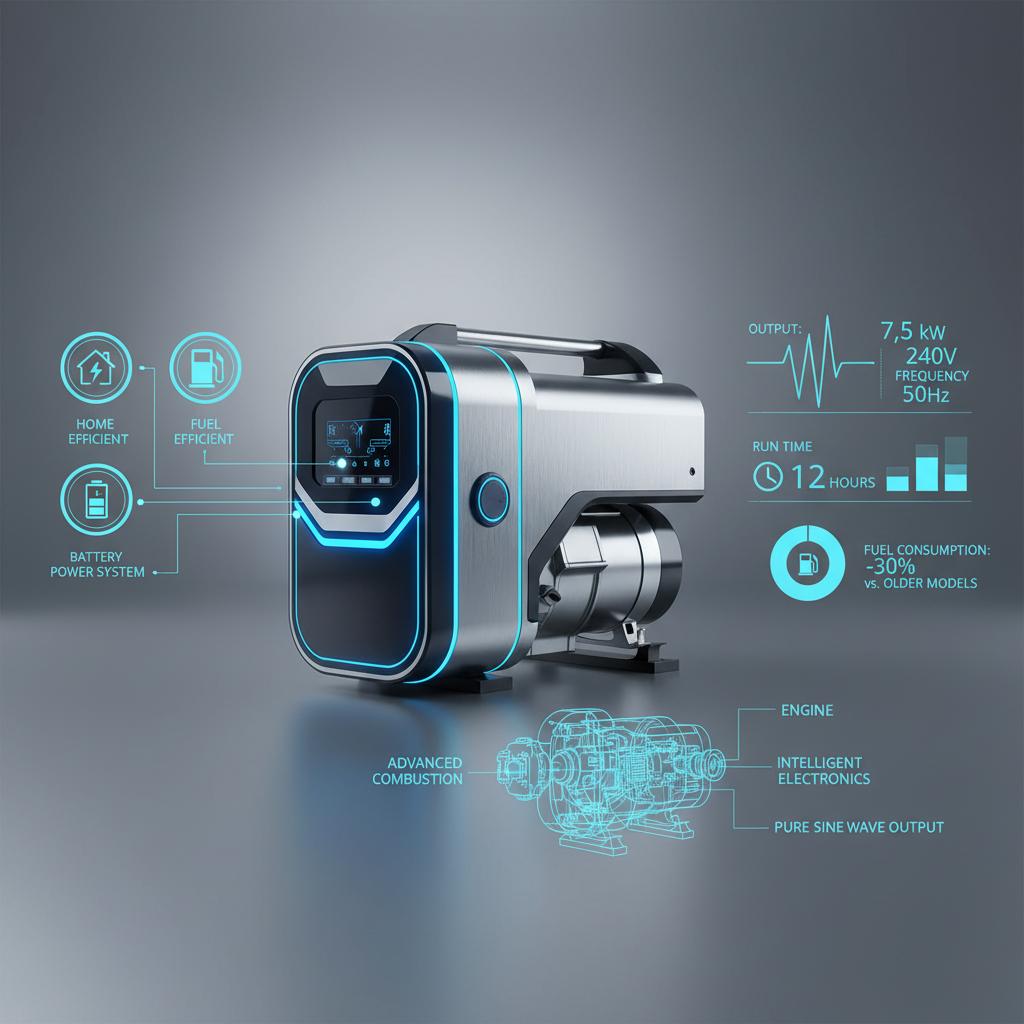
The market offers a variety of petrol generators, each with its own strengths and weaknesses. Below is a comparison of three popular models to help you narrow down your options. These models represent a range of price points and power outputs. The best choice will depend on your specific requirements and budget. Consider the features that are most important to you – such as portability, noise level, and run time – when making your decision. You can find a diverse range of options at Yanchungongxiang.
Safety Precautions When Using a Petrol Generator
Safety is paramount when operating a petrol generator. Always operate the generator outdoors in a well-ventilated area, away from windows, doors, and vents. Never operate a generator inside a home or garage – carbon monoxide poisoning is a serious risk. Store fuel properly in approved containers, away from heat sources. Regularly inspect the generator for any leaks or damage. Ensure the generator is grounded properly to prevent electric shock. Finally, always disconnect appliances before starting the generator, and never attempt to repair the generator yourself – consult a qualified technician.
Conclusion: Powering Your Peace of Mind
Investing in a petrol generator for home use is a smart investment in your safety and comfort. By carefully considering your power needs, choosing a reliable model, and following proper safety precautions, you can ensure you’re prepared for any power outage. Don’t wait until the power goes out – equip yourself with a dependable power source today.
Frequently Asked Questions (FAQs)
What size generator do I need for my home?
Determining the appropriate size generator depends on the appliances you need to power. Start by listing all the essential appliances (refrigerator, lights, furnace, etc.). Find the running wattage for each appliance (usually listed on a label). Add up the running wattages, and then add the starting wattage of the appliance with the highest starting wattage requirement. This total wattage will determine the minimum generator size you need. It’s always better to choose a generator with a slightly higher capacity than your calculated needs to avoid overloading it. You can use online wattage calculators to help you with this process.
How often should I maintain my petrol generator?
Regular maintenance is crucial for ensuring your generator operates reliably. Change the oil every 50-100 hours of operation, or at least once a year. Clean or replace the air filter regularly, especially in dusty environments. Check the spark plug and replace it if necessary. Inspect the fuel lines for leaks and cracks. Stabilize the fuel to prevent it from degrading during storage. Refer to your generator's owner's manual for specific maintenance recommendations.
Can I run a generator in the rain?
While most generators are designed to run in light rain, it's crucial to protect them from direct exposure to heavy rain or moisture. Never operate a generator in standing water, as this could create a serious electric shock hazard. Use a generator tent or cover to shield the generator from the elements. Ensure the generator is placed on a dry, level surface. Never touch the generator with wet hands or while standing in water.
What is the best way to store a petrol generator?
Proper storage is essential for preserving your generator's lifespan. Before storing, drain the fuel tank completely or use a fuel stabilizer. Disconnect the spark plug wire to prevent accidental starting. Clean the generator thoroughly. Store it in a dry, well-ventilated area, away from direct sunlight and extreme temperatures. Cover the generator to protect it from dust and debris. Consult your owner's manual for specific storage recommendations.