
Comprehensive Guide to Choosing a Portable Diesel Generator for Home Use
Choosing the Right Portable Diesel Generator for Home Use
Power outages can disrupt daily life, making a portable diesel generator for home use a valuable investment. These generators provide a reliable backup power source, ensuring essential appliances and devices remain operational. This article will guide you through the key considerations when selecting a diesel generator, covering factors like power needs, features, and maintenance. We will help you choose a generator that fits your specific requirements and offers long-lasting performance. Investing in the right generator brings peace of mind and preparedness.
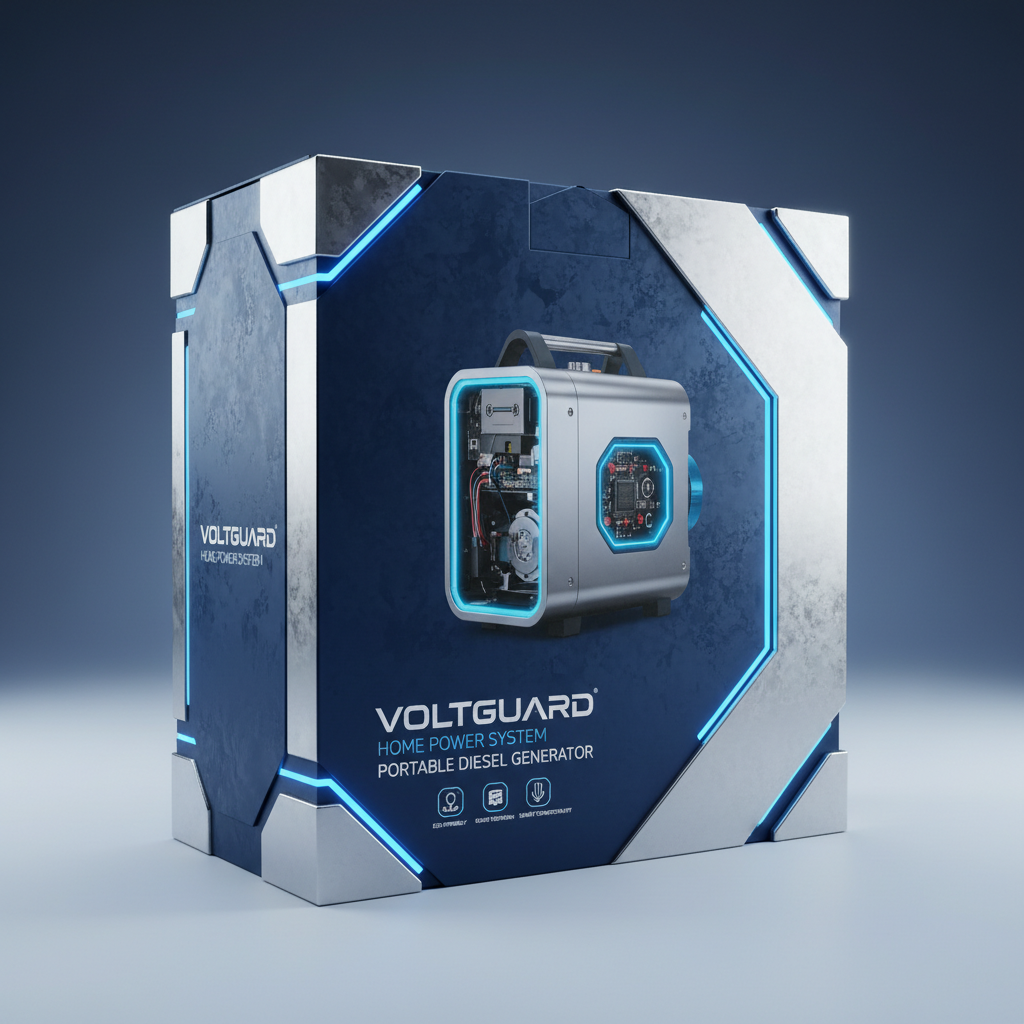
Understanding Your Power Needs
Before purchasing a portable diesel generator, it's crucial to determine your power requirements. Create a list of the appliances you need to run during an outage – refrigerator, lights, heating system, medical devices, etc. Calculate the wattage each appliance consumes (this information is usually found on the appliance's label). Add up the wattage of all the appliances you intend to run simultaneously. This total wattage will guide you in selecting a generator with sufficient capacity. Remember to account for 'starting wattage', which is often higher than 'running wattage' for appliances with motors like refrigerators or air conditioners.
Key Consideration: Starting wattage is usually 2-3 times the running wattage for motor-driven appliances. Ensure the generator's peak wattage (maximum output) can handle these surges.
Key Features to Look for in a Diesel Generator
Several features contribute to the usability and reliability of a diesel generator. Look for models with automatic voltage regulation (AVR) to protect sensitive electronics. A low-oil shutdown feature prevents engine damage. Electric start is more convenient than recoil start, particularly for frequent use. Noise level is also a significant factor – consider generators with noise reduction features for quieter operation. Fuel efficiency is crucial, impacting runtime and fuel costs. Finally, portability – consider weight and the presence of wheels or handles.
Important Features:
• Automatic Voltage Regulation (AVR)
• Low-Oil Shutdown
• Electric Start
• Noise Reduction Technology
Portable Diesel Generator for Home Use: Comparing Popular Options
Choosing between different diesel generators can be challenging. Here’s a comparison of three popular models, highlighting their strengths and weaknesses to help you make an informed decision. Yanchungongxiang offers a wide range of reliable diesel generators suitable for home use.
Maintenance and Safety Considerations
Regular maintenance is essential for ensuring the longevity and reliable operation of your diesel generator. This includes regularly checking the oil level, air filter, and fuel filter. Follow the manufacturer's recommended maintenance schedule. Always operate the generator in a well-ventilated area to avoid carbon monoxide poisoning. Never refuel the generator while it’s running or hot. Store fuel safely in approved containers. Consider installing carbon monoxide detectors in your home.
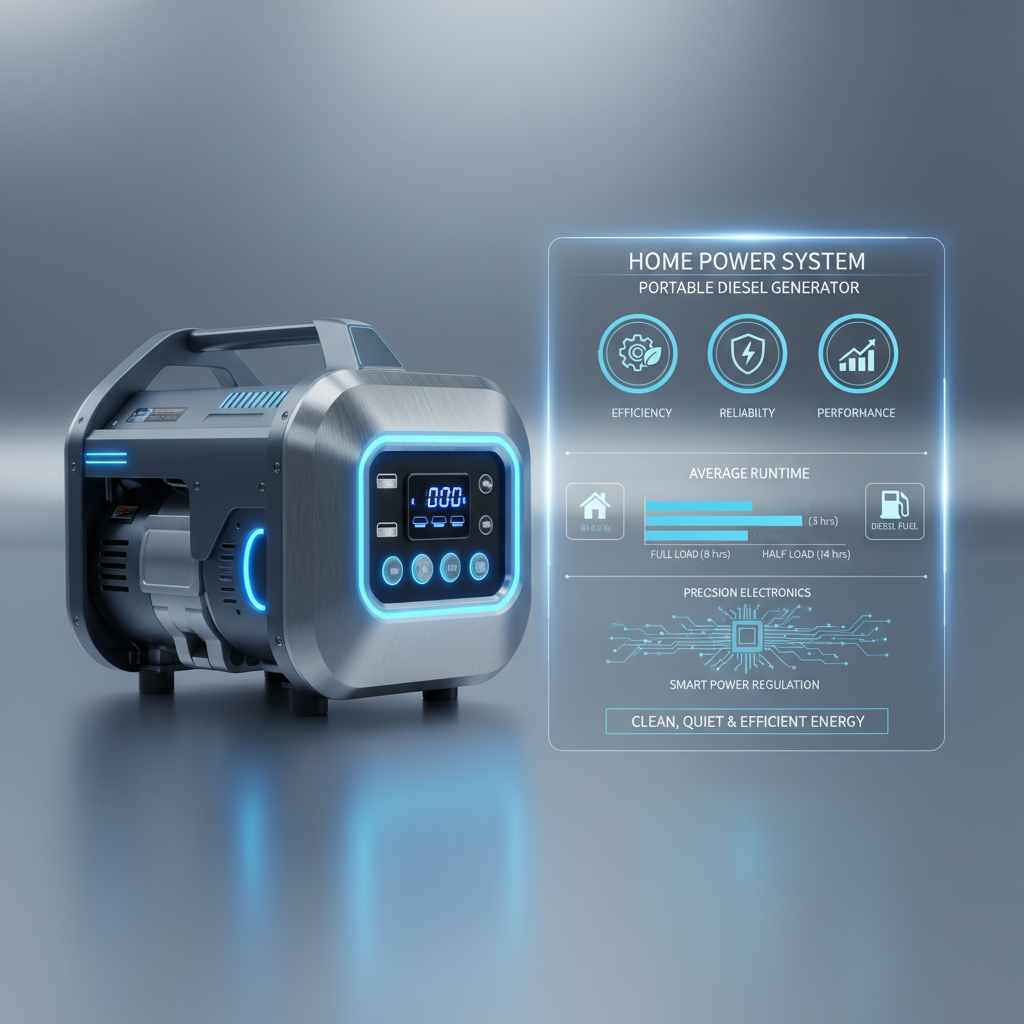
Conclusion: Powering Your Life with Confidence
Investing in a reliable portable diesel generator for home use is a smart decision for preparedness and peace of mind. By carefully assessing your power needs, considering key features, and practicing proper maintenance, you can ensure a dependable backup power source for years to come.
Explore the wide range of diesel generators available at Yanchungongxiang to find the perfect solution for your home.
Frequently Asked Questions (FAQs)
What fuel efficiency can I expect from a diesel generator?
Diesel generators generally offer better fuel efficiency compared to gasoline generators, especially under heavy loads. Fuel consumption varies depending on the load and generator model. Typically, a diesel generator will consume around 0.25 to 0.35 gallons of diesel fuel per kilowatt-hour (kWh) of electricity produced. Choosing a generator with an automatic voltage regulator and optimized engine design can further improve fuel efficiency. Regular maintenance, such as keeping the air filter clean, also plays a crucial role in maximizing fuel economy.
How loud are diesel generators, and what can I do to reduce the noise?
Diesel generators can be relatively noisy, typically ranging from 65 to 75 decibels (dB). This noise can be disruptive to neighbors and uncomfortable for occupants. To reduce noise levels, consider purchasing a generator with noise reduction features, such as an enclosed housing or muffler. Placing the generator on a rubber mat or sound-absorbing material can also dampen vibrations and reduce noise transmission. Positioning the generator as far away from living areas as possible, while ensuring proper ventilation, is another effective strategy.
What is the typical lifespan of a portable diesel generator?
With proper maintenance, a portable diesel generator can last for 2,000 to 3,000 hours, or even longer. The lifespan depends on factors such as usage frequency, load levels, and maintenance practices. Regular oil changes, air filter replacements, and fuel filter cleaning are crucial for extending the generator's life. Following the manufacturer's recommended maintenance schedule is essential. Avoid overloading the generator, as this can cause premature wear and tear.
Is it safe to run a diesel generator indoors?
No, it is extremely dangerous to run a diesel generator indoors or in partially enclosed spaces. Diesel generators produce carbon monoxide (CO), a colorless and odorless gas that can be fatal. Even with ventilation, CO can build up to dangerous levels. Always operate the generator outdoors, at least 20 feet away from your home and any occupied buildings. Install carbon monoxide detectors inside your home as an added safety measure. Never operate the generator in a garage, basement, or any other enclosed area.