
Essential Guide to Choosing a Reliable Portable Power Generator for Camping
Choosing the Right Portable Power Generator for Camping
Planning a camping trip often involves considering how to power essential devices, from lights and phones to refrigerators and medical equipment. A portable power generator for camping is the perfect solution, providing reliable energy off-grid. But with so many options available, selecting the right one can be daunting. This guide will walk you through the key considerations, helping you make an informed decision and enjoy a powered-up outdoor experience. We'll cover everything from power output and battery life to portability and safety features, ensuring you find the ideal generator for your camping needs.
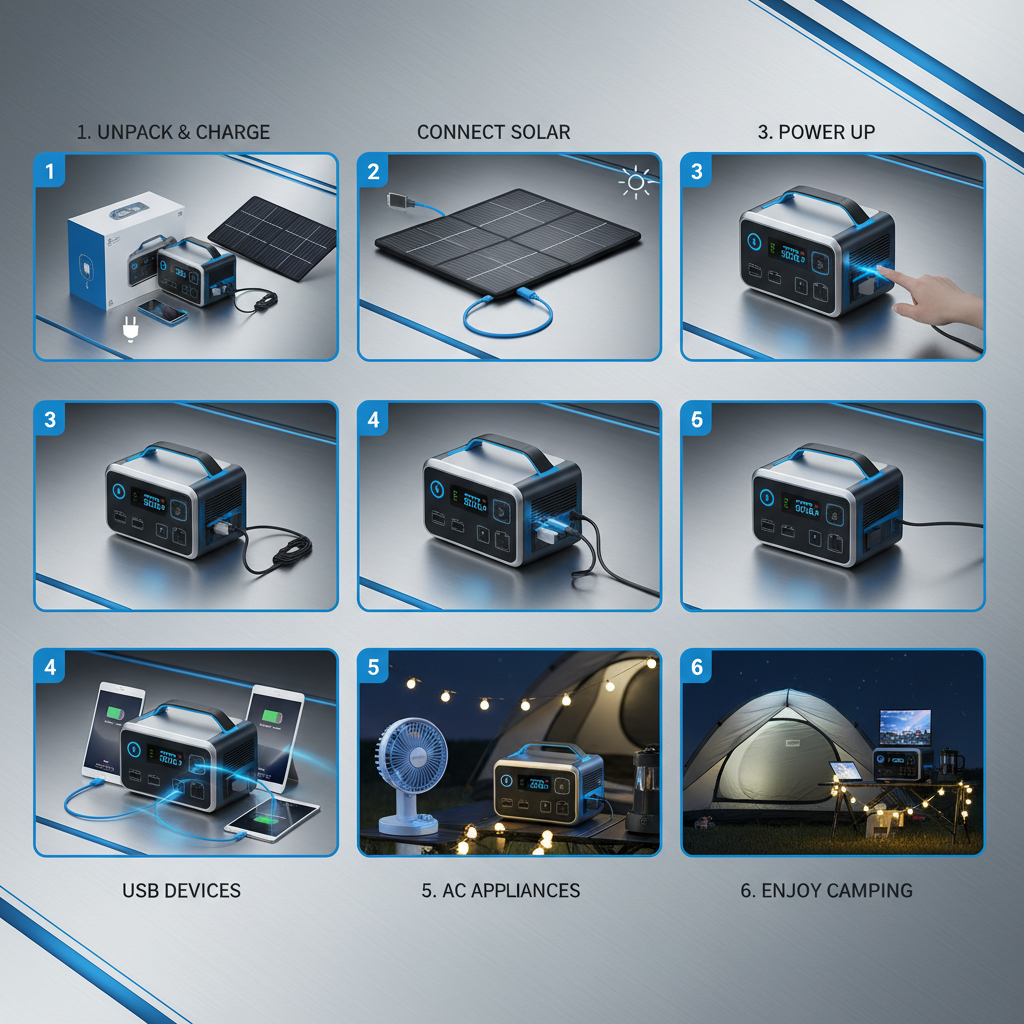
Understanding Your Power Needs for Camping
Before investing in a portable power generator, it’s crucial to determine your power requirements. List all the devices you plan to power during your camping trip, and note their wattage. Some devices list wattage directly, while others may only show amperage. To calculate wattage from amperage, use the formula: Watts = Volts x Amps (typically Volts is 120V in the US). Add up the wattage of all devices you’ll use simultaneously to determine the minimum generator output you need. It’s wise to add a buffer of 20-30% to accommodate surge wattage—the extra power required when some devices start up. A camping power generator will vary in capacity, making sure you choose the right one is important.
Key Considerations: Accurately assessing your power needs is the foundation of choosing the right generator. Factor in both running wattage and surge wattage to ensure sufficient power for all your devices.
Types of Portable Power Generators for Camping
Two main types of portable power generators dominate the camping market: gasoline-powered and solar generators (also known as portable power stations). Gasoline generators are generally more powerful and can run for longer on a full tank, but they are noisy, produce emissions, and require fuel storage. Solar generators are quieter, emission-free, and require only sunlight to recharge. However, they typically have lower power output and rely on weather conditions. Some models can also be charged via AC outlet or car charger. The best choice depends on your power needs, camping style, and environmental preferences.
Generator Type Comparison:
• Gasoline Generators: Higher power, longer runtime, noisy, emissions, fuel required.
• Solar Generators: Quiet, emission-free, weather-dependent, lower power, versatile charging options.
Key Features to Look For in a Portable Power Generator for Camping
Beyond the power source, several key features determine a generator's suitability for camping. Consider the following: Portability: Look for a generator that is lightweight and easy to carry, especially if you plan to move it frequently. Runtime: How long can the generator run on a full tank of fuel or charge? Longer runtime is crucial for extended trips. Outlets: Ensure the generator has enough outlets (AC, USB, DC) to accommodate all your devices. Safety Features: Look for features like overload protection, low-oil shutdown, and surge protection. Noise Level: Quieter generators are more enjoyable in a camping setting. A quality portable power generator for camping should be both reliable and safe to use.
Comparing Popular Portable Power Generators: Yanchungongxiang Models
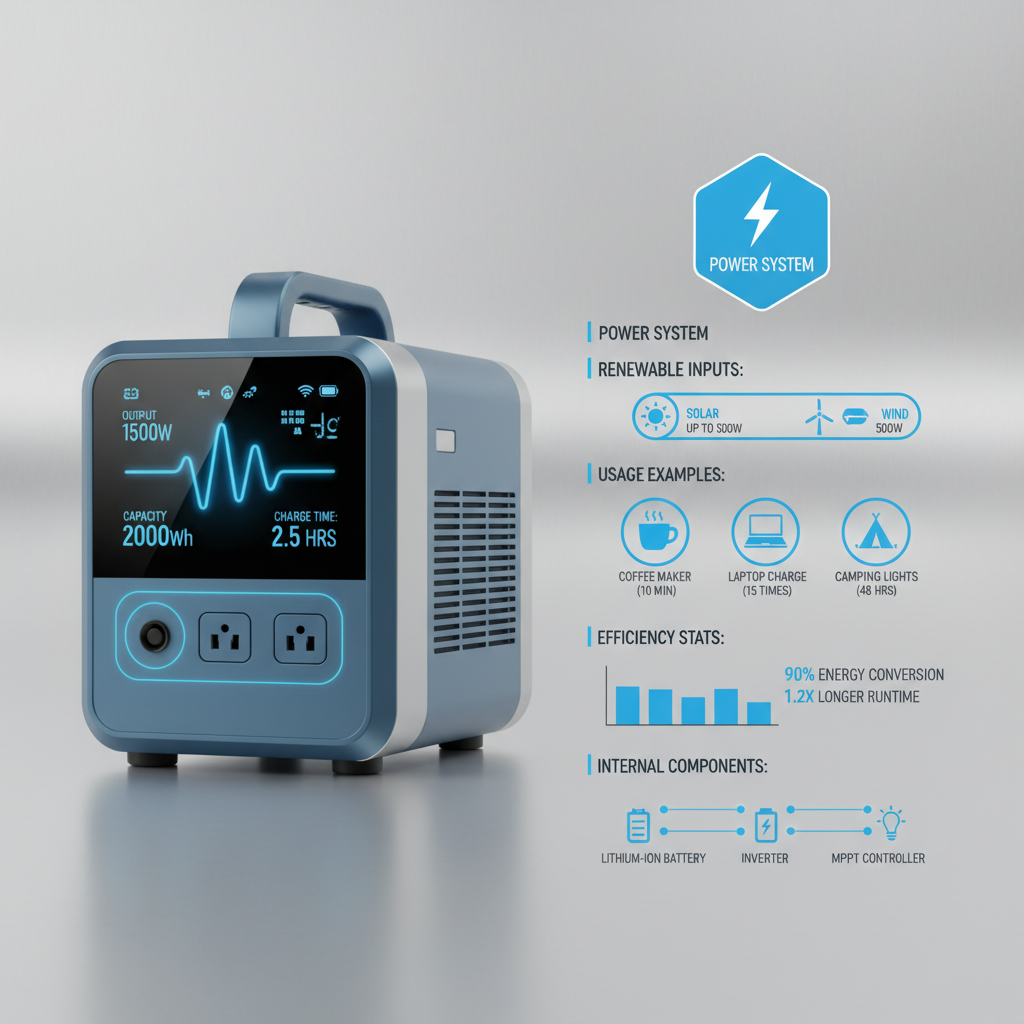
Yanchungongxiang offers a diverse range of portable power generators for camping to suit various needs and budgets. Here’s a comparison of some popular models:
Conclusion: Powering Your Adventures with Confidence
Choosing the right portable power generator for camping is an investment in your outdoor experience. By carefully considering your power needs, comparing different types, and evaluating key features, you can find the perfect solution to keep your devices charged and your adventures powered. Explore the range of options available at Yanchungongxiang to find the ideal generator for your next trip.
Frequently Asked Questions (FAQs)
How do I calculate the wattage I need for my camping trip?
To calculate your wattage needs, list all the devices you plan to use, noting their wattage (or amperage, which you can convert to watts using Watts = Volts x Amps). Add up the wattage of all devices you’ll use simultaneously. Remember to account for surge wattage—the extra power some devices require when starting up—by adding a 20-30% buffer to your total. For example, if you're running a 100W light, a 50W phone charger, and a 200W mini-fridge at the same time, your running wattage is 350W. Adding a 20% buffer gives you 420W, so you'd want a generator with at least 420W output.
How do I maintain my portable power generator?
Proper maintenance extends the lifespan of your generator. For gasoline generators, regularly check oil levels, air filters, and spark plugs. For solar generators, keep the solar panels clean and store the generator in a cool, dry place. Always follow the manufacturer's instructions for specific maintenance procedures. Avoid overloading the generator and protect it from extreme weather conditions. Store gasoline generators with stabilized fuel to prevent degradation.
Are solar generators affected by cloudy weather?
Yes, solar generators rely on sunlight to recharge, so their charging efficiency is reduced in cloudy weather. However, most solar generators can also be charged via AC outlet or car charger, providing backup options when sunlight is limited. Some models also have large battery capacities, allowing them to power devices for a significant period even without sunlight. Consider the typical weather conditions of your camping location when choosing a solar generator.
What safety precautions should I take when using a portable power generator?
Safety is paramount when using a portable generator. Never operate a gasoline generator indoors or in a poorly ventilated area due to the risk of carbon monoxide poisoning. Keep the generator away from flammable materials. Do not overload the generator. Protect it from rain and moisture. Always follow the manufacturer’s safety guidelines. For solar generators, avoid exposing the battery to extreme temperatures.