
Comprehensive Guide to Choosing the Right Power Generator for House Use
Choosing the Right Power Generator for House: A Comprehensive Guide
Ensuring a reliable power supply is crucial for modern living, especially during emergencies or power outages. A power generator for house provides peace of mind and keeps essential appliances running. This article will guide you through the key considerations when selecting a generator, including types, sizing, features, and safety precautions. We’ll help you choose the best generator to meet your specific needs and budget.
Understanding the Different Types of Power Generators
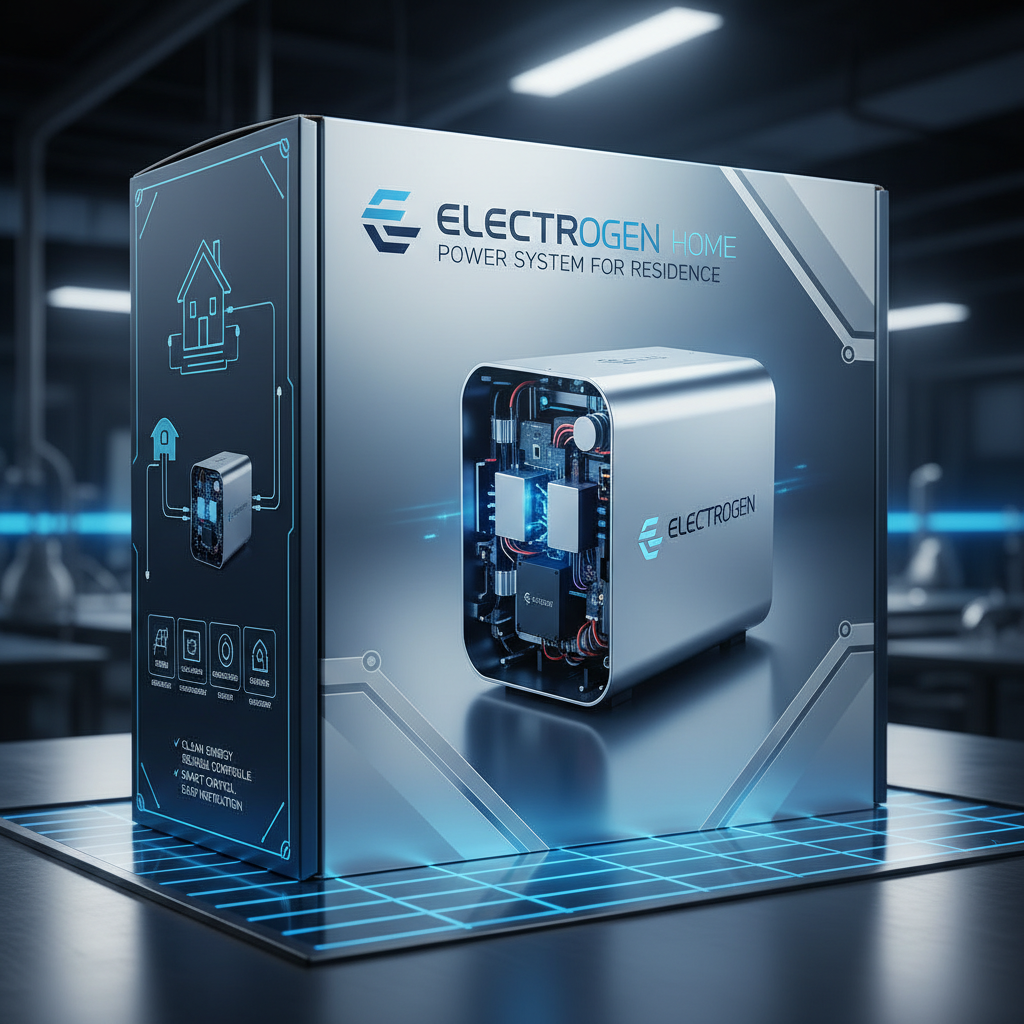
There are several types of power generators available, each with its own advantages and disadvantages. The most common types include portable generators, inverter generators, and standby generators. Portable generators are affordable and easy to transport, making them ideal for camping or temporary power needs. Inverter generators are quieter and produce cleaner power, suitable for sensitive electronics. Standby generators automatically kick in during a power outage and are typically powered by natural gas or propane, offering a seamless power transition. Selecting the right type depends on your intended use, budget, and power requirements. Consider how often you plan to use the generator and what you'll be powering.
Sizing Your Power Generator: Calculating Your Wattage Needs
Determining the appropriate size of your power generator is essential. Start by making a list of all the appliances you want to power during an outage. Then, identify the wattage requirements for each appliance – this information can usually be found on the appliance itself or in its user manual. Add up the running wattage of all the appliances. Finally, factor in the starting wattage, which is the extra power needed to start motors in appliances like refrigerators and air conditioners. This can be 2-3 times the running wattage. Choosing a generator with sufficient wattage ensures it can handle your power needs without being overloaded. Overloading a generator can damage both the generator and your appliances.
Key Tip: Always overestimate your wattage needs slightly to accommodate unexpected loads or future additions.
Key Features to Look for in a Power Generator
When choosing a generator, consider features like fuel type (gasoline, propane, natural gas, or dual-fuel), noise level, run time, and safety features. Dual-fuel generators offer flexibility, allowing you to switch between gasoline and propane. Lower noise levels are important if you live in a residential area. Longer run times reduce the need for frequent refueling. Safety features like low-oil shutoff and overload protection are crucial for preventing damage and ensuring safe operation.
Power Generator Comparison: Gasoline vs. Propane vs. Natural Gas
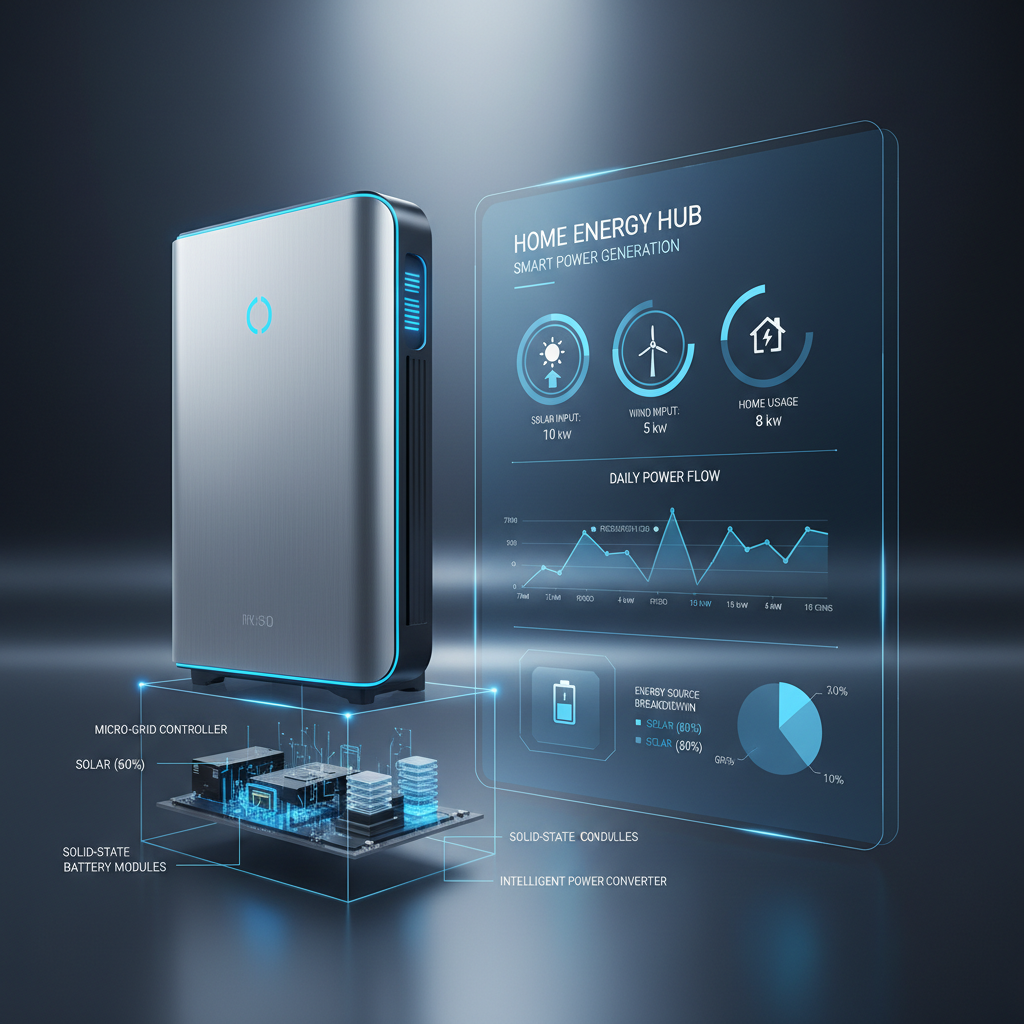
Each fuel type offers distinct advantages and disadvantages. Gasoline is readily available and affordable, but it has a shorter shelf life and can be more dangerous to store. Propane is cleaner burning and has a longer shelf life, but it can be more expensive. Natural gas is convenient if you have a natural gas line, but it requires a dedicated connection. Here's a quick comparison:
Safety Precautions When Using a Power Generator
Safety should be your top priority when using a power generator. Never operate a generator indoors or in a partially enclosed space, as this can lead to carbon monoxide poisoning. Always operate the generator on a level surface and away from flammable materials. Use heavy-duty, outdoor-rated extension cords. Regularly inspect the generator for any damage or leaks. Store fuel properly in approved containers. Carbon monoxide detectors are essential for any home with a generator. Familiarize yourself with the generator's manual and follow all safety instructions.
Conclusion: Powering Your Life with Confidence
Choosing the right power generator for your house is an investment in peace of mind and preparedness. By understanding the different types, sizing your needs accurately, and prioritizing safety, you can ensure a reliable power supply when you need it most. Explore the wide range of generators available at Yanchungongxiang to find the perfect solution for your home.
Frequently Asked Questions (FAQs)
What maintenance is required for a power generator?
Regular maintenance is crucial for ensuring the longevity and reliability of your generator. This includes changing the oil, air filter, and spark plug according to the manufacturer’s recommendations. It’s also important to clean the generator regularly and inspect it for any signs of damage or wear. For gasoline generators, fuel stabilizer should be added to prevent fuel from deteriorating during storage. Refer to your generator’s manual for specific maintenance instructions. Proper maintenance can significantly extend the life of your generator and prevent costly repairs.
Can I run a generator during a storm?
It's generally not recommended to run a generator during a storm, especially if there is lightning or heavy rain. Lightning strikes can damage the generator and pose a safety hazard. Heavy rain can cause electrical shorts and potentially create a dangerous situation. If you must run a generator during inclement weather, ensure it is properly sheltered and protected from the elements, but never operate it indoors. Prioritize your safety and consider alternative solutions if the weather is severe.
How do I safely store a power generator?
Proper storage is essential for maintaining the condition of your generator. Before storing, drain the fuel tank (for gasoline generators) or use a fuel stabilizer. Store the generator in a dry, well-ventilated area away from flammable materials. Cover the generator to protect it from dust and debris. Disconnect the battery to prevent it from draining during storage. Follow the manufacturer’s instructions for specific storage recommendations.
What is the difference between running watts and starting watts?
Running watts refer to the continuous power a generator can supply to appliances while they are operating. Starting watts, also known as surge watts, represent the extra power needed to start appliances with motors, such as refrigerators, air conditioners, or pumps. Starting watts are typically 2-3 times higher than running watts. When selecting a generator, you must ensure it can handle both the running watts of all connected appliances and the starting watts of the largest motor-driven appliance. Failing to do so can overload the generator and cause damage.