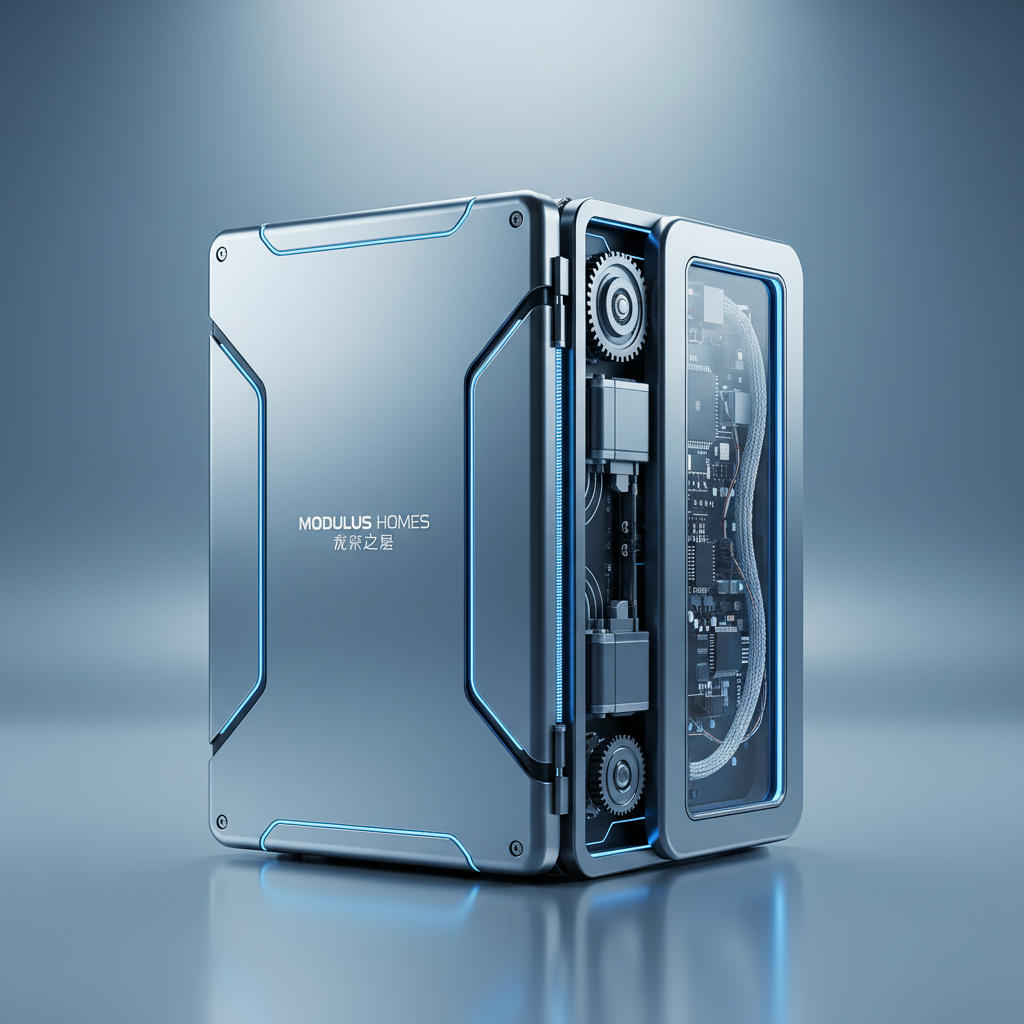
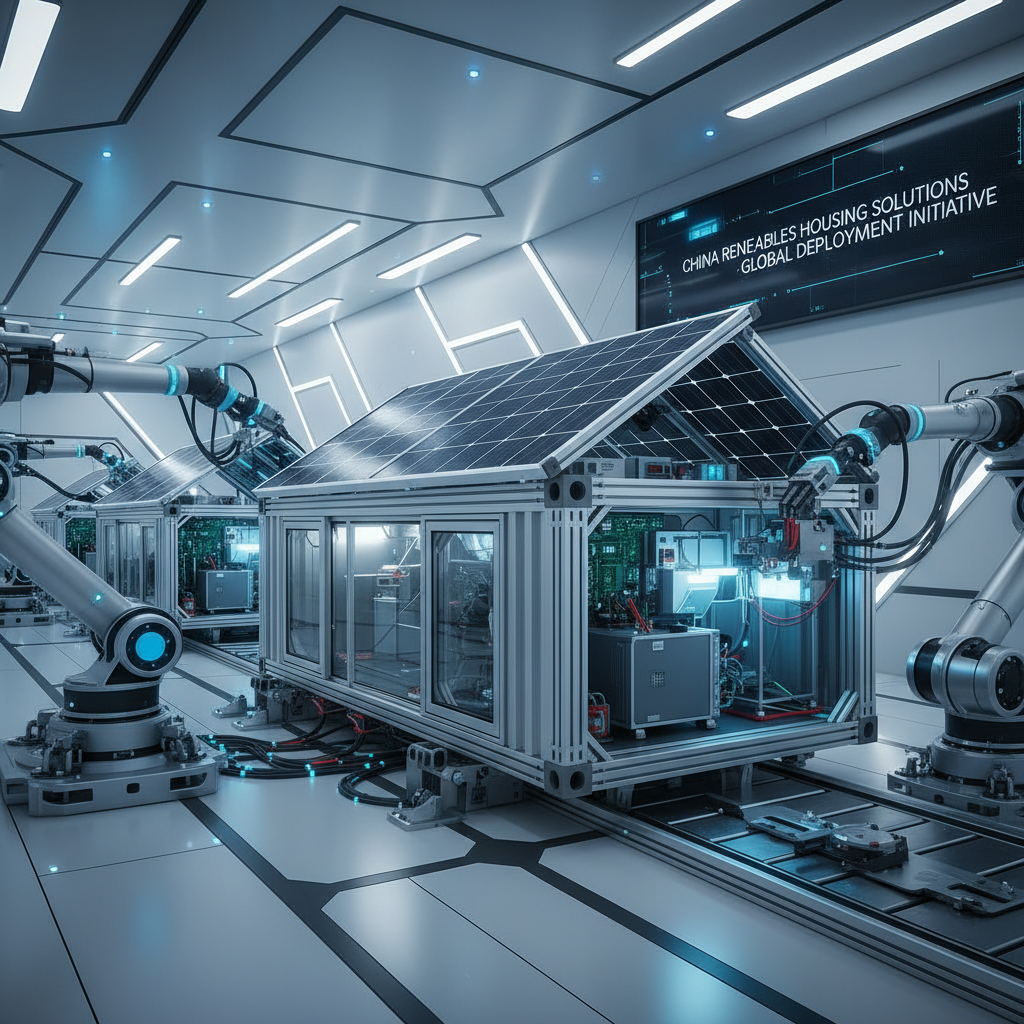
Look, I've spent the last decade knee-deep in dust and concrete, watching building trends come and go. And let me tell you, this whole shift towards expandable tiny house – it's not a fad. It’s a real solution to a lot of problems we’re facing, from housing shortages to disaster relief. It’s about smart design, efficient materials, and getting people shelter fast. We’re talking about a system that can adapt to needs, scale up or down, and frankly, just make life a whole lot easier for everyone involved, from the folks needing a roof over their heads to the crews putting it up.
What I've seen out there on sites is a constant struggle with timelines, budgets, and logistics. Traditional building just can’t keep up with the demand, especially in emergency situations. These expandable tiny house offer a completely different approach – pre-fabricated components, rapid deployment, and a whole lot less waste. It’s about thinking outside the box, and I’m telling you, it’s a game-changer. We’re moving beyond just building houses, and into providing shelter solutions.
And honestly, the quality is improving exponentially. It's not like the prefab of old. We're talking robust structures, designed to withstand serious weather, and built with materials that last. I’ve seen these things go up in days, not months, and the difference in morale on a project site is massive. It’s a breath of fresh air.
The Rise of Expandable Tiny House
You see these structures popping up everywhere now, and it’s not a coincidence. We’re dealing with a global housing crisis, coupled with increasing demand for rapid deployment solutions in disaster zones. Traditional construction simply can’t deliver the speed and affordability needed. That’s where expandable tiny house come in. They're addressing a critical need, and they’re doing it efficiently. The demand is driven by a need for quick, adaptable, and resilient shelter solutions that meet diverse requirements.
I've seen firsthand how these units are being deployed in areas where conventional building is impossible or impractical. Think remote mining operations, refugee camps, or post-disaster recovery areas. The ability to quickly establish functional living spaces is a lifesaver, and it’s changing the way we approach emergency response and long-term housing. It’s about providing dignity and stability in incredibly challenging circumstances.
Defining Expandable Tiny House: A Modern Solution
Okay, so what are we talking about when we say “expandable tiny house”? It’s more than just a fancy shipping container, though those have their place. It’s about pre-engineered modules, designed for rapid assembly and expansion. Think of it like LEGOs for grown-ups. These modules can be combined and configured to create a wide range of living spaces, from basic shelters to fully-equipped homes. They're designed for flexibility and adaptability.
The connection to modern industry and humanitarian needs is direct. Industries like oil and gas, construction, and mining need temporary or remote housing for their workforces. Humanitarian organizations need rapid shelter solutions for disaster relief and refugee support. These expandable tiny house fill that gap perfectly. They provide a cost-effective and efficient way to address these needs.
And it’s not just about the physical structure. It’s about the integrated systems – plumbing, electrical, HVAC – all pre-installed and ready to go. This minimizes on-site labor, reduces construction time, and ensures consistent quality control.
Key Components and Engineering Principles
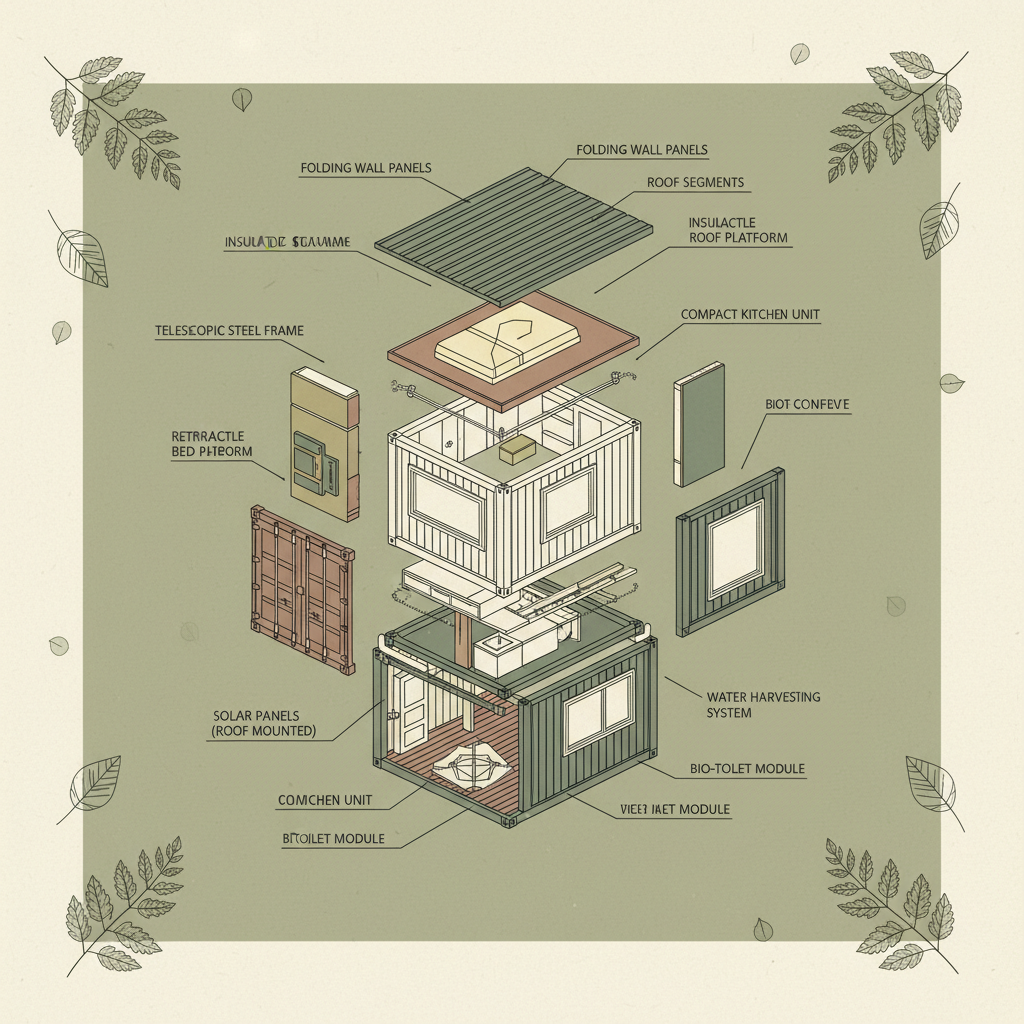
At the heart of an expandable tiny house is the modular design. These units are typically constructed from lightweight, yet incredibly strong materials like steel framing and composite panels. The key is a robust, interlocking system that allows for secure and rapid assembly. We’re talking about a structure that can withstand extreme weather and transportation stresses.
Then you’ve got the expansion mechanism itself. That’s where the engineering really shines. Hydraulic systems, telescoping frames, or unfolding panels – there are different approaches, but the goal is the same: to quickly and easily double or triple the living space. I’ve seen some ingenious designs that can transform a small unit into a comfortable family home in a matter of hours.
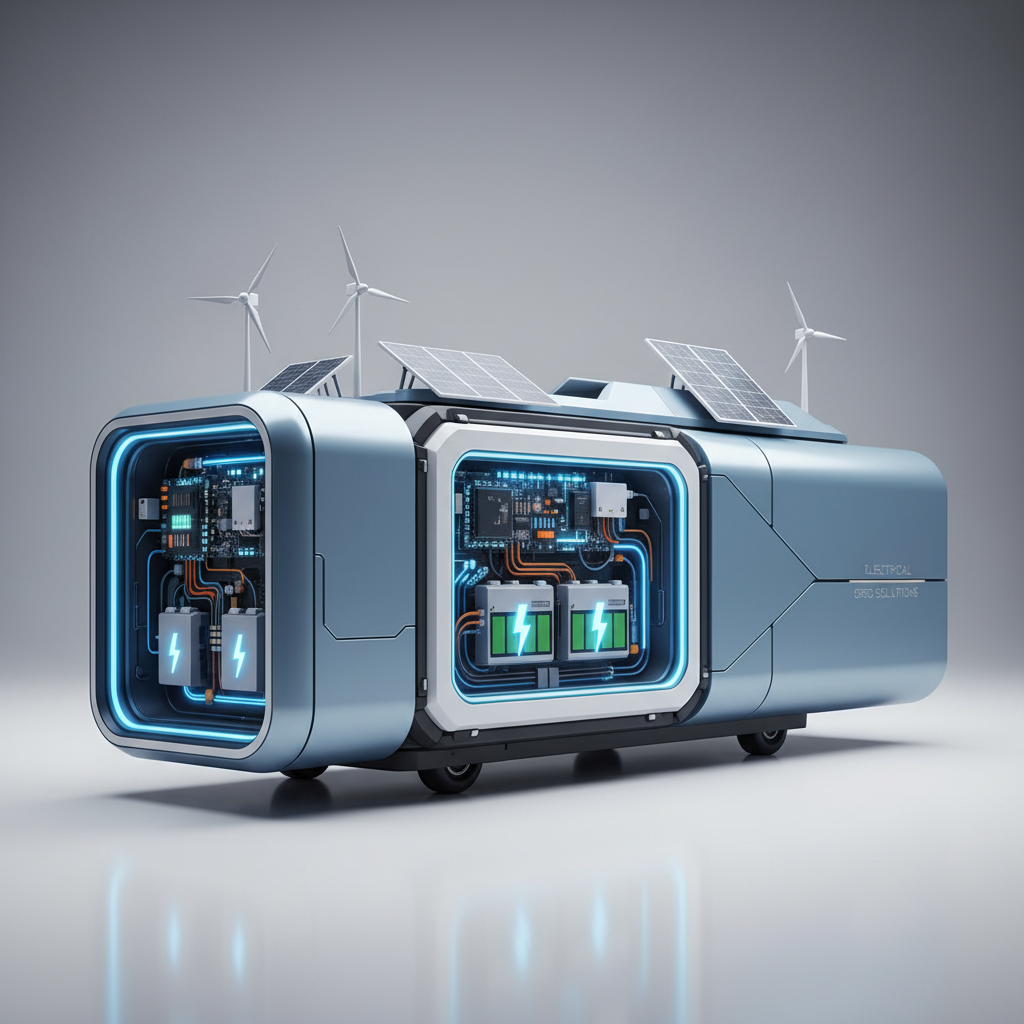
The integration of essential services—plumbing, electricity, and climate control—is also crucial. These are pre-installed during the manufacturing process, minimizing on-site work and ensuring consistent quality. Smart home technology is also being incorporated into these designs, offering convenience and energy efficiency.
Durability, Scalability, and Cost-Effectiveness
Let's talk brass tacks. Durability is paramount. These aren't flimsy structures; they're engineered to withstand serious conditions. We’re talking wind loads, seismic activity, and harsh weather. I've seen these things hold up remarkably well in hurricane zones. Scalability is another huge advantage. You can start with a single module and add more as needed, adapting to changing requirements.
And the cost? That’s where it really gets interesting. The pre-fabrication process significantly reduces labor costs and material waste. Plus, the faster build times translate to lower overall project costs. It’s a win-win for everyone involved.
Cost Comparison: Expandable Tiny House vs. Traditional Construction
Global Applications: From Disaster Relief to Remote Sites
I've seen these units used in a huge variety of settings. In post-disaster relief operations – after hurricanes, earthquakes, floods – they provide immediate, safe shelter for displaced families. That's critical in the first few days and weeks, when every minute counts. They're also invaluable in remote industrial zones, like mining camps or oil fields, where traditional housing is simply too expensive or logistically challenging.
And it’s not just emergency situations. Expandable tiny house are being used for affordable housing projects, eco-tourism resorts, and even temporary classrooms. The versatility is remarkable. They’re even looking into using them for long-term housing solutions in urban areas, especially for individuals and small families.
Long-Term Benefits and Sustainable Impact
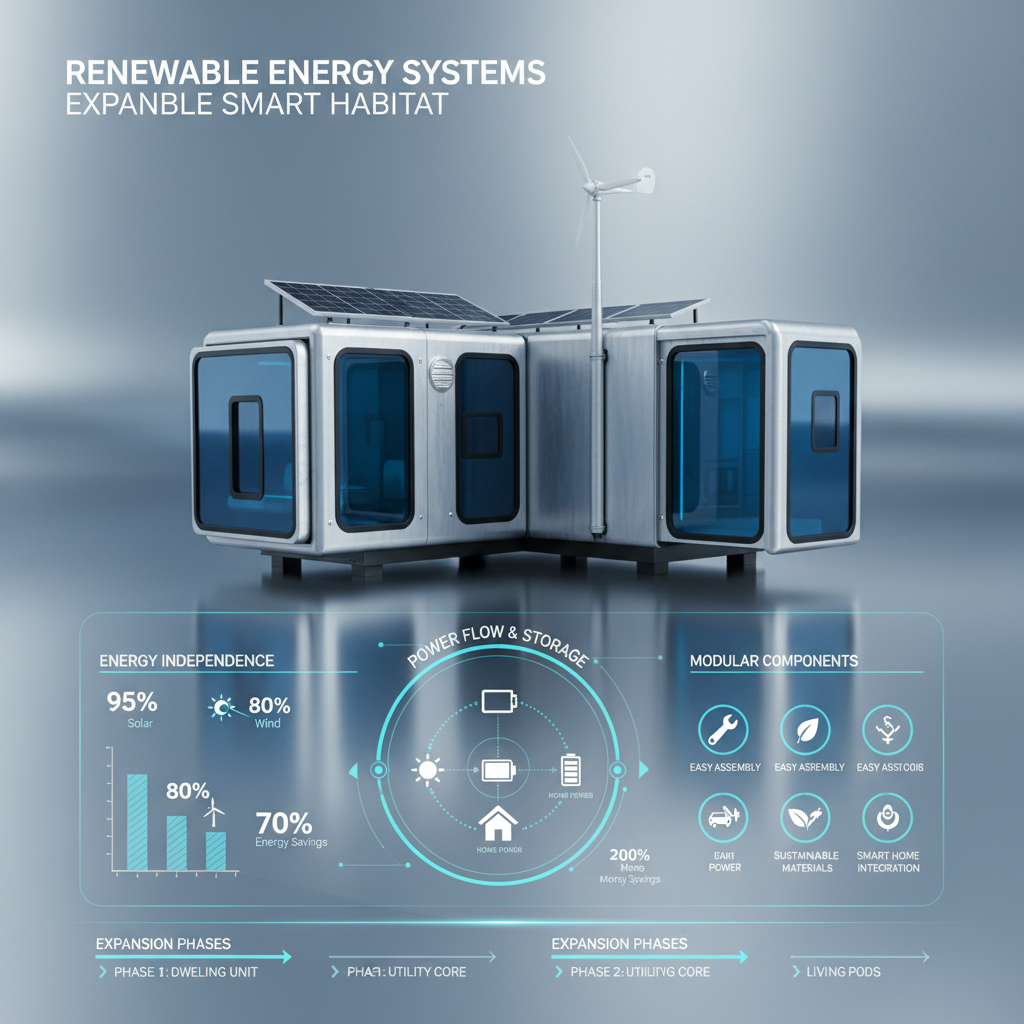
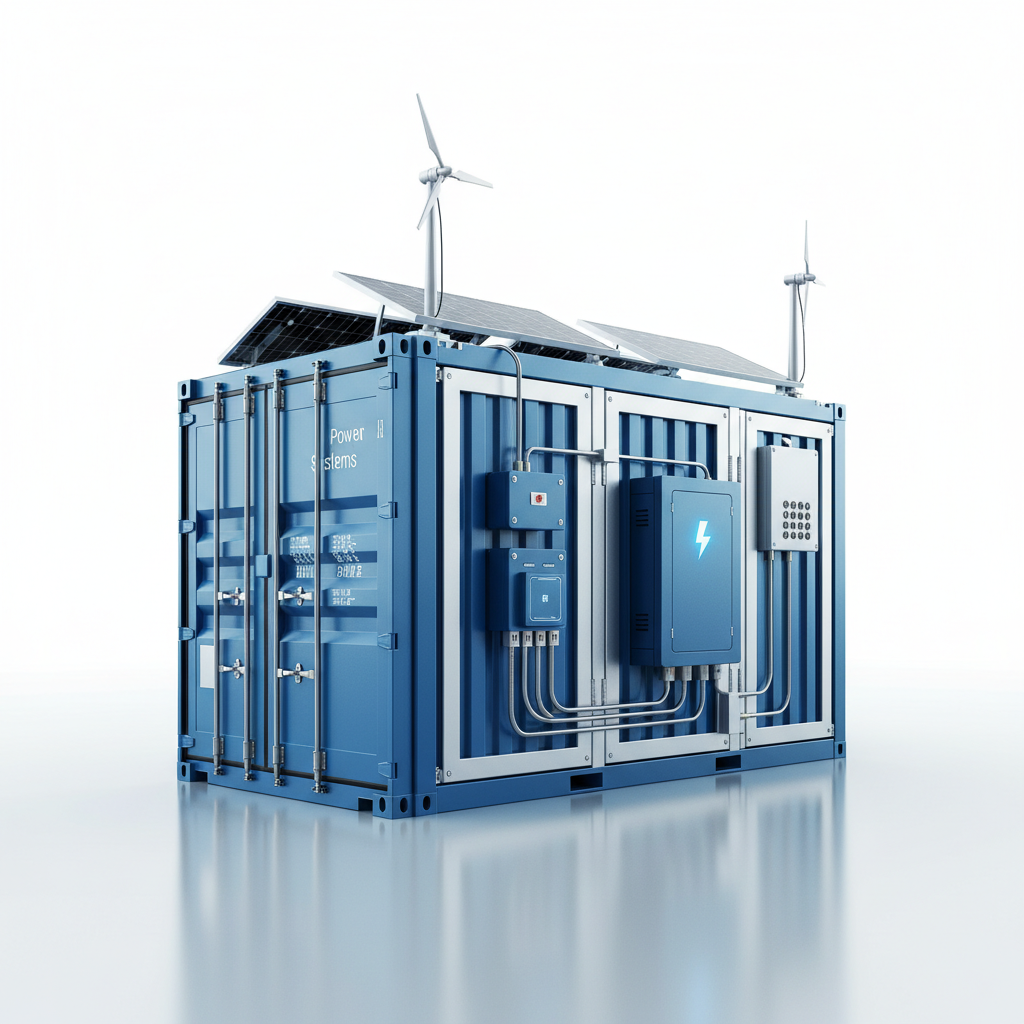
The benefits extend beyond just speed and cost. These units are inherently more sustainable than traditional construction. Less waste, reduced transportation emissions, and the potential for off-grid living with solar panels and rainwater harvesting. We’re talking about a smaller environmental footprint.
The social impact is also significant. Providing safe, dignified housing can improve health, education, and economic opportunities. And, let’s be honest, it offers a sense of stability and security that's invaluable, especially in times of crisis. It’s about restoring a sense of normalcy and hope.
From a reliability standpoint, a well-designed expandable tiny house can be just as durable and long-lasting as a conventionally built home. With proper maintenance, these structures can provide decades of comfortable and safe living.
Future Trends and Ongoing Innovations
The future of expandable tiny house is bright. We’re seeing advancements in materials – lighter, stronger, more sustainable options. Integration with smart home technology is becoming more sophisticated. And, there’s a growing focus on energy efficiency, with features like solar panels, rainwater harvesting, and improved insulation.
I’m also excited about the potential for 3D-printed components, which could further reduce costs and construction time. And, as building codes and regulations evolve to accommodate these new technologies, we’ll see even wider adoption. The trend towards modular and prefabricated construction is only going to accelerate.
Digital twins – virtual replicas of the physical structure – are also emerging as a powerful tool for design, construction, and maintenance. They allow engineers to identify and address potential issues before they arise, ensuring optimal performance and longevity.
Summary of Key Challenges and Solutions for Expandable Tiny House
| Challenge |
Impact on Expandable Tiny House |
Proposed Solution |
Implementation Cost (1-10) |
| Building Codes & Regulations |
Limited acceptance in some jurisdictions. |
Advocacy for updated codes, standardized testing. |
6 |
| Transportation Logistics |
Costly and complex for remote locations. |
Optimized flat-pack designs, local manufacturing. |
7 |
| Perception of Quality |
Negative stereotypes from older prefab models. |
Showcase high-quality examples, focus on durability. |
4 |
| Skilled Labor Shortage |
Limited workforce trained in modular assembly. |
Vocational training programs, standardized certification. |
5 |
| Material Costs |
Fluctuating prices of steel and composites. |
Diversification of materials, long-term supply contracts. |
8 |
| Long-Term Financing |
Difficulty securing mortgages for non-traditional structures. |
Collaboration with financial institutions, standardized appraisal methods. |
7 |
FAQS
That's a common question. Modern expandable tiny house are built to meet or exceed building codes, using robust materials like steel framing and composite panels. When properly maintained, they can easily last for decades, just like conventional homes. I've seen some structures withstand extreme weather events remarkably well. It really comes down to the quality of the materials and the engineering behind the design.
This is where they really shine. Compared to traditional construction, the lead time is dramatically shorter. You're looking at weeks, not months. The pre-fabrication process streamlines the whole thing. Ordering typically takes a few weeks, and installation can be completed in a matter of days, depending on the complexity of the design and site preparation. It’s a huge advantage, especially in emergency situations.
Generally, yes. While the initial cost per square foot can be comparable, the overall project cost is often lower due to reduced labor, faster construction times, and less material waste. Plus, there are potential savings on transportation and site preparation. I've seen projects where expandable tiny house have come in significantly under budget compared to traditional builds.
Absolutely. That’s one of the biggest advantages. While they're based on a modular design, there’s a lot of flexibility in terms of layout, finishes, and features. You can customize them to create anything from a basic shelter to a fully-equipped home or office. We work closely with clients to design solutions that meet their specific requirements.
Permitting can be a bit tricky, as regulations are still catching up to this new technology. It varies depending on the location. Some jurisdictions have specific codes for modular construction, while others may require more traditional permitting processes. It's essential to work with a qualified architect or engineer who understands local building codes.
They can be very environmentally friendly. The pre-fabrication process reduces material waste, and the use of sustainable materials can further minimize the environmental impact. Plus, they can be designed for energy efficiency with features like solar panels and rainwater harvesting. They require less disruption to the site compared to traditional construction, and can be easily disassembled and relocated if needed.
Conclusion
So, where does this all leave us? Expandable tiny house aren’t just a clever idea; they're a practical, sustainable, and rapidly evolving solution to some of the biggest challenges facing the building industry. From disaster relief to affordable housing, these structures are providing shelter and stability to those who need it most. They’re changing the game, offering speed, cost-effectiveness, and adaptability that traditional construction simply can’t match.
Looking ahead, I see even wider adoption of this technology, driven by ongoing innovation and a growing demand for sustainable building solutions. We need to continue pushing for updated building codes, investing in workforce training, and promoting the benefits of modular construction. The future of housing is here, and it’s expandable. For more information, and to explore how we can help you with your project, visit our website: www.yanchungongxiang.com.