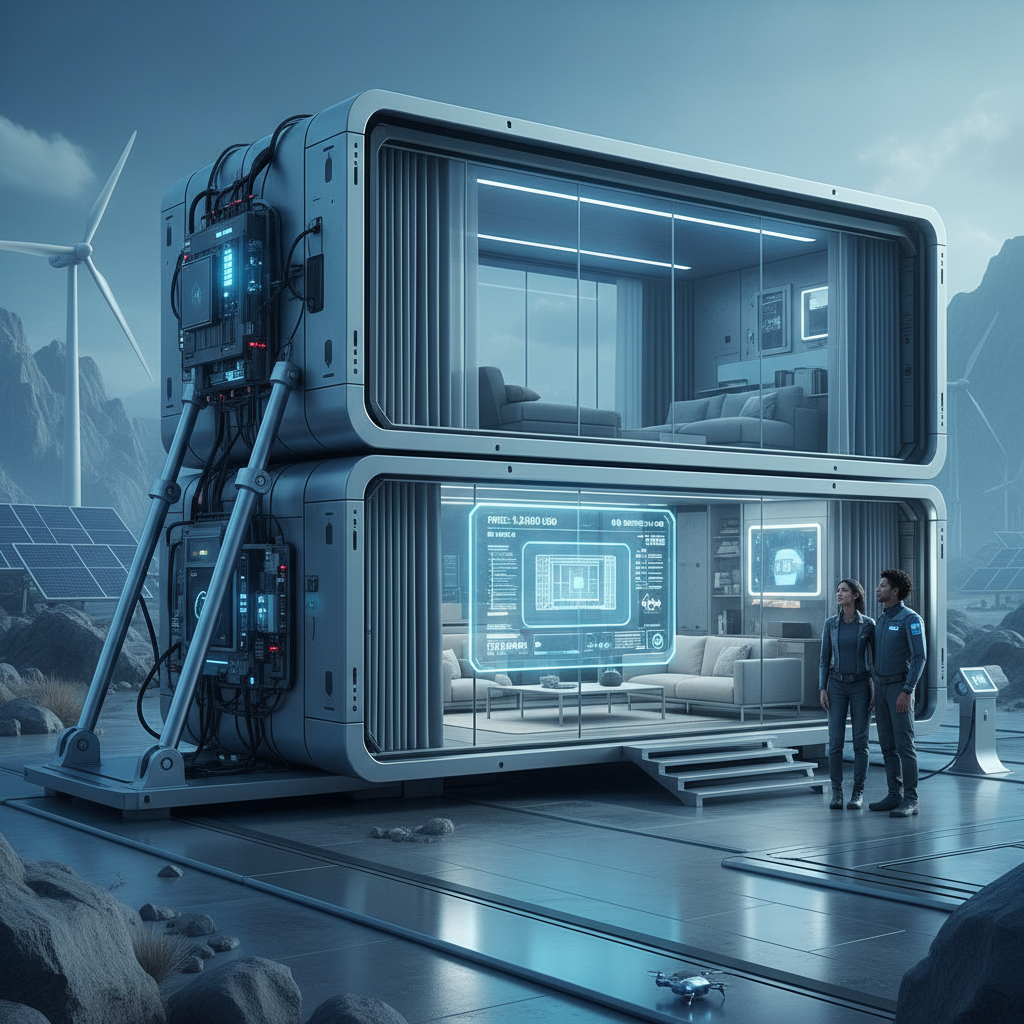
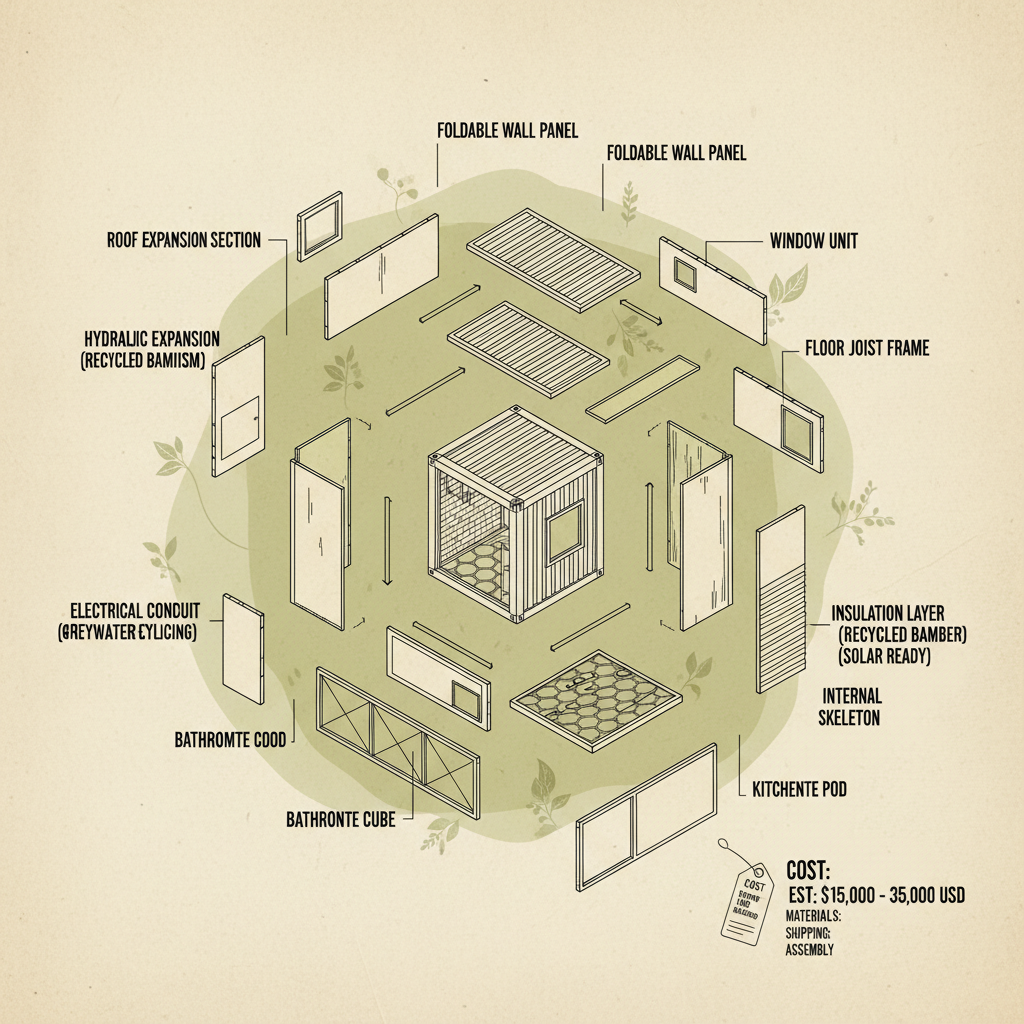
Look, I've spent the last fifteen years knee-deep in dust and concrete, watching building trends come and go. And what’s really stuck with me, what I see changing everything, is the rise of the extendable house. It's not just about quicker builds, though that's a huge part of it. It’s about fundamentally changing how we approach housing – making it adaptable, affordable, and frankly, more humane, especially in a world where displacement and rapid urbanization are the new normal. We’re talking about a shift from static structures to dynamic living spaces.
For too long, construction's been a slow, expensive, and frankly wasteful process. Traditional methods just aren't keeping up with the demands of a growing population. Extendable house designs, whether they’re modular, container-based, or utilizing prefabricated components, offer a real solution. They cut down on material waste, reduce on-site labor, and dramatically speed up the construction timeline. That speed isn't just about convenience; it’s about getting people into safe, secure housing faster when they need it most.
And it's not just a quick fix for emergencies. I’ve seen these systems used in everything from remote worker camps to permanent housing solutions. The ability to scale and adapt a living space as needs change? That's a game-changer. It's about building for life, not just for a moment in time.
The Global Rise of Extendable House
The demand for housing is skyrocketing globally, particularly in rapidly developing nations and areas impacted by conflict or natural disasters. According to the UN, over 1.6 billion people worldwide lack adequate housing. The World Bank estimates that by 2050, nearly 70% of the world’s population will live in urban areas, putting immense strain on existing infrastructure. Extendable house offers a scalable solution to address these challenges, providing quick and cost-effective shelter where it’s needed most. It’s no longer a ‘niche’ market; it’s becoming a crucial component of addressing global housing shortages.
We’re seeing ISO standards increasingly recognizing and incorporating modular and prefabricated construction techniques. This isn’t just about speed, but about quality control and standardization. The pressure to build sustainably is also pushing the industry towards extendable house solutions. Less waste, reduced transport costs, and the potential for using eco-friendly materials all contribute to a lower environmental impact.
Defining Extendable House: Beyond Prefab
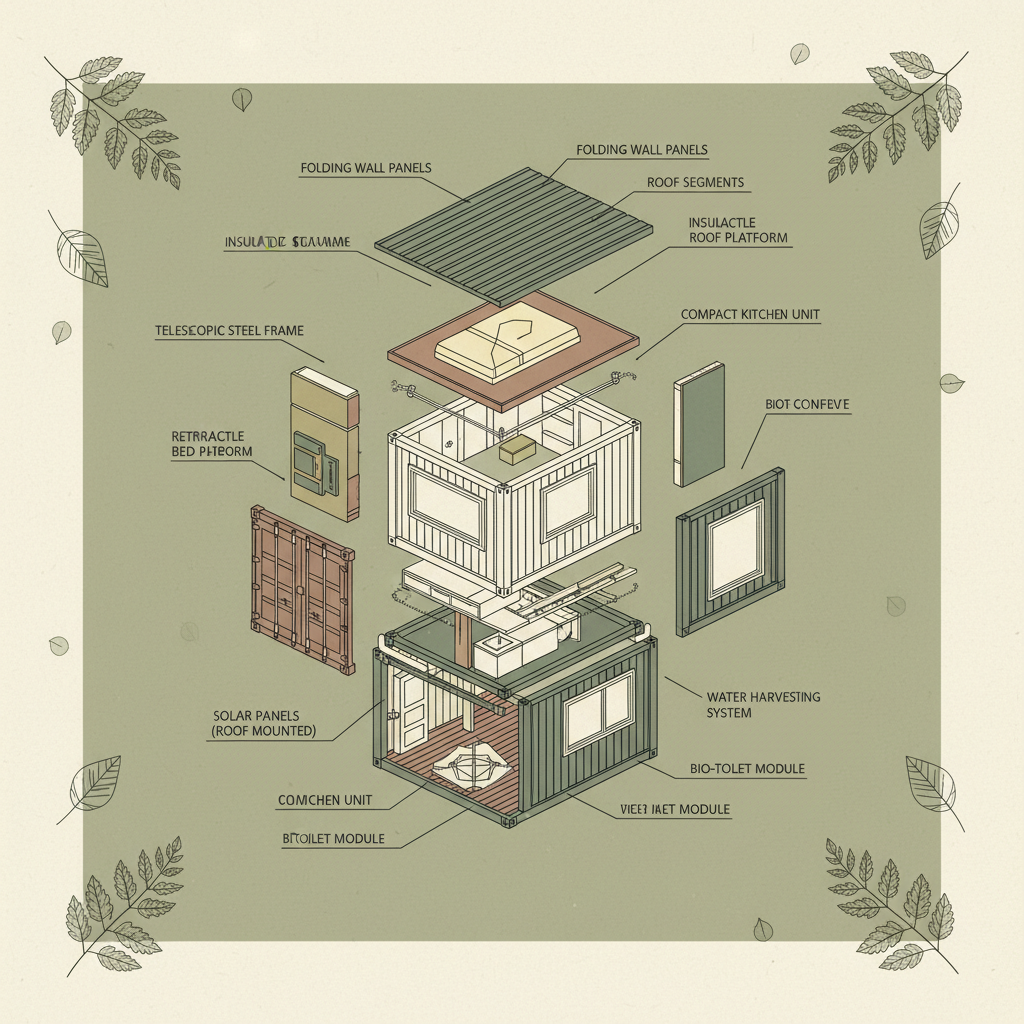
People often confuse ‘extendable house’ with simple prefab or modular construction. But it’s more than that. Prefab and modular are methods of construction. Extendable house is a philosophy. It's about designing systems that can be easily adapted and expanded over time. Think of it like Lego bricks – you start with a core unit, and then you can add on modules or components as your needs evolve. It allows flexibility in design and usage.
It’s directly tied to modern industry needs. Remote construction sites, mining operations, or even temporary facilities for large-scale events benefit hugely from this adaptability. But it also has profound implications for humanitarian aid. Being able to rapidly deploy durable, scalable shelters in disaster zones is a game-changer, offering not just protection from the elements, but also a sense of dignity and stability to those affected.
The connection to modern industrial demands is clear - quick setup, minimal disruption, and the ability to easily relocate as projects evolve. It's a direct response to the inefficiencies of traditional brick-and-mortar construction in dynamic environments.
Core Components of Effective Extendable House Systems
Durability is paramount. These aren’t meant to be temporary structures. We’re talking about using high-quality materials – steel frames, durable cladding, and robust connections – that can withstand harsh weather conditions and the rigors of transport and assembly. I’ve seen too many cheap prefab units fall apart after just a few years; you need to build for longevity.
Scalability is the heart of the concept. The ability to easily add modules, stack units, or reconfigure spaces is what sets extendable house apart. This requires careful planning of connection points, utility integration, and structural integrity. It's not just about bolting two boxes together; it's about creating a cohesive, functional living space that can grow with the user.
Cost efficiency is a major driver. Reducing on-site labor, minimizing material waste, and shortening construction timelines all contribute to significant cost savings. But it’s not just about the initial build cost; you also need to consider long-term maintenance and operational expenses. Durable materials and efficient designs help keep those costs down.
Key Factors Driving Adoption of Extendable House
One crucial element is standardized design and manufacturing. The more we can streamline the production process, the lower the costs and the faster the turnaround times. Think about the automotive industry – mass production based on standardized components. We need to apply that same principle to housing.
Efficient logistics and transportation are also critical. These units need to be easily transportable to remote locations or disaster zones. That requires careful consideration of size, weight, and ease of handling. The supply chain needs to be reliable and responsive.
Extendable House Method Performance
Global Applications and Real-World Use Cases
In post-disaster relief operations, extendable house provide immediate, safe shelter for displaced communities. I’ve seen these deployed within 48 hours of a major earthquake, offering a lifeline to those who have lost everything. This rapid response capability is critical in saving lives and restoring a sense of normalcy.
In remote industrial zones, such as mining camps or oil fields, extendable house provide comfortable and convenient accommodations for workers. They reduce the need for lengthy and expensive construction projects, allowing companies to quickly scale up or down their workforce as needed.
Advantages and Long-Term Value Proposition
The cost savings are substantial. Reducing construction time translates to lower labor costs, and minimizing material waste reduces material expenses. But the value extends beyond the initial build. These systems are designed for longevity, reducing long-term maintenance and repair costs.
From a sustainability standpoint, extendable house aligns with green building practices. Less waste, reduced transportation emissions, and the potential for using recycled materials all contribute to a lower environmental footprint. And let's not underestimate the social impact – providing safe, dignified housing improves quality of life and fosters a sense of community.
Future Trends and Innovations in Extendable House
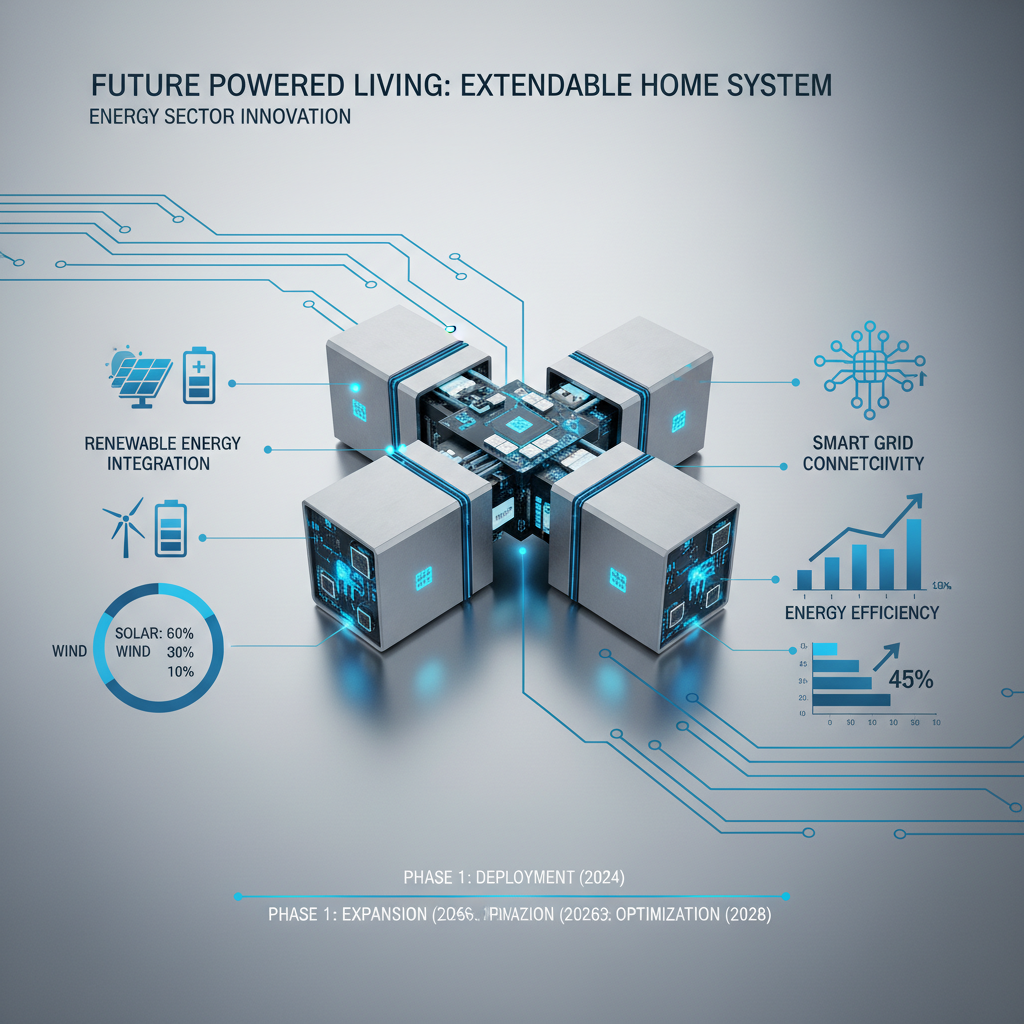
We’re seeing a growing interest in integrating smart home technologies into extendable house. Things like automated climate control, energy management systems, and remote monitoring capabilities are becoming increasingly common.
The development of new, sustainable materials is also a key trend. Researchers are exploring the use of bio-based materials, recycled plastics, and even 3D-printed components to reduce the environmental impact of construction. Digital twins and Building Information Modeling (BIM) will play a huge role.
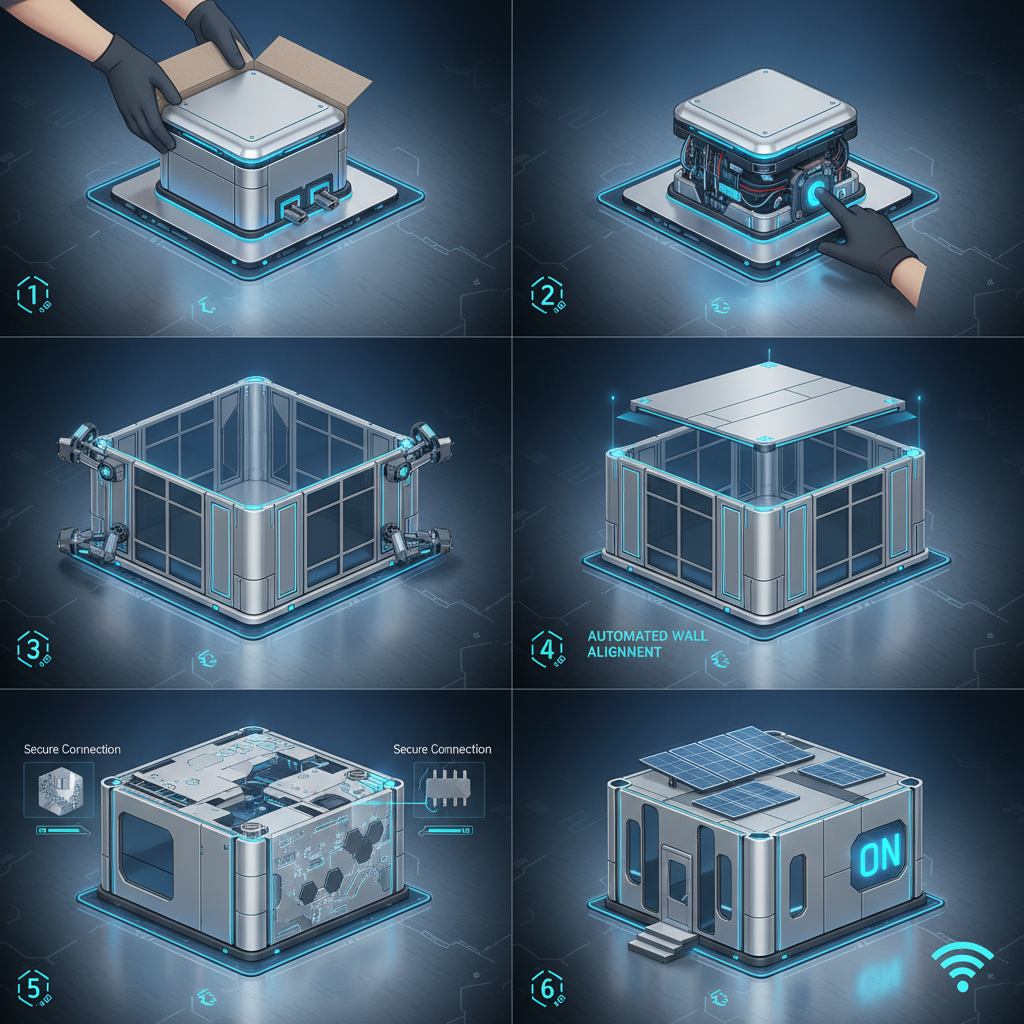
Automation in the manufacturing process will also drive down costs and improve quality control. Robotics and automated assembly lines will become increasingly prevalent in extendable house production facilities.
Core Challenges & Potential Solutions for Extendable House
| Challenge Area |
Impact on Extendable House |
Proposed Solution |
Implementation Timeline |
| Regulatory Hurdles |
Slows down approvals and increases costs. |
Standardized building codes for modular construction. |
1-3 years |
| Supply Chain Disruptions |
Material shortages and price increases. |
Diversify suppliers and build strategic partnerships. |
Ongoing |
| Skilled Labor Shortage |
Difficulty finding qualified installers and technicians. |
Invest in training programs and apprenticeship opportunities. |
2-5 years |
| Public Perception |
Negative perceptions about quality and durability. |
Demonstrate quality through case studies and certifications. |
Ongoing |
| Financing Challenges |
Difficulty securing financing for innovative construction projects. |
Develop specialized financing programs for modular construction. |
1-2 years |
| Integration of Utilities |
Complexities in connecting utilities to modular units. |
Standardized utility connection protocols and pre-fabricated connections. |
2-3 years |
FAQS
Extendable house excels in speed, cost-effectiveness, and reduced waste. Because much of the work is done off-site in a controlled environment, construction time is significantly reduced. This translates to lower labor costs and minimized material waste. Furthermore, the modular nature allows for greater design flexibility and future scalability, offering a compelling alternative to traditional methods.
Durability is key, and modern extendable house designs are built to withstand a wide range of climatic conditions. Using high-quality materials like steel framing, durable cladding, and robust connections ensures structural integrity. Proper insulation and weatherproofing are also crucial components, making them suitable for everything from extreme heat to heavy snowfall.
Absolutely. Extendable house offer significant sustainability advantages. The off-site construction process generates far less waste, and the use of standardized components allows for efficient material utilization. The reduced transportation requirements also lower carbon emissions. Plus, the potential to incorporate recycled materials and energy-efficient technologies further enhances their environmental profile.
Costs can vary based on design complexity, material choices, and location. However, extendable house generally offer cost savings compared to traditional construction due to reduced labor, material waste, and construction time. It’s important to get detailed quotes from reputable manufacturers, factoring in delivery, installation, and any necessary site preparation.
That's where they really shine. While traditional construction can take months, extendable house can often be completed in weeks. The bulk of the work is done in a factory setting, minimizing on-site disruptions and significantly speeding up the process. The exact timeline depends on the size and complexity of the project, but it's consistently faster than conventional building methods.
Regulations vary by location, so it’s essential to check with your local building authorities. In many areas, extendable house are subject to the same permitting requirements as traditional construction. However, some jurisdictions are beginning to recognize the unique benefits of modular construction and are streamlining the approval process. Always ensure compliance with local building codes and zoning regulations.
Conclusion
Extendable house represents a paradigm shift in the construction industry, offering a compelling solution to the growing global housing crisis. By embracing modularity, sustainability, and innovation, we can build faster, cheaper, and more efficiently, creating homes that are adaptable to the changing needs of individuals and communities. It’s not just about building houses; it’s about building a better future.
The potential of extendable house is immense. Continued investment in research and development, coupled with supportive government policies and increased public awareness, will pave the way for widespread adoption. I firmly believe that extendable house will play a critical role in shaping the built environment of tomorrow. To learn more about how we're leading the charge in innovative housing solutions, visit our website: www.yanchungongxiang.com