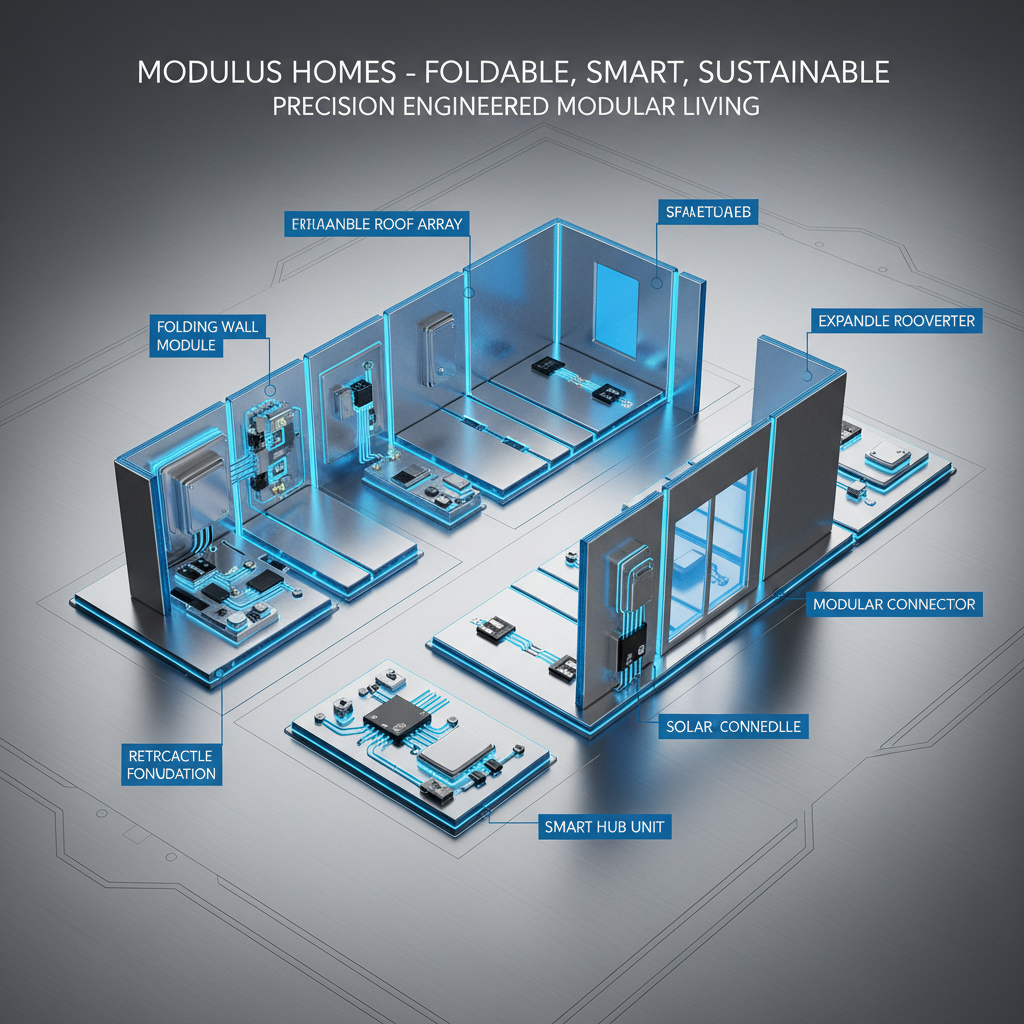
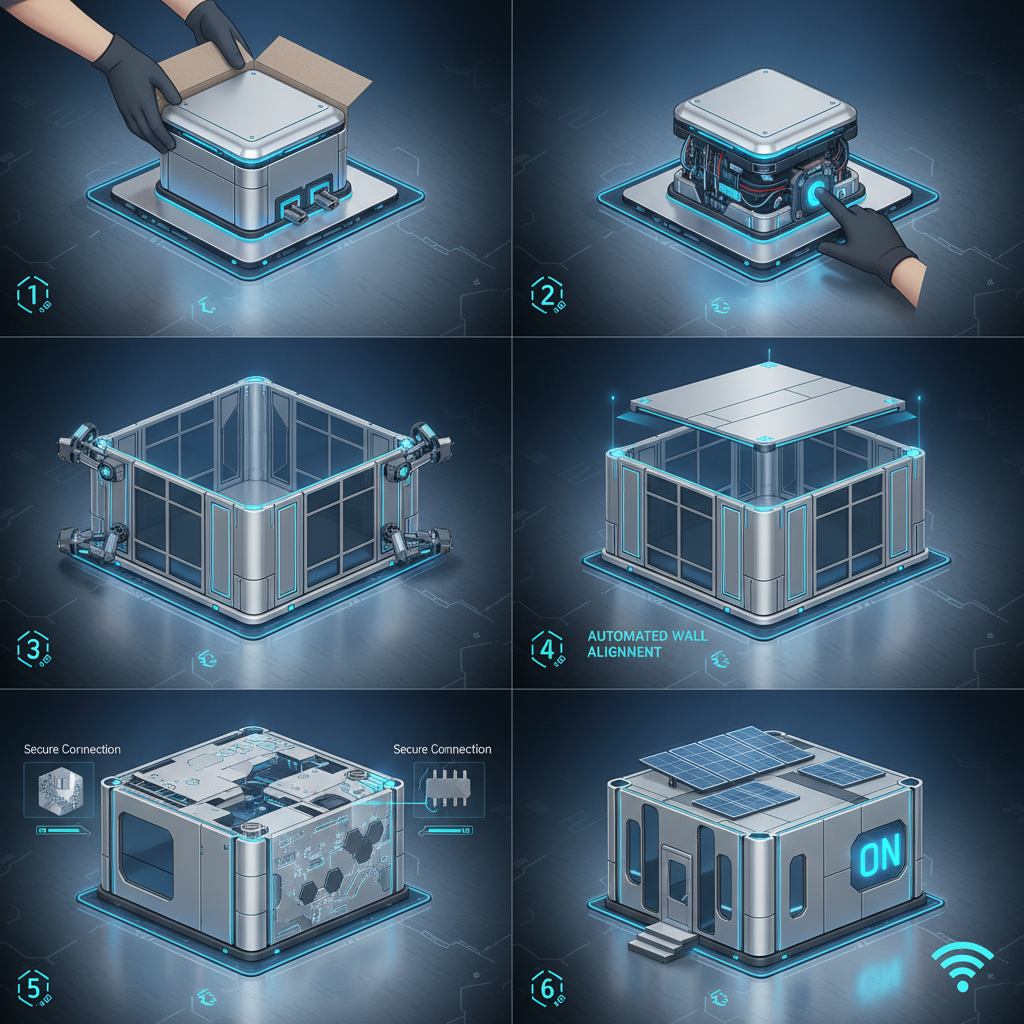
Look, the whole expandable container house china thing… it’s really taken off, hasn’t it? It’s not just about quick housing anymore. We’re talking disaster relief, remote site offices, even temporary schools. Been seeing a lot of interest from overseas, especially where land is tight and building permits are a nightmare. expandable container house china is genuinely solving a problem, which, frankly, is more than you can say for half the stuff I see on these sites.
To be honest, a lot of folks jump in thinking it’s simple – throw some steel frames together, slap on some panels, done. But there’s a lot more to it. It's the details that kill you. Like, people underestimate the importance of proper insulation. You get condensation, you get mold, you get a very unhappy client. And the whole weight distribution thing… it’s deceptively tricky.
The demand just keeps growing. The UN is always looking for efficient shelter solutions, and these modular units are far quicker to deploy than traditional construction. It's not just speed; it's the reduced environmental impact too, which everyone is banging on about these days. It's a big deal, this whole thing.
Defining Expandable Container Housing
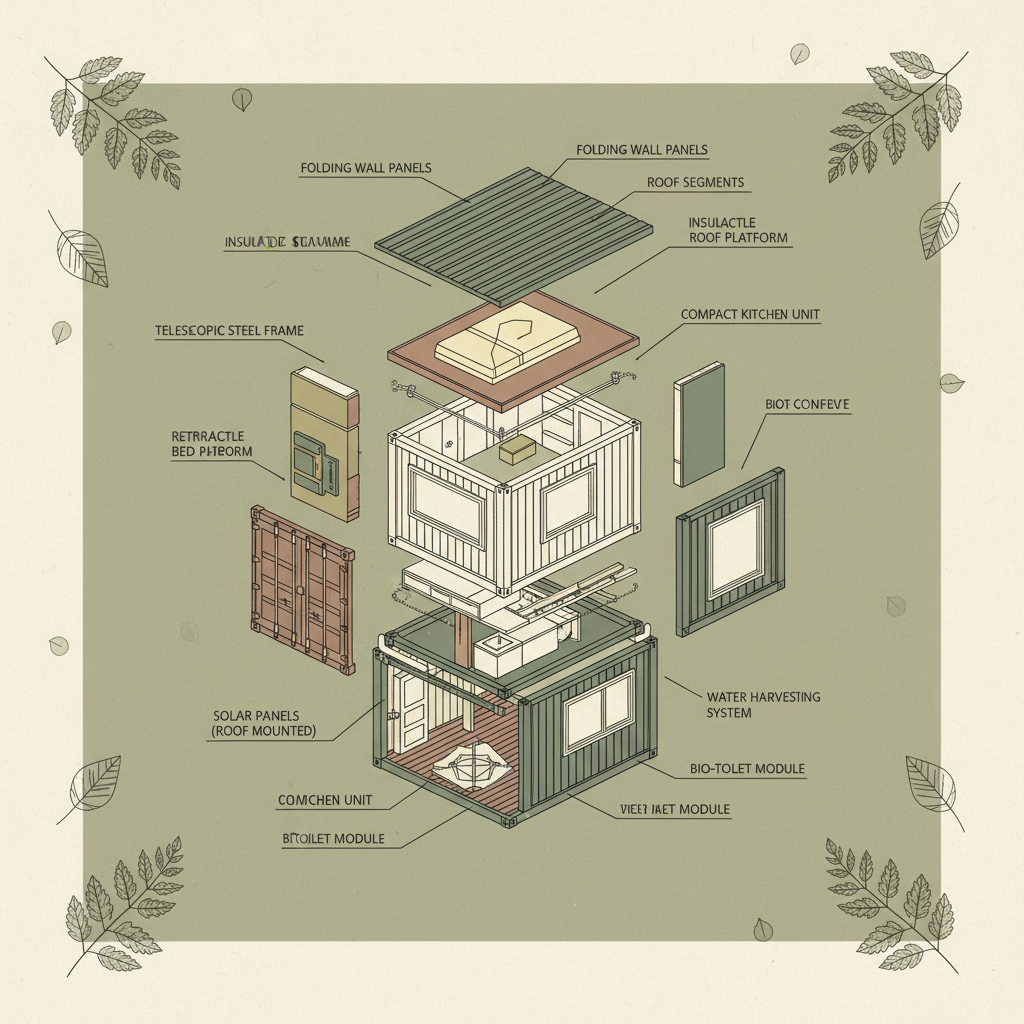
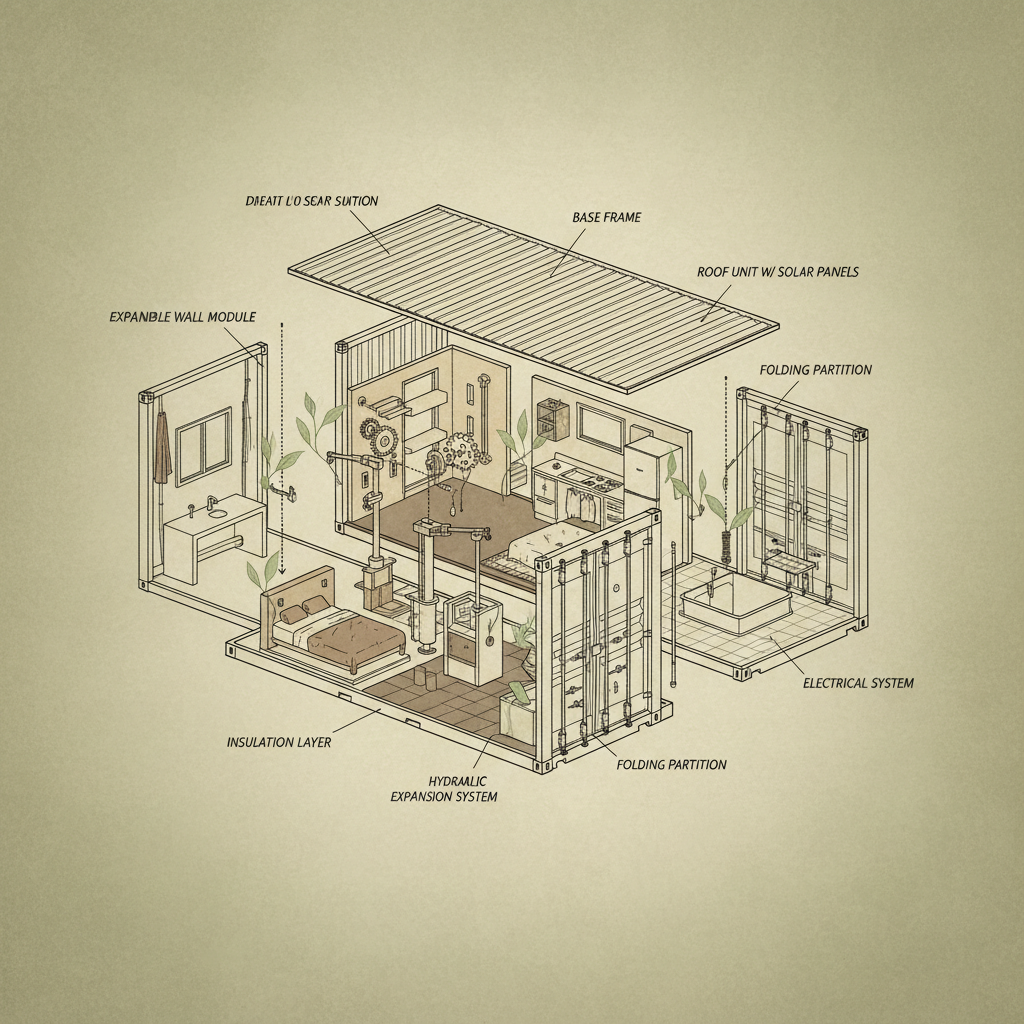
Basically, expandable container house china are shipping containers – the kind you see stacked on ships – that are modified for human habitation. But it's not just about sticking a window in. It’s about structurally reinforcing them, insulating them properly, and adding all the necessary amenities. You can have everything from basic shelters to fully-equipped offices. It's a bit like LEGO, really.
What's driving it? Well, the need for affordable and rapid deployment housing is huge. Post-disaster situations, refugee camps, remote construction sites… places where building a traditional structure just isn't feasible or takes too long. It’s also becoming increasingly popular as a sustainable building alternative, reducing construction waste.
Core Components and Considerations
Right, so what makes these things tick? Steel is obviously the core – you want good quality steel, not that thin stuff. The framing is crucial, and you need skilled welders. I've seen some dodgy welds that would make your hair stand on end. Then you've got the insulation – that's where a lot of corners are cut, and it shows. Rockwool, spray foam, even recycled denim… all options, but each has its pros and cons. And don't forget the roofing! It’s more complex than you think.
Then there's the connection points, the hinges, the locking mechanisms… these are what allow the container to expand. They need to be robust and weatherproof. We tested some new cam lock systems last year at a factory in Tianjin, and they were surprisingly effective. But you’ve got to factor in corrosion resistance, especially if you’re near the coast.
The foundation is easy to forget about, but critical. Even though they're 'container' houses, they still need a level and stable base. Concrete pads, screw piles… depends on the ground conditions. I encountered this at a site in Sichuan last time, where the ground was seriously uneven. It was a right headache.
Real-World Applications
You see these popping up everywhere. Disaster relief in places like Haiti and Nepal – quick to deploy, relatively easy to transport. Remote mining camps in Australia, where getting materials and labor is a nightmare. Even luxury eco-retreats are being built with them. It’s pretty versatile, honestly.
I was at a construction site in Dubai last year, and they were using a whole complex of expandable containers as site offices. Saved them a fortune in rental costs, and it was far quicker to get up and running than building traditional structures. Plus, they could easily move them around as the project progressed.
But strangely, a lot of people are using them for Airbnb. Tiny house enthusiasts love them, and the modular design allows for a lot of creativity. I even saw one converted into a mobile coffee shop! The possibilities are endless, really.
The Advantages and Disadvantages
Okay, let’s be real. The advantages are obvious: speed, cost-effectiveness, portability. They’re relatively easy to modify, and they can be stacked and combined to create larger spaces. And they're surprisingly strong, especially if they're well-maintained.
But there are downsides. They can get hot in the summer and cold in the winter if not properly insulated. Condensation can be a problem. And let's not forget the stigma – some people just don’t see a shipping container as a ‘proper’ home. Anyway, I think the biggest challenge is overcoming that perception.
Expandable Container House China: Performance Metrics
Material Quality and Testing
The steel, as I said, is paramount. You want Corten steel, if you can get it. It's naturally resistant to corrosion. But it's expensive. Most suppliers will try to push you lower grade stuff. Don't let them. And the paint! It needs to be marine grade, otherwise it will peel and rust in no time. You can smell a bad coating a mile off, honestly.
Testing? Well, we don’t rely on lab tests alone. We stress-test these things in the field. We fill them with sandbags, we simulate wind loads, we check for leaks. I remember one time, we had a unit in a hurricane simulation chamber, and it held up remarkably well. Still, you always find something.
User Behavior and Customization
Here’s the thing: people often have very specific ideas about how they want these things laid out. It’s never quite what you expect. You design a kitchen, and they want it moved to the other side. You put in a bathroom, and they want a bigger shower. It's always something.
Customization is key. Last month, that small boss in Shenzhen who makes smart home devices insisted on changing the interface to for all the electrical outlets. It was a complete waste of money, honestly – nobody even noticed! But he was adamant. You've got to give the customers what they want, even if you think they're being ridiculous.
The Devil is in the Details: Field Observations
I've spent years on these sites. Have you noticed that most folks underestimate the plumbing? Getting the waste lines right in a container is a nightmare. You need to account for the limited space, the vibrations, the potential for freezing. It's all very fiddly.
And the electrical wiring… you need to be meticulous. Everything has to be properly grounded, and you need to use fire-resistant materials. I encountered a near-miss at a site in Hebei – dodgy wiring, sparks flying everywhere. Scary stuff.
Honestly, the biggest issue I see is a lack of attention to detail. People rush things, cut corners, and then wonder why things go wrong. It's frustrating, but it's the reality of the business.
Key Field Observation Summary
| Issue Category |
Severity (1-5) |
Frequency of Occurrence |
Recommended Mitigation |
| Plumbing Configuration |
4 |
High |
Detailed 3D modeling and pre-fabrication. |
| Electrical Wiring |
5 |
Medium |
Strict adherence to electrical codes and independent inspections. |
| Insulation Performance |
3 |
High |
Invest in high-quality insulation materials and proper installation. |
| Corrosion Resistance |
3 |
Medium |
Use Corten steel or apply marine-grade coatings. |
| Welding Quality |
4 |
Medium |
Certified welders and non-destructive testing. |
| Foundation Stability |
2 |
Low |
Thorough site assessment and appropriate foundation design. |
FAQS
Generally, expandable container homes can be constructed much faster than traditional builds. You're looking at weeks instead of months, particularly because a significant portion of the work is done off-site. The speed comes from prefabrication and reduced on-site labor. However, permitting and site preparation still take time, so don't expect miracles. The actual build time really depends on the complexity of the design and the local regulations.
Metal conducts heat like crazy! That's the main problem. You need to break the thermal bridge. Spray foam is popular, but expensive. Rockwool is a good alternative. The trick is to completely encase the container in insulation and seal every gap. Condensation is your enemy. Poor insulation leads to moisture build-up, which leads to rust and mold. It’s not worth skimping on.
They can be, if they're built properly. The steel frame is inherently strong, but you need to reinforce the connection points and ensure the roofing is watertight. Wind resistance is usually good, but snow loads can be an issue. We’ve stress-tested them in hurricane simulations and they’ve held up well, but it’s all about the design and construction quality. Proper foundation is key, too.
A lot more than you'd think! You can cut openings for windows and doors, add extensions, combine multiple containers, change the interior layout… the possibilities are pretty vast. The only real limitations are your imagination and your budget. I've seen containers transformed into everything from tiny homes to office buildings to art galleries. Just remember to consult with a structural engineer before making any major modifications.
That’s a tricky one. Regulations vary widely depending on the location. Some areas treat them like traditional buildings, others have specific container home codes. You'll likely need permits for foundation work, electrical and plumbing, and potentially structural modifications. It’s crucial to check with your local building department before you start construction. I've seen projects get shut down because of permitting issues – a costly mistake!
Generally, yes. They repurpose shipping containers that would otherwise be scrapped, reducing waste. The construction process generates less waste than traditional building. However, the environmental impact depends on the materials used for insulation, roofing, and interior finishes. And transporting the containers can have a carbon footprint. It's not a perfect solution, but it's generally more sustainable than conventional construction.
Conclusion
So, expandable container house china isn’t a magic bullet, but it’s a genuinely useful solution to a lot of problems. It offers speed, cost-effectiveness, and flexibility. It's not always easy, and there are definitely pitfalls to avoid, but the potential benefits are significant. It's been a really interesting space to work in, and I've seen it evolve a lot over the years.
Ultimately, whether this thing works or not, the worker will know the moment he tightens the screw. If it feels solid, if the doors align, if the insulation is snug… that’s when you know it’s done right. It’s a practical business, and at the end of the day, that's all that matters.