0%

Table of Contents

You know, these expandable container home china things… they’re popping up everywhere now. It’s not just those disaster relief guys anymore. Seems like everyone wants a quick, semi-permanent structure these days. To be honest, a lot of it is driven by land prices, especially in the bigger cities. And frankly, traditional construction just takes too long and is too messy. I’ve been seeing more and more projects trying to get around building permits by calling these ‘modular units’ or ‘temporary installations’… which, let’s be real, is a bit of a grey area.

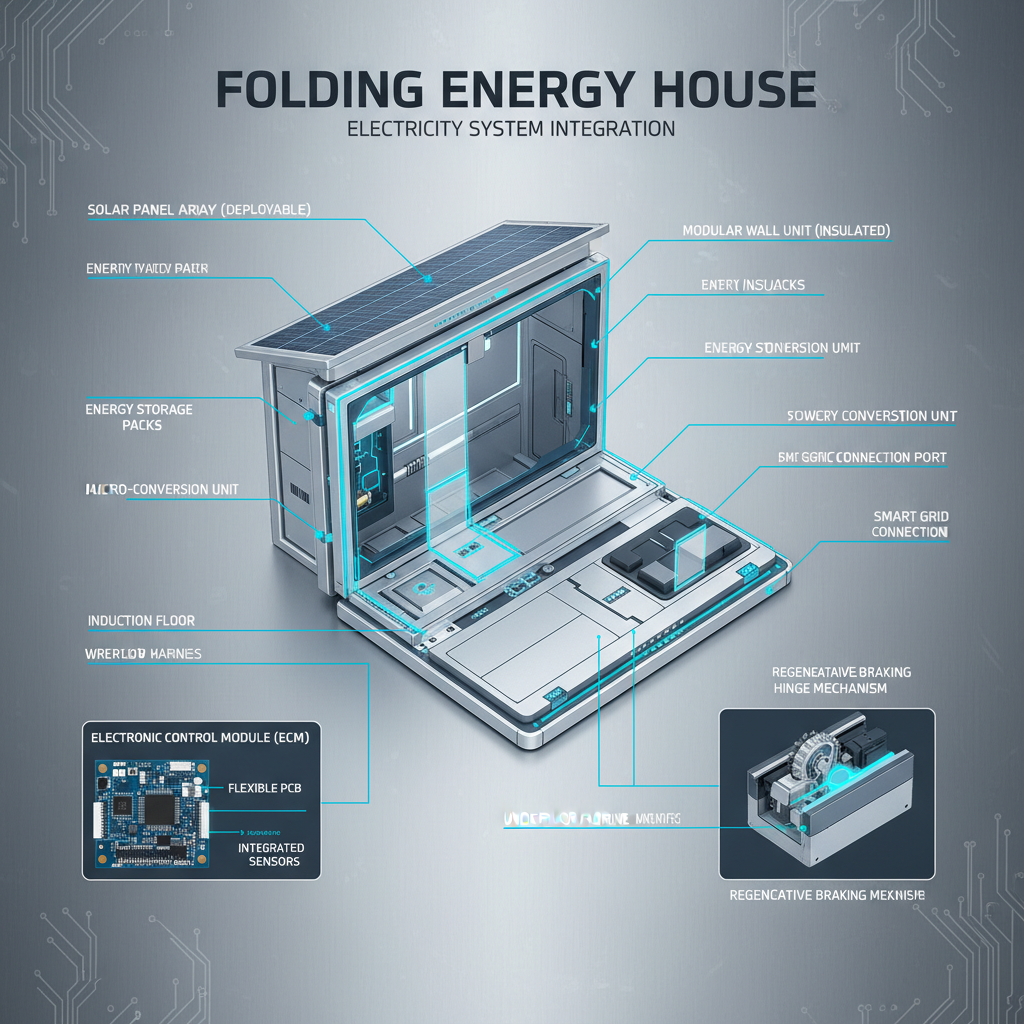
I’ve spent the last year pretty much living on construction sites, and you pick up on things. Have you noticed how everyone’s obsessed with ‘smart homes’ now? They want integrated systems, fancy panels… but half the time, the guys on site don’t even know how to wire it all properly. It’s a headache, honestly. It always comes down to someone trying to cut corners.

And it's not just the tech. The base unit itself… getting that right is crucial.
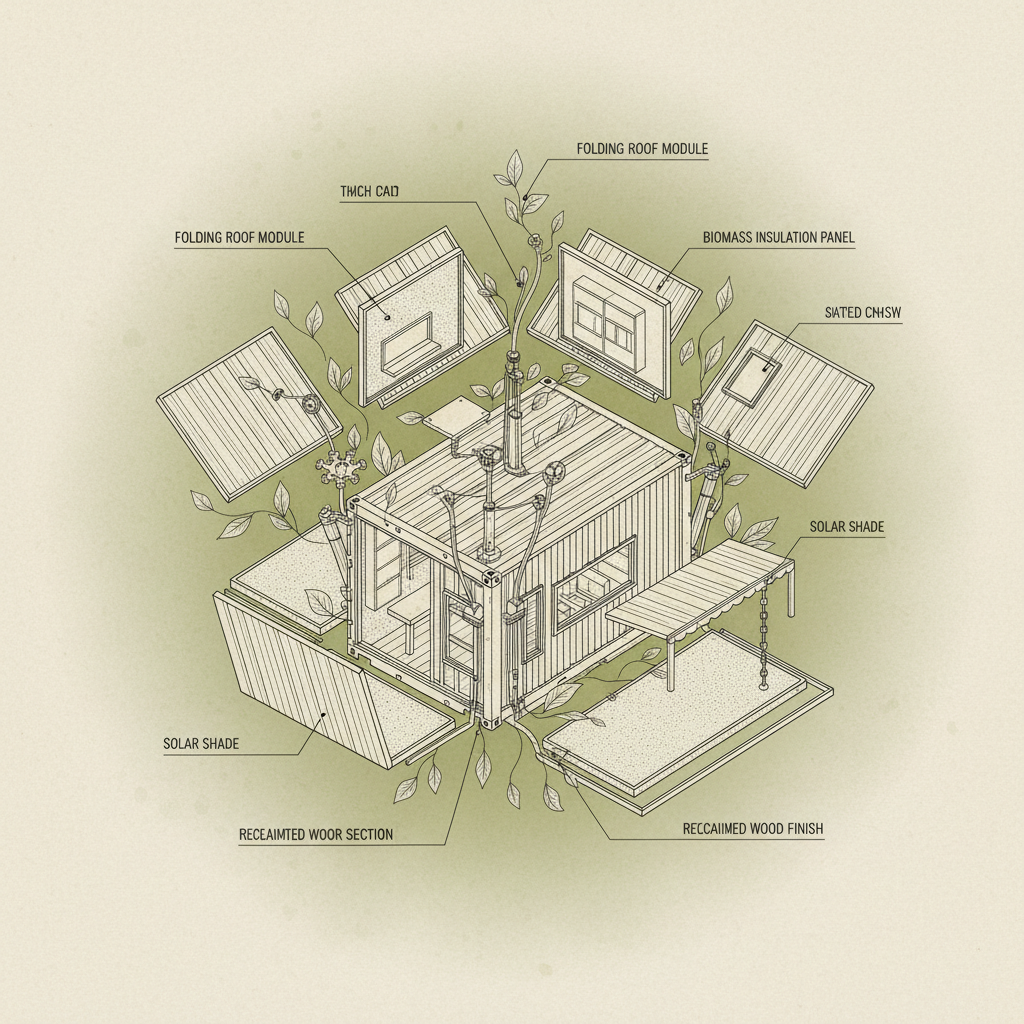
Exploring the Rise of Expandable Container Home China and Construction Challenges

The Current Landscape of expandable container home china

Exploring the Rise of Expandable Container Home China and Construction Challenges

Honestly, it’s a bit of a gold rush right now. Everyone sees these container homes as a quick path to affordable housing, or at least a faster build time. But a lot of these companies… they’re just slapping together shipping containers and calling it a day. And the quality? Well, it varies wildly. I encountered a factory last time in Qingdao where they were using seriously thin steel for the frames. Strangely, they were trying to market it as “lightweight and eco-friendly.” Lightweight, sure. Eco-friendly? I’m not so sure.

It’s mainly taking off in regions with high housing costs, like the Pearl River Delta, and areas needing quick disaster response solutions. I've also seen a surprising number of orders coming from eco-tourism projects – glamping sites and remote resorts. That makes a little more sense, actually.

Design Pitfalls & Common Mistakes in expandable container home china

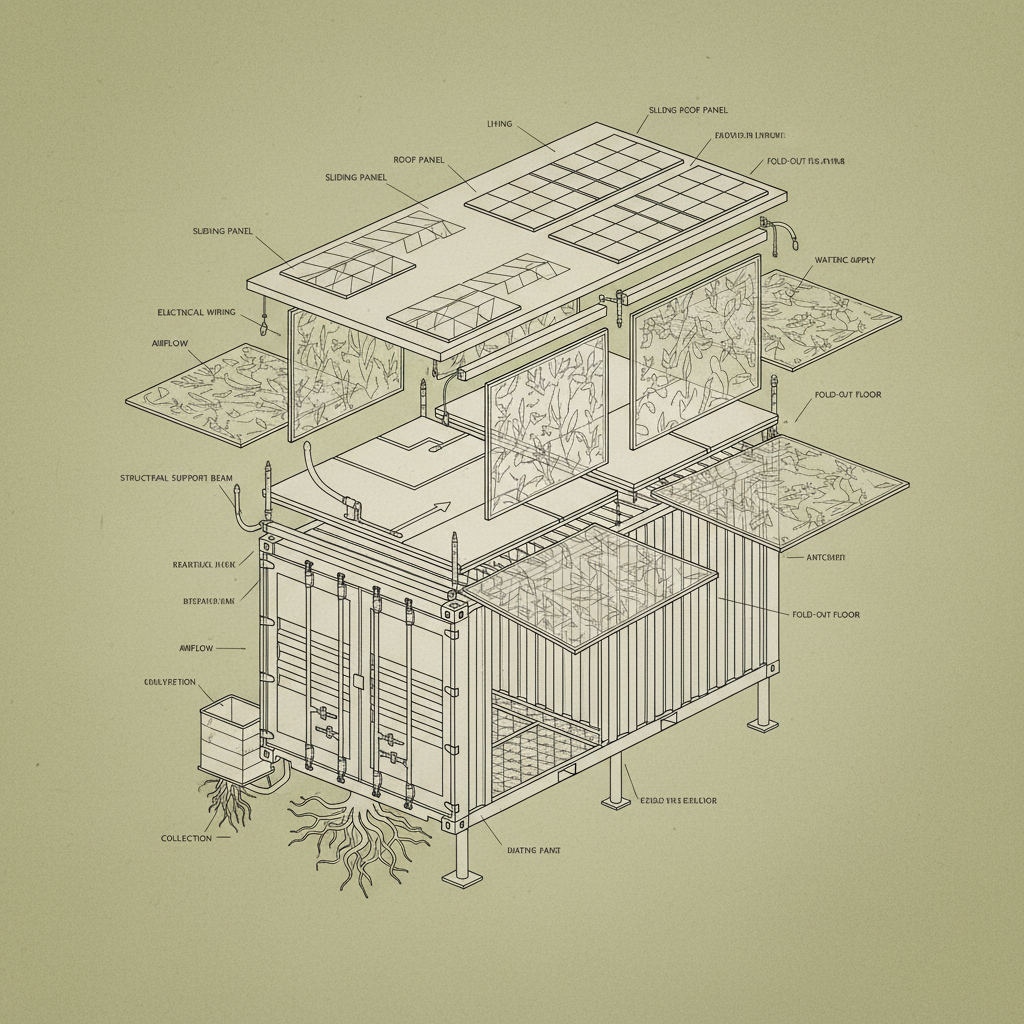
Oh, boy, where do I start? One big one is underestimating the importance of insulation. People think, ‘It’s a steel box, it’ll be fine.’ Wrong. Steel conducts heat like crazy. You end up with a sauna in the summer and an icebox in the winter. Another issue is proper ventilation. Condensation builds up quickly, and you're looking at mold and corrosion issues down the line. And don't even get me started on wiring and plumbing… if it isn't planned meticulously, you're asking for trouble.

I’ve seen designs where they try to cram too much into a single container. Too many windows, too many doors… compromising the structural integrity. It looks good on paper, but it's a disaster waiting to happen. You have to remember, these aren't built to be apartments - they're built to carry cargo!

The biggest mistake? Ignoring local building codes. Some places have very specific requirements for foundations, fire resistance, and structural stability. A lot of these companies just try to fly under the radar, hoping nobody will notice. It's a bad idea.

Core Materials in expandable container home china Construction

Steel, obviously, is the main component. But it's not all the same. You want corten steel – it’s more resistant to corrosion, and it develops a nice rust patina over time. I like that look. I've seen some cheaper stuff, though… just regular carbon steel. It's fine if it's properly treated, but you have to stay on top of the rust prevention. And the smell of that rust inhibitor...whew. Not pleasant.

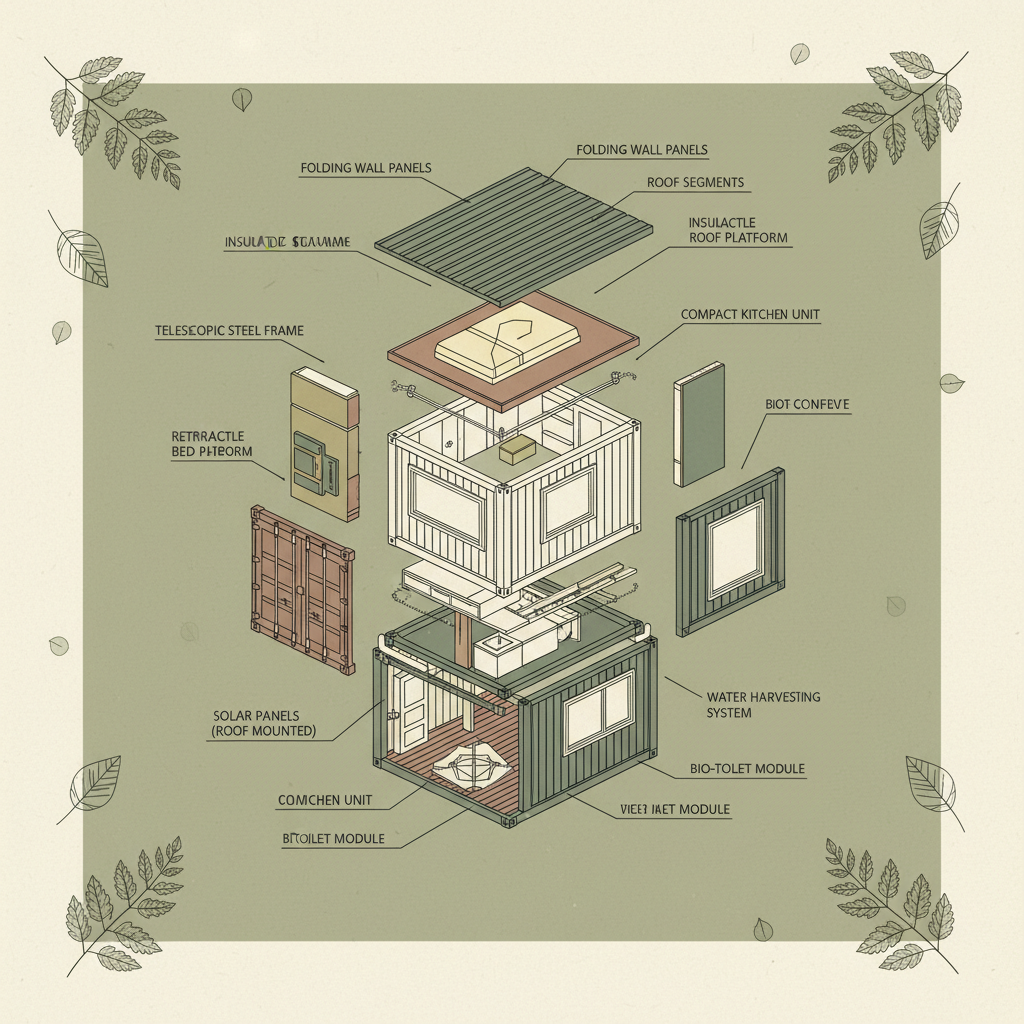
Insulation is key. Rockwool is good – fire-resistant and provides decent thermal performance. Spray foam is popular too, but you need to be careful about off-gassing. And then there’s the interior cladding… plywood, OSB, sometimes even recycled plastic. The plastic stuff smells awful at first, but it’s surprisingly durable. The feel of it, though… it’s just not the same as real wood. It feels… cheap.

Windows and doors are usually standard aluminum frames with double-pane glass. Nothing fancy. Flooring? That’s where people get creative. Vinyl, laminate, even hardwood if they’re feeling fancy. I saw one guy use bamboo flooring, which looked really good, but I worry about moisture issues long-term. Anyway, I think good materials are more important than fancy materials.

Real-World Testing & Performance of expandable container home china

Forget the lab tests. Those are useless. Real testing happens when a typhoon hits, or a heatwave rolls through, or someone tries to break in. That's when you find out what these things are really made of. I've seen some container homes get absolutely hammered by wind and rain, and they held up surprisingly well. But others… well, let's just say they didn't.

We do some simple tests on site: water tightness, structural integrity (basically, can you jump on the roof without it collapsing?), and thermal performance. We also use a thermal imaging camera to check for heat leaks and condensation. It's not perfect, but it gives us a good idea of how the container home will perform in real-world conditions.

Performance Metrics for expandable container home china Models


How Users Actually Interact with expandable container home china

It’s never what you expect. You design a beautiful kitchen, thinking they'll cook gourmet meals, and they just end up using it to store takeout containers. I swear. I’ve seen people turn these things into everything from home offices to art studios to Airbnb rentals. The flexibility is a big selling point, I guess.

What I have noticed is that people really appreciate the simplicity. They like being able to move things around easily. And the compact size is a plus for minimalists. But it can also feel cramped, especially for families. Later… Forget it, I won’t mention it.

Advantages & Disadvantages of expandable container home china

Okay, the advantages are pretty obvious: speed of construction, relatively low cost (compared to traditional building), portability. They’re also surprisingly strong. These things can withstand some serious abuse. But there are downsides. The limited space is a big one. The potential for corrosion is another. And the aesthetics… well, let’s just say they’re not for everyone. They can look a bit… industrial.

And the customization options? They can be a pain. Cutting holes in the steel is easy enough, but you have to reinforce everything properly. It's not like building with wood.

Customization Options & Recent Projects with expandable container home china

You can pretty much customize anything, but it gets expensive fast. I did a project last month with a small boss in Shenzhen who makes smart home devices. He insisted on changing the interface to , even though the entire electrical system was designed for USB-A. The result? A complete rewire, a three-week delay, and a very angry client. It was a mess.

We’ve done some cool projects, though. A couple of tiny houses for a retreat center in the mountains. A mobile clinic for a charity organization. A pop-up shop for a clothing brand. The possibilities are endless, really.

Summary of Core Customization Aspects for expandable container home china

Customization Category Complexity Level (1-5) Estimated Cost Increase (%) Potential Impact on Structural Integrity
Window/Door Placement 3 10-15 Moderate – requires reinforcement
Interior Layout Modification 2 5-10 Low
Electrical System Upgrade 4 20-30 Moderate – requires certified electrician
Exterior Painting/Cladding 1 5-10 Low
Roof Modification (e.g., Green Roof) 5 30-50 High – requires structural engineer
Combining Multiple Containers 4 15-25 Moderate to High – requires careful planning & welding

FAQS

How durable are these container homes compared to traditionally built houses?

Honestly, they’re surprisingly durable, if built right. The steel frame provides a lot of structural strength. They can withstand high winds and seismic activity better than a lot of stick-built homes, as long as the foundations are solid and the connections are properly welded. Of course, corrosion is a concern, so you need to maintain the protective coating. But a well-maintained container home can easily last for 50 years or more, maybe even longer. It really depends on the environment and the quality of construction.

What about insulation? How do you keep them from getting too hot or too cold?

Insulation is crucial, as I mentioned before. Spray foam and rockwool are popular choices, but you also need a vapor barrier to prevent condensation. The thickness of the insulation depends on your climate. In hotter areas, you’ll want more insulation to keep the heat out. In colder areas, you’ll want more insulation to keep the heat in. Proper ventilation is also key. You need to allow air to circulate to prevent mold and mildew. It’s more complex than just slapping some foam on the walls, trust me.

Are these homes eco-friendly? Are they really "green"?

That’s a complicated question. Using recycled shipping containers is a good start, but the overall environmental impact depends on a lot of factors. The manufacturing of the steel itself is energy-intensive. Shipping the containers to the construction site generates emissions. And the insulation materials aren’t always the most eco-friendly. However, they do require less material and less on-site waste than traditional construction, which is a plus. Overall, it's not a silver bullet, but it can be a more sustainable option than building with concrete and wood, if done thoughtfully.

What’s the biggest hidden cost people forget about with container homes?

Modifications. People see the base container and think, “Okay, this is cheap.” Then they start adding windows, doors, electrical wiring, plumbing… and the cost quickly spirals out of control. Cutting into the steel requires specialized tools and skilled labor. Reinforcing the structure adds to the cost. And don’t forget about the permits and inspections. Those can add up, too. It's always more expensive than people think, especially if they want something custom.

How easy is it to get financing for a container home?

Not easy. A lot of banks are still hesitant to finance container homes, especially if they’re not built to traditional building codes. They see it as a higher risk. You might need to go with a smaller credit union or a specialized lender that understands the technology. You’ll also need to have a detailed plan and a qualified contractor. The more documentation you can provide, the better your chances of getting approved.

Can you stack these container homes on top of each other?

Yes, but it’s not as simple as just piling them up. You need to have a solid foundation and a structural engineer to calculate the load-bearing capacity. You’ll also need to reinforce the corners and the connections between the containers. It's more expensive than building a single-story container home, but it can be a good way to maximize space. I’ve seen some impressive multi-story container home complexes, but they require a lot of planning and expertise.

Conclusion

So, where does that leave us? Expandable container home china aren’t a magic bullet. They have their pros and cons, just like any other building method. But they are a viable option, especially for affordable housing, disaster relief, and quick construction projects. The key is to do your research, work with qualified professionals, and don’t cut corners. Remember, a cheap container home is often a poorly built container home.

Ultimately, whether this thing works or not, the worker will know the moment he tightens the screw. It's a real hands-on industry. And if you’re thinking about building one, I recommend spending some time on a construction site and talking to the people who actually build these things. You'll learn a lot. You can find out more at expandable container home china.


William Davis

William Davis

William Davis is the Technical Lead for the company’s supply chain platform. He oversees the development and maintenance of the platform’s functionality, ensuring a seamless and efficient experience for both suppliers and buyers. With a strong background in software engineering and data analytics, William constantly looks for ways to improve
Previous expandable container home china
Next expandable container house china
Hebei Yanchun Qianjian Technology Co., Ltd. focuses on supply chain platform operation services and is committed to promoting Chinese made products in domestic and international markets.
Read More About >>
Address:4th Floor, Yanhua Building, Jianshe North Street, Qiaodong District, Shijiazhuang City, Hebei Province, China
Copyright © 2026 Hebei Yanchun Qianjian Technology Co., Ltd. All Rights Reserved. Sitemap | Privacy Policy | Top Blog