Look, I’ve been tracking this whole fast-deployment housing thing for years, and it's not just a trend – it’s a necessity. We're talking about a world facing more frequent disasters, increasing housing shortages, and a growing need for scalable infrastructure. That’s where tiny home expandable solutions come in. I've spent enough time on muddy construction sites to know efficiency and speed matter. Traditional building just can't keep pace anymore. These expandable systems, when done right, are a game-changer for rapid response and cost-effective housing.
It’s not about replacing traditional construction entirely; it’s about adding a crucial tool to the toolbox. Think about remote industrial projects – oil fields, mining operations. Getting crews settled safely and quickly is paramount. Or consider disaster relief – after a hurricane or earthquake, people need shelter now, not six months down the line. tiny home expandable provides that immediate capacity, reducing suffering and accelerating recovery. I’ve seen firsthand how crucial those first few days are, and this tech can genuinely save lives.
What I appreciate most about the evolution of tiny home expandable isn’t just the speed, it’s the improvement in quality. Early container homes had… issues. But the latest designs, with proper insulation, ventilation, and finishing, are genuinely comfortable and durable. We’re moving beyond ‘temporary’ to ‘viable long-term’ housing solutions. And frankly, with the right engineering and materials, they can outperform stick-built in many harsh environments.
The Global Rise of tiny home expandable
Globally, we’re facing a housing crisis, exacerbated by climate change and mass displacement. The UN estimates that 1.6 billion people worldwide lack adequate housing. That’s a staggering number. And according to the World Bank, rapid urbanization is only going to intensify the problem. Traditional construction methods simply can't deliver quickly enough to meet this growing demand. This is where tiny home expandable solutions, offering rapid deployment and cost-effectiveness, become incredibly important.
I've been on sites where getting materials delivered is a logistical nightmare, let alone skilled labor. tiny home expandable streamlines that process. It reduces on-site construction time, minimizes waste, and offers a level of predictability that traditional building often lacks. This isn’t about luxury; it's about providing basic human dignity – a safe, secure place to live, especially in times of crisis.
Defining tiny home expandable: Beyond Containers
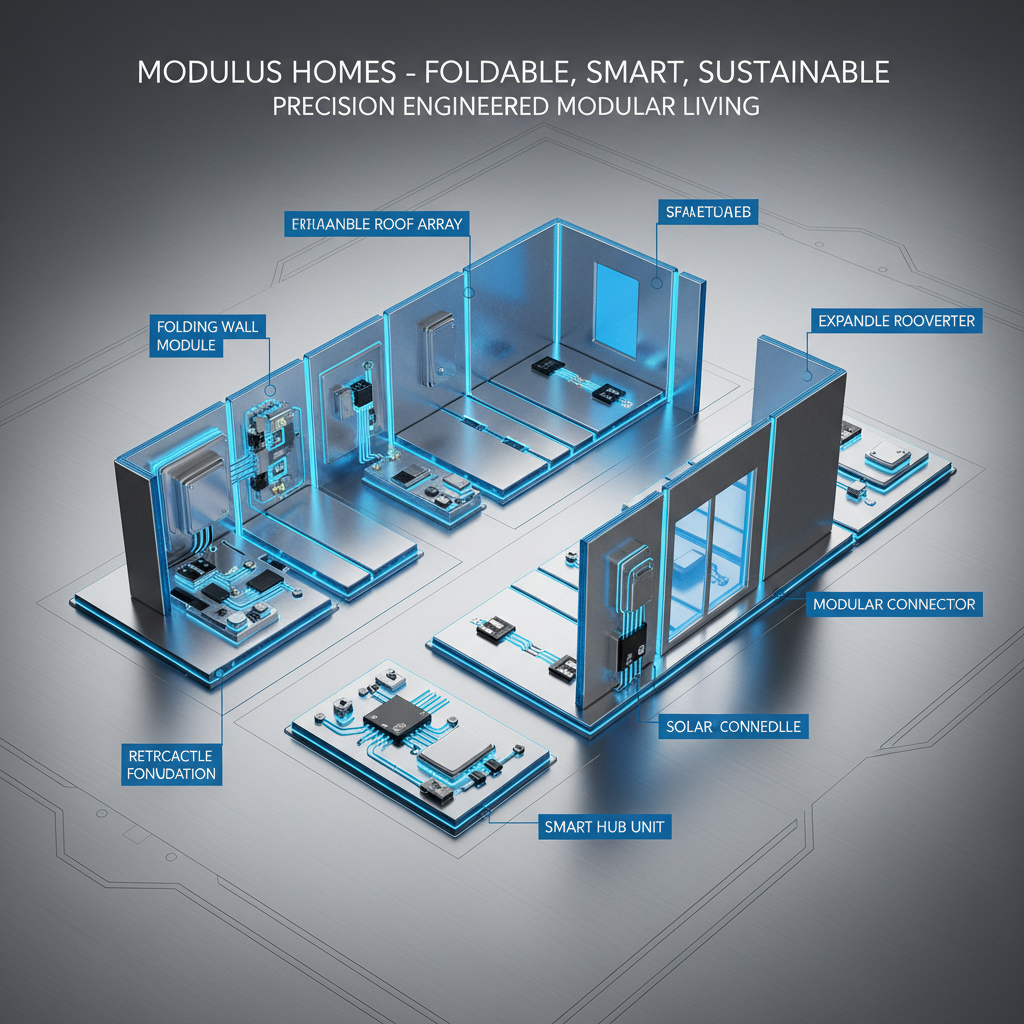
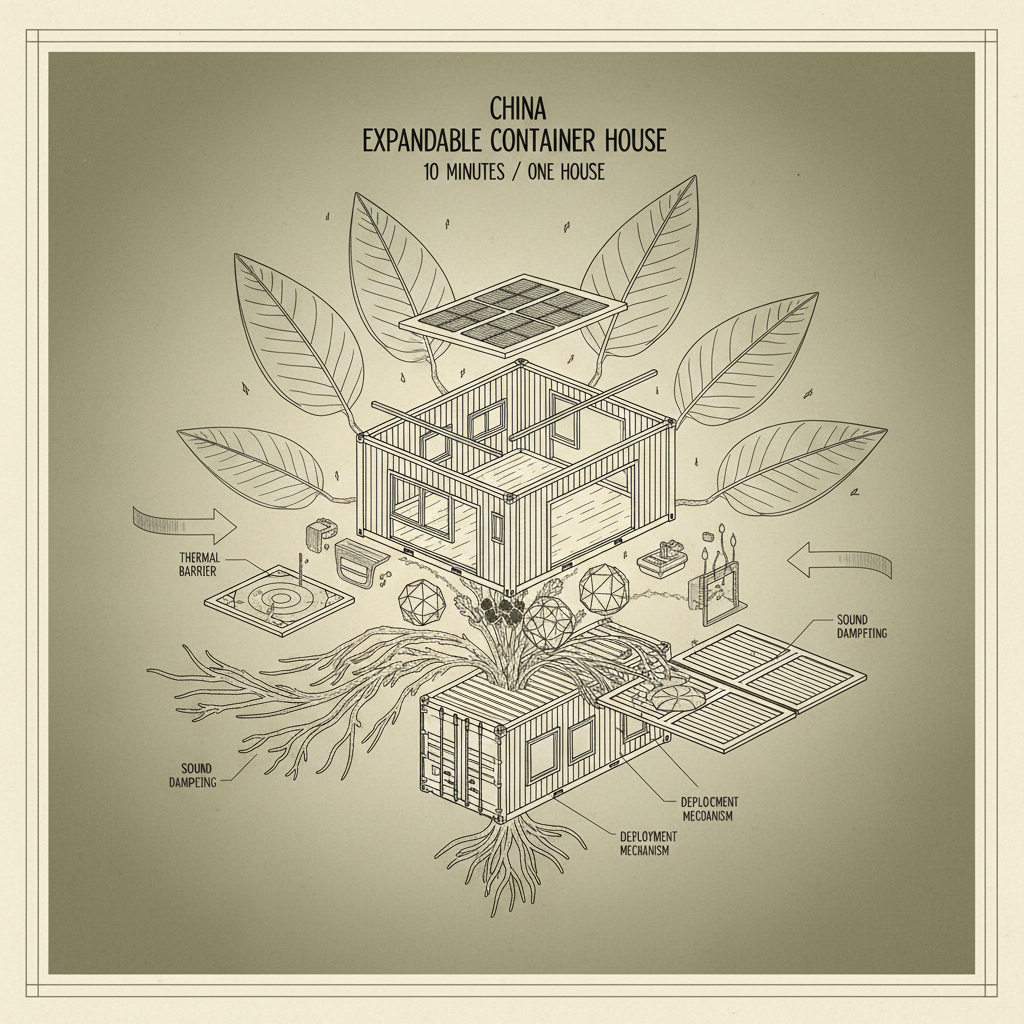
People often think of shipping containers when they hear 'expandable housing,' and that’s a starting point, but it’s a limited view. tiny home expandable encompasses a much broader range of technologies and designs. We’re talking about modular systems built from steel framing, lightweight composite materials, and even inflatable structures. The key is prefabrication and the ability to rapidly assemble on-site.
It’s about creating a ‘kit of parts’ that can be configured to meet specific needs. A family might need a two-bedroom unit, while a worker on a remote site might only need a single-person module. The beauty of these systems is their flexibility. They're adaptable to different climates, terrains, and cultural contexts. And increasingly, they're being designed with sustainability in mind, incorporating renewable energy systems and water conservation technologies.
This isn’t just a housing solution; it's a potential infrastructure solution. These systems can be configured for hospitals, schools, offices – almost any type of building. That adaptability, combined with the speed of deployment, is what makes tiny home expandable so compelling.
Core Components of Effective tiny home expandable Systems
Durability is paramount. We're not building disposable structures. The materials need to withstand harsh weather conditions, seismic activity, and the wear and tear of transportation. That means using high-quality steel, robust insulation, and weather-resistant coatings. Scalability is another critical factor. Can the system be easily expanded to accommodate growing needs? Can modules be added or reconfigured?
Cost efficiency is obviously key. The goal isn’t just to build quickly, but to build affordably. That means optimizing the design to minimize material waste, streamlining the manufacturing process, and reducing transportation costs. And finally, ease of assembly is crucial. The system should be designed so that it can be assembled quickly and easily by a relatively small crew, with minimal specialized tools or training.
The integration of utilities – plumbing, electrical, HVAC – is often overlooked, but it's vital. These systems need to be pre-installed during the manufacturing process to minimize on-site work and ensure quality control. A well-designed tiny home expandable system considers all of these components from the outset.
Key Factors Influencing tiny home expandable Deployment
Logistics are a massive headache. Getting these units to remote locations, particularly those with limited infrastructure, can be a challenge. Road conditions, port access, and transportation costs all need to be carefully considered. Then you've got permitting and regulations. Building codes weren't written with tiny home expandable in mind.
Getting approvals can be a lengthy and frustrating process. Land preparation is another factor. The site needs to be leveled and prepared to receive the modules. This might involve excavation, grading, and the installation of foundations. And finally, community acceptance is crucial. People need to feel comfortable with these new types of housing. Addressing concerns about aesthetics, safety, and property values is essential.
tiny home expandable Deployment Factor Ratings
Global Applications & Real-World Use Cases
In post-disaster relief operations, speed is everything. We’ve seen tiny home expandable used extensively after hurricanes in the Caribbean and earthquakes in Nepal, providing immediate shelter for displaced families. In remote industrial zones, like oil fields in North Dakota or mining camps in Australia, these systems offer a cost-effective way to house workers.
Increasingly, we're seeing these solutions used for affordable housing initiatives in urban areas. Cities struggling with homelessness are turning to tiny home expandable to create rapid, dignified housing options. And even in developed countries, these systems are being used for temporary housing during construction projects or for seasonal workers in the agricultural industry.
The Advantages and Long-Term Value Proposition
The most obvious benefit is cost. tiny home expandable can significantly reduce construction costs compared to traditional methods, particularly in areas with high labor rates. Sustainability is another huge advantage. These systems often utilize recycled materials and can be designed to minimize energy consumption.
But the long-term value goes beyond cost and sustainability. It’s about resilience, adaptability, and providing people with a sense of safety and dignity. It’s about building communities, not just structures. And let’s be honest, in a world facing increasing uncertainty, that’s a pretty powerful proposition.
Future Trends and Innovations in tiny home expandable Technology
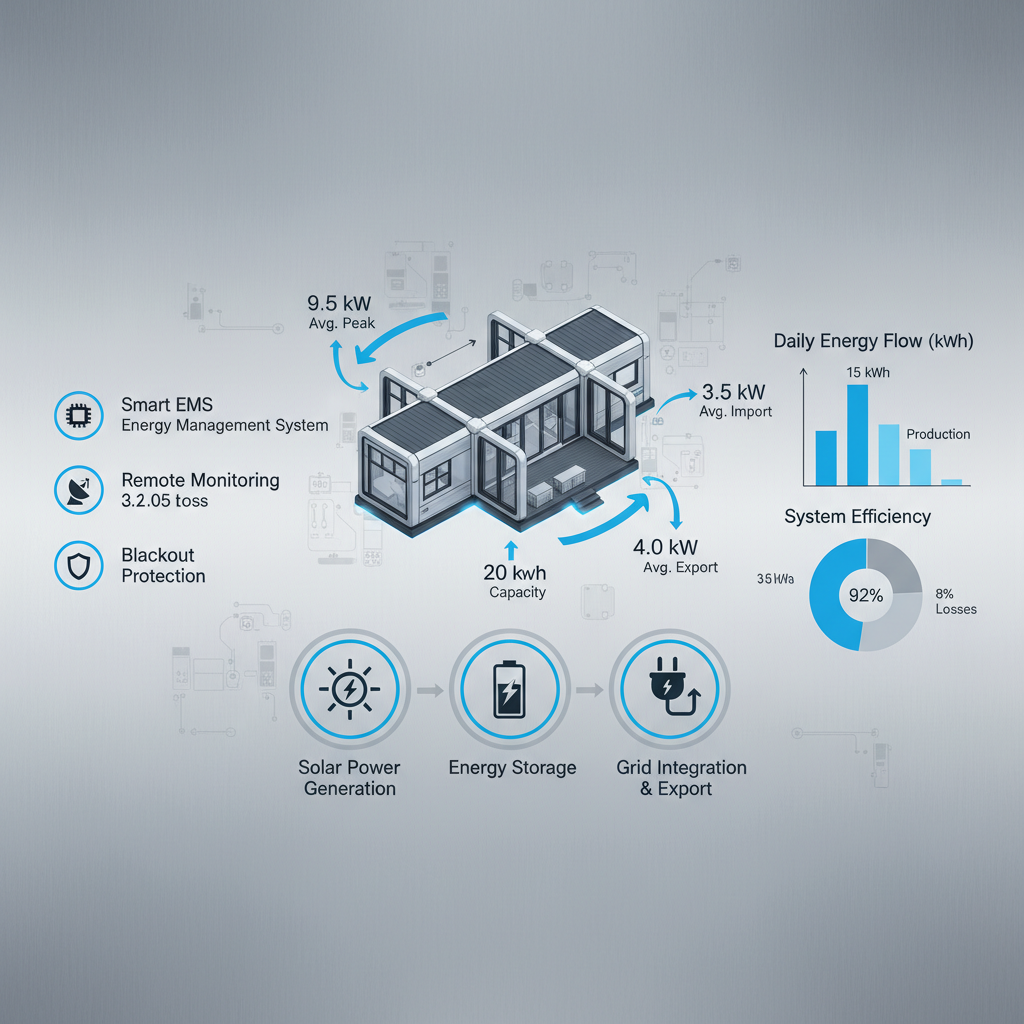
We're seeing a lot of exciting developments in materials science. Lightweight, high-strength composites are becoming more affordable and readily available. 3D printing is also playing a role, allowing for the rapid creation of custom components. And the integration of smart home technology – energy management systems, security sensors, and remote monitoring – is becoming increasingly common.
The trend towards self-sufficient systems is also significant. We're seeing tiny home expandable units equipped with solar panels, rainwater harvesting systems, and composting toilets, reducing their reliance on external infrastructure. And the development of modular, adaptable designs will continue to drive innovation in this space.
I also believe we'll see more government support for tiny home expandable, as policymakers recognize its potential to address the housing crisis and promote sustainable development. It’s not a silver bullet, but it’s a critical piece of the puzzle.
FAQS
Speed and efficiency are the biggest factors. Traditional construction can take months or even years. tiny home expandable can provide shelter in days or even hours. This is critical in the immediate aftermath of a disaster when people are most vulnerable. Furthermore, it reduces the logistical burden of transporting materials and skilled labor to the affected area.
Durability depends heavily on the materials used and the quality of construction. Modern tiny home expandable structures built with high-quality steel framing, robust insulation, and weather-resistant coatings can withstand hurricane-force winds, heavy snowfall, and seismic activity. Proper anchoring and foundation design are also essential for ensuring stability.
It can be. Many tiny home expandable designs incorporate sustainable materials like recycled steel and reclaimed wood. They also generate less waste during construction compared to traditional methods. Adding renewable energy systems like solar panels and water conservation technologies further enhances their environmental performance.
Costs vary depending on size, materials, and location, but generally, tiny home expandable is more cost-effective. Reduced labor, faster build times, and less material waste all contribute to lower overall expenses. However, permitting fees and site preparation costs can sometimes offset these savings.
Navigating local building codes, import regulations, and transportation logistics can be complex. Cultural considerations and community acceptance are also important. It requires careful planning, collaboration with local authorities, and a thorough understanding of the target market’s needs and preferences.
Maintenance requirements are generally similar to traditional homes. Regular inspections, cleaning, and upkeep are necessary. However, the modular nature of tiny home expandable can simplify repairs and replacements, as individual modules can be easily accessed or swapped out if needed.
Conclusion
tiny home expandable represents a paradigm shift in how we approach housing and infrastructure. It's not just about building faster; it's about building smarter, more sustainably, and more affordably. It’s a tool that addresses a critical global need, offering a viable solution to the housing crisis and providing rapid response capabilities in times of disaster.
Looking ahead, continued innovation in materials, design, and manufacturing will be key. We need to streamline regulations, promote collaboration between industry and government, and educate the public about the benefits of these systems. If we do that, tiny home expandable has the potential to transform lives and build a more resilient future. Visit our website at www.yanchungongxiang.com to learn more.