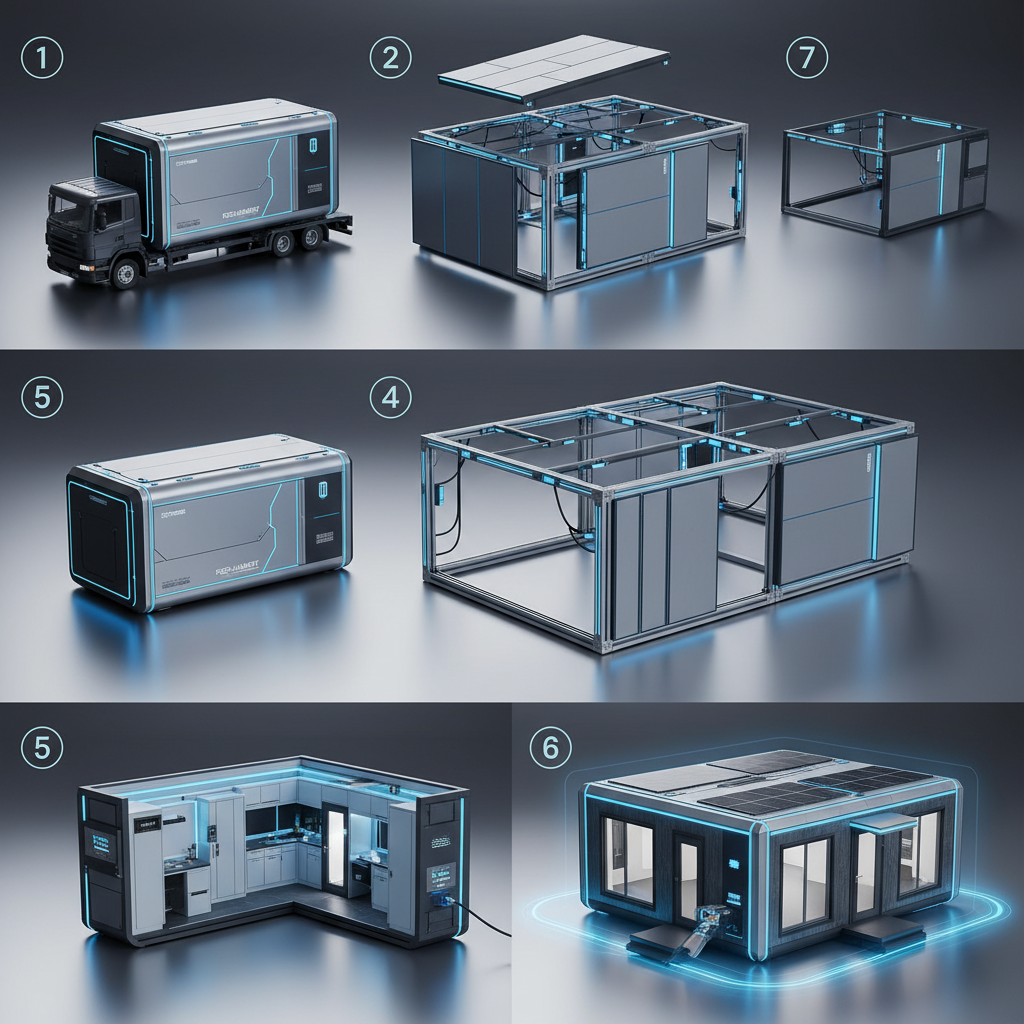
The demand for rapid deployment housing solutions is growing globally, driven by factors like natural disasters, humanitarian crises, and increasing urbanization. folding house structures offer a compelling alternative to traditional construction methods, providing swift shelter and adaptable living spaces. Their portability and ease of assembly are key advantages in addressing urgent housing needs.
In the realm of construction and emergency response, the concept of folding houses represents a significant advancement. These prefabricated structures are engineered for rapid assembly and disassembly, offering a versatile solution for various applications, from disaster relief to temporary accommodation in remote locations. The efficiency and adaptability of these systems are gaining prominence across diverse sectors.
Beyond immediate relief, folding house designs are also gaining traction as a sustainable and cost-effective approach to building permanent or semi-permanent housing, especially in regions facing housing shortages or infrastructure challenges. Their modular nature allows for customization and scalability, making them a viable option for diverse populations and environments.
The Global Rise of Folding House Technology
The proliferation of folding house technology is deeply rooted in the growing need for rapid and efficient housing solutions worldwide. According to the United Nations, over 1.6 billion people globally lack adequate housing – a figure that continues to rise with increasing urbanization and displacement due to conflict and climate change. This demand necessitates innovative construction methods that prioritize speed, cost-effectiveness, and sustainability.
Driven by advancements in materials science and engineering, modern folding house designs are no longer limited to basic shelter. They are evolving into sophisticated, habitable structures capable of withstanding diverse environmental conditions. This has opened up opportunities for their use in a wide range of applications, from disaster relief and refugee camps to temporary accommodation for workers in remote industrial areas.
Defining Folding House Structures
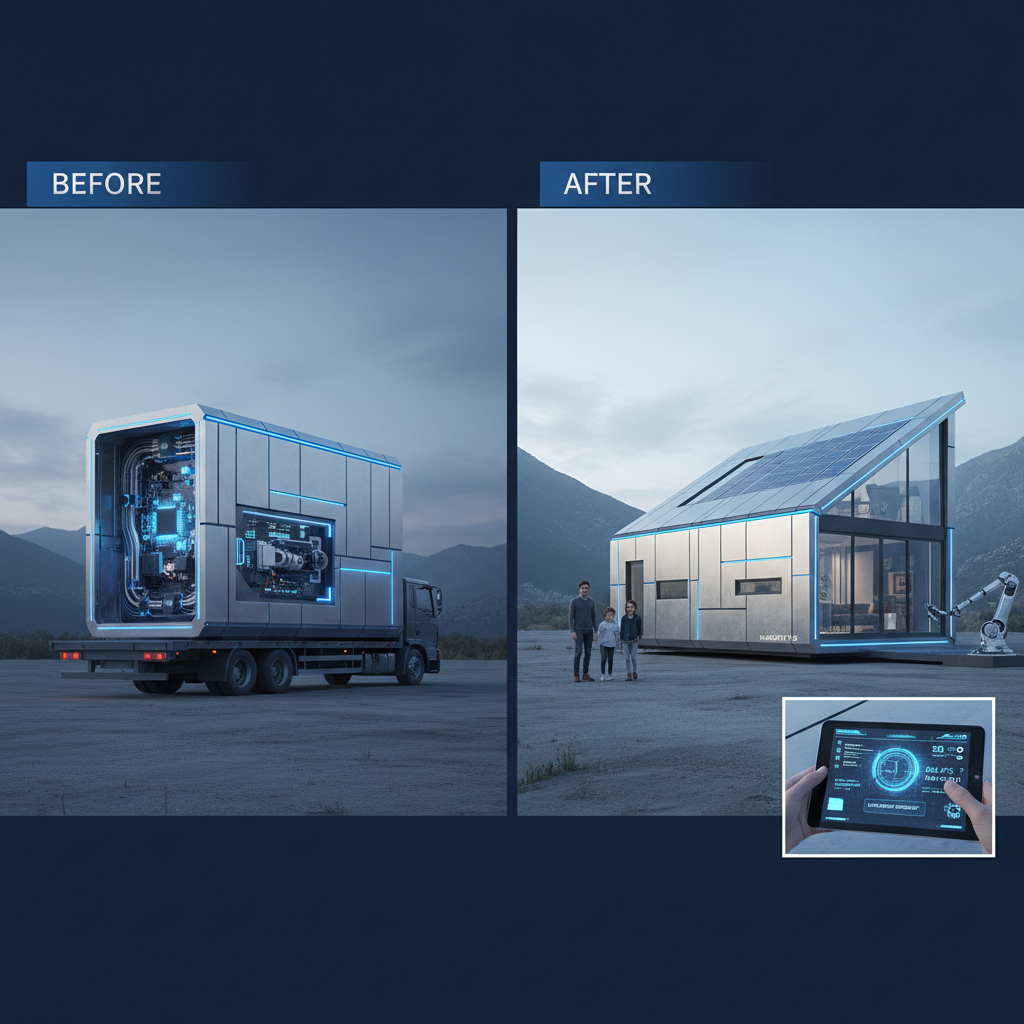
A folding house, at its core, is a prefabricated structure designed for rapid deployment and relocation. Unlike traditional construction, where buildings are assembled on-site from individual components, folding houses are largely pre-fabricated in a factory setting and transported to the destination for quick assembly. This process dramatically reduces construction time and labor costs.
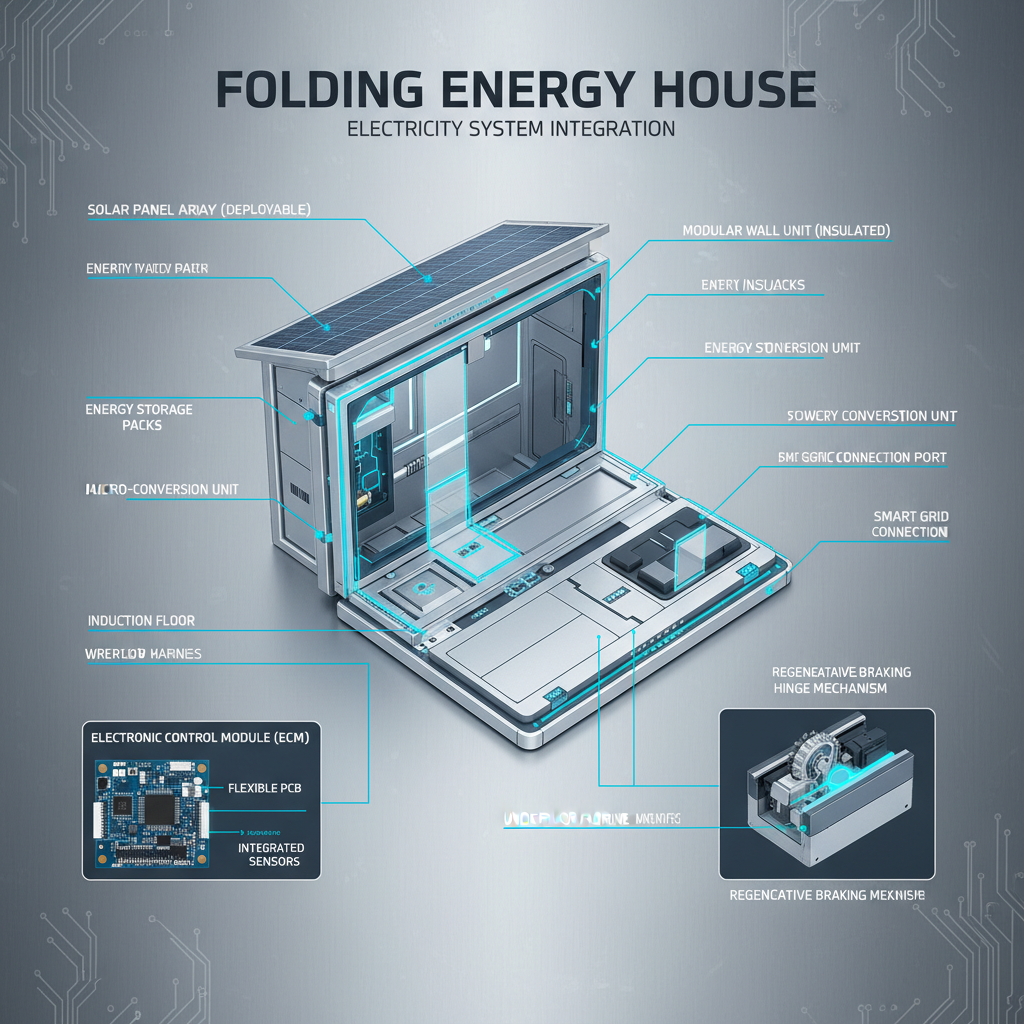
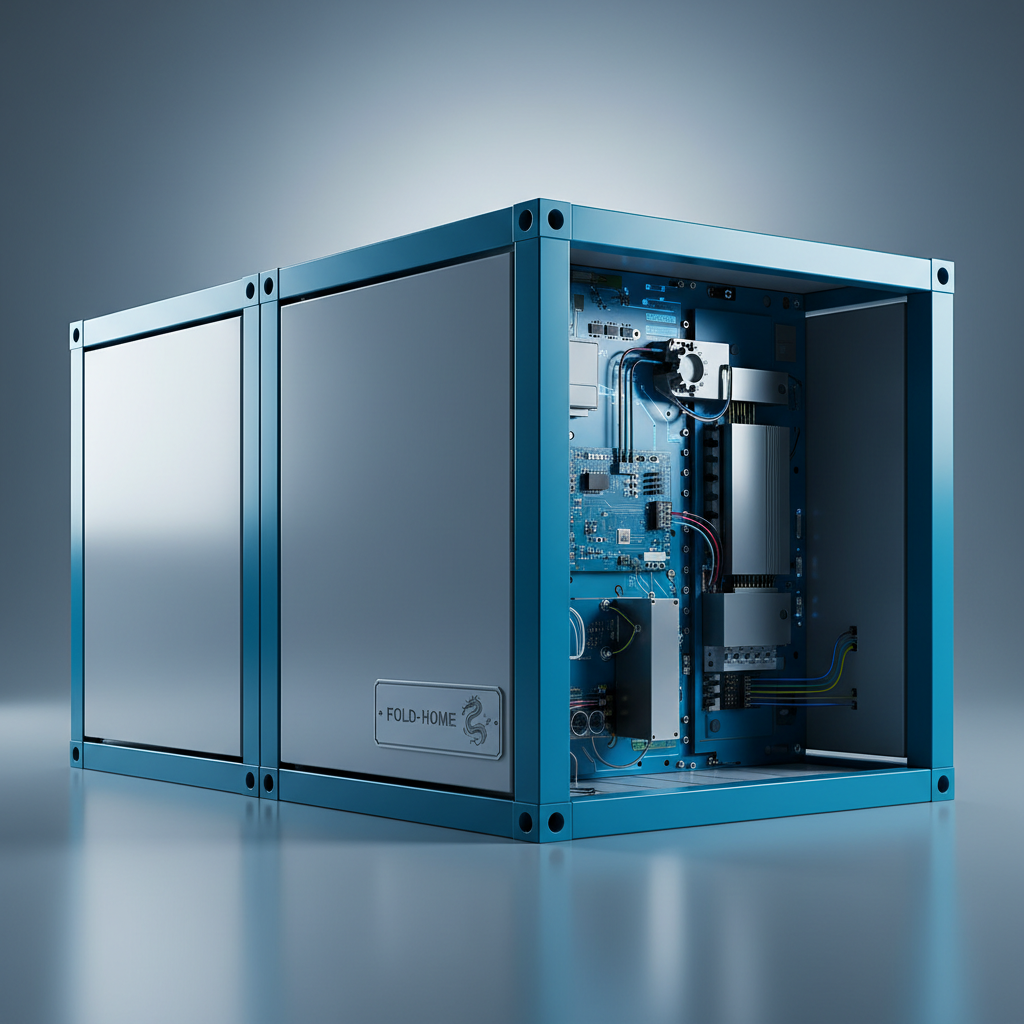
These structures typically employ a modular design, meaning they are composed of standardized sections that can be combined in various configurations to create different sizes and layouts. Materials used commonly include steel framing, insulated panels, and durable cladding, ensuring both structural integrity and thermal comfort. Modern designs often incorporate features like integrated plumbing, electrical systems, and even smart home technologies.
The essence of a folding house lies in its ability to provide shelter and habitable space with minimal disruption and maximum efficiency, making it an ideal solution for urgent housing needs and challenging environments.
Core Components and Design Principles
Several key components underpin the functionality and effectiveness of folding houses. The structural frame, typically constructed from high-strength steel, provides the foundational stability. Insulated panels, often utilizing materials like polyurethane or EPS foam, ensure thermal efficiency and soundproofing. The “folding” mechanism itself, utilizing hinges and locking systems, allows for rapid assembly and disassembly.
Design principles prioritize portability, ease of assembly, and durability. Minimizing the number of individual components simplifies transportation and reduces assembly time. Standardization of parts allows for mass production and efficient inventory management. Furthermore, designs must adhere to building codes and safety standards, ensuring the structures can withstand various environmental loads, such as wind, snow, and seismic activity.
The modular nature of folding houses also dictates a focus on space optimization and functional layout. Interior designs are often compact and multi-functional, maximizing the usability of limited square footage. The integration of essential utilities, such as plumbing and electrical systems, is carefully planned to ensure efficient operation and ease of maintenance.
Durability and Structural Integrity of Folding Houses
The durability of folding houses is a paramount concern, especially given their intended applications in challenging environments. Modern designs employ robust materials and engineering principles to ensure long-term structural integrity. High-strength steel frames, corrosion-resistant coatings, and durable cladding materials contribute to the overall lifespan of the structure.
Rigorous testing and adherence to international building codes are crucial. folding houses undergo structural analysis to assess their resistance to wind loads, snow loads, seismic activity, and other environmental stressors. These tests often simulate extreme conditions to validate the design’s performance and ensure occupant safety.
Structural Performance Ratings of Folding House Components
Global Applications and Diverse Use Cases
The versatility of folding houses extends to a wide range of applications across the globe. In post-disaster relief operations, they provide immediate shelter for displaced populations, offering a safe and secure environment in the aftermath of earthquakes, hurricanes, or floods. Organizations like the Red Cross and UNHCR frequently deploy these structures in emergency situations.
In remote industrial zones, such as mining camps or construction sites, folding houses serve as temporary accommodations for workers, eliminating the need for extensive on-site construction. They also find application in military operations, providing mobile command centers, medical facilities, and troop housing. Their quick deployment capability is invaluable in dynamic environments.
Advantages and Long-Term Value Proposition
The advantages of utilizing folding houses are multifaceted. The most significant benefit is cost efficiency – reduced construction time, lower labor costs, and minimal material waste contribute to substantial savings compared to traditional building methods. Sustainability is another key advantage, as these structures often incorporate recycled materials and minimize environmental impact.
Beyond economic and environmental considerations, folding houses offer a unique blend of practicality and social responsibility. They provide dignified shelter for those in need, promote community resilience, and foster a sense of stability in challenging circumstances. This combination of tangible benefits and positive social impact establishes a compelling long-term value proposition.
The modularity and adaptability of these structures further enhance their value, allowing for customization to meet specific needs and evolving requirements. This flexibility makes them a wise investment for organizations and individuals seeking a durable, cost-effective, and sustainable housing solution.
Future Trends and Innovative Developments
The future of folding house technology is brimming with innovation. Research and development efforts are focused on integrating smart home technologies, such as automated climate control and energy management systems, into these structures. The use of advanced materials, including self-healing polymers and lightweight composites, promises to further enhance durability and reduce weight.
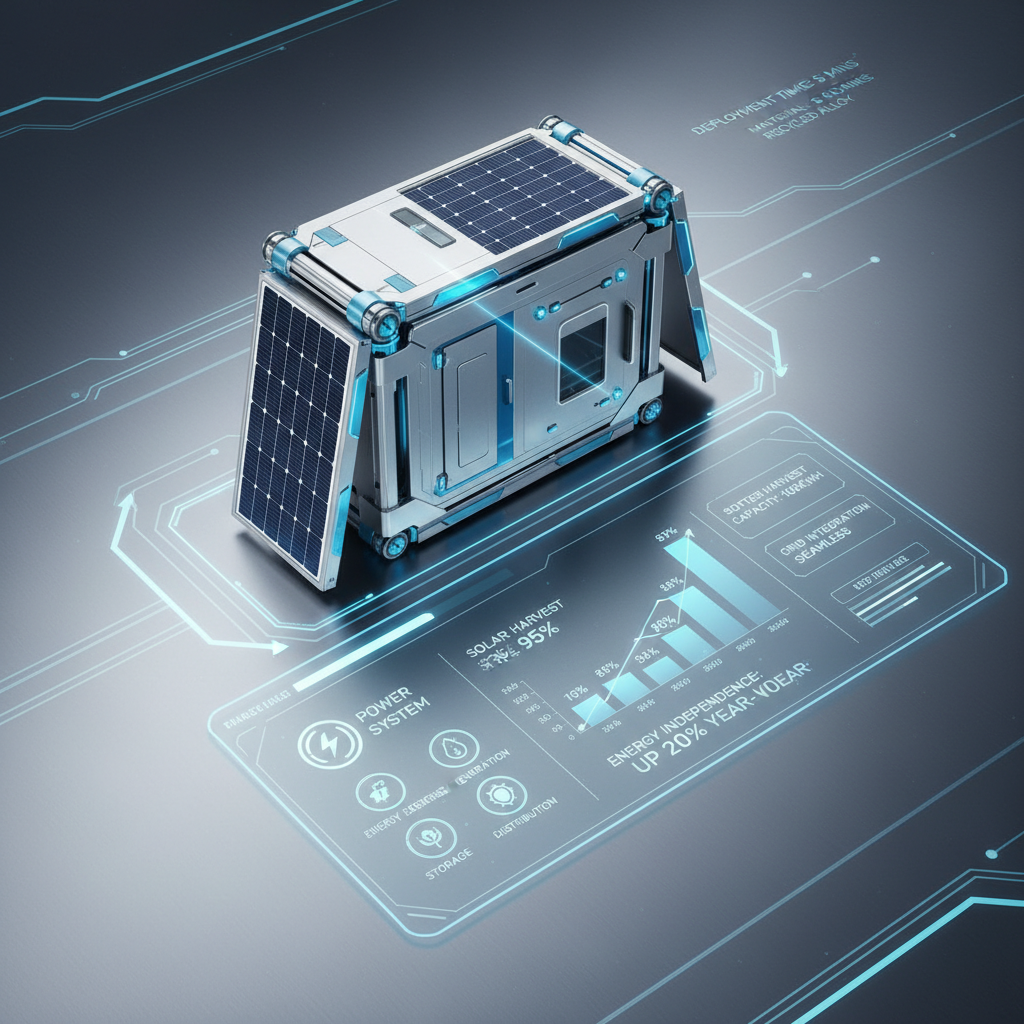
Green energy integration is another key trend, with designs incorporating solar panels, rainwater harvesting systems, and greywater recycling technologies. These features minimize the environmental footprint of folding houses and promote self-sufficiency. Furthermore, advancements in automation and robotics are streamlining the manufacturing and assembly processes, increasing efficiency and lowering costs.
Digital twins and Building Information Modeling (BIM) are also playing an increasingly important role in the design and construction of these structures, allowing for virtual prototyping, clash detection, and optimized performance analysis. These technologies will pave the way for even more sophisticated and sustainable folding house solutions in the years to come.
Summary of Challenges and Opportunities in Folding House Implementation
| Challenge Area |
Impact on Folding House Deployment |
Potential Mitigation Strategies |
Severity (1-5, 5=Critical) |
| Regulatory Hurdles |
Varying building codes and permitting processes can delay deployment. |
Advocacy for standardized regulations and pre-approved designs. |
3 |
| Supply Chain Disruptions |
Material shortages can impact production timelines and costs. |
Diversification of suppliers and strategic inventory management. |
4 |
| Skilled Labor Shortage |
Lack of trained personnel for assembly and maintenance. |
Training programs and simplified assembly instructions. |
2 |
| Transportation Logistics |
Moving large components to remote locations can be challenging. |
Optimized packaging and strategic transportation planning. |
3 |
| Public Perception |
Addressing concerns about quality and durability. |
Demonstrating successful case studies and highlighting safety features. |
2 |
| Initial Investment Cost |
Can be higher than traditional methods, depending on customization. |
Highlighting long-term cost savings and lifecycle benefits. |
3 |
FAQS
Folding houses offer significantly faster construction times, reduced labor costs, and increased portability compared to conventional building methods. They minimize site disruption and material waste, making them a sustainable and cost-effective solution, especially for temporary or emergency housing needs. They can be deployed rapidly in areas where traditional construction is impractical or too slow.
Modern folding houses are engineered for durability and resilience. They typically employ high-strength steel frames and insulated panels that can withstand significant wind loads, snow accumulation, and seismic activity. Rigorous testing ensures they meet or exceed relevant building codes and safety standards. Proper maintenance is essential for long-term performance, but they are designed to provide reliable shelter in challenging environments.
Yes, folding houses are often highly customizable. Modular designs allow for various configurations and layouts, and features like plumbing, electrical systems, and interior finishes can be tailored to meet specific requirements. Different sizes, floor plans, and aesthetic options are typically available, providing flexibility to create comfortable and functional living spaces.
With proper maintenance, a well-constructed folding house can have a lifespan of 20-50 years or even longer. Regular inspections, repairs, and upkeep of components like roofing, cladding, and insulation are crucial for maximizing longevity. The durability of the materials and the quality of construction significantly influence the overall lifespan of the structure.
Folding houses offer several environmental advantages. The prefabricated construction process minimizes material waste and reduces on-site disruption. They can incorporate recycled materials and energy-efficient technologies like solar panels and rainwater harvesting systems. Their portability and reusability also contribute to a lower environmental footprint compared to traditional construction.
Permitting requirements vary depending on the location and intended use of the folding house. Generally, you’ll need to comply with local building codes and zoning regulations. This may involve obtaining permits for foundations, electrical and plumbing installations, and occupancy. It's essential to consult with local authorities to ensure compliance and avoid potential legal issues.
Conclusion
In conclusion, folding house technology represents a transformative approach to housing, offering a compelling blend of speed, cost-effectiveness, sustainability, and adaptability. From disaster relief efforts to remote industrial applications, these structures are proving their value in addressing a wide range of global challenges. Their modular design and ease of deployment make them a viable alternative to traditional construction methods, particularly in situations where time and resources are limited.
Looking ahead, continued innovation in materials science, smart home integration, and green energy technologies will further enhance the capabilities and appeal of folding houses. By embracing these advancements and advocating for supportive regulatory frameworks, we can unlock the full potential of this technology to create more resilient, sustainable, and equitable housing solutions for communities around the world. Visit our website at www.yanchungongxiang.com to learn more about our range of folding house solutions.