Email: yanchunjituan@163.com
Tel: 8613303316269
The demand for rapid and adaptable shelter solutions is growing globally, driven by factors like urbanization, disaster relief, and the need for affordable housing. Foldable house structures offer a compelling answer to these challenges, providing a uniquely efficient and scalable housing option. These innovative dwellings are transforming how we think about construction and shelter, delivering practical benefits across diverse applications.
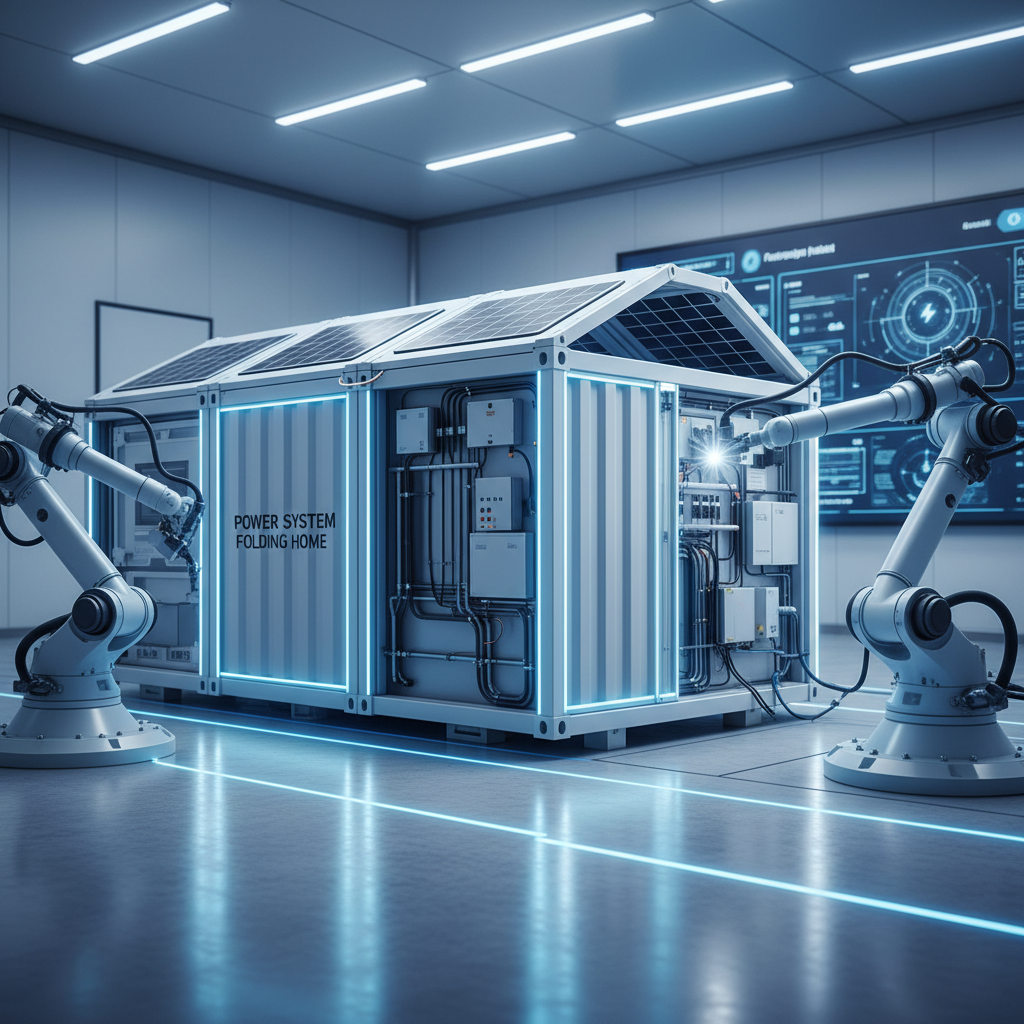
The rise of prefabrication and modular construction has paved the way for the development of foldable house technology. What was once considered a futuristic concept is now a viable solution for addressing urgent housing needs, especially in situations where speed, cost-effectiveness, and portability are paramount. From emergency response to remote site accommodations, these structures are making a significant impact.
Understanding the intricacies of foldable house technology – from material science and engineering to deployment logistics – is crucial for professionals and organizations seeking innovative shelter solutions. This approach represents a paradigm shift in building design, offering a more sustainable and adaptable approach to meeting the evolving demands of the 21st century.
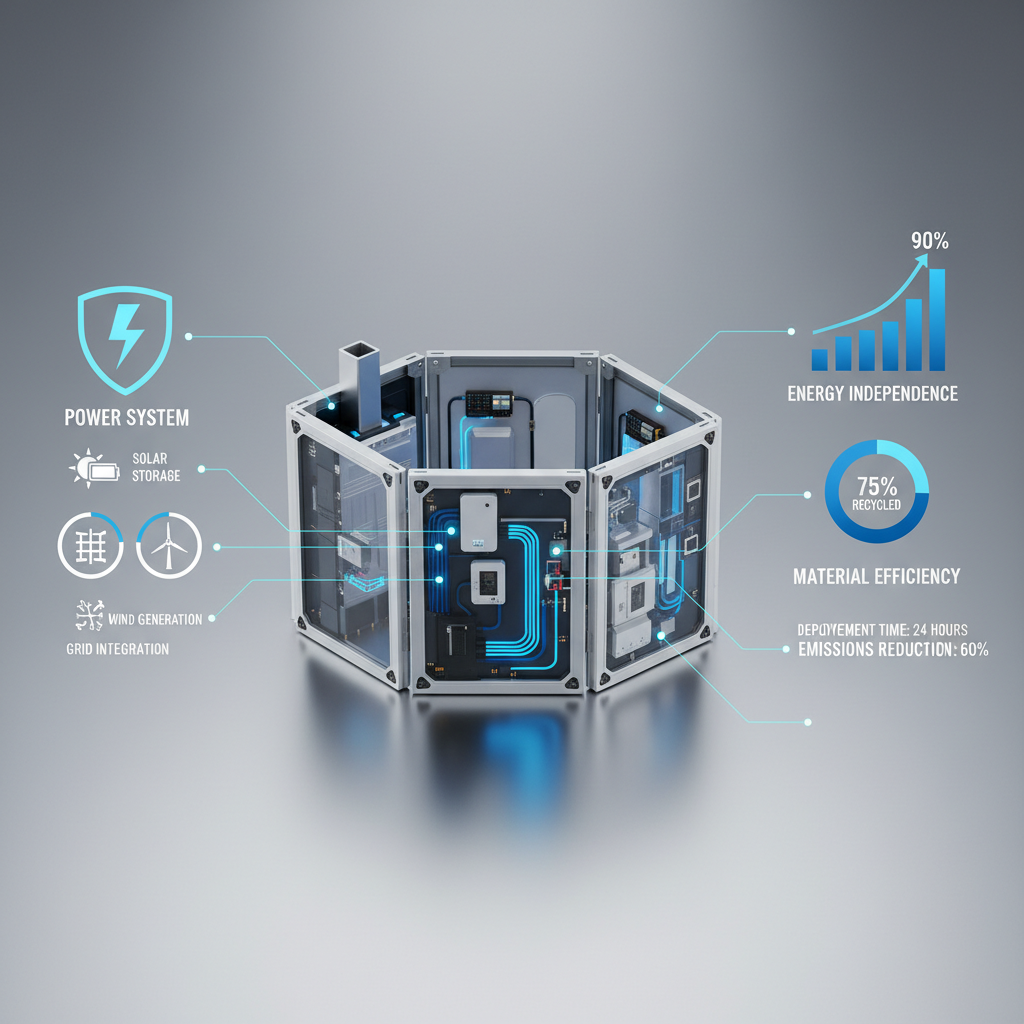
The increasing frequency of natural disasters, coupled with global housing shortages, has driven a surge in demand for rapid deployment housing solutions. The United Nations estimates that millions are displaced annually due to conflict and natural disasters, creating an urgent need for shelter. Foldable house structures provide a practical and scalable solution to address these challenges, offering a faster and more cost-effective alternative to traditional construction.
According to the World Bank, affordable housing is a critical component of sustainable development. Foldable house technologies offer a promising pathway to expand access to safe and dignified housing, especially in developing countries. These structures are designed for quick assembly and disassembly, reducing construction time and labor costs, ultimately making housing more accessible to those in need.
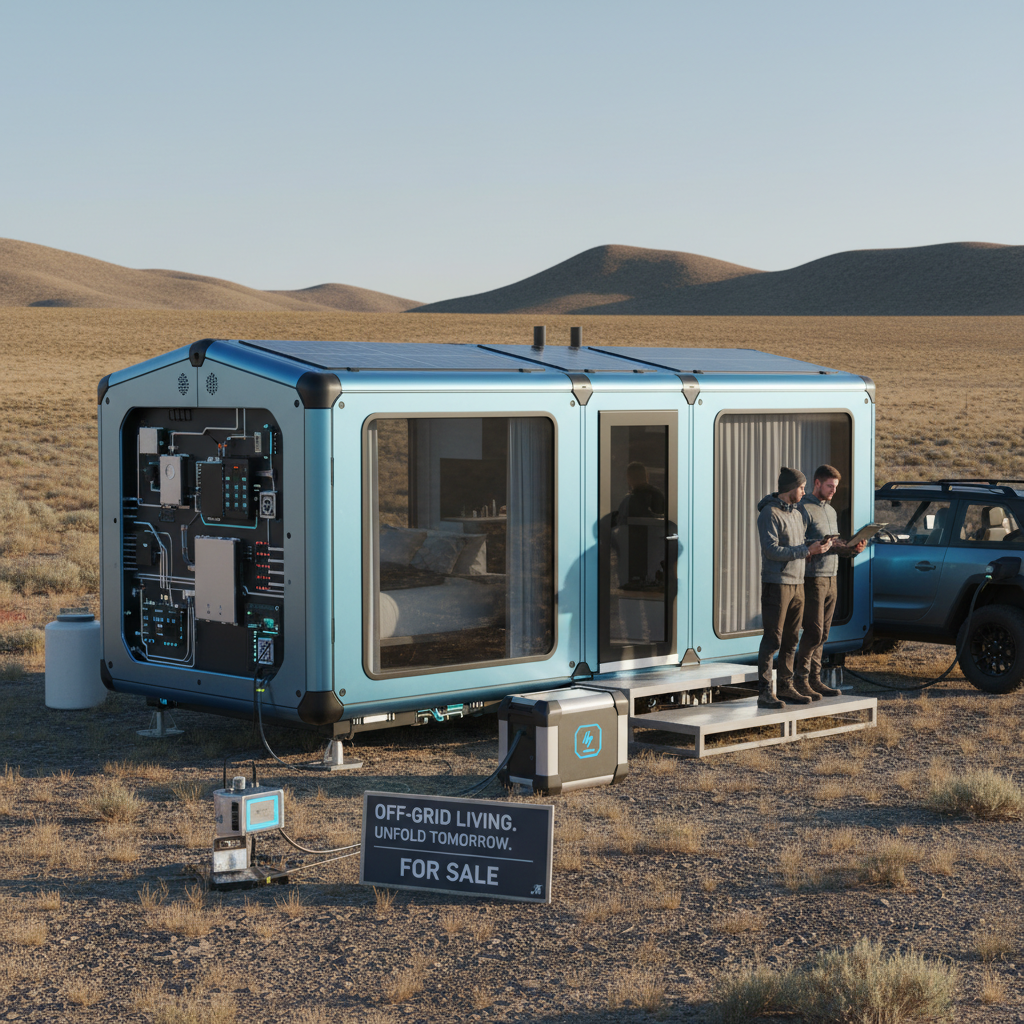
Foldable houses offer several key advantages including significantly reduced construction time, lower costs due to minimized labor and material waste, and increased portability for deployment in remote or disaster-affected areas. They also tend to be more environmentally friendly due to the use of prefabricated components and efficient material utilization. Their rapid deployment capability is crucial in emergency response situations.
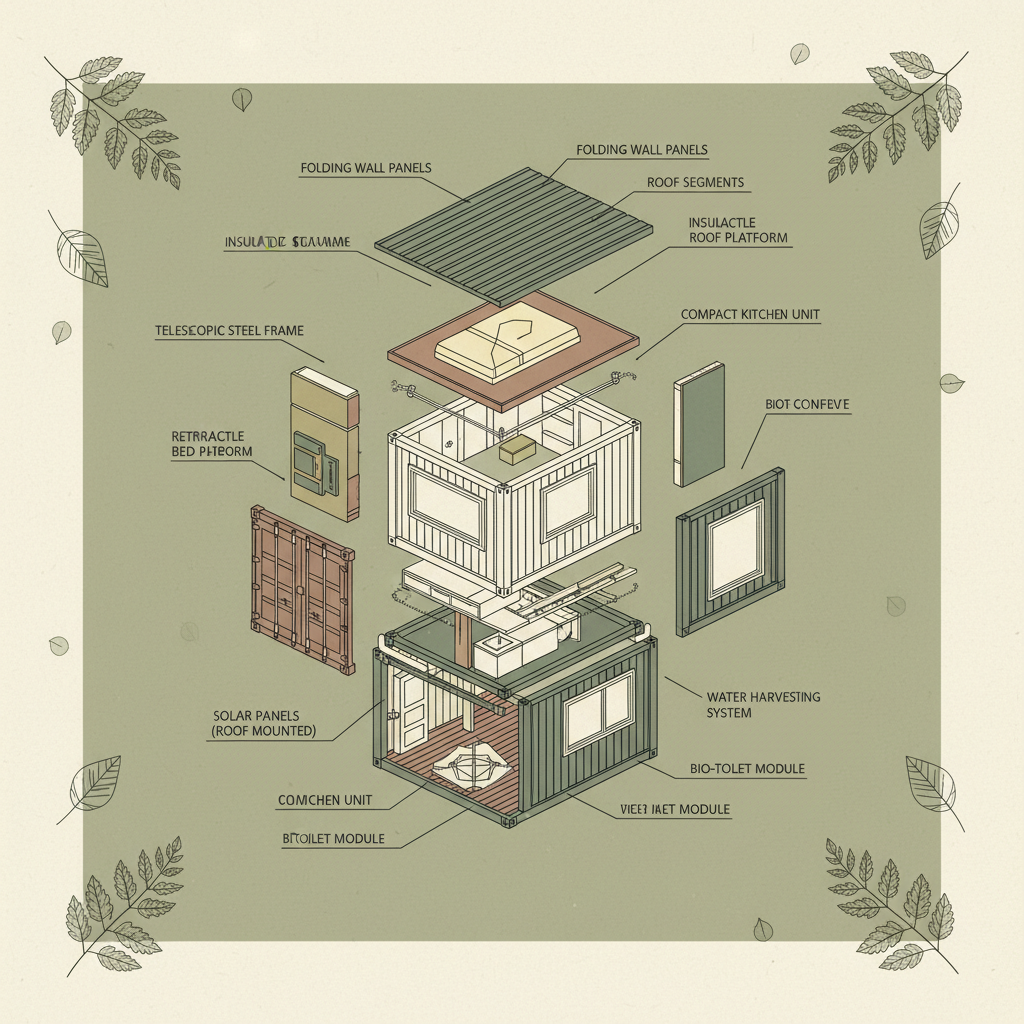
A 10ft expandable foldable house can typically be assembled in under 4 hours with a small team of 2-3 people. The ease of assembly is a major benefit, minimizing downtime and allowing for quick shelter provision. The design prioritizes simplicity and efficiency in the construction process.
Yes, modern foldable house structures are engineered to withstand a range of harsh weather conditions, including high winds, heavy rainfall, and extreme temperatures. They utilize durable materials, such as steel frames and waterproof cladding, to ensure structural integrity and protection for occupants. Specific ratings vary based on the model and materials used.
The lifespan of a foldable house can vary depending on the materials used, the climate, and the level of maintenance. However, with proper care, a well-constructed unit can last for 10-20 years or even longer. Regular inspections and maintenance are crucial for maximizing the lifespan and ensuring continued safety and comfort.
Building code restrictions for foldable house installations vary depending on the location. It’s important to check with local authorities to ensure compliance with all applicable regulations. Some areas may require permits or inspections to ensure the structure meets safety standards. We can often provide documentation to assist with the permitting process.
Generally, foldable house are more cost-effective than traditional construction methods. This is due to reduced labor costs, faster construction times, and efficient material usage. The overall cost savings can be significant, especially for large-scale projects or in remote locations where transportation costs are high.
Foldable house technology represents a significant advancement in the field of shelter solutions. Offering speed, cost-effectiveness, portability, and sustainability, these structures are poised to play an increasingly important role in addressing global housing challenges, from disaster relief to affordable housing initiatives. Their adaptable nature and innovative design make them a viable solution for a diverse range of applications.
Looking ahead, continued advancements in materials science, smart home integration, and sustainable building practices will further enhance the appeal and functionality of foldable house. We encourage you to explore our range of expandable models and discover how they can meet your specific needs. Visit our website at www.yanchungongxiang.com to learn more and request a quote.