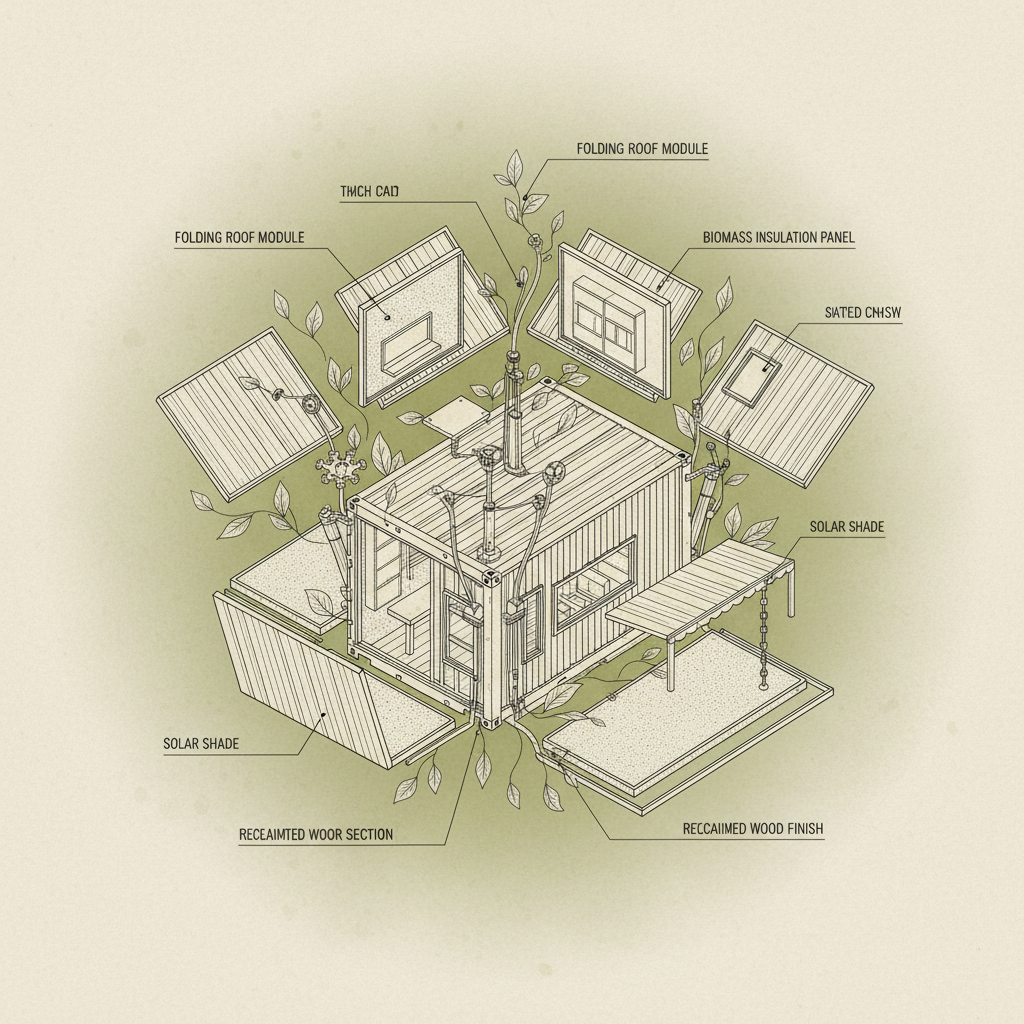
The evolution of modern architecture has led to a critical demand for rapid, scalable, and durable housing solutions. A folding container house represents the pinnacle of this evolution, blending the structural integrity of industrial steel with the flexibility of modular design to solve urgent housing crises and logistical challenges globally.
From providing immediate relief in disaster-stricken zones to creating sustainable pop-up offices in remote industrial sites, these structures eliminate the traditional delays associated with onsite construction. By utilizing a foldable mechanism, these units significantly reduce transportation costs and deployment time, making them an essential tool for modern urban planning and emergency response.
Understanding the technical nuances of these systems—ranging from their galvanized steel frames to their expandable floor plans—allows developers and NGOs to maximize efficiency. Whether it is a compact 10ft unit or a sprawling 40ft expandable model, the versatility of the folding container house ensures that safety and comfort are never sacrificed for speed.
Global Context and the Demand for Folding Container Houses
On a global scale, the urgency for rapid-deployment housing has peaked due to increasing urbanization and the frequency of climate-related disasters. According to data trends mirrored by international housing agencies, the traditional construction timeline is often too slow to address the needs of displaced populations or the sudden expansion of remote mining and energy projects. This is where the folding container house steps in as a disruptive solution.
By optimizing the logistics chain, these houses allow for the shipment of multiple units in a single standard container, drastically lowering the carbon footprint and cost per square meter. The ability to transition from a flat-packed state to a fully functional living space in a matter of hours addresses the critical gap between immediate survival and long-term stability in humanitarian and industrial sectors.
Defining the Folding Container House Ecosystem
A folding container house is a prefabricated structural system engineered from high-strength galvanized steel, designed to be collapsed for transport and expanded for use. Unlike traditional shipping containers that require extensive cutting and welding to become habitable, these are purpose-built modular units. They typically feature integrated flooring, wall panels, and roofing that unfold via a heavy-duty hinge system.
In the context of modern industry, these structures are more than just "boxes"; they are engineered environments. They incorporate thermal insulation, electrical wiring, and plumbing pathways that remain intact during the folding process. This seamless integration allows them to serve as high-quality temporary residences, field hospitals, or rapid-deploy office spaces without the need for specialized onsite labor.
Whether it is a 20ft Expandable Folding House for a small family or a 40ft version for a command center, the core philosophy remains the same: maximum utility with minimum footprint. This approach aligns with the "Just-in-Time" delivery model of modern manufacturing, ensuring that infrastructure is available exactly when and where it is needed.
Core Technical Components of Modular Folding Units
The structural integrity of a folding container house relies heavily on the quality of the steel chassis. Using Q235 or Q345 galvanized steel ensures that the frame can withstand repeated folding cycles without fatigue or deformation, providing a safe foundation for the entire unit.
Thermal regulation is achieved through the use of sandwich panels, often consisting of EPS, rock wool, or polyurethane cores. These materials are critical for maintaining a stable internal temperature in extreme climates, ensuring that the folding container house remains energy-efficient and comfortable regardless of external weather conditions.
Furthermore, the precision of the hinge and locking mechanisms is what separates industrial-grade units from low-end imitations. High-tolerance joints allow the walls to lock into place securely, eliminating gaps that could lead to air leaks or structural instability, which is paramount for safety in high-wind or seismic areas.
Comparative Performance and Efficiency Analysis
When evaluating the efficiency of modular housing, the deployment speed and transportation density are the most critical metrics. A standard folding container house can be unfolded by a small team in under an hour, whereas a traditional site-built structure would take weeks of foundation work and framing.
Beyond speed, the cost-to-benefit ratio is significantly higher due to reduced waste during the manufacturing process. Since these units are produced in a controlled factory environment, material precision is maximized, and the risk of weather-related delays is completely eliminated.
Deployment Efficiency of Folding Container House Variations
Real-World Applications Across Diverse Industries
In the realm of disaster relief, the folding container house has become a lifeline. NGOs and governmental agencies can ship dozens of units to a disaster zone in a single cargo plane, providing immediate, dignified shelter for displaced families that far exceeds the quality and safety of traditional tents.
In the industrial sector, these units are increasingly used as remote site offices and worker accommodations. For projects like wind farm installations or deep-sea mining explorations, the ability to deploy a 20ft or 40ft expandable house ensures that the workforce has a climate-controlled environment to live and work in, which directly boosts productivity and mental well-being.
Long-Term Value and Sustainability Benefits
From a sustainability perspective, the folding container house promotes a circular economy. The materials used are primarily recyclable steel and composite panels, and because the units are non-permanent, they leave virtually no footprint on the land they occupy. When a project ends, the houses can be folded back up and relocated to a new site.
Economically, the value lies in the reduction of capital expenditure (CAPEX) and operational expenditure (OPEX). There is no need for expensive concrete foundations or permanent land permits in many jurisdictions, allowing businesses to scale their infrastructure up or down based on real-time demand.
Psychologically, the transition from a "tent" to a "house" provides a sense of security and dignity to occupants. The inclusion of windows, locking doors, and proper insulation transforms a temporary shelter into a home, which is vital for the long-term psychological recovery of people in crisis zones.
Future Trends in Smart Expandable Housing
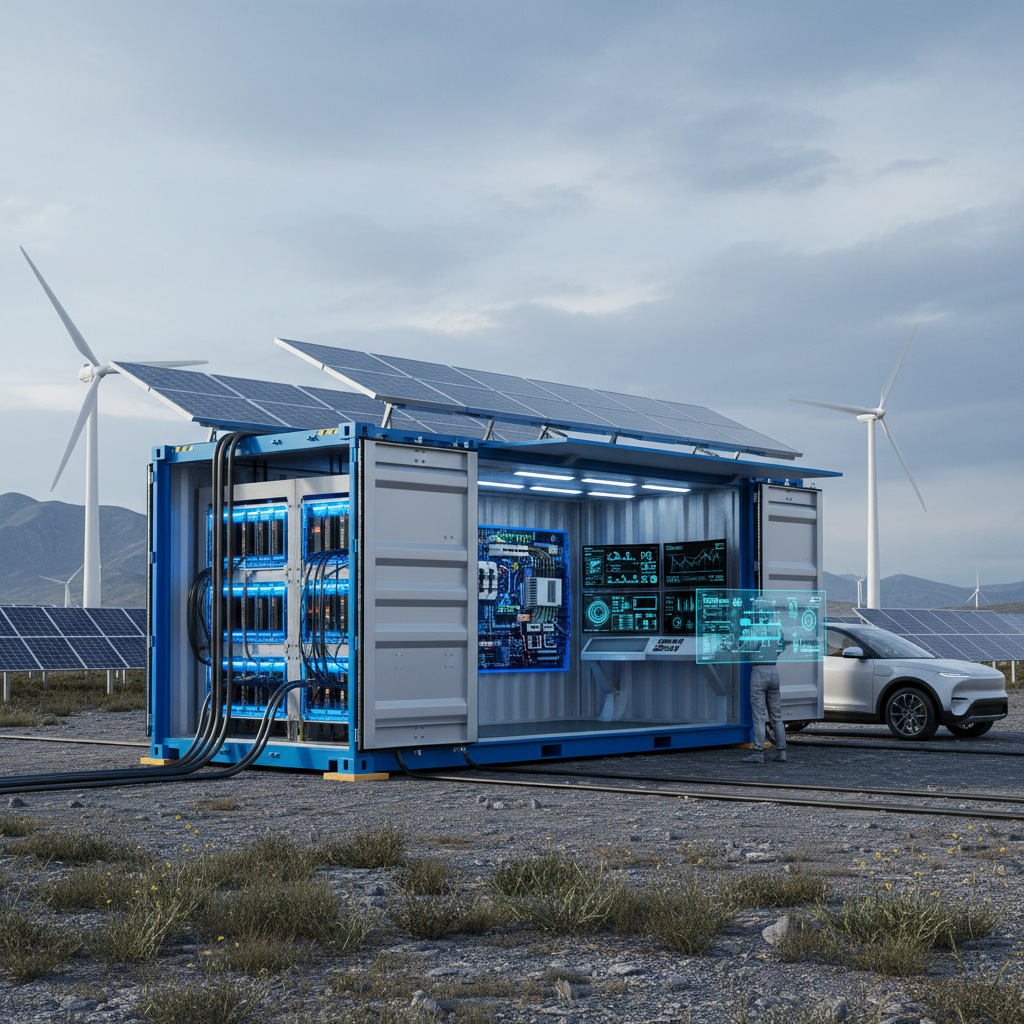
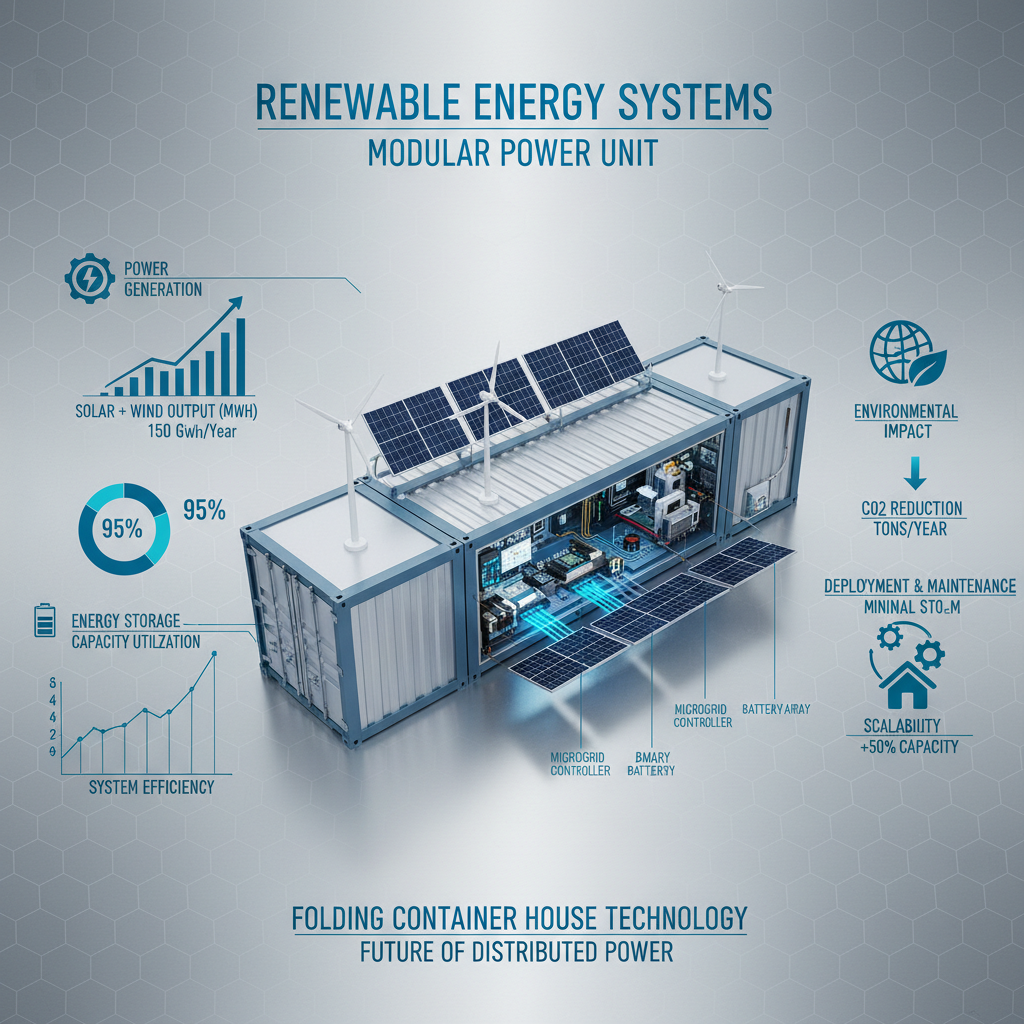
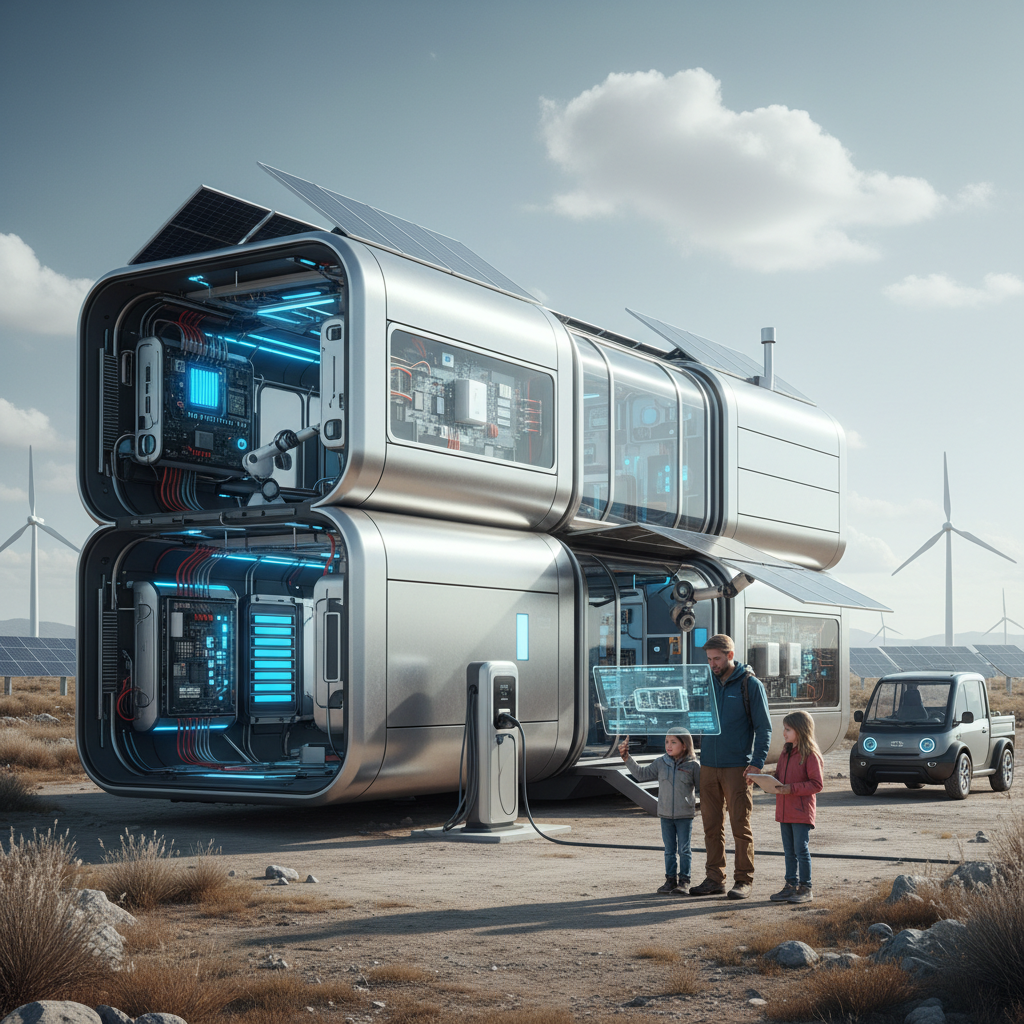
The next generation of the folding container house is integrating "Smart Home" technology and green energy. We are seeing the integration of flexible thin-film solar panels on the roof surfaces and built-in lithium battery storage systems, allowing these units to operate completely off-grid in the most remote corners of the world.
Automation is also playing a role, with research into hydraulic or motorized unfolding systems that could allow a house to deploy itself with the push of a button. This would further reduce the manpower required for setup and minimize the risk of human error during the assembly process.
As building codes evolve to recognize modular and prefabricated structures, we expect these houses to move into the permanent residential market. Hybrid models that combine folding technology with 3D-printed interior components will likely offer a level of customization previously unseen in the prefab industry.
Technical Comparison of Folding Container House Configurations
| Unit Model |
Deployment Speed |
Insulation Rating |
Logistics Cost |
| 10ft Folding Unit |
15-20 Mins |
7/10 |
Ultra Low |
| 20ft Expandable House |
30-45 Mins |
9/10 |
Low |
| 30ft Modular Unit |
60 Mins |
8/10 |
Medium |
| 40ft Command House |
90 Mins |
10/10 |
Medium |
| Custom Hybrid Unit |
45-60 Mins |
9/10 |
Medium |
| Compact Shelter |
10 Mins |
6/10 |
Minimal |
FAQS
Unlike tents, a folding container house provides rigid structural protection, integrated weatherproofing, and significant thermal insulation. It offers a lockable, secure environment that protects occupants from wind, rain, and intruders, while providing a psychological sense of "home" and dignity that fabric shelters cannot match.
When constructed with galvanized steel and high-grade anti-corrosive coatings, a quality folding container house can last 15-20 years. The durability depends on the maintenance of the hinge points and the quality of the sandwich panels used for the walls. In coastal areas, specialized marine-grade coatings are recommended.
Not at all. The "folding" design is engineered for simplicity. Most units require only a basic level surface and a small crew (2-4 people) to unfold the walls and lock the supports. No heavy machinery or specialized construction skills are required, making it an ideal solution for rapid deployment.
Yes, they are highly sustainable. They reduce construction waste and can be relocated without damaging the land. Cost-effectiveness comes from the drastically reduced shipping costs and the lack of expensive foundation requirements, making them cheaper than traditional builds for temporary or semi-permanent use.
While the primary structure is prefabricated, the interiors are highly customizable. Customers can choose different flooring materials, wall colors, and the placement of electrical outlets. For larger units like the 40ft model, interior partitioning can be added to create separate bedrooms or office zones.
Most NGOs leverage the fact that folding houses are shipped in standard ISO container dimensions. This allows them to use existing global shipping lanes and customs protocols. Because they are classified as "prefabricated structures" rather than "permanent buildings," the import process is often streamlined.
Conclusion
The folding container house stands as a testament to the fusion of industrial engineering and humanitarian need. By solving the critical challenges of transportation, deployment speed, and structural durability, it provides a versatile platform for everything from emergency shelters to high-end remote offices. Its ability to scale from a 10ft compact unit to a 40ft comprehensive living space ensures that it can meet any logistical demand without compromising on quality or safety.
Looking forward, the integration of green energy and smart automation will further solidify these structures as the primary choice for sustainable, rapid-response infrastructure. Whether you are an urban developer, a project manager for remote industrial sites, or a humanitarian coordinator, investing in expandable modular technology is a step toward a more resilient and flexible future. Visit our website to explore our full range: www.yanchungongxiang.com