Look, I've been running around construction sites all year, and honestly, the biggest trend right now is everyone wanting things faster. Prefabrication is huge, of course, but it's not just about speed. It's about predictability. Clients don't want surprises, and they definitely don't want delays. That's where china expandable house really comes into its own. It's not revolutionary, not by a long shot, but it's reliable. And these days, reliability is worth its weight in gold.
You know, the demand is growing and growing, and a lot of manufacturers are trying to jump on the bandwagon. But that’s where things get tricky. I've seen a lot of designs that look good on paper but are a nightmare to assemble on site. Have you noticed how many people overestimate the importance of those fancy connectors? They’re always the first thing to fail, always. Simple is better, trust me.
And honestly, the biggest challenge isn’t the design, it's getting the materials right.
The Growing Demand for Rapid Deployment
To be honest, the initial push came from disaster relief. Everyone saw the need for quick, scalable shelter after the earthquakes in Turkey, and frankly, the traditional options just weren’t cutting it. But it's moved beyond that now. It's about temporary housing for construction crews, remote site offices, even pop-up clinics. The key is minimizing on-site construction time. Less time on-site means less cost, less disruption, and fewer headaches for everyone involved.
I encountered this at a solar farm installation in Nevada last year. They needed secure, climate-controlled offices for the engineers, but the location was miles from anywhere. Shipping in pre-built structures was prohibitively expensive. china expandable house were a lifesaver. They had them up and running in a couple of days.
Design Pitfalls and Assembly Considerations
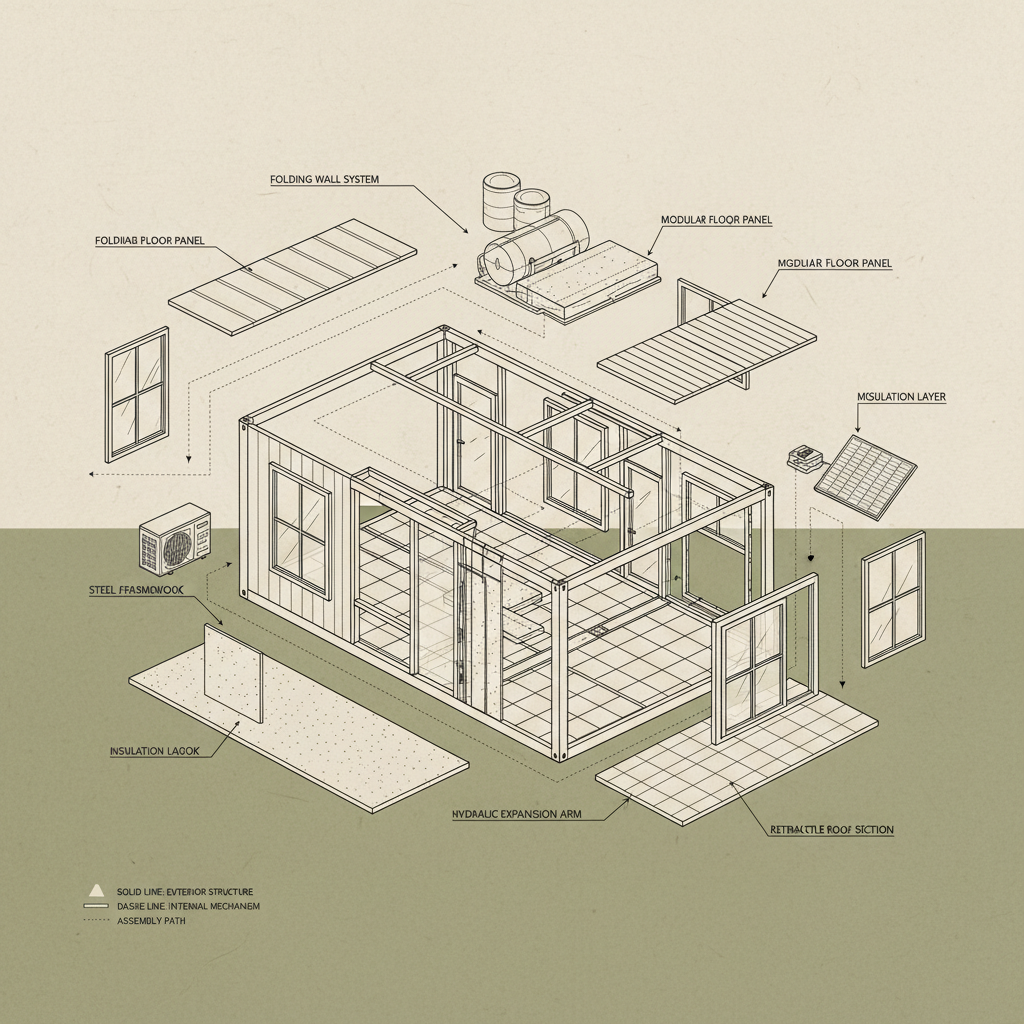
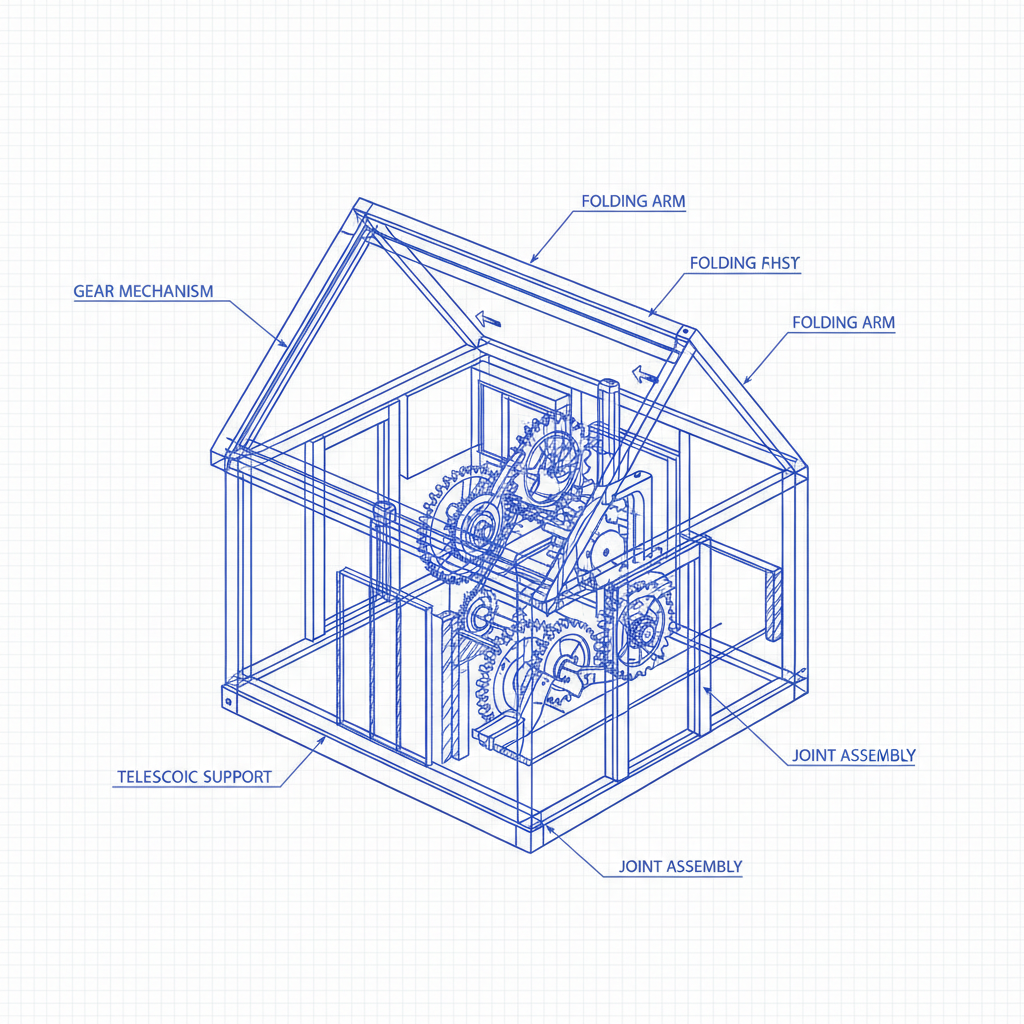
Strangely, a lot of designers focus on the aesthetics of these units and forget about the practicalities of assembly. I've seen designs with ridiculously complex folding mechanisms that require a team of specialists and a crane. Pointless. The whole point is easy deployment. Keep it simple, stupid – that's my motto.
You also have to think about the connections. Those little locking pins? They’re often the weakest link. And the seals… God, the seals. If they’re not properly designed and installed, you’ll get leaks. And leaks lead to mold, and mold leads to… well, you get the picture.
And honestly, the instructions? Usually terrible. Written by someone who's never actually assembled one of these things. A good set of clear, concise diagrams is worth its weight in gold.
Material Science: Beyond the Spec Sheet
Everyone talks about steel frames and composite panels, but the devil's in the details. The steel needs to be properly galvanized to prevent corrosion, and the composite panels need to be UV-resistant. I encountered a batch of panels last year that faded and cracked within months of being exposed to the sun. A complete disaster.
I'm partial to the panels with a textured finish. They hide scratches and dents better, which is important on a construction site. The smell is important too. Some of those cheaper panels have a really strong chemical odor that lingers for weeks. Not good.
And don't even get me started on the insulation. You need something that's both effective and non-toxic. Spray foam is good, but it's messy. Rockwool is a good alternative, but it's more expensive. It’s always a trade-off.
Real-World Testing and Durability
Lab tests are fine, but they don't tell the whole story. You need to see how these things hold up in real-world conditions. We've tested china expandable house in everything from scorching deserts to freezing tundras. And not just the structures themselves, but the components too.
We once buried a unit halfway in the ground to simulate an earthquake. It held up surprisingly well, although the door mechanism was a bit jammed afterwards. Another time, we subjected a unit to hurricane-force winds. Again, it performed better than expected, but we did have to reinforce the roof.
The key is stress testing everything. And not just to breaking point. You need to see how the materials degrade over time. How do the seals hold up after repeated exposure to rain and sun? How does the steel frame corrode?
china expandable house Performance Metrics
User Behavior and Unexpected Applications
Anyway, I think one thing that surprises a lot of people is how these units are actually used. You design them for one purpose, but then the users find all sorts of other applications. We designed one unit as a temporary office, and they ended up using it as a mobile classroom for teaching welding. Who would have thought?
We’ve also seen them used as mobile medical clinics, disaster relief shelters, even pop-up retail stores. People are creative. They’ll find a way to make these things work for their needs.
Advantages, Disadvantages, and Customization
The biggest advantage, as we've already discussed, is speed and flexibility. You can deploy these things much faster and cheaper than building a traditional structure. They’re also relatively easy to relocate, which is a big plus.
But they're not perfect. They can be cramped, and they're not as aesthetically pleasing as a traditional building. And, let's be honest, they're not going to win any awards for luxury. But for temporary needs, they're a great solution.
Customization is key, though. We’ve had clients request everything from custom paint jobs to integrated solar panels. Last month, that small boss in Shenzhen who makes smart home devices insisted on changing the interface to , and the result was a complete logistical nightmare getting the power supply sorted. It cost him a fortune, and delayed the project by a week. Lesson learned: stick to the standard connectors unless you have a very good reason not to.
A Customer Story: The Interface Debacle
To recap, this guy in Shenzhen needed fast deployment office space for his electronics assembly line. He wanted it looking sharp, sleek, modern. He envisioned a tech hub feel, so he demanded USB-C charging ports everywhere. Initially, we tried to talk him out of it, explaining the supply chain issues and the increased cost. But he wouldn't budge. He said his clients expected it.
So we sourced the USB-C components, wired them into the power system, and delivered the units. Except, the power supplies he’d ordered from a different supplier weren't compatible. The voltage was off. He'd forgotten to coordinate. It took a week to source the correct power supplies, and another few days to install them. Cost him a fortune in shipping and labor.
Later… Forget it, I won’t mention it. The point is, sometimes, the simplest solution is the best.
Key Characteristics of china expandable house Components
| Component Type |
Material Composition |
On-Site Handling |
Durability Rating (1-10) |
| Steel Frame |
High-Strength Galvanized Steel |
Requires forklift or crane for handling. Beware of sharp edges. |
9 |
| Composite Panels |
Fiberglass Reinforced Polymer (FRP) |
Relatively lightweight, can be handled by two people. Protect from scratching. |
7 |
| Door & Window Frames |
Aluminum Alloy |
Requires careful handling to avoid bending. |
8 |
| Insulation Material |
Polyurethane Foam |
Wear gloves and a mask during installation. Avoid inhaling fumes. |
6 |
| Connectors & Fasteners |
Stainless Steel |
Ensure proper alignment and tightening. |
7 |
| Sealing Strips |
EPDM Rubber |
Ensure clean surface before application. |
5 |
FAQS
That’s a big one. Generally, these units meet or exceed local building codes, but it depends on the specific materials used. We typically use fire-retardant materials, and the steel frame offers inherent fire resistance. It's crucial to verify the specific ratings for each unit and ensure compliance with local regulations. Always check the documentation and get it certified if required.
It varies, of course. A small, basic unit can be assembled by two people in a few hours. Larger, more complex units can take a day or two, especially if you’re dealing with challenging terrain or inclement weather. Proper preparation is key: having a level surface, all the tools you need, and a clear understanding of the instructions will save you a lot of time and frustration.
Yes, but with careful engineering. You need to ensure that the foundation and the structural supports can handle the additional weight. It’s not as simple as just stacking boxes on top of each other. We've done a few projects where we've stacked units up to three stories high, but it requires a detailed structural analysis and often additional reinforcement.
That’s a tricky one. It depends on the climate, the materials used, and how well it’s maintained. With proper maintenance, a unit can easily last 10-15 years, even in harsh environments. Regular inspections, cleaning, and repairs are essential. Replacing worn-out parts promptly will extend its lifespan significantly.
Absolutely. We routinely integrate plumbing and electrical systems into our units. It requires careful planning and execution to ensure compliance with local codes and safety standards. We work with licensed plumbers and electricians to ensure everything is done correctly. It’s generally easier to integrate these systems during the manufacturing process, rather than trying to retrofit them later.
Generally, china expandable house is cheaper. It really depends on the location and the complexity of the project. But on average, you can expect to save 20-30% compared to traditional construction. The biggest cost savings come from reduced labor costs and faster construction times. However, you need to factor in the cost of transportation and any necessary site preparation.
Conclusion
Ultimately, china expandable house aren't a replacement for traditional construction. They're a different tool for a different job. They shine when you need speed, flexibility, and cost-effectiveness. They’re perfect for temporary housing, remote site offices, disaster relief, and a whole host of other applications.
But here’s the thing: a fancy design or high-tech materials don’t matter if the basics aren’t right. Proper installation, quality control, and regular maintenance are crucial. Ultimately, whether this thing works or not, the worker will know the moment he tightens the screw.