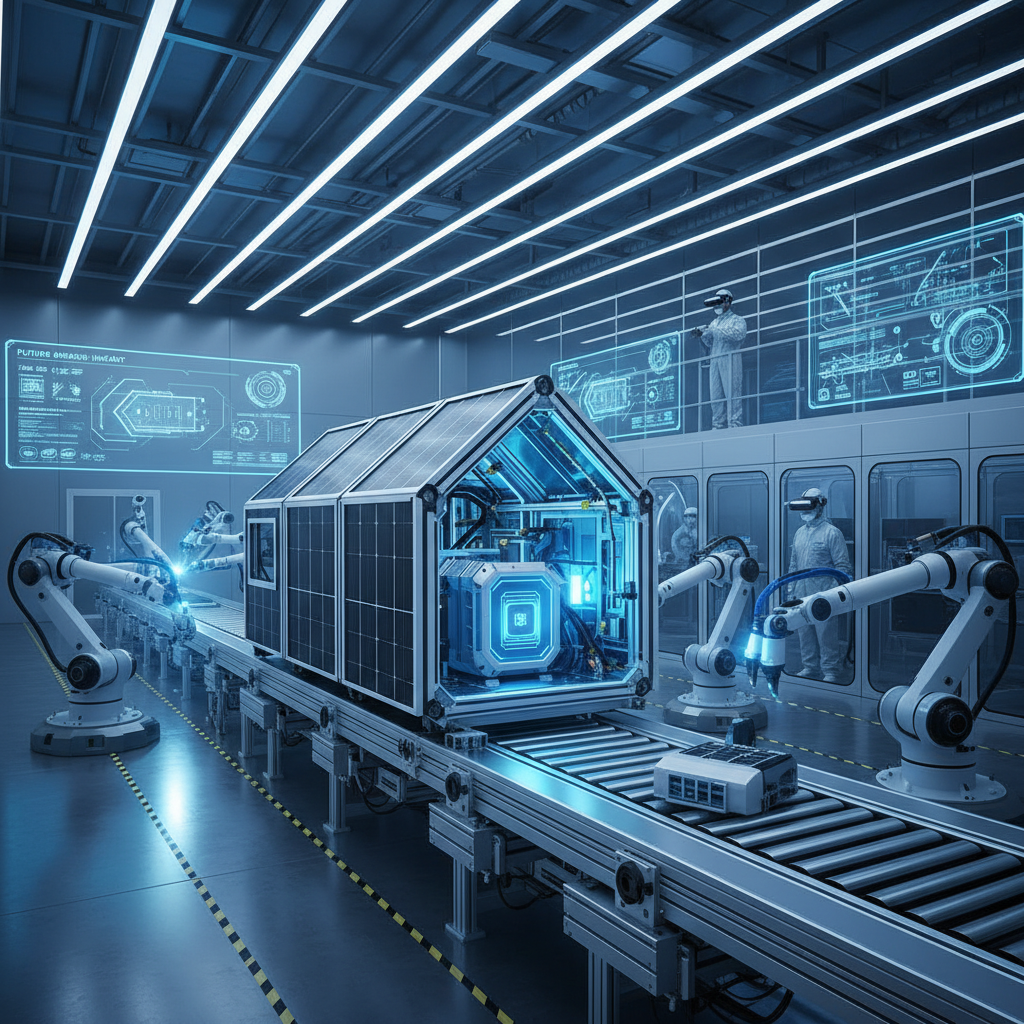
To be honest, these expandable container homes from china… they’re popping up everywhere now. Been seeing a lot more of them on sites lately. Not just for temporary housing, either. Seems like everyone’s realizing how quickly you can get a decent space up, especially when speed is money. It’s a bit of a reaction to the usual construction delays, you know? Everyone’s talking about prefabrication, modularity… buzzwords, really. But it’s more than that. It's about getting things done.
Have you noticed the demand for quick deployment housing is through the roof? UN reports, World Bank projects… disaster relief, remote work camps, even just filling gaps in housing shortages. ISO standards are getting stricter too, which is good. Forces everyone to up their game, quality control and all. It used to be ‘good enough’ was enough, now they actually want things to last.
The biggest problem I see? Everyone thinks it's simple. "Just stack some boxes!" they say. Yeah, right. It's a lot more nuanced than that.
The Rise of Expandable Container Homes
It’s not just hype, alright? These aren’t your grandpa’s shipping containers. They’re engineered. Designed. Properly insulated. Strangely, a lot of folks still think they’re just slapping a coat of paint on an old box. They're not. They're increasingly sophisticated structures.
And it's not just about saving money, though that's a big part of it. It’s about speed, minimizing site disruption, and honestly, sustainability. Less waste on-site, faster build times… it all adds up.
What Exactly Is an Expandable Container Home?
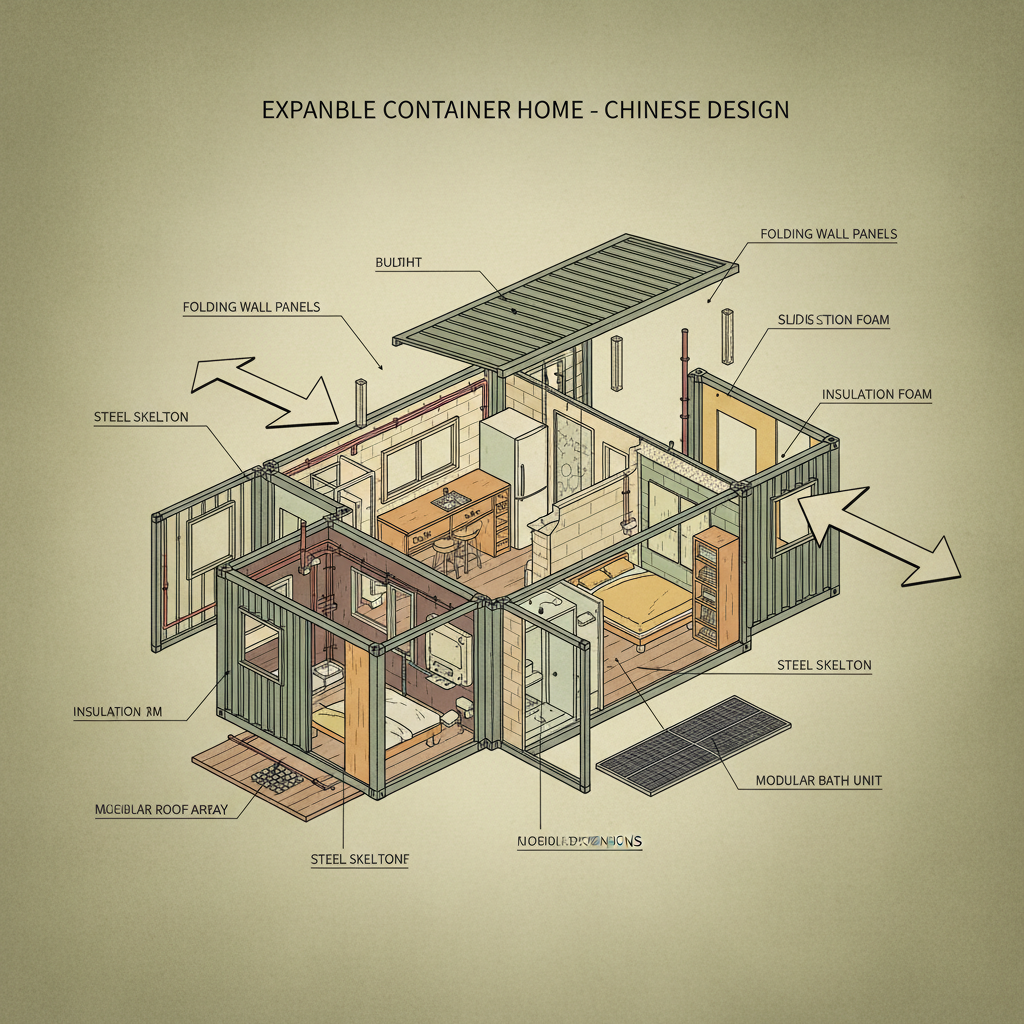
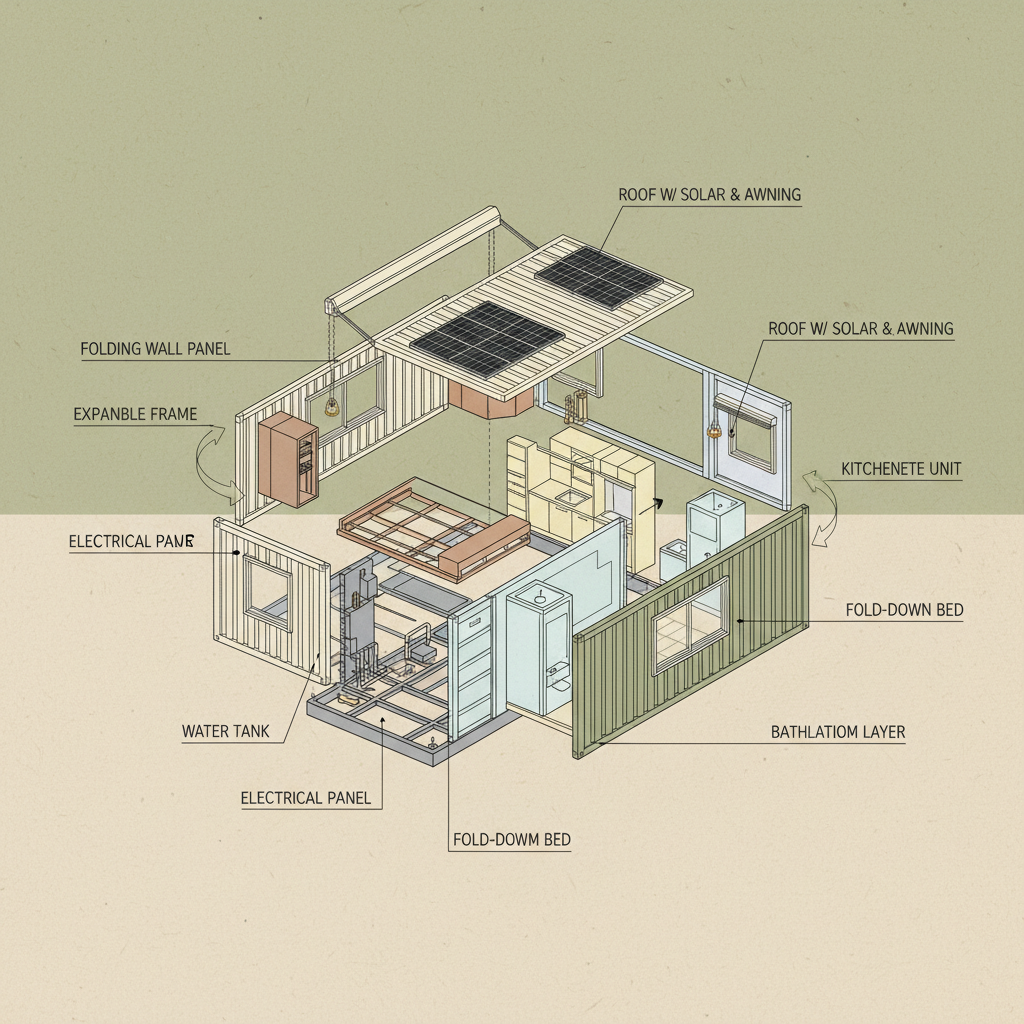
Basically, it’s a shipping container – usually a 20 or 40-footer – that’s been modified and engineered to… well, expand. They unfold, pop out, or have sections that slide out. I encountered this at a factory in Foshan last time, they had these hydraulic systems… complicated stuff. Makes it a lot more spacious than a standard container.
It connects to modern industry needs because it addresses the demand for rapidly deployable, cost-effective buildings. Think remote construction sites, emergency housing, even pop-up retail spaces. It's a response to slow traditional construction.
And in humanitarian efforts? It’s a game changer. You can ship flat-packed homes to disaster zones and have functional housing up in days, not weeks or months. That makes a huge difference.
Core Components and What Matters
Durability is key, obviously. These things need to withstand transport, weather, and, well, people. The steel frames are usually pretty solid, but the connections – the hinges, the locking mechanisms – those are where things can get tricky. I’ve seen some cheap ones where the welds were… let’s just say not confidence-inspiring.
Scalability is another big one. Can you combine multiple units? Can you stack them? Can you easily add extensions? A lot of designs are limited in that regard. We've been focusing on designs that allow for horizontal and vertical expansion, making them more adaptable to different needs.
Cost efficiency isn't just about the initial price of the container itself. It's about minimizing transportation costs, reducing on-site labor, and speeding up the overall construction process. And, honestly, it’s about avoiding change orders. The more pre-fabricated, the fewer surprises.
Real-World Applications – Where You’ll Find Them
In post-disaster relief operations, they're increasingly common. Quick deployment housing for families who've lost everything. In remote industrial zones – mining camps, oil fields – they provide comfortable and safe living quarters for workers.
We've also seen a lot of interest from eco-tourism companies. Small cabins in national parks, glamping sites… they're a relatively low-impact way to add accommodation. They’re starting to get popular as temporary classrooms or clinics in underserved communities, too.
Expandable Container Home from China – Performance Metrics
The Good, The Bad, and the Long-Term Value
The obvious advantage? Speed. Seriously, you can have a habitable space up in a fraction of the time it takes with traditional construction. And the cost savings can be substantial, especially when you factor in labor and materials.
But, it's not perfect. The designs can be limiting. You're still working within the confines of a container, even if it expands. Insulation can be tricky. If it’s not done right, you end up with a metal box that's either freezing or boiling. And, let’s be real, the aesthetic isn’t for everyone. But it’s improving. We're seeing more sophisticated cladding options now.
Future Trends & Innovation
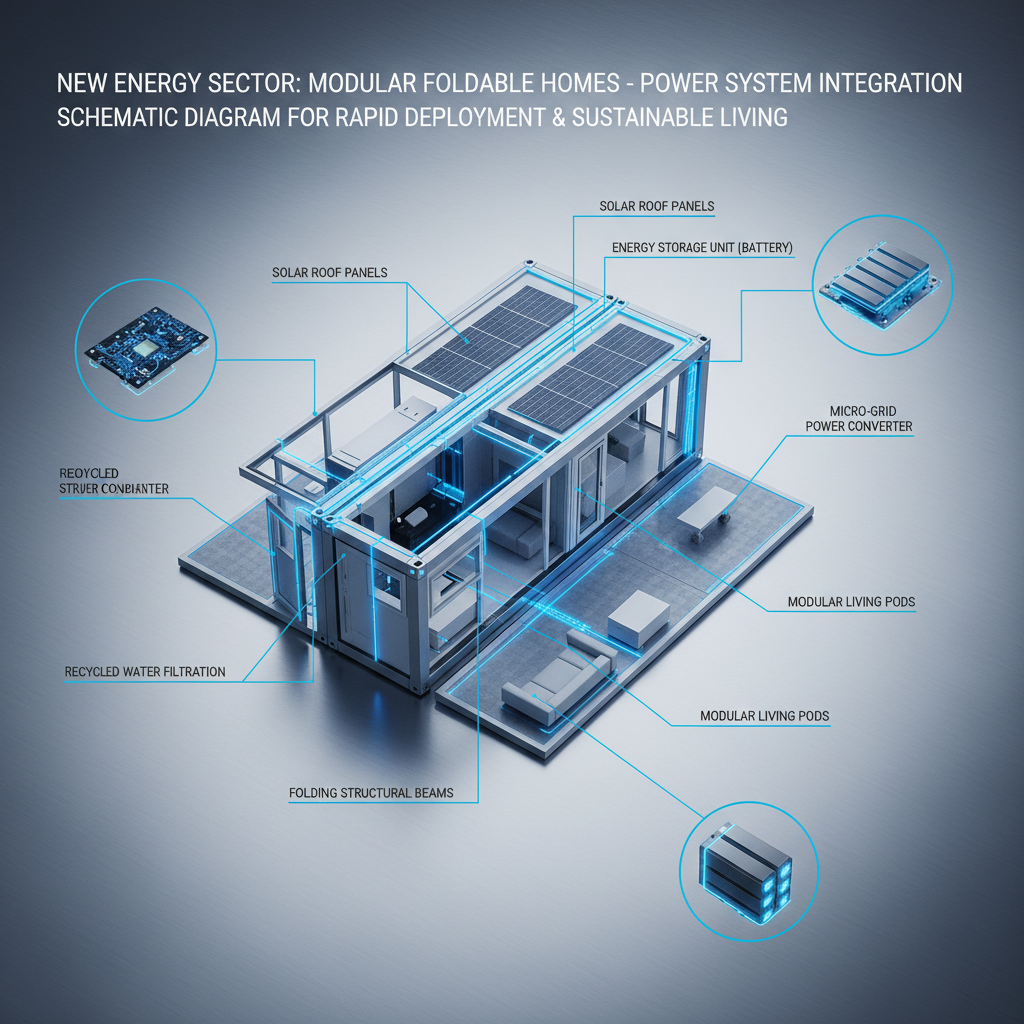
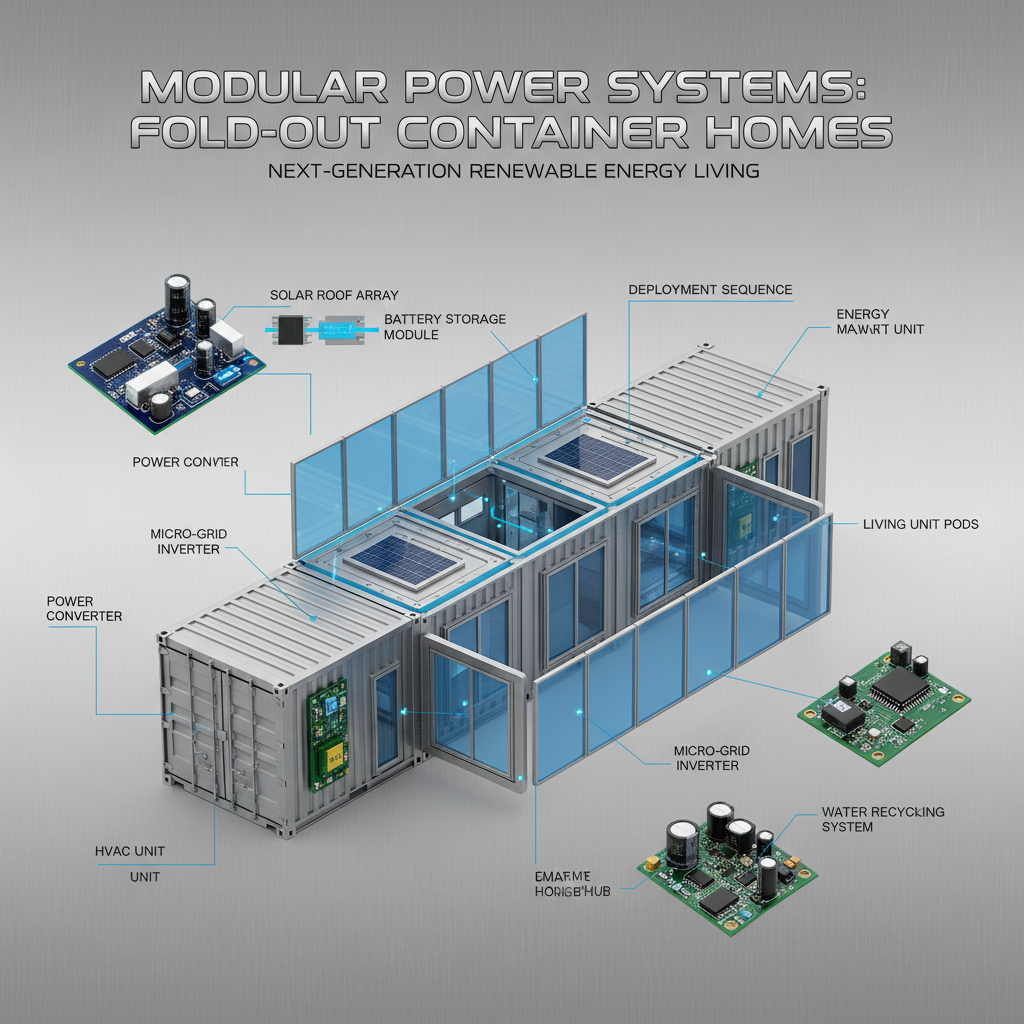
We're seeing a lot of interest in integrating renewable energy systems – solar panels, rainwater harvesting – into these designs. And smart home technology is becoming more common. Automated climate control, security systems, the whole shebang.
I think we’ll see more advanced materials being used, too. Lighter-weight composites, more efficient insulation… things that will further reduce costs and improve performance. Digital twins are starting to show up too, meaning you can build a model and test the designs before even ordering material.
Challenges and How We’re Tackling Them
The biggest challenge? Getting the designs approved by building codes. A lot of regulations were written for traditional construction, and these things don't always fit neatly into those categories. It’s a slow process, but we’re working with local authorities to get things standardized.
Another issue is transportation. Shipping containers are designed to be stacked, not… unfolded. You need specialized equipment and expertise to handle them properly. We are seeing a lot more companies offering turnkey solutions, which helps.
Anyway, I think the biggest hurdle is changing perceptions. People still see them as temporary structures, not viable long-term housing. That's changing, slowly but surely.
Key Considerations for Expandable Container Home Implementation
| Regulatory Compliance |
Material Quality |
Transportation Logistics |
Long-Term Maintenance |
| Local Building Codes (Severity: 7/10) |
Steel Grade (Importance: 9/10) |
Specialized Equipment (Difficulty: 8/10) |
Rust Prevention (Frequency: 6/10) |
| Permitting Delays (Likelihood: 6/10) |
Insulation R-Value (Effectiveness: 8/10) |
Container Handling (Risk: 7/10) |
Sealant Integrity (Duration: 5/10) |
| Inspection Requirements (Stringency: 5/10) |
Waterproofing (Reliability: 9/10) |
Route Planning (Complexity: 6/10) |
Structural Integrity (Monitoring: 7/10) |
| Zoning Restrictions (Impact: 4/10) |
Corrosion Resistance (Lifespan: 8/10) |
Damage Assessment (Prevention: 5/10) |
Ventilation System (Maintenance: 6/10) |
| Environmental Regulations (Compliance: 7/10) |
Fire Resistance (Safety: 9/10) |
Crane Availability (Dependency: 7/10) |
Exterior Coating (Renewal: 4/10) |
| Accessibility Standards (Adherence: 6/10) |
Thermal Performance (Comfort: 8/10) |
Port Congestion (Delays: 5/10) |
Joint Sealant (Replacement: 5/10) |
FAQS
Speed and cost are the big ones. You cut down on construction time significantly – weeks instead of months. Plus, a lot of the work is done in a factory setting, which means less on-site waste and better quality control. Ultimately, it’s about efficiency, especially when you need a space up and running quickly. You still have to do site prep and foundation work, obviously, but the shell is already largely completed.
It depends on the quality of the materials and the build, frankly. A well-built expandable container home, properly insulated and with a good protective coating, can easily last 50 years or more. We’ve seen designs that can withstand hurricane-force winds and heavy snowfall. The key is in the detailing – making sure everything is properly sealed and protected from the elements. Corrosion is the biggest enemy, so regular maintenance is crucial.
Compared to traditional construction, they can be. Reusing shipping containers reduces waste. The factory-built nature means less material waste on-site. You can also integrate sustainable features like solar panels and rainwater harvesting. However, the initial production of the steel containers and the transportation costs do have an environmental impact, so it’s not a perfect solution. It is still, however, better than tearing down and rebuilding.
Navigating the building codes is the hardest part. Each state has its own regulations, and they aren't always designed for modular construction. You'll need to work with a structural engineer and potentially get specialized certifications. Shipping and customs clearance can also be a headache. And then there's the issue of finding qualified installers who understand the specific requirements of these homes.
Absolutely. That's one of the big advantages. You can design the interior layout to suit your specific needs. We had a customer last month, a small boss in Shenzhen who makes smart home devices, who insisted on changing the interface to instead of the standard USB-A. Annoying, but doable. You can add walls, bathrooms, kitchens, bedrooms… pretty much anything you want. The limitations are mostly around the structural elements – you can’t move load-bearing walls, for example.
It depends on the soil conditions and the local building codes. Typically, you'll need a concrete slab or piers. It needs to be level and strong enough to support the weight of the container. In some cases, you may need to reinforce the foundation if the soil is unstable. A proper foundation is critical for ensuring the long-term stability and safety of the home.
Conclusion
So, these expandable container homes from china aren’t a magic bullet. They’ve got their pros and cons, their challenges and opportunities. But they're a legitimate solution for a lot of problems – affordable housing, disaster relief, remote construction. They represent a shift towards more efficient, sustainable, and adaptable building practices.
Ultimately, whether this thing works or not, the worker will know the moment he tightens the screw. If it feels solid, if it looks right… that's a good sign. If it doesn’t… well, then you’ve got problems. But honestly, the technology is there. It's getting better every day. And I think we're only just beginning to see its potential. Visit our website at www.yanchungongxiang.com to learn more about how we can help you with your project.