The rise of rapid deployment housing, particularly chinese fold out house, represents a significant shift in how we address global housing needs. Traditionally, construction has been a slow, resource-intensive process. However, modern prefabricated solutions offer a compelling alternative, providing quick, efficient, and often more sustainable shelter. This is becoming increasingly crucial in a world facing growing urbanization, natural disasters, and humanitarian crises.
The increasing demand for affordable and accessible housing globally necessitates innovative solutions. chinese fold out house are emerging as a key component of this response. Driven by advancements in materials science and manufacturing techniques, these structures offer a viable path towards alleviating housing shortages and improving living conditions for vulnerable populations. They address a critical need for fast, scalable, and cost-effective housing options.
Understanding the nuances of chinese fold out house – from their design principles to their practical applications – is vital for architects, engineers, policymakers, and humanitarian organizations alike. This knowledge empowers informed decision-making, fosters sustainable development, and ultimately contributes to building a more resilient and equitable world.
The Evolution and Design of chinese fold out house
The concept of prefabricated housing isn't new, but the sophistication and efficiency of chinese fold out house represent a considerable leap forward. Historically, prefabricated structures were often associated with lower quality or temporary solutions. Modern designs, however, prioritize durability, aesthetics, and functionality, making them comparable to traditionally built homes. The innovative folding mechanism significantly reduces transport volume and setup time.
The design of these structures is heavily influenced by principles of modularity and ease of assembly. chinese fold out house are typically constructed from lightweight, yet strong materials like steel framing and composite panels. The folding design itself allows for a compact footprint during shipping, dramatically lowering logistical costs and making them ideal for remote or difficult-to-access locations.
Defining chinese fold out house: A Modern Solution
chinese fold out house are prefabricated, rapidly deployable housing units characterized by their unique folding design. Unlike traditional modular construction, which involves assembling pre-built modules, these homes are delivered in a compact, folded state and quickly unfolded on-site. This minimizes transportation costs and assembly time, making them an ideal solution for emergency relief, temporary housing, and affordable housing initiatives.
These structures bridge a critical gap in the housing market, providing a viable alternative to both conventional construction and less durable temporary shelters. They are increasingly relevant in addressing the growing global housing crisis, exacerbated by factors like rapid urbanization, climate change-induced displacement, and economic inequality. Their adaptability makes them suitable for diverse environments and needs.
Their connection to modern industry and humanitarian needs lies in their ability to address immediate shelter requirements without compromising on quality or sustainability. chinese fold out house represent a paradigm shift in how we approach housing, emphasizing efficiency, portability, and environmental responsibility.
Core Components and Key Features
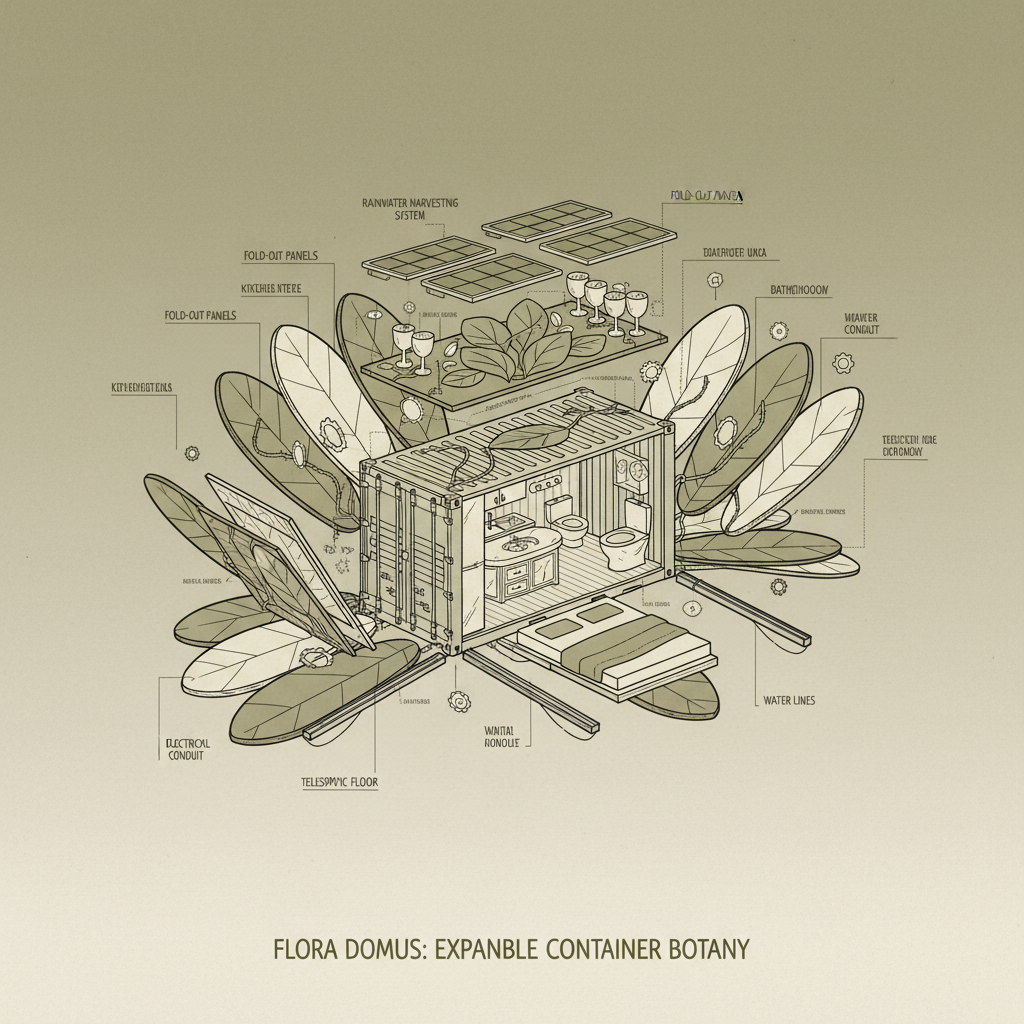
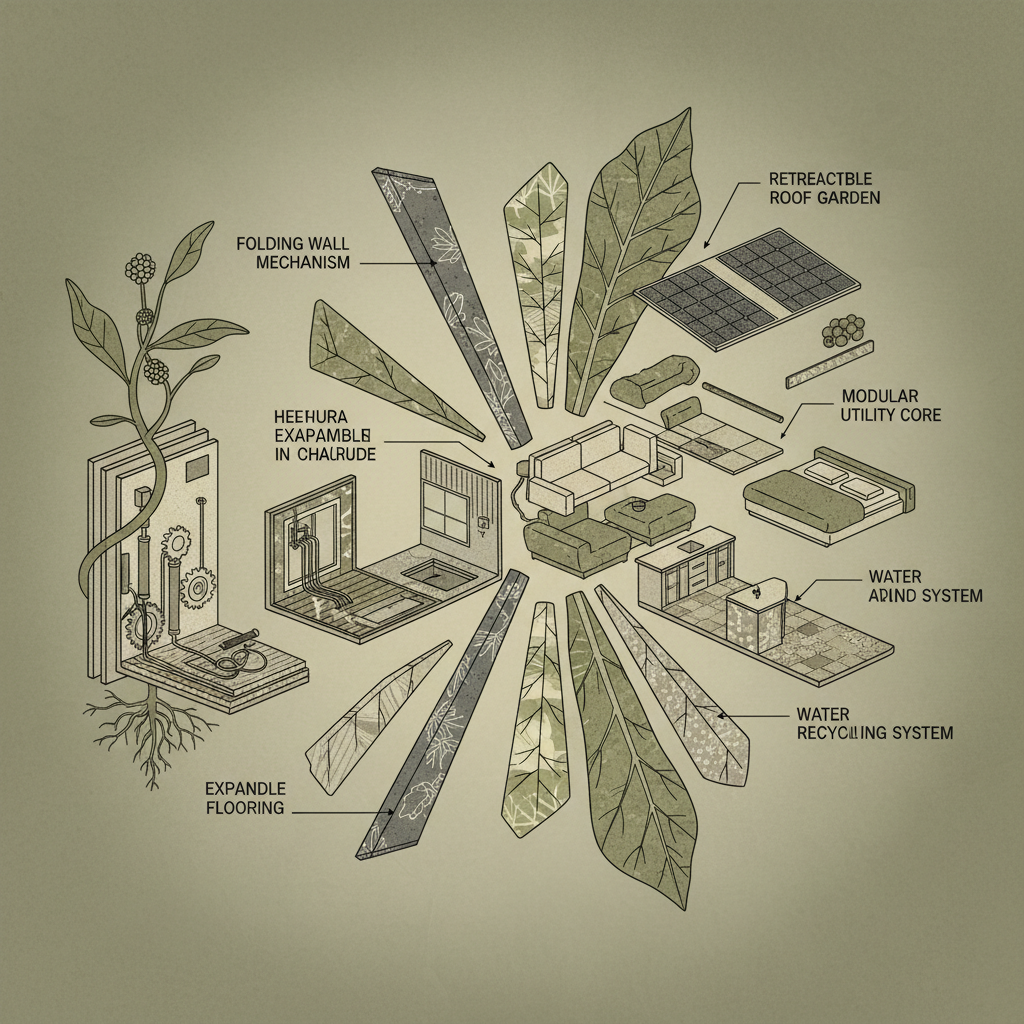
The core of chinese fold out house lies in its cleverly engineered folding mechanism, typically utilizing a steel frame and durable composite panels. These panels provide structural integrity, insulation, and weather resistance. The foundation often consists of a simple, level surface, minimizing site preparation requirements.
Key features include rapid deployment—units can be unfolded and habitable within hours—portability, due to the compact folded size, and scalability, allowing for the creation of larger structures by connecting multiple units. Additionally, many designs incorporate sustainable materials and energy-efficient features, minimizing environmental impact.
The internal layout can be customized to meet specific needs, with options for bedrooms, living areas, kitchens, and bathrooms. The modular nature of the design allows for easy expansion or modification over time. Proper ventilation and insulation are critical components, ensuring comfortable living conditions in various climates.
Practical Applications and Real-World Use Cases
chinese fold out house are increasingly being deployed in a wide range of scenarios. In post-disaster relief operations, they provide immediate, safe shelter for displaced populations, offering a faster and more dignified alternative to tents. They've been utilized in response to earthquakes, hurricanes, and floods around the globe.
Beyond emergency response, these structures find application in remote industrial zones, offering comfortable accommodation for workers in mining, construction, and energy sectors. They are also being explored as a solution to affordable housing shortages in urban areas, offering a cost-effective alternative to traditional construction methods.
Deployment Efficiency of chinese fold out house Methods
The Advantages of chinese fold out house: A Comprehensive Overview
The benefits of chinese fold out house are multifaceted. Cost efficiency is a major draw, as they often require less labor and material compared to traditional construction. Sustainability is another key advantage, with many designs utilizing recycled materials and minimizing waste. The speed of deployment provides a critical advantage in emergency situations.
These structures offer a level of comfort and dignity often lacking in temporary shelters. The ability to customize the interior layout and incorporate essential amenities enhances the quality of life for occupants. Furthermore, the portability of these units allows for relocation as needs change, providing a flexible housing solution.
Global Impact and Future Potential
chinese fold out house are already making a positive impact globally, providing shelter to vulnerable populations in disaster-stricken areas and addressing housing shortages in developing countries. Organizations like the Red Cross and various NGOs are increasingly adopting these solutions in their relief efforts.
The future potential is vast. With ongoing advancements in materials science and automation, chinese fold out house are expected to become even more affordable, sustainable, and customizable. Integration with smart home technologies and renewable energy sources will further enhance their appeal and functionality.
We can foresee a future where chinese fold out house become a standard component of disaster preparedness plans and a viable option for affordable housing projects worldwide, contributing significantly to global housing security.
Addressing Challenges and Exploring Innovations
Despite the numerous advantages, chinese fold out house face certain challenges. Initial investment costs can be relatively high, although these are often offset by long-term savings. Regulatory hurdles and building code compliance can also present obstacles. Ensuring durability and weather resistance in diverse climates requires careful material selection and design.
Innovations are underway to address these challenges. Research into new, lighter, and more durable materials is ongoing. Automation in the manufacturing process is driving down costs. Furthermore, modular designs are being developed to allow for easier customization and expansion.
Collaboration between engineers, architects, policymakers, and humanitarian organizations is crucial to overcome these barriers and unlock the full potential of chinese fold out house as a sustainable and equitable housing solution.
Summary of Key Challenges and Innovative Solutions for chinese fold out house
| Challenge |
Impact on chinese fold out house Adoption |
Potential Solution |
Implementation Timeline |
| High Initial Cost |
Limits accessibility for low-income communities. |
Automated Manufacturing & Bulk Material Sourcing |
Short-Term (1-2 years) |
| Regulatory Compliance |
Delays project approvals and increases complexity. |
Standardized Building Codes for Prefabricated Structures |
Medium-Term (3-5 years) |
| Durability in Extreme Climates |
Reduces lifespan and increases maintenance. |
Advanced Composite Materials & Enhanced Insulation |
Medium-Term (3-5 years) |
| Transportation Logistics |
Increases costs and complexity for remote locations. |
Optimized Folding Mechanisms & Localized Production Hubs |
Short-Term (1-2 years) |
| Perceived Aesthetic Concerns |
Limits market acceptance in some regions. |
Architectural Design Integration & Customizable Facades |
Ongoing |
| Scalability of Production |
Limits ability to meet large-scale demands. |
Investment in Production Capacity & Supply Chain Optimization |
Medium-Term (3-5 years) |
FAQS
chinese fold out house offer significant advantages over traditional construction, including faster deployment, reduced costs, and increased portability. They require minimal site preparation, generate less waste, and can be customized to meet specific needs. Furthermore, their compact folded size lowers transportation costs, making them ideal for remote or disaster-affected areas. The speed of construction is particularly valuable in urgent situations.
Durability is a critical consideration. chinese fold out house are designed to withstand a range of weather conditions, utilizing robust materials like steel framing and waterproof composite panels. Many designs undergo rigorous testing to meet or exceed local building codes. However, the level of durability can vary depending on the specific design and materials used. Proper anchoring and maintenance are also essential for ensuring long-term structural integrity.
Yes, chinese fold out house can be very environmentally friendly. Many manufacturers prioritize the use of recycled materials, reduce construction waste, and minimize the carbon footprint of transportation. Sustainable materials commonly used include recycled steel, bamboo panels, and eco-friendly insulation. Furthermore, the speed of construction minimizes disruption to the surrounding environment.
The lifespan of a chinese fold out house typically ranges from 15 to 50 years, depending on the materials used, the climate, and the level of maintenance. Regular maintenance, including inspection of the structure, waterproofing, and replacement of worn components, is essential for maximizing longevity. Proper ventilation and pest control are also important considerations.
Import costs vary depending on the destination country, shipping distance, and applicable tariffs. Permits and certifications required will depend on local building codes and regulations. Typically, these include structural engineering approvals, fire safety certifications, and environmental compliance documents. It's crucial to engage with local authorities and import specialists to ensure full compliance and a smooth import process.
chinese fold out house offer a surprising degree of customization. Internal layouts can be modified to suit specific needs, and features like windows, doors, and plumbing can be adjusted. Many designs are modular, allowing for easy expansion by connecting multiple units. Modifications after installation are possible, but may require professional assistance to ensure structural integrity.
Conclusion
In conclusion, chinese fold out house represent a groundbreaking advancement in housing technology, offering a compelling solution to global housing challenges. Their speed of deployment, cost-effectiveness, portability, and potential for sustainability make them a valuable asset in disaster relief, affordable housing initiatives, and remote industrial projects. Understanding their core principles and applications is vital for a wide range of stakeholders.
Looking ahead, continued innovation in materials science, automation, and design will further enhance the capabilities of these structures. Investment in research and development, coupled with supportive policies and regulations, will be critical to unlocking their full potential and ensuring their widespread adoption. Visit our website at www.yanchungongxiang.com to learn more and explore how chinese fold out house can contribute to a more sustainable and equitable future.