Email: yanchunjituan@163.com
Tel: 8613303316269
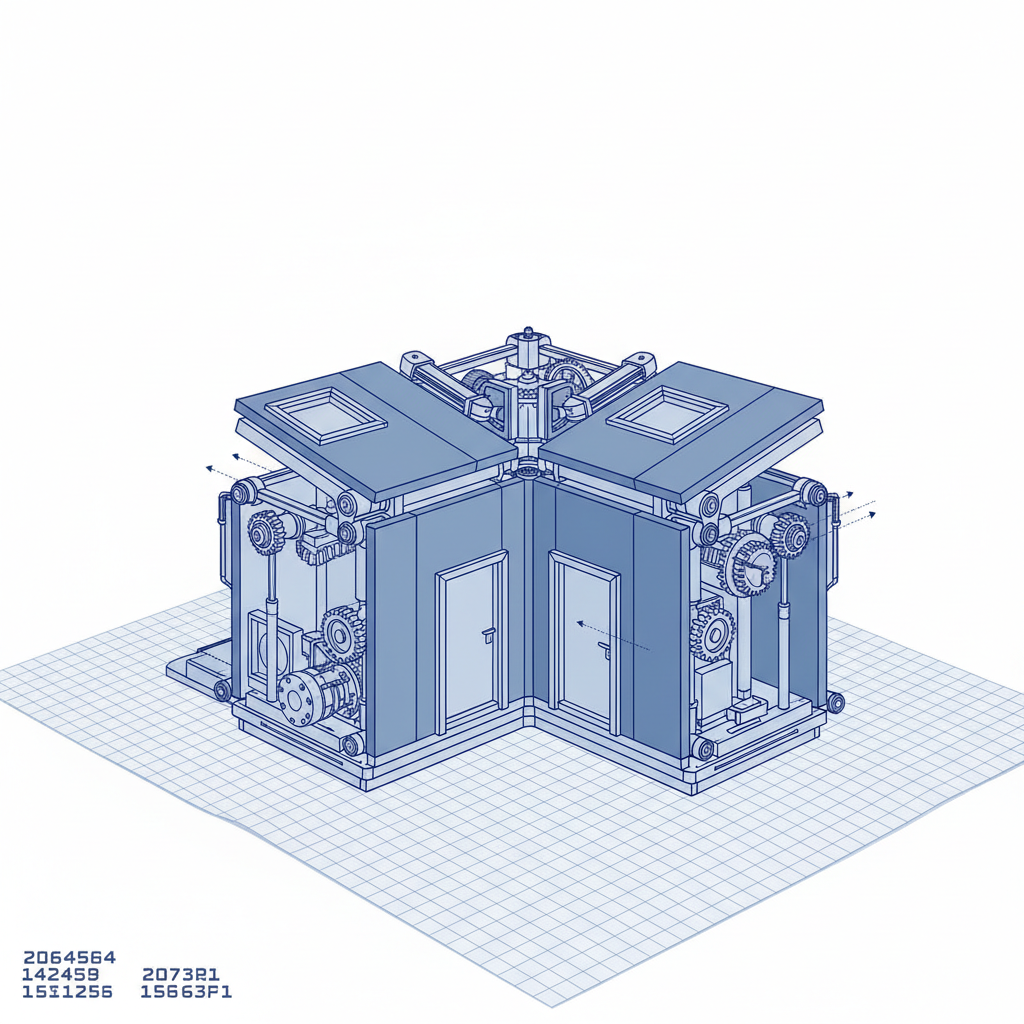
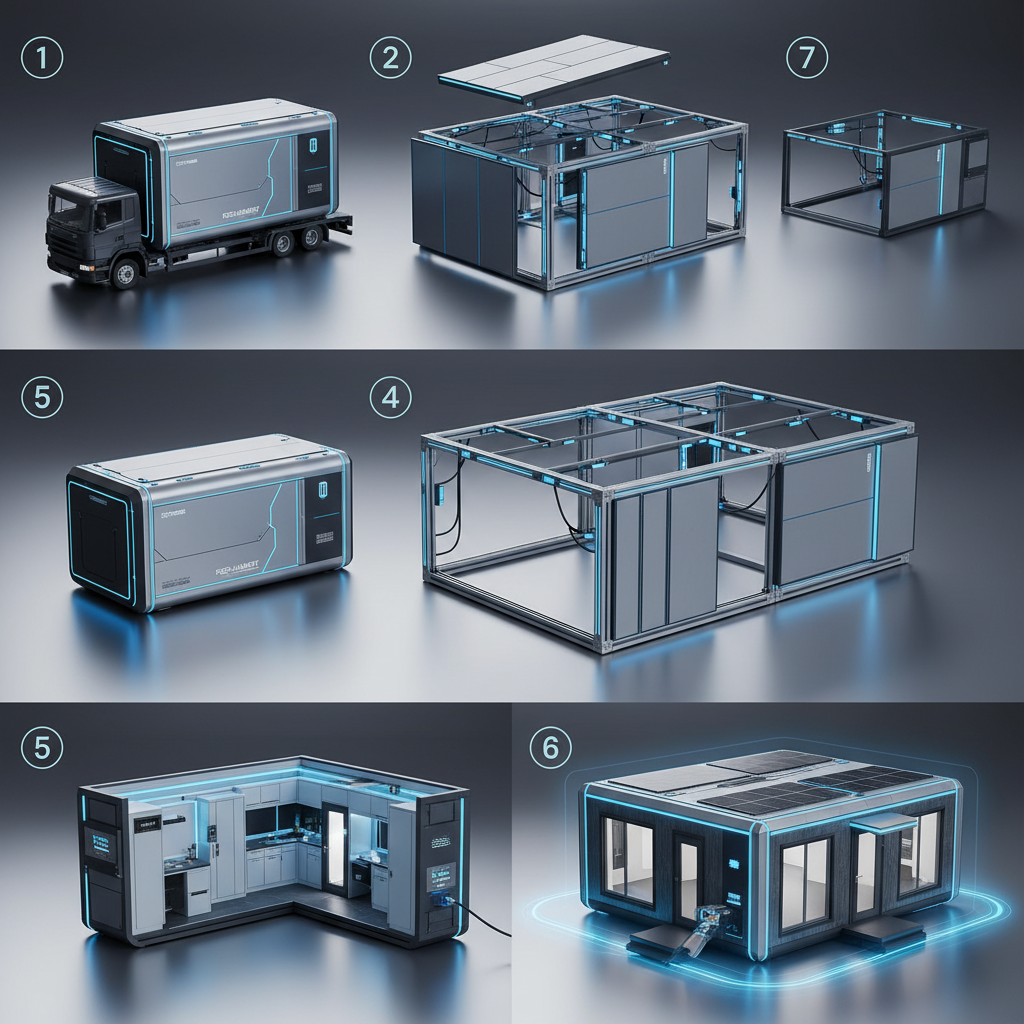
You know, lately everyone's talking about prefabrication, modular stuff. Been seeing a lot of it, especially with these china expandable container house units. To be honest, it's not entirely new – we've been doing variations for years – but the demand’s really picked up. Partly it’s the cost of traditional builds, skyrocketing, and partly it’s just…people want things faster. Have you noticed how impatient everyone is these days? They want a building yesterday. Anyway, it’s good business, but also brings its own headaches.
It's funny, you think designing a box is simple, right? Wrong. So many pitfalls. People get hung up on aesthetics – fancy windows, complicated rooflines – and forget about practicality. I encountered this at a factory in Jiangsu province last time; they’d designed this beautiful curved wall, all glass, and then wondered why it kept cracking during transport. Turns out, a little flex goes a long way. Stress points, you gotta think about stress points. That’s the biggest thing I see designers miss, honestly. They're too focused on the render and not enough on what happens when it actually hits a construction site.
These china expandable container house things… they mostly use steel frames, obviously. Q355 is the standard, pretty solid stuff. You can smell the galvanizing when it arrives, always a weird, metallic tang. Then there's the panels – EPS, rockwool, polyurethane… each has its quirks. EPS is lightweight, cheap, but not great with moisture. Rockwool’s fire-resistant, but heavier and more expensive. Polyurethane’s the best insulator, but… well, you know what happens when that stuff burns. It’s all about balancing cost, performance, and safety. And getting the workers to actually wear the respirators when cutting it, that’s another battle.
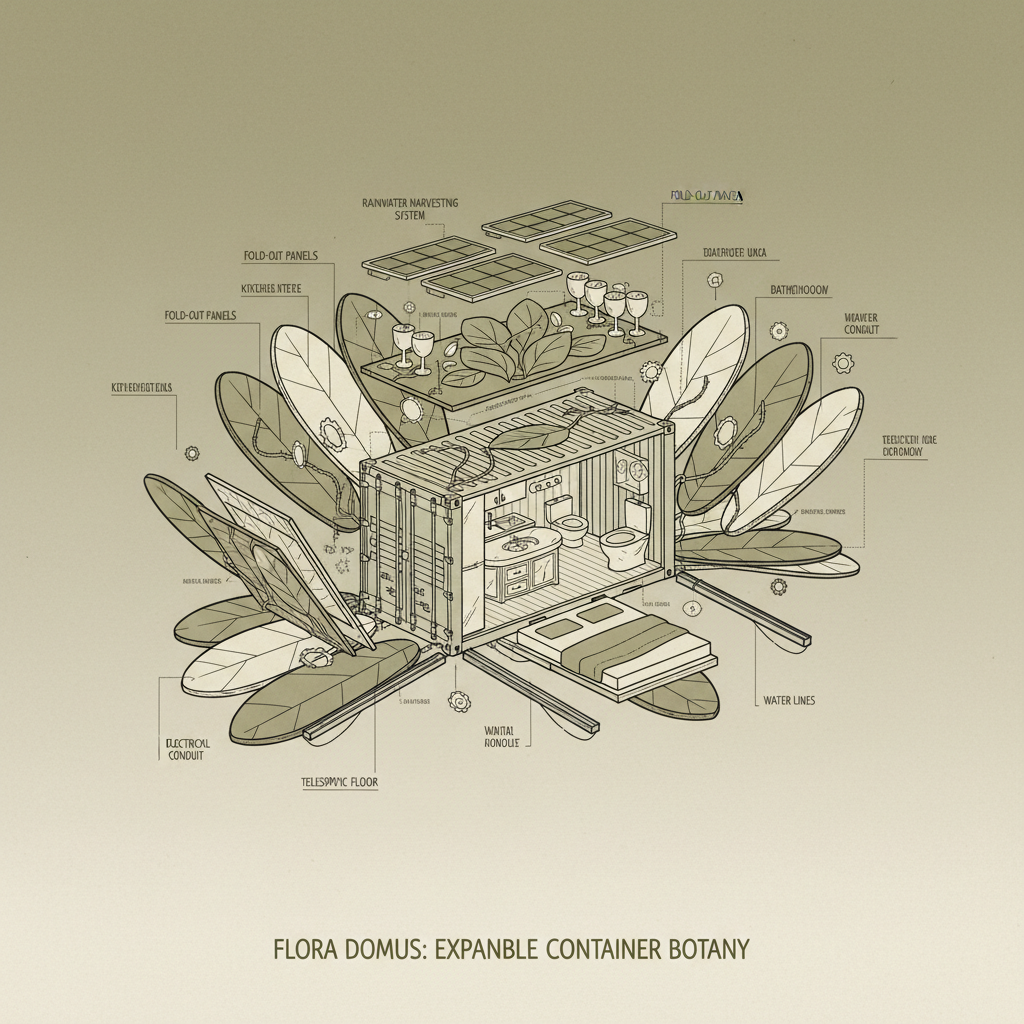
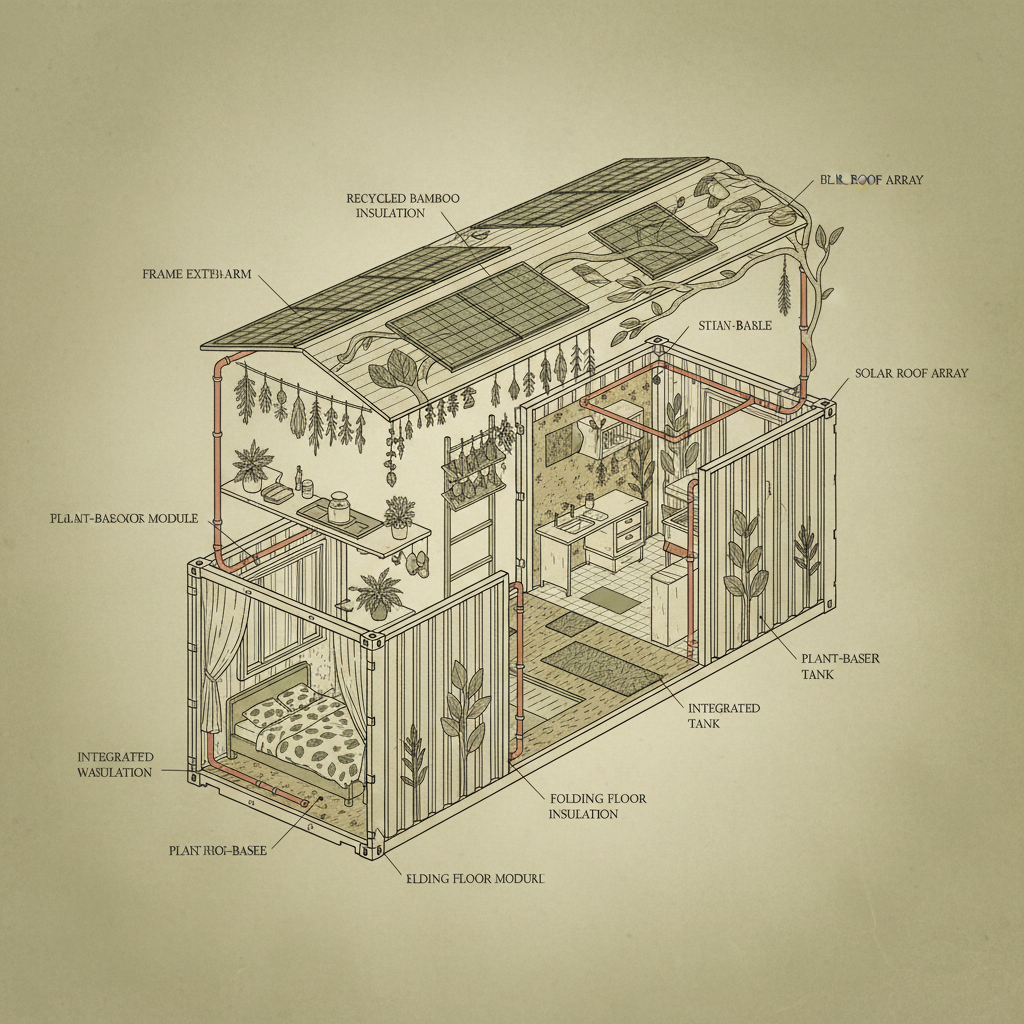
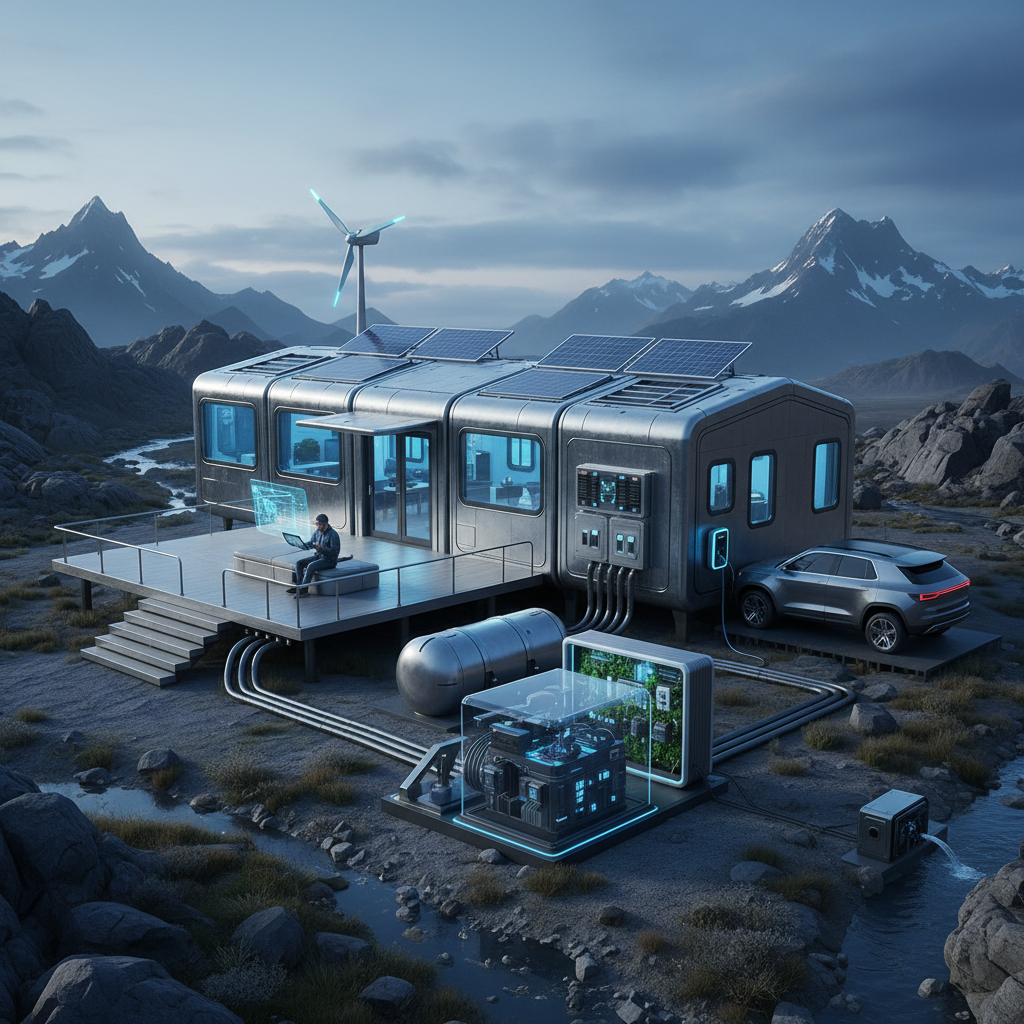
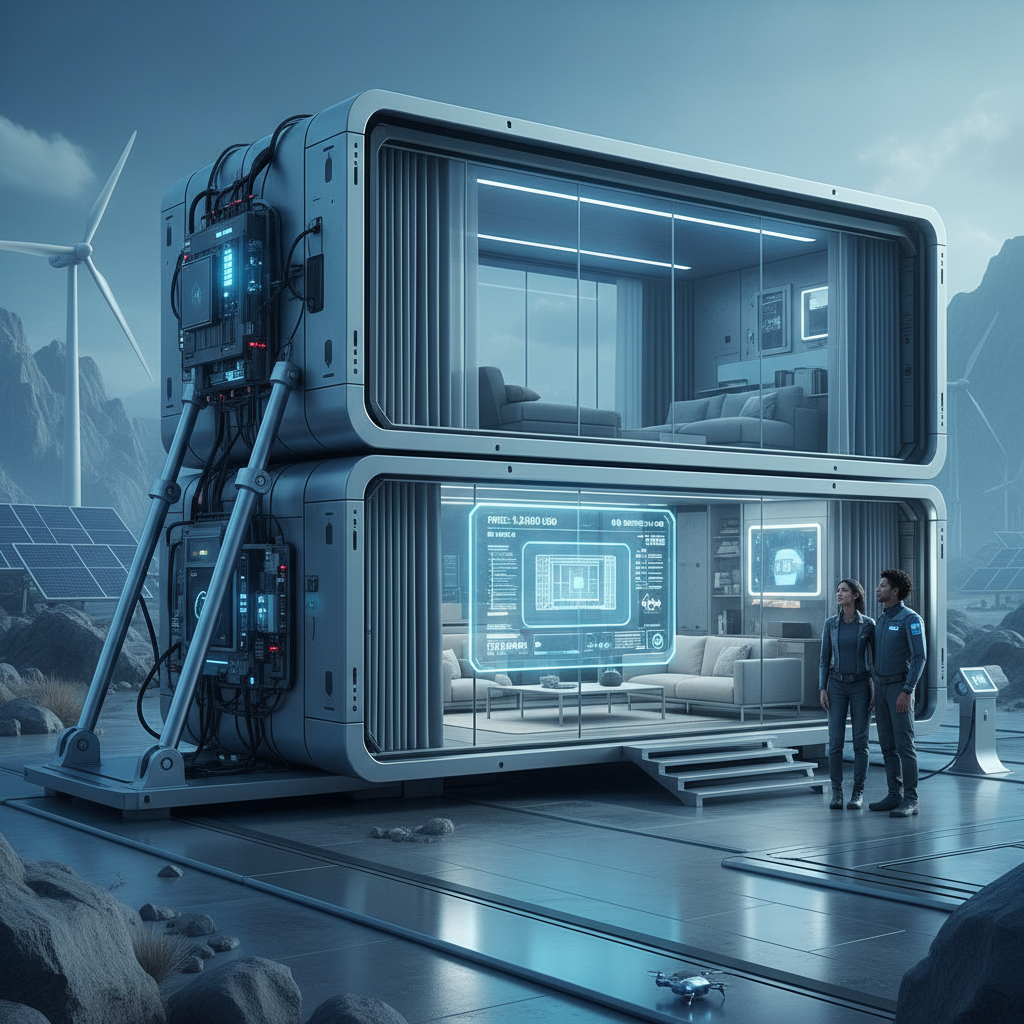
Strangely enough, the biggest trend I'm seeing isn't necessarily more expandable container houses, it's smarter ones. Integrated systems – solar panels, rainwater harvesting, smart home tech – that's where things are moving. Everyone wants 'off-grid' now, or at least 'less-grid'. It's a good idea, but adds a whole layer of complexity. And the pitfalls? Still the same old ones: poor insulation, inadequate ventilation, and underestimating the loads. People forget these things have to withstand wind, snow, maybe even an earthquake.
I keep telling the architects, "Think like a builder, not an artist!" It drives me crazy when they design something that looks amazing on paper but is a nightmare to assemble. Later… Forget it, I won't mention it.
Fire safety is paramount. We use fire-resistant materials like rockwool insulation and fire-retardant coatings on steel. Regular inspections are crucial, and ensuring proper electrical wiring is a must. We also advise clients on fire suppression systems and escape routes. The key is layered protection – it's not just about preventing a fire, it's about containing it and allowing people to evacuate safely. You've gotta remember these things aren’t inherently fireproof, so proactive measures are crucial.
Humidity is the enemy, plain and simple. Condensation can build up inside the walls, leading to mold growth and corrosion. Proper ventilation is essential, and we recommend using a vapor barrier to prevent moisture from penetrating the structure. Regular maintenance, including checking for leaks and addressing any damp spots, is vital. Ignoring humidity is a recipe for disaster – you'll be dealing with costly repairs down the line.
You need a solid foundation, no question. A concrete slab is ideal, but depending on the soil conditions and local regulations, you can also use concrete piers or a screw pile foundation. The foundation needs to be level and capable of supporting the weight of the structure. Skimping on the foundation is a huge mistake – it can lead to settling, cracking, and structural instability. I've seen it happen more times than I'd like.
That depends. They're designed to be transportable, but moving a fully assembled unit is a complex operation. You need specialized equipment – flatbed trucks, cranes – and a thorough understanding of transport regulations. Disassembling and reassembling is often easier, but it adds to the cost and time. It's not as simple as just picking it up and moving it down the road.
With proper maintenance – regular inspections, corrosion protection, and timely repairs – a well-built unit can easily last 20-30 years, maybe even longer. The steel frame is the most durable component, but the cladding and insulation will need to be replaced periodically. It’s all about proactive care, just like any building. Neglect it, and it'll start falling apart faster than you think.
Permitting can be a headache. It varies widely depending on the location and intended use. You'll likely need building permits, electrical permits, plumbing permits, and possibly even zoning variances. It's crucial to check with local authorities early in the process to avoid delays and costly modifications. And don't assume anything – regulations are constantly changing.
So, where does all this leave us? These china expandable container house solutions aren’t magic bullets, but they offer a viable alternative to traditional construction, especially when speed and cost are critical. They're not always the easiest to work with, and they require careful planning and execution. But when done right, they can provide durable, affordable, and sustainable buildings.
Ultimately, whether this thing works or not, the worker will know the moment he tightens the screw. That's the bottom line. If it feels solid, if it goes together smoothly, if it looks right… then you’ve probably got a good building. And if it doesn't? Well, you start over. That’s just how it is.