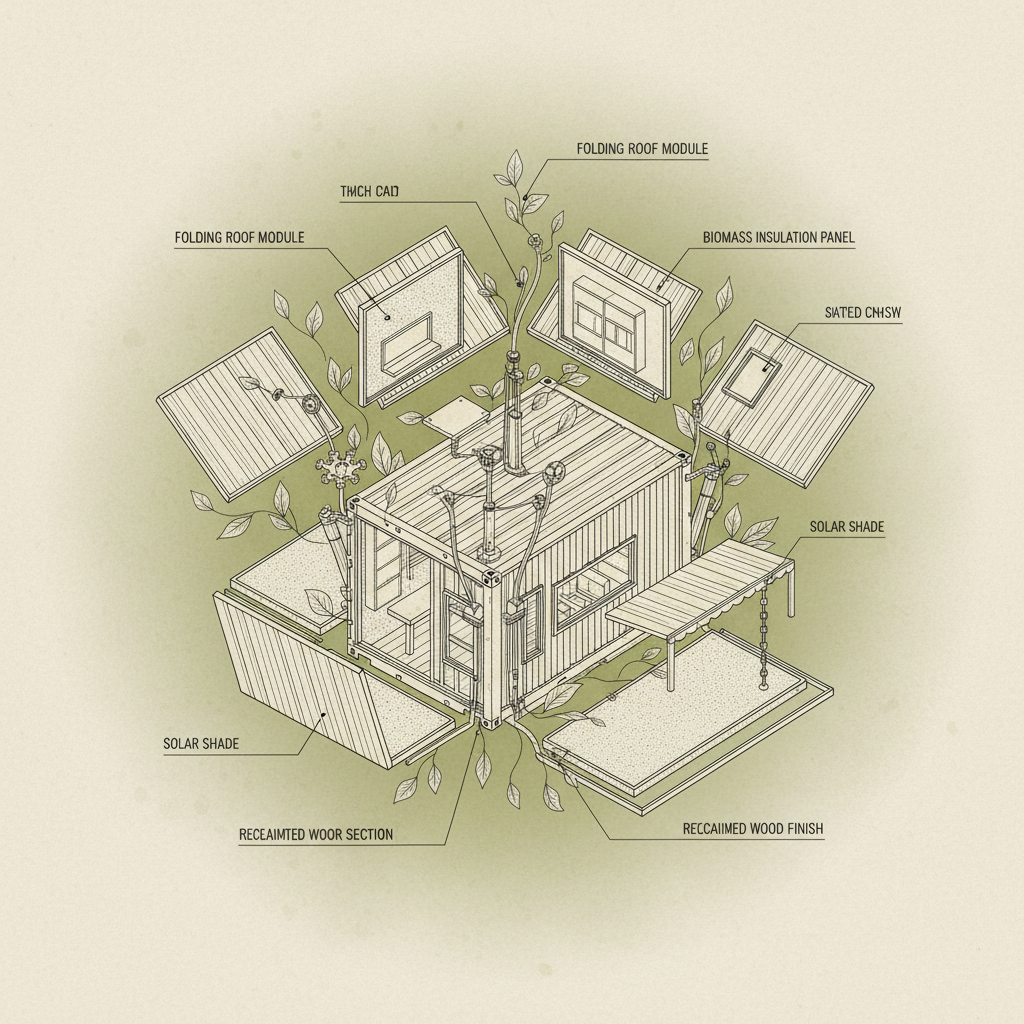
You know, these china expandable container home things... they're popping up everywhere now. Seems like yesterday everyone was scoffing, saying they wouldn't last, wouldn't be comfortable. But honestly, the demand is insane. A lot of it’s driven by this push for quick, affordable housing, but also, increasingly, it's about flexibility. Construction costs are through the roof, labor is hard to find…these containers offer a way around a lot of that. They’re not perfect, don’t get me wrong. But they’re getting better. A lot better.
I’ve been on more sites this year than I care to remember, and I’m seeing these things used for everything – temporary offices, site accommodation, even full-blown housing projects. What’s really changed isn’t the container itself, it’s the modifications, the insulation, the interior finishes. And the speed! Seriously, you can get a livable unit set up in weeks, not months. That’s a huge deal, especially when dealing with disaster relief or remote locations.
The biggest thing I’m seeing, though, is the scramble for sustainable materials. Everyone's talking "green," but when you're standing in the mud, trying to get a project done, "green" has to be practical. That's where a lot of the innovations are happening with these container homes.
The Current Landscape of china expandable container home
To be honest, the biggest trend right now is making them look…less like shipping containers. People don’t want to live in a metal box, even if it's affordable. So you're seeing a lot of cladding – wood, composite panels, even brick – being used to create a more traditional aesthetic. I encountered this at a factory in Qingdao last time, they were doing a whole line of containers clad in timber. Smelled amazing, actually. But the biggest headache was ensuring the cladding was properly waterproofed and wouldn't rot. It’s a constant battle.
Have you noticed the shift towards integrated systems? Pre-fabricated plumbing, electrical, even smart home tech… it’s all being built into the container during the manufacturing process. It saves time on-site, reduces the risk of errors, and generally leads to a higher quality finish. But it also means you need to be very specific about your requirements upfront. Changes later on are a nightmare.
Common Design Pitfalls
Strangely, one of the biggest mistakes I see is people underestimating the importance of insulation. Steel conducts heat like crazy! Without proper insulation, these containers can become ovens in the summer and freezers in the winter. And it’s not just about temperature; condensation is a huge issue, leading to mold and corrosion. People often skimp on the insulation to save money, which is a false economy in the long run.
Another common problem is structural integrity. Cutting large openings in the container walls – for windows and doors – weakens the structure. You need to reinforce those areas with steel framing, and you need to do it properly. I’ve seen some shoddy work where people have just slapped some angle iron on and hoped for the best. It doesn’t end well.
And then there's the whole plumbing and electrical thing. Running pipes and wires through steel walls can be tricky. You need to be careful not to damage the container’s structural integrity and ensure everything is properly sealed to prevent leaks and shorts.
Materials & Hands-On Experience
Now, let's talk materials. The steel itself, Corten steel is popular. It's designed to rust on the surface which actually protects the steel underneath. Feels rough, kinda grainy, and has that metallic smell, obviously. You get used to it. But even Corten needs a good protective coating, especially in coastal areas. I also see a lot of spray foam insulation being used. It's quick to apply and provides a good thermal barrier, but you need to be careful with ventilation. That stuff off-gasses, and you don’t want people breathing it in.
For interior finishes, it really depends on the budget. Plywood is a common choice for walls and ceilings. It’s relatively cheap and easy to work with, but it’s not the most durable or aesthetically pleasing. Some people go for drywall, but you need to be careful about moisture. Vinyl flooring is popular for its durability and water resistance, but it doesn’t feel great underfoot. Honestly, I've seen some impressive interiors though – folks are using reclaimed wood, bamboo flooring, even stone tiles. Anything is possible, really.
Anyway, I think the biggest key is understanding the properties of each material and how they interact with the steel container. It’s not as simple as just slapping things together.
Real-World Testing & Performance
Forget the lab tests. Those tell you nothing about how these things actually perform. The real test is putting them out in the field and seeing what happens. I’ve seen containers exposed to extreme weather – scorching heat, freezing temperatures, torrential rain, even hurricanes. The key is proper construction and maintenance.
We do a lot of on-site water tests – hosing down the exterior and checking for leaks. We also use thermal imaging cameras to identify areas where insulation is lacking. And we regularly inspect the steel for signs of corrosion. You want to catch those problems early before they become major headaches.
china expandable container home Performance Metrics
How People Actually Use Them
You’d be surprised. I thought most people would just use them for basic housing, but I’m seeing them used for all sorts of things. Coffee shops, art studios, pop-up retail spaces, even breweries! I was talking to a guy last week who was building a whole container-based co-working space. He said it was cheaper and faster than leasing traditional office space.
But I've also seen people try to cram way too much into a single container. Trying to build a two-bedroom apartment in a 40-foot container… it’s just not practical. It ends up feeling cramped and claustrophobic. It’s about understanding the limitations of the space and designing accordingly.
The Good, The Bad, and Customization
The biggest advantage, as we've said, is speed and cost. These things can be deployed fast, and they're generally cheaper than traditional construction. They're also surprisingly durable. Steel is tough stuff. But there are downsides. They can be susceptible to corrosion, they need proper insulation, and they can feel… well, like a metal box.
Customization is key. You can really tailor these containers to meet your specific needs. I had a client who wanted a container home with a green roof. It wasn’t easy, but we made it work. We reinforced the roof structure to support the weight of the soil and plants, and we added a waterproof membrane to prevent leaks. It looked amazing, actually.
A Story From the Field
Last month, that small boss in Shenzhen who makes smart home devices insisted on changing the interface to after we'd already built the electrical system for USB-A. The result? We had to rip out a whole section of wiring and start over. Cost him a fortune and delayed the project by weeks. Lesson learned: get your specifications right before you start building.
Seriously. It's always something, right? You think you've planned for everything, and then something unexpected happens. That’s just the nature of construction.
Anyway, I think these containers are here to stay. They're not a silver bullet, but they're a valuable tool in our toolbox.
Summary of Key Considerations for china expandable container home Projects
| Project Phase |
Critical Risk |
Mitigation Strategy |
Cost Impact (1-10) |
| Design & Planning |
Incorrect Load Calculations |
Engage Structural Engineer, detailed analysis |
6 |
| Material Procurement |
Substandard Steel Quality |
Certified Supplier, Material Testing |
8 |
| Construction |
Improper Welding Techniques |
Qualified Welders, Inspection |
7 |
| Insulation Installation |
Gaps in Insulation |
Thorough Installation, Air Sealing |
5 |
| Finishing |
Water Leakage |
Waterproofing Membrane, Sealing |
9 |
| Long-Term Maintenance |
Corrosion |
Regular Inspections, Protective Coatings |
4 |
FAQS
Stacking containers is no joke. The structural integrity needs serious reinforcement. It's not just about welding them together; you're dealing with load distribution, wind resistance, and potential sway. And you have to account for different foundation requirements for each layer. It's a lot more involved than people think, and requires a skilled structural engineer. Forget trying to DIY this.
Honestly, it depends on the maintenance. With proper corrosion protection – regular painting, applying protective coatings – you can easily get 20-30 years out of one. But neglect it, and you'll be fighting rust and leaks within a few years. Coastal areas are especially tough, the salt air is brutal. It’s also key to design properly initially to minimize corrosion risks. Drainage is a huge factor.
It’s complicated. The initial carbon footprint is higher because of the steel production and shipping. But, you're repurposing existing materials, reducing construction waste, and potentially using less energy overall compared to traditional builds. If you incorporate sustainable features like solar panels, rainwater harvesting, and efficient insulation, it can become a genuinely green option. It's not perfect, but it's a step in the right direction.
Oh boy, where to start? Codes weren't written with containers in mind. You'll likely face challenges with structural requirements, fire safety, and insulation standards. Local building officials often don't know how to classify them. You need to be prepared to present detailed engineering reports, demonstrate compliance with relevant codes, and potentially get special approvals. It takes patience and persistence.
It varies wildly depending on the location, finishes, and level of customization. But generally, you can expect to save around 10-20% with a container home. The biggest savings come from reduced construction time and labor costs. However, if you go for high-end finishes or complex modifications, the price can quickly escalate. Don’t assume it's always cheaper.
Ventilation, ventilation, ventilation. You need a robust ventilation system to remove moisture. Proper insulation is also crucial, as is using moisture-resistant materials for interior finishes. Don’t forget to seal all the gaps and cracks to prevent air leaks. And regularly inspect for signs of condensation or mold growth, and address any issues promptly. Ignoring it will lead to big problems.
Conclusion
So, there you have it. china expandable container home aren’t some magical solution, but they offer a viable alternative to traditional construction, particularly in situations where speed, cost, and flexibility are paramount. They've come a long way, and the technology is still evolving. Proper planning, quality materials, and skilled workmanship are key to a successful project.
Ultimately, whether this thing works or not, the worker will know the moment he tightens the screw. And, frankly, that's the most important test of all. Don’t overthink it. Just build it right. For more information and to discuss your project, visit our website: www.yanchungongxiang.com