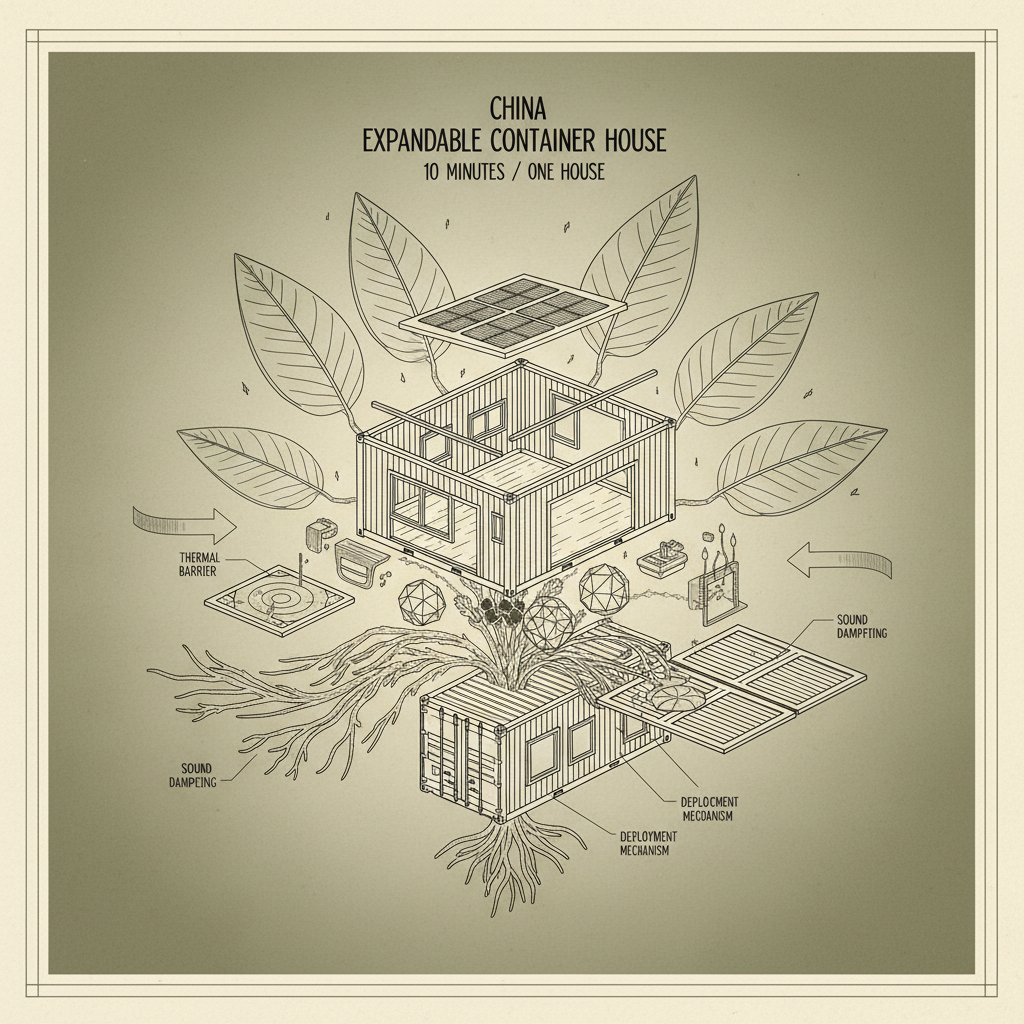
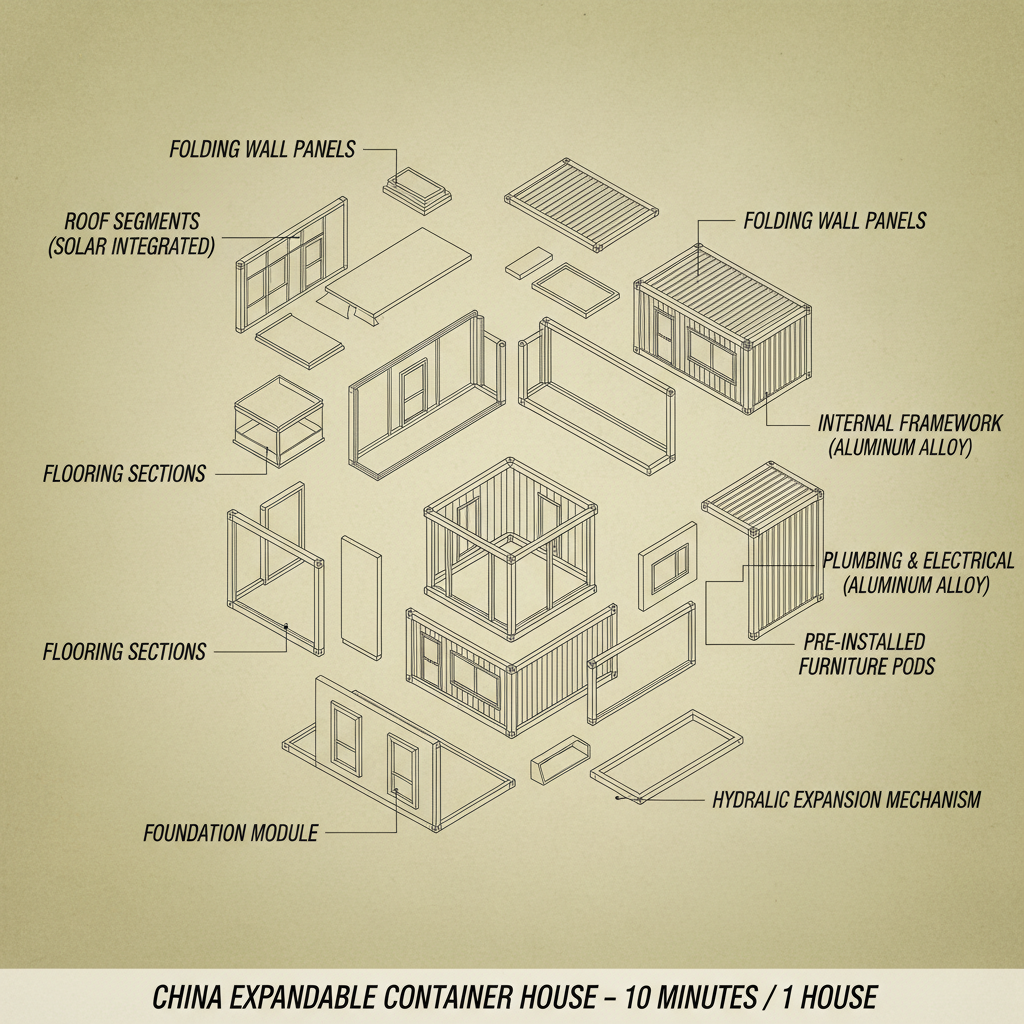
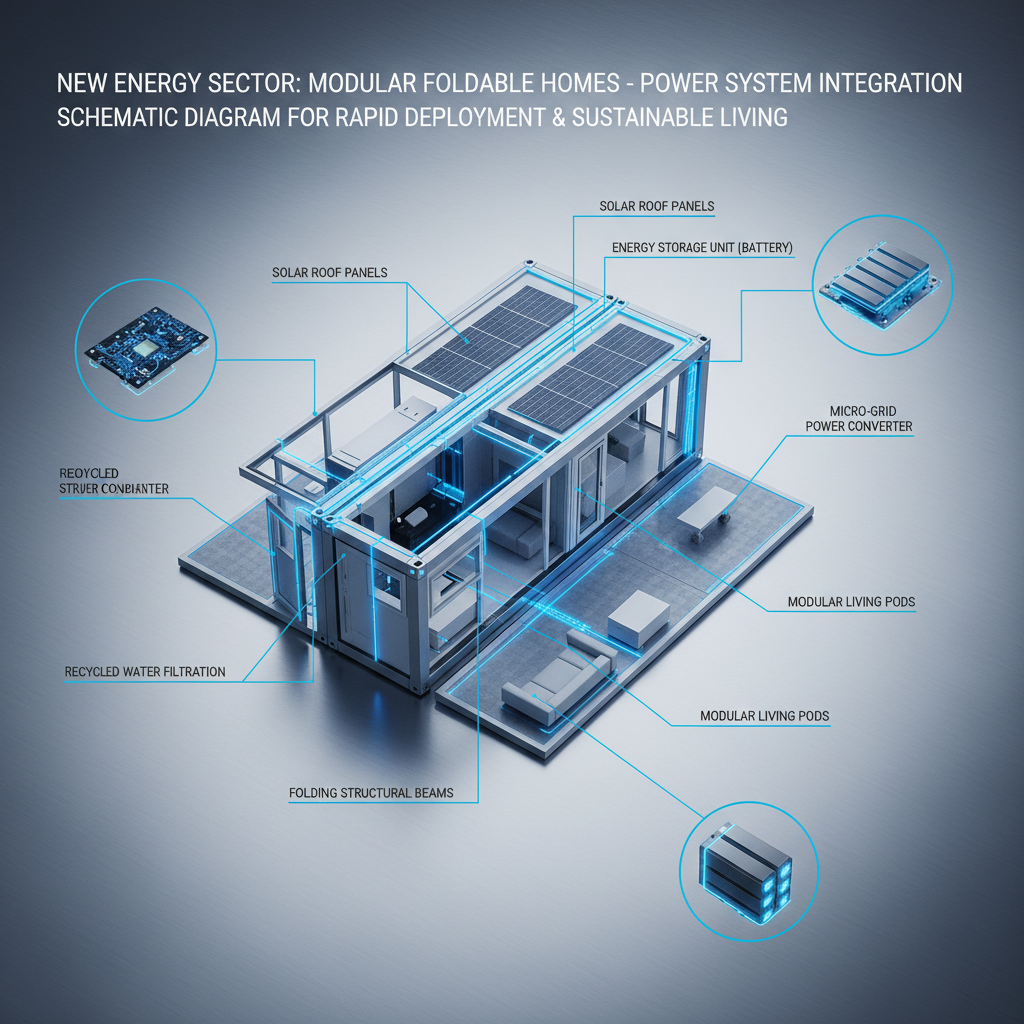
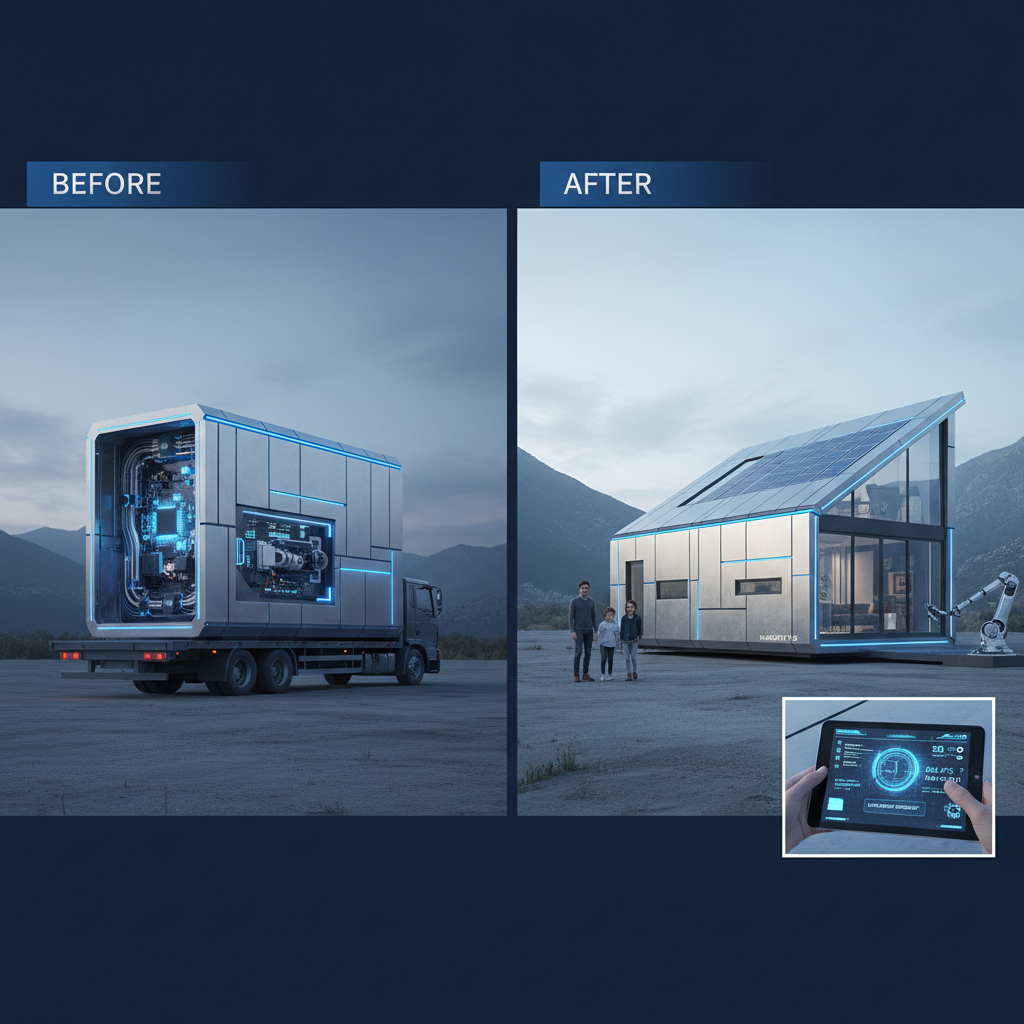
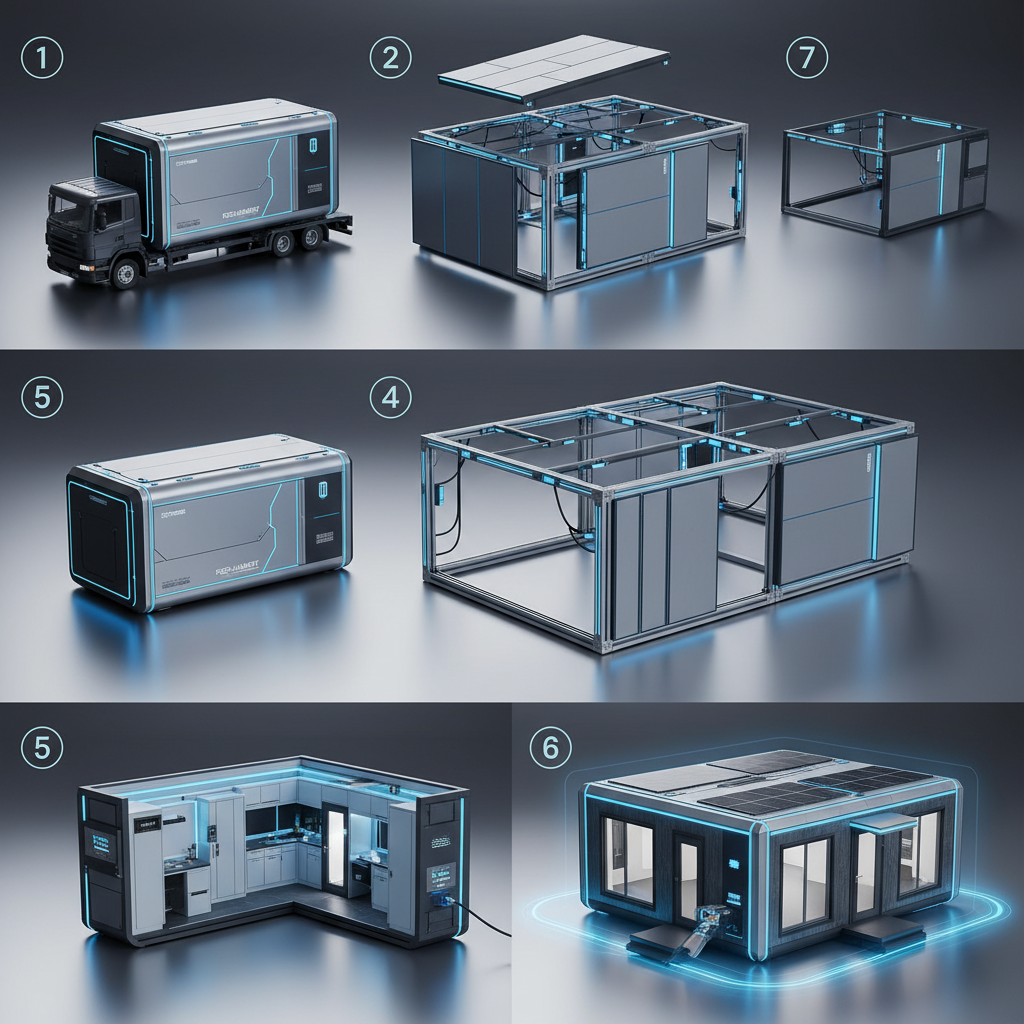
Honestly, this whole fast-deployment housing thing, especially the china expandable container house 10 minutes one house, it's been blowing up. Everyone's talking about it – from the disaster relief crews to the guys setting up temporary offices at construction sites. It’s not just a trend, it’s kind of… necessary, you know? With everything going on in the world, the need for quick, reliable shelter is only getting bigger. And frankly, the old ways just aren't cutting it anymore. Too slow, too expensive, too much hassle.
I’ve been on more sites this year than I can count, and you start to see the same problems over and over. People thinking they can cut corners on materials, or designing something that looks good on paper but falls apart the second you try to actually build it. It's a tough business, really. Everyone wants something cheap, but cheap usually means trouble down the road. And believe me, trouble on a construction site is rarely a small thing.
But the china expandable container house 10 minutes one house… well, it's different. It's not perfect, mind you, nothing ever is. But it’s a solid concept. It addresses a real need. And they're actually getting the deployment time down to, well, pretty close to 10 minutes with the right team and preparation. Which, let me tell you, is fast.
The Rising Demand for Rapid Deployment Housing
Have you noticed how many natural disasters there are these days? Floods, hurricanes, earthquakes… it’s relentless. And every single one of them creates an immediate need for shelter. Traditional construction just can't keep up. It takes too long, it’s too expensive to mobilize, and frankly, it’s often impractical in the immediate aftermath. That's where something like the china expandable container house 10 minutes one house really shines.
It’s not just disaster relief either. Think about remote construction sites, oil and gas camps, even temporary housing for migrant workers. Anything where you need to get people sheltered quickly and efficiently. The demand is huge, and it's only going to grow. I saw a report from the UN the other day; they’re projecting a significant increase in the need for emergency shelter over the next decade. Scary stuff.
Design Pitfalls and Common Mistakes
To be honest, the biggest problem I see is people overcomplicating things. They try to make these things too fancy, too luxurious. And then they forget that these are supposed to be quick to deploy and relatively affordable. You start adding all these bells and whistles, and suddenly the cost goes through the roof, and the deployment time doubles. I encountered this at a factory in Jiangsu province last time - they had this elaborate design with integrated solar panels and a rainwater harvesting system. Looked great in the drawings, but it was a nightmare to assemble.
Another thing? Ventilation. People underestimate the importance of good ventilation in these enclosed spaces. You get stagnant air, moisture buildup, and suddenly you’ve got mold problems. Not good. And don't even get me started on the electrical wiring. It needs to be done properly, or you're just asking for a fire hazard. You’ve got to think about everything, every little detail.
And strangely, people always seem to forget about accessibility. You need to make sure these units are accessible to people with disabilities. It's not just the right thing to do; it's often a legal requirement.
Material Selection: The Devil’s in the Details
Now, the materials… that’s where things get interesting. The steel frame is pretty standard – Q355B is what most manufacturers use, and it's generally good stuff. It's strong, relatively lightweight, and easy to work with. But the quality of the steel can vary, so you need to be careful about where you source it from.
The panels are where you really see the differences. Some companies use cheap composite materials that look okay at first, but they degrade quickly in the sun and become brittle. I prefer the ones that use galvanized steel with a polyurethane core. It’s a bit more expensive, but it lasts longer and provides better insulation. You can actually smell the difference, the cheap stuff has this weird plastic-y odor that just doesn’t sit right. And honestly, if it smells bad, it's probably not good.
Then there's the insulation. Rockwool is a good option – fire-resistant and provides excellent thermal and acoustic insulation. But it can be a pain to install. Spray foam is easier, but you have to be careful about off-gassing. Anyway, I think choosing the right materials is crucial for durability and long-term performance.
Real-World Testing and Quality Control
Look, lab tests are fine, but they don’t tell you the whole story. You need to see how these things actually perform in the real world. I've seen units that passed all the lab tests but fell apart after a single strong wind. That’s why I always insist on seeing them tested on-site, under realistic conditions.
We've started doing our own testing - setting up units in harsh environments, exposing them to extreme temperatures, heavy rain, even deliberately trying to break them. It sounds a bit destructive, but it’s the only way to be sure. We stress-test the hinges, the locks, the seals… everything. And we’ve found some surprising weaknesses, things that wouldn't have shown up in a standard lab test.
china expandable container house 10 minutes one house Performance Metrics
User Application: Beyond the Blueprint
It’s funny, you design these things with a specific use case in mind, but then you see how people actually use them, and it’s often completely different. I once saw a guy turn one into a mobile dog grooming salon. A dog grooming salon! Who would have thought?
They’ve been used as everything from temporary medical clinics to mobile workshops to… well, I don’t even want to talk about some of the things I’ve seen. The point is, they're incredibly versatile. But you need to design them with that versatility in mind. Lots of tie-down points, easily configurable interiors, plenty of electrical outlets. That sort of thing.
Advantages, Disadvantages, and the Reality Check
Okay, let’s be real. The china expandable container house 10 minutes one house has a lot going for it. It's fast to deploy, relatively affordable, and surprisingly durable. It’s also portable, which is a huge plus. But it's not a silver bullet. The interior space is limited, and they can get hot in the summer and cold in the winter if they're not properly insulated.
And don't get me started on the logistics of transporting them. You need a specialized truck and a crane to move them around. It's not as simple as just throwing them in the back of a pickup. Anyway, I think the key is to understand the limitations and design accordingly. Don’t try to make it something it’s not.
Customization Options and Practical Examples
Now, customization. That’s where things get really interesting. You can pretty much customize these things to meet your specific needs. We had a client last month, a small boss in Shenzhen who makes smart home devices, and he insisted on changing the interface to , even though it wasn’t necessary. The result? He had to order a special batch of connectors and it delayed the project by two weeks. Stupid, right? But hey, it was his money.
More practically, we've added things like extra windows, reinforced doors, and custom electrical systems. We’ve even built in plumbing and sanitation systems for longer-term deployments. It’s all possible, it just depends on the budget and the timeframe. Later… Forget it, I won't mention the guy who wanted a built-in jacuzzi.
Summary of Key Customization Parameters
| Customization Category |
Complexity Level (1-5) |
Estimated Cost Impact |
Typical Lead Time (Days) |
| Window/Door Configuration |
2 |
Low |
7 |
| Electrical System Upgrade |
3 |
Medium |
14 |
| Insulation Enhancement |
2 |
Low |
10 |
| Plumbing/Sanitation Installation |
4 |
High |
21 |
| Interior Finishing (Walls/Flooring) |
3 |
Medium |
14 |
| External Cladding/Branding |
2 |
Low |
7 |
FAQS
The biggest advantages are speed and cost. Traditional construction takes months, sometimes years. This can be deployed in days, sometimes even hours. Plus, the cost is significantly lower. You're eliminating a lot of labor and material costs. They're also much more portable and adaptable to various terrains, which traditional buildings aren’t always.
It depends on the design and materials, of course, but a well-built unit can withstand pretty severe weather. We've tested them to withstand winds up to 120 mph and snow loads of up to 50 pounds per square foot. Proper anchoring is crucial, though. You need to make sure they're securely fastened to the ground. It’s all about the foundation.
It can be. The use of recycled materials in the construction can reduce the carbon footprint, and the faster deployment minimizes site disruption. Plus, they can be easily disassembled and relocated, reducing waste. But you need to consider the entire lifecycle, including transportation and eventual disposal. It’s not a perfect solution, but it’s a step in the right direction.
With proper maintenance, you can easily get 10-15 years out of one. Regular inspections are key – checking for rust, leaks, and damage to the panels. You’ll need to re-paint periodically to prevent corrosion, and replace any damaged components. It’s like a car; you need to take care of it to keep it running smoothly.
Absolutely. Building codes vary significantly from place to place. You'll need to check with local authorities to see what permits are required. Some areas may have restrictions on the size, height, or location of these structures. It’s always best to do your research upfront to avoid any headaches later on.
Stacking and connecting is one of the key advantages! Most designs are engineered for vertical stacking, typically up to three stories high. Connecting units side-by-side is also fairly straightforward, creating larger office spaces or communal areas. You just need to ensure the foundations and connections are properly reinforced to handle the extra load.
Conclusion
So, there you have it. The china expandable container house 10 minutes one house isn't a perfect solution, but it’s a damn good one. It addresses a real need for fast, affordable, and reliable shelter in a world that’s increasingly facing challenges from natural disasters and rapid urbanization. It's evolving, getting better, and becoming a more viable option for a wider range of applications.
Ultimately, whether this thing works or not, the worker will know the moment he tightens the screw. You can have all the fancy designs and materials in the world, but if it doesn't feel solid and well-built, it's not going to last. And that’s what really matters. Visit our website at china expandable container house 10 minutes one house to learn more.