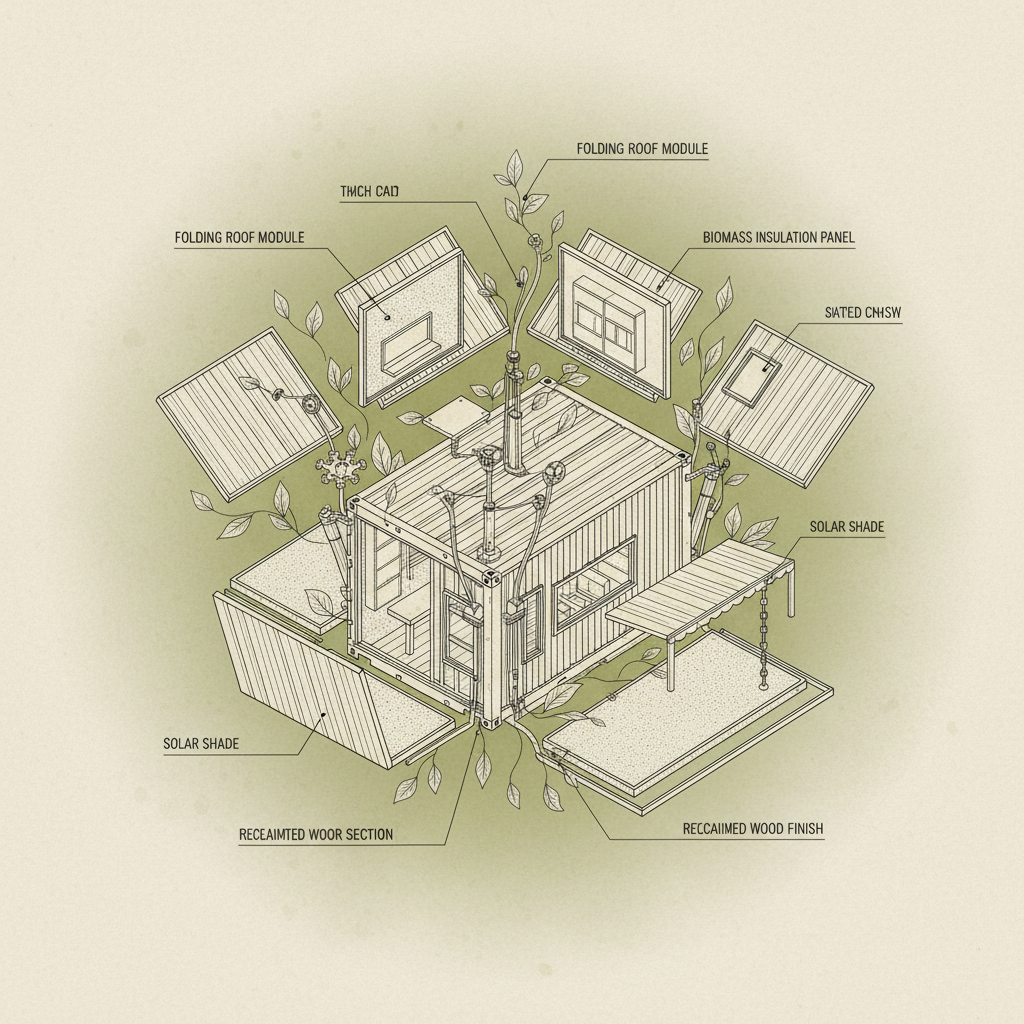
The global demand for rapid, scalable, and sustainable housing solutions has led to the rise of foldable modular homes, a breakthrough in prefabricated architecture. These structures combine the strength of industrial metalwork with the flexibility of origami-inspired design, allowing for high-quality living spaces that can be deployed in a fraction of the time required for traditional construction.
From urban expansion and workforce housing to emergency disaster relief, the ability to transport a full-sized home in a compact, folded state drastically reduces logistics costs and carbon footprints. By leveraging advanced steel frameworks and integrated utility systems, these homes offer a dignified and durable alternative to temporary shelters, bridging the gap between nomadic flexibility and permanent stability.
Understanding the technical specifications and strategic advantages of foldable modular homes is essential for developers, government agencies, and private landowners. As we move toward a more volatile climate and a more mobile global workforce, these modular systems represent the future of resilient and adaptable infrastructure.
Global Relevance of Foldable Modular Homes
In an era characterized by rapid urbanization and frequent climate-driven migrations, the need for immediate housing is no longer a luxury but a necessity. Statistics from global housing agencies suggest that the deficit in affordable housing continues to grow, prompting a shift toward "Plug-and-Play" architecture. foldable modular homes address this by eliminating the months of on-site labor typically associated with residential builds.
The industrialization of the building process allows for precision engineering that meets ISO standards, ensuring that these units are not just "tents" but actual homes with thermal insulation and structural safety. By reducing the logistical burden of shipping air (empty space), these foldable units maximize shipping container efficiency, allowing more units to be delivered per vessel, which is critical for large-scale humanitarian projects.
Defining the Mechanics of Foldable Modular Homes
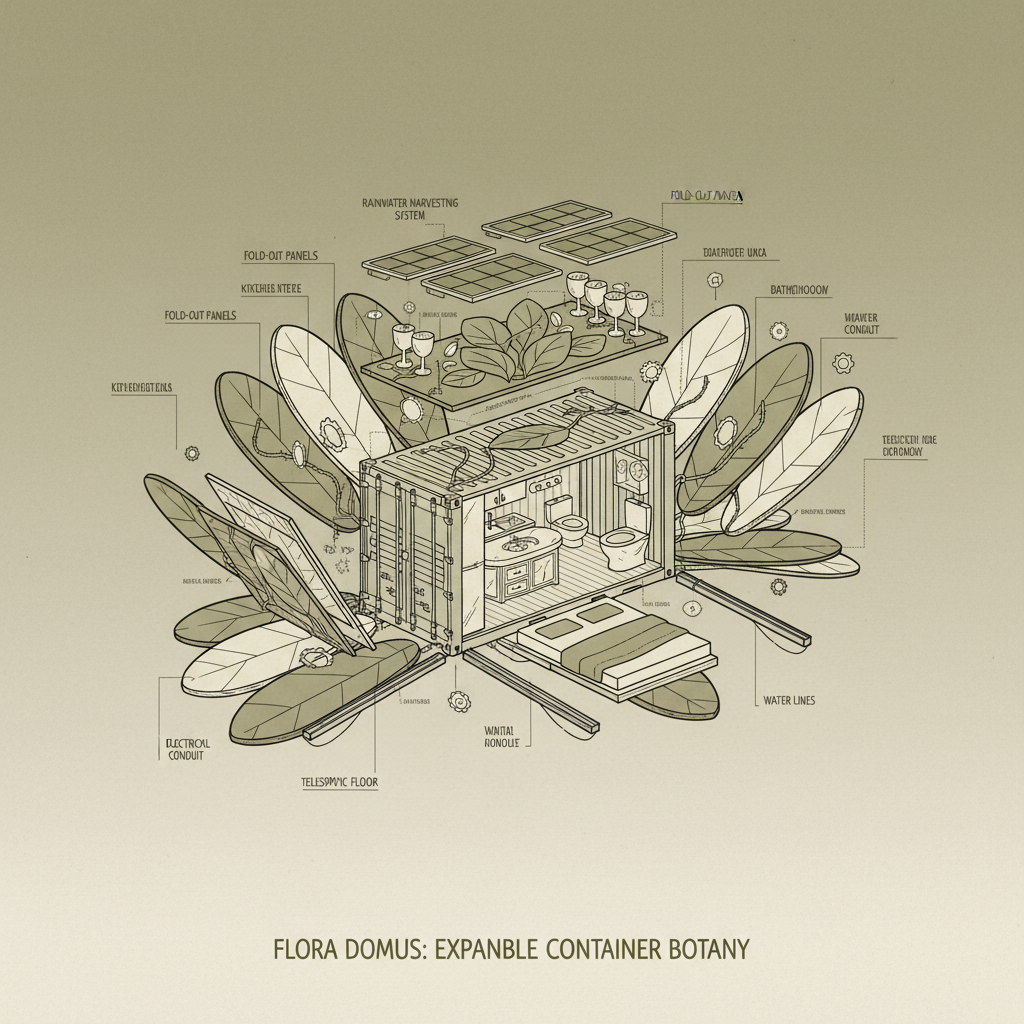
At its core, foldable modular homes are prefabricated structures designed with a hinge-and-lock system that allows the walls and roof to collapse into a compact chassis. This design philosophy borrows heavily from the automotive and aerospace industries, where space optimization is paramount. Once delivered to the site, the structure is expanded—often using a simple crane or a small team of workers—to reveal a fully functional living space.
These homes typically range from compact 10ft units for single occupancy to expansive 40ft expandable folding houses for family use or office spaces. The "modular" aspect refers to the ability to interconnect multiple units, creating larger complexes without the need for complex architectural redesigns. This makes them an ideal solution for rapidly evolving needs, where a site may need to expand from ten to a hundred units in a matter of days.
Unlike traditional prefabricated homes, which are shipped as rigid boxes, the folding mechanism significantly lowers the barrier to entry for remote locations. Whether it is a mountain retreat or a remote mining camp, the ease of transport ensures that quality housing can reach areas where traditional construction materials and skilled labor are unavailable.
Core Components for Structural Integrity
The durability of foldable modular homes relies heavily on the quality of the galvanized steel frame. This chassis provides the skeletal strength necessary to withstand wind loads and seismic activity, ensuring that the "folding" nature of the home does not compromise its stability once locked into place.
Advanced insulation materials, such as sandwich panels with EPS or rock wool cores, are integrated into the walls of foldable modular homes. This ensures high thermal efficiency, allowing the homes to remain warm in sub-zero temperatures and cool in tropical heat, which is a critical requirement for humanitarian and industrial use.
Precision-engineered hinges and locking mechanisms are the final critical component. These parts are subjected to rigorous stress testing to prevent wear and tear during the folding/unfolding process, ensuring that the structure maintains a watertight seal and remains airtight against the elements.
Cost Efficiency and Scalability Analysis
When analyzing the economics of housing, foldable modular homes provide a massive advantage in "Total Cost of Ownership." By shifting the majority of the construction to a controlled factory environment, waste is reduced by up to 40%, and labor costs are streamlined. The most significant saving, however, occurs during transport; shipping four folded units in the space of one unfolded unit reduces freight costs by nearly 75%.
Scalability is equally impressive. Because these homes come in standardized sizes—10ft, 20ft, 30ft, and 40ft—they can be deployed in a phased approach. A project manager can start with a few basic units and scale up as the population grows, simply by adding more modules to the existing grid.
Efficiency Ratings of Foldable Modular Homes Systems
Global Applications and Use Cases
In post-disaster relief operations, the speed of foldable modular homes is life-saving. NGOs and government agencies can deploy hundreds of weather-proof, insulated shelters within hours of arrival, providing displaced families with a sense of dignity and security that traditional canvas tents cannot offer.
Beyond emergencies, these units are increasingly used in remote industrial zones. Mining operations in the Arctic or oil rigs in the desert utilize the 20ft and 40ft expandable models to create high-quality staff quarters and administrative offices. The ability to fold these units back up and transport them to a new site once a project is completed makes them the ultimate asset for mobile industries.
Long-Term Value and Sustainability
From an environmental perspective, foldable modular homes align perfectly with the principles of a circular economy. The use of recyclable steel and the reduction in on-site construction debris significantly lower the ecological impact compared to traditional concrete and brick builds.
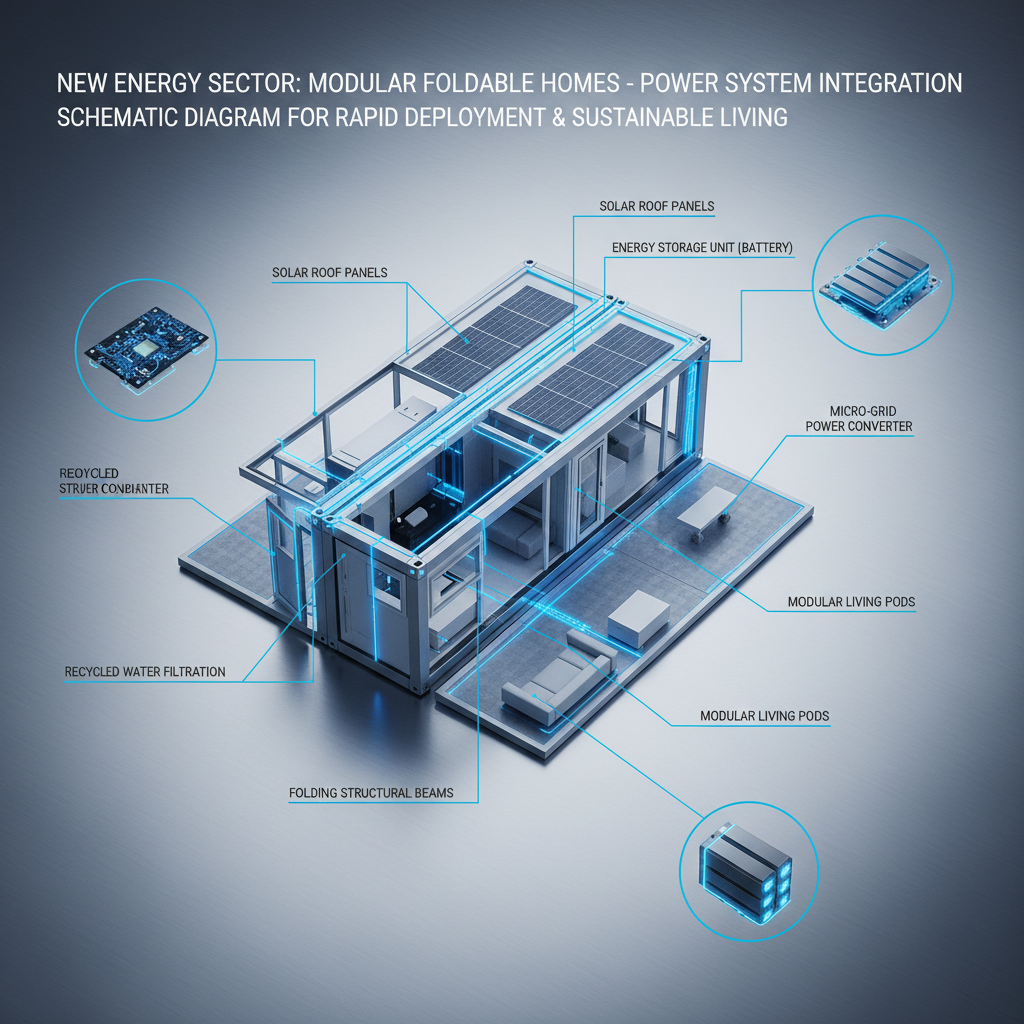
Logically, the value lies in the adaptability. A home that can be relocated or expanded as a family grows prevents the "build-and-demolish" cycle. This longevity, paired with the ability to integrate solar panels and rainwater harvesting systems into the flat roof design, turns these modular units into sustainable micro-homes.
Emotionally, these homes provide stability. For those in transitional housing, moving from a tent to a modular home with a locking door, electricity, and insulation transforms their psychological well-being, providing a safe haven that fosters recovery and growth.
Future Innovations in Modular Housing
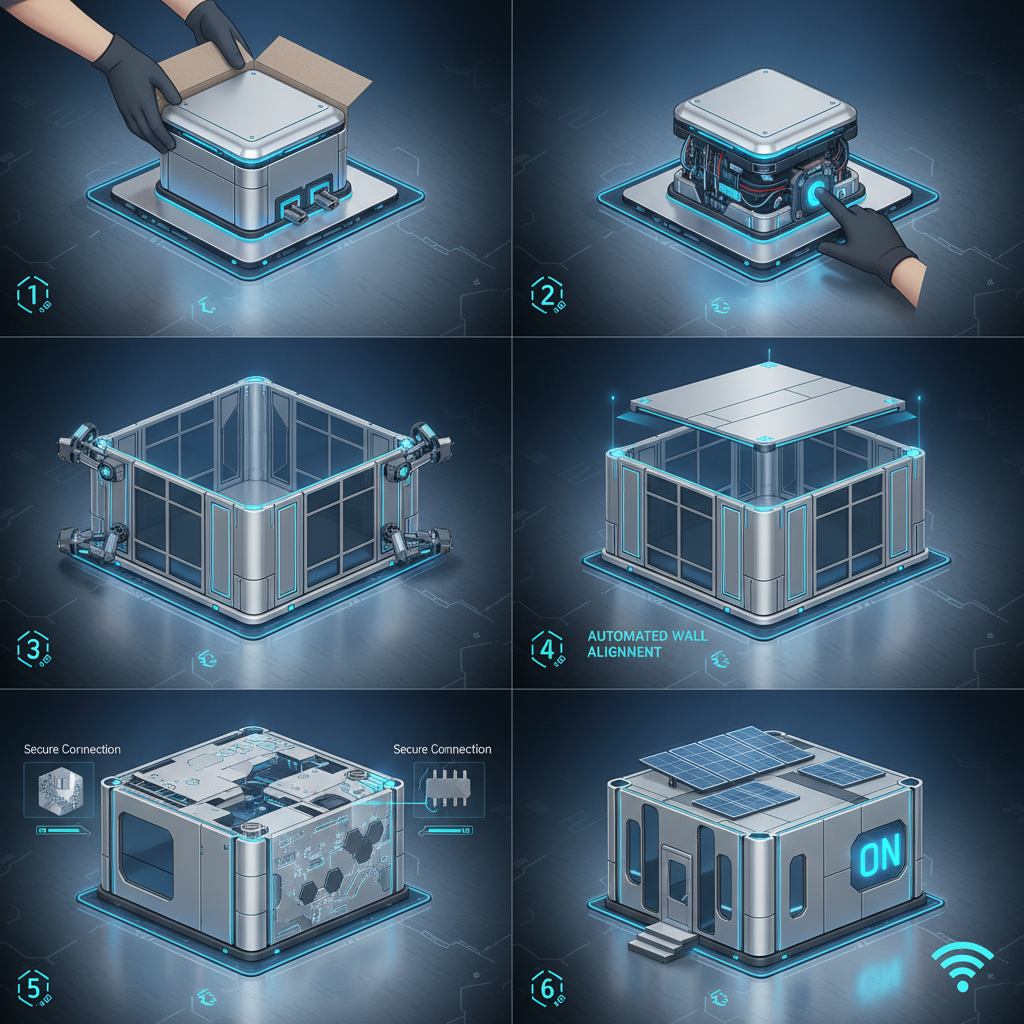
The next generation of foldable modular homes is moving toward full automation. We are seeing the integration of robotic unfolding systems that can deploy a home with a single button press, removing the need for manual labor entirely.
Material science is also evolving. The introduction of graphene-enhanced polymers and lightweight aerospace alloys will make these homes even lighter without sacrificing strength, further reducing shipping costs and increasing the lifespan of the folding hinges.
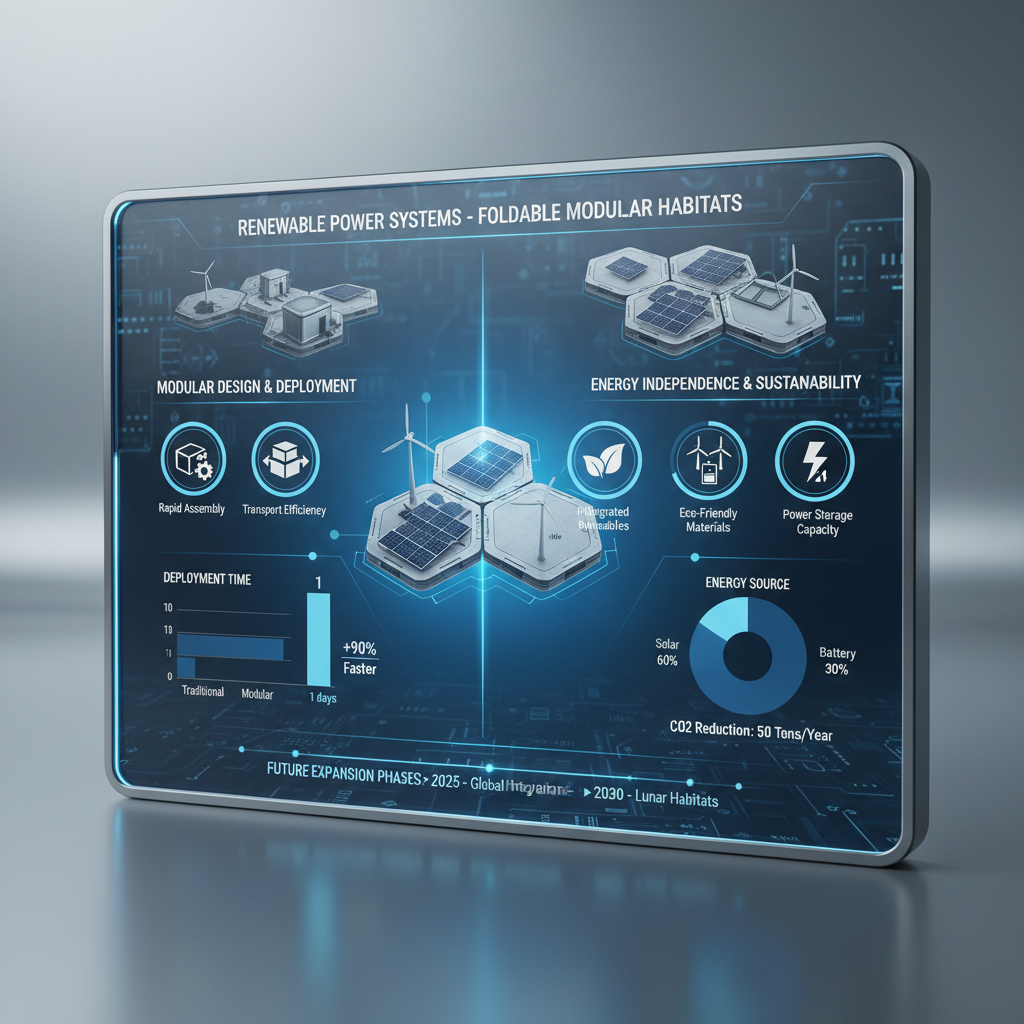
Furthermore, the integration of Smart Home IoT (Internet of Things) is becoming standard. Future modular units will feature integrated energy management systems that automatically optimize heating and cooling based on external weather patterns, making them truly "intelligent" shelters.
Technical Comparison of Foldable Modular Home Variations
| Model Size |
Primary Use Case |
Deployment Time |
Durability Score (1-10) |
| 10ft Compact |
Emergency Shelter / Guard Post |
15-30 Minutes |
8 |
| 20ft Standard |
Staff Housing / Tiny Home |
45-60 Minutes |
9 |
| 30ft Family |
Residential / Guest House |
90-120 Minutes |
9 |
| 40ft Expandable |
Office / Luxury Suite |
2-3 Hours |
10 |
| Custom Grid |
Community Hubs / Clinics |
Variable |
10 |
| Hybrid Folding |
Mobile Retail / Pop-up Shop |
30-45 Minutes |
7 |
FAQS
The primary advantage is logistics. Traditional containers are shipped as rigid boxes, meaning you pay for the transport of empty air. foldable modular homes collapse, allowing multiple units to be stacked in a single shipping slot. This drastically reduces freight costs and enables faster deployment in remote or disaster-stricken areas where infrastructure is limited.
Depending on the grade of the steel and insulation used, these homes are designed to last 15-25 years. With galvanized frames and high-density sandwich panels, they are resistant to corrosion and can withstand high wind speeds and heavy snow loads, making them suitable for both tropical and arctic environments.
Yes, they are highly sustainable. They utilize recyclable industrial steel and reduce construction waste by up to 40% compared to traditional builds. Cost-effectiveness is realized through reduced labor hours and significantly lower transportation expenses, providing a high-quality living space at a fraction of the price of permanent masonry construction.
Absolutely. Most professional foldable modular homes come pre-wired and pre-plumbed from the factory. Once unfolded, they can be connected to local power grids or solar arrays and linked to septic systems or city water lines via standardized external connection ports.
NGOs can import these units in bulk due to their foldable nature. Because they conform to standard shipping dimensions when collapsed, they can be moved via standard sea freight. Most manufacturers provide all necessary ISO and safety certifications to streamline customs clearance for humanitarian aid projects.
While they can be placed on a leveled patch of ground for temporary use, a simple concrete slab or pier foundation is recommended for long-term residency. This prevents moisture buildup underneath the chassis and ensures the structure remains perfectly level, which is essential for the longevity of the folding joints.
Conclusion
In summary, foldable modular homes represent a paradigm shift in how we perceive shelter and infrastructure. By merging high-strength metal fabrication with an intelligent, collapsible design, these homes solve the critical tension between durability and mobility. From the 10ft emergency unit to the 40ft expandable luxury suite, the versatility of these systems ensures that quality housing can be deployed anywhere in the world, regardless of the logistical challenges.
Looking forward, the integration of green energy and automated deployment will further solidify these structures as the gold standard for sustainable living. Whether you are a government planner addressing a housing crisis or an entrepreneur seeking a flexible commercial space, investing in modular technology is a step toward a more resilient and adaptable future. Visit our website to learn more: www.yanchungongxiang.com