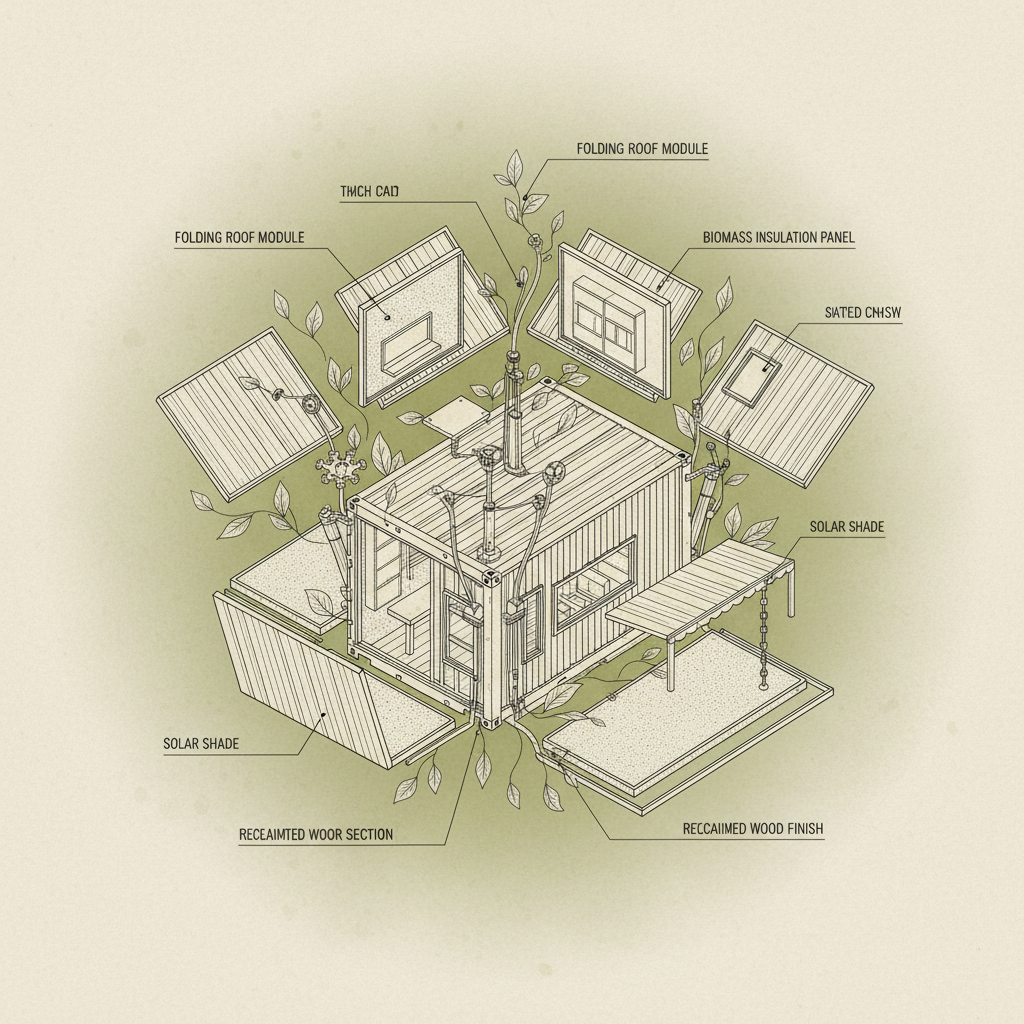
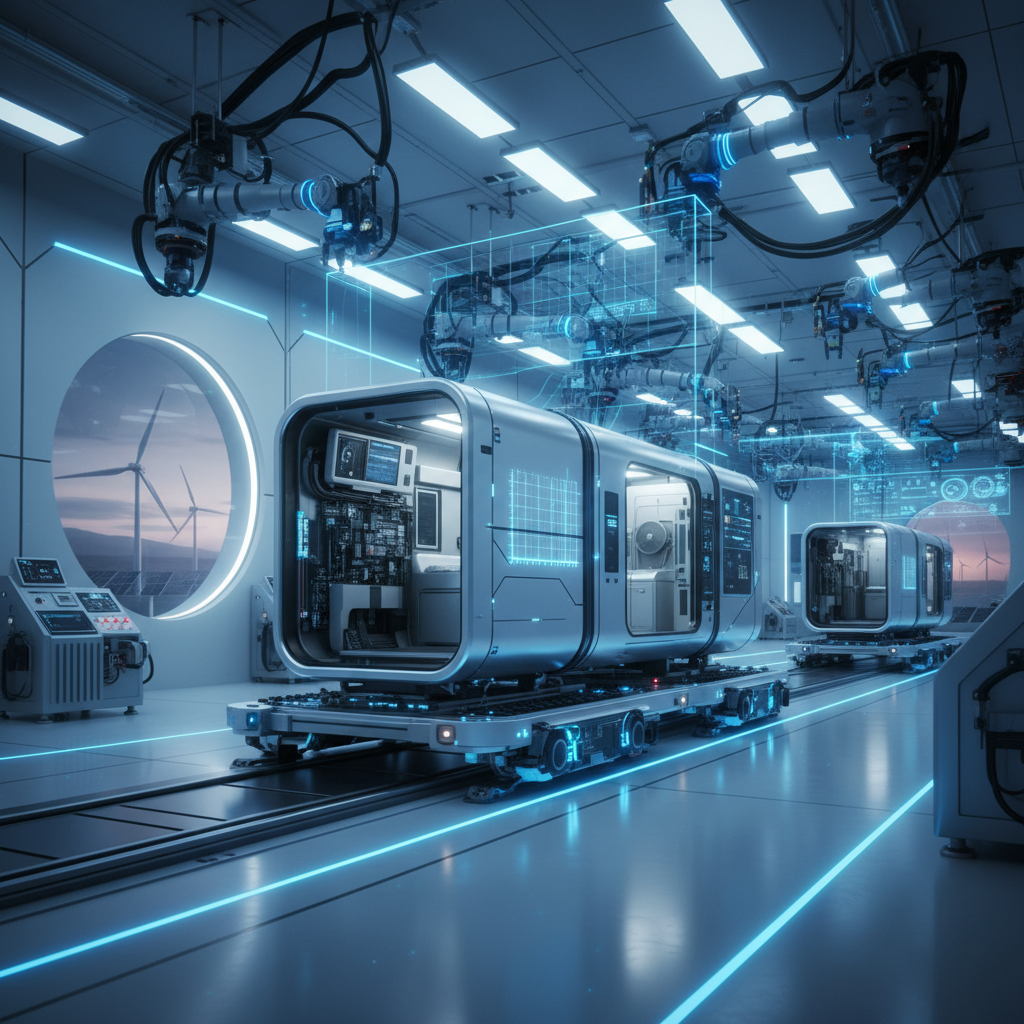
The modern architectural landscape is undergoing a radical shift toward flexibility and rapid deployment, with the unfoldable house emerging as a beacon of innovation in the metal structures industry. As global urbanization accelerates and the need for emergency housing spikes, the ability to transport a full-scale living space in a compact, folded form is no longer just a convenience—it is a strategic necessity for urban planners and disaster relief agencies alike.
Integrating advanced structural engineering with high-grade galvanized steel, the unfoldable house solves the age-old conflict between durability and mobility. By utilizing precision-engineered hinges and foldable wall panels, these structures can be expanded from a shipping-container size to a fully functional home in a matter of hours, drastically reducing the carbon footprint associated with traditional construction logistics.
Whether it is a 10ft unit for minimalist temporary shelter or a 40ft expansive model for remote industrial offices, the versatility of these systems ensures that safety and comfort are not sacrificed for speed. Understanding the mechanics, benefits, and applications of this technology is essential for anyone looking to optimize space and time in the contemporary building sector.
Global Relevance and Industry Context of Unfoldable Houses
On a global scale, the demand for rapid housing has shifted from a niche requirement to a mainstream industrial priority. According to data reflecting global displacement trends and urban expansion, the traditional construction cycle is often too slow to address acute housing shortages. This is where the unfoldable house steps in, providing a scalable solution that bridges the gap between temporary tents and permanent concrete buildings.
The metal structures industry has responded by optimizing the "fold-and-deploy" logic, ensuring that these units meet international ISO shipping standards for ease of transport. By reducing the logistics cost by up to 70%, these houses allow governments and NGOs to deploy high-quality shelters across borders with unprecedented speed, effectively solving the crisis of immediate occupancy in disaster-stricken zones.
Defining the Mechanics of the Unfoldable House
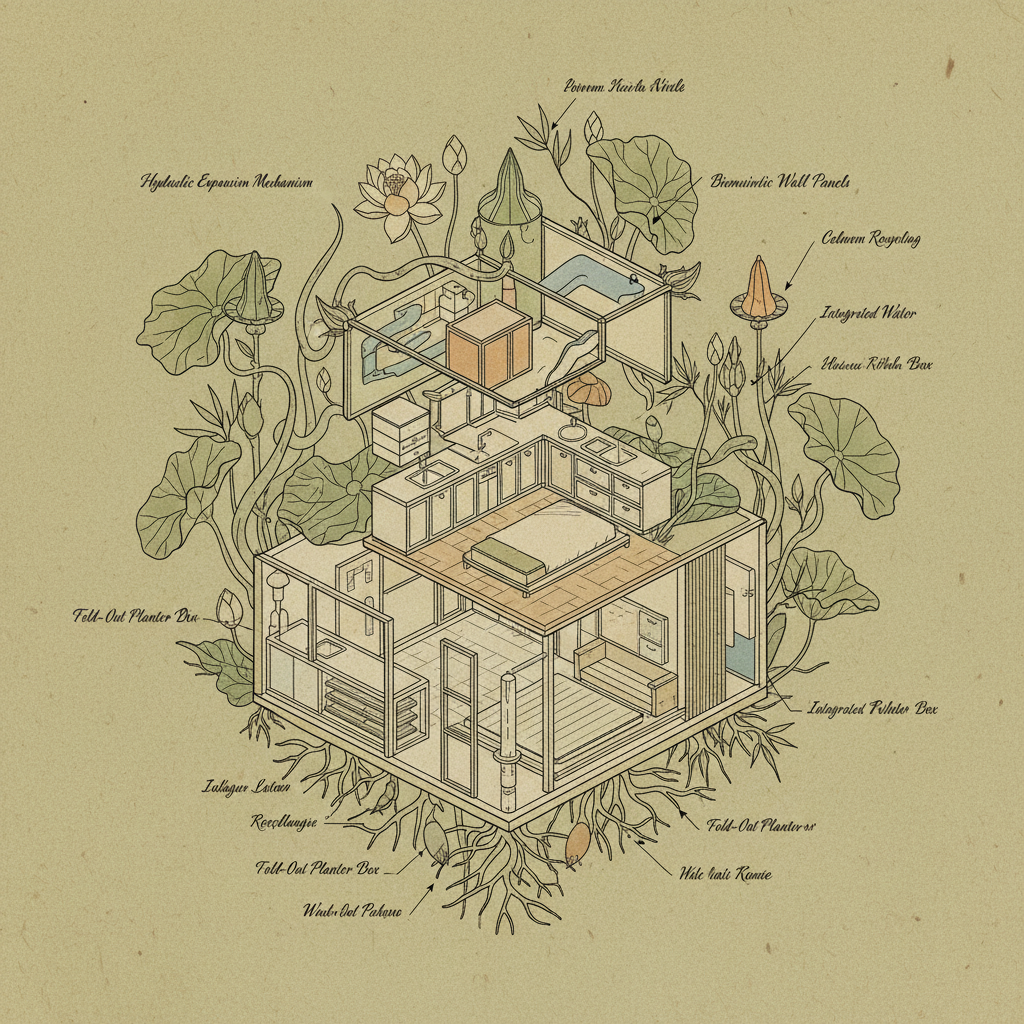
In simple terms, an unfoldable house is a prefabricated modular building designed to be collapsed into a compact rectangular volume for transportation and then expanded on-site. Unlike traditional modular homes that require heavy cranes and extensive assembly, the unfoldable variety utilizes an integrated hinge system that allows the walls and roof to swing open, effectively "unfolding" the living space into its final configuration.
This design is deeply connected to the modern humanitarian need for "dignified shelter." Rather than living in canvas tents, displaced populations or remote workers are provided with steel-framed walls and insulated panels. This evolution in metal fabrication ensures that the internal environment remains thermally regulated and secure, providing a psychological sense of permanence and safety despite the temporary nature of the deployment.
Technically, the process involves a primary load-bearing chassis—often a heavy-duty steel frame—that supports the weight of the folded sections. Once the unit is positioned, the locking mechanisms are engaged, transforming the flexible joints into rigid structural points. This transition from a mobile cargo unit to a stationary dwelling is the core engineering marvel of the folding house system.
Core Components for Structural Integrity
The durability of an unfoldable house relies heavily on the quality of its materials. The primary skeleton is typically constructed from hot-dip galvanized steel, which prevents corrosion in humid or coastal environments. This ensures that the folding mechanism does not seize over time and that the structural load is evenly distributed across the chassis during both transport and occupancy.
Scalability is achieved through a modular approach, where users can choose from 10ft, 20ft, 30ft, or 40ft configurations. Each size of the unfoldable house is engineered to maintain the same ratio of strength-to-weight, allowing for seamless expansion. This flexibility means a small site office can be quickly upgraded to a larger residential unit simply by selecting a larger folding model.
Finally, cost efficiency is realized through the integration of "plug-and-play" utilities. Most high-end folding houses come pre-installed with electrical wiring and plumbing fixtures. By shifting the labor from the field to the factory, the unfoldable house eliminates the need for a large construction crew on-site, reducing labor costs and minimizing the environmental impact on the surrounding land.
Scalability and Efficiency Metrics
When comparing various deployment methods, the efficiency of the unfoldable house stands out in terms of speed and space utilization. Traditional site-built houses take months, while modular non-folding houses require significant logistics for each wall panel. The folding system allows for a "single-unit" transport logic, where one truck can carry multiple unfolded houses, maximizing the volume of every shipment.
The following data highlights how different configurations of the folding system perform across key industry metrics. While the smaller units excel in rapid mobility, the larger 40ft models provide a living experience that rivals traditional residential architecture, all while maintaining the core "unfoldable" advantage.
Comparative Performance of Unfoldable House Models
Global Applications in Disaster and Industry
The practical application of the unfoldable house is most evident in post-disaster relief operations. In regions hit by earthquakes or floods, where infrastructure is decimated, the ability to air-drop or truck in dozens of these units provides immediate, weatherproof shelter. This rapid transition from "crisis to comfort" saves lives and provides the stability needed for rescue teams to operate effectively.
Beyond emergencies, these structures are becoming a staple in remote industrial zones, such as mining camps in Northern Canada or oil rigs in the Middle East. The unfoldable house allows companies to establish high-quality worker housing and administrative offices without the need for permanent land alteration, making it an ideal solution for projects with a fixed lifecycle.
Long-Term Value and Sustainability
From a sustainability perspective, the unfoldable house offers a significant advantage over traditional construction. By utilizing prefabricated steel, the amount of on-site waste is reduced to nearly zero. Furthermore, the modular nature of these homes means they can be folded back up and relocated, preventing the abandonment of "ghost structures" when a project ends.
The emotional value of this technology cannot be overlooked. For those in transition—whether refugees or temporary laborers—the security of a locked door and a solid roof provides a level of dignity that is often missing in emergency housing. This psychological stability is a critical component of recovery and productivity, turning a simple shelter into a home.
Logistically, the long-term value is found in the reuse cycle. Because the unfoldable house is built from industrial-grade metals, it can be refurbished and redeployed multiple times across different global projects, maximizing the return on investment for the owner and reducing the demand for new raw materials.
Future Trends in Modular Folding Technology
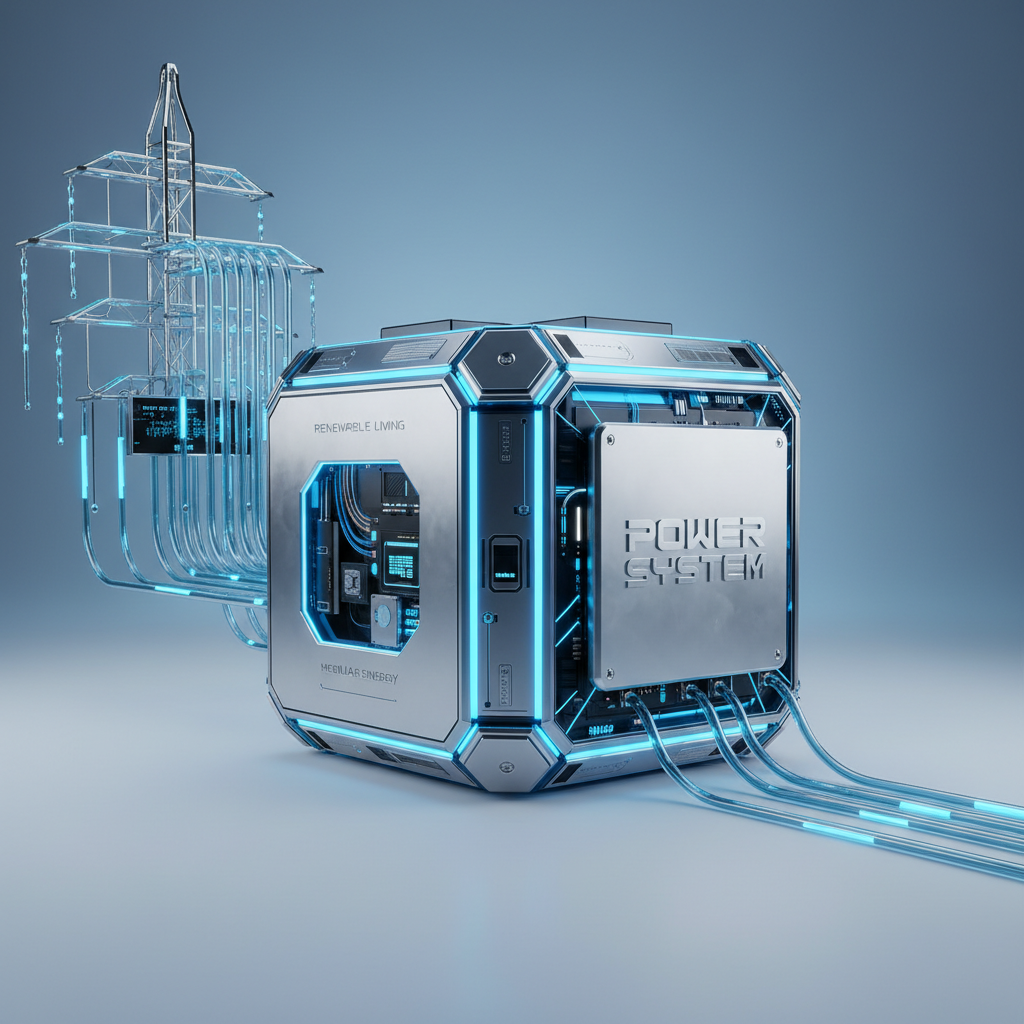
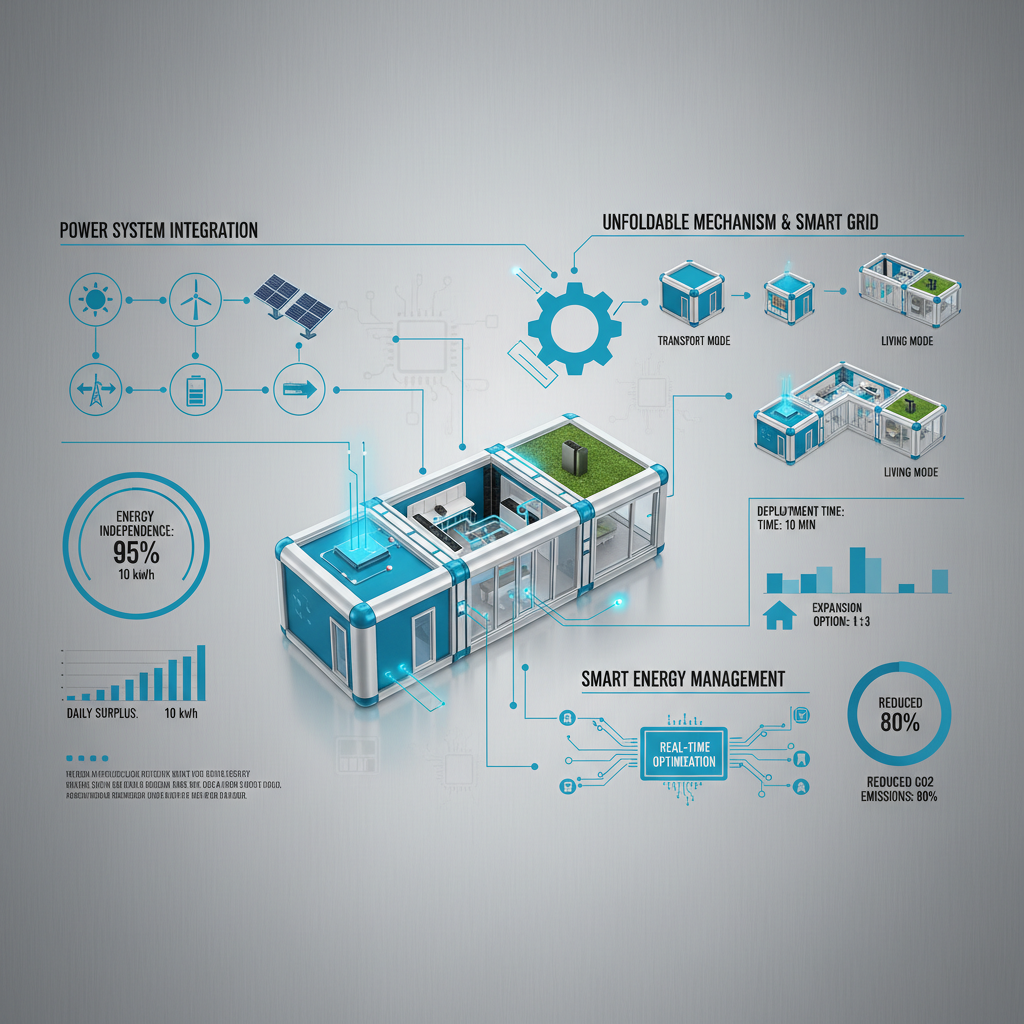
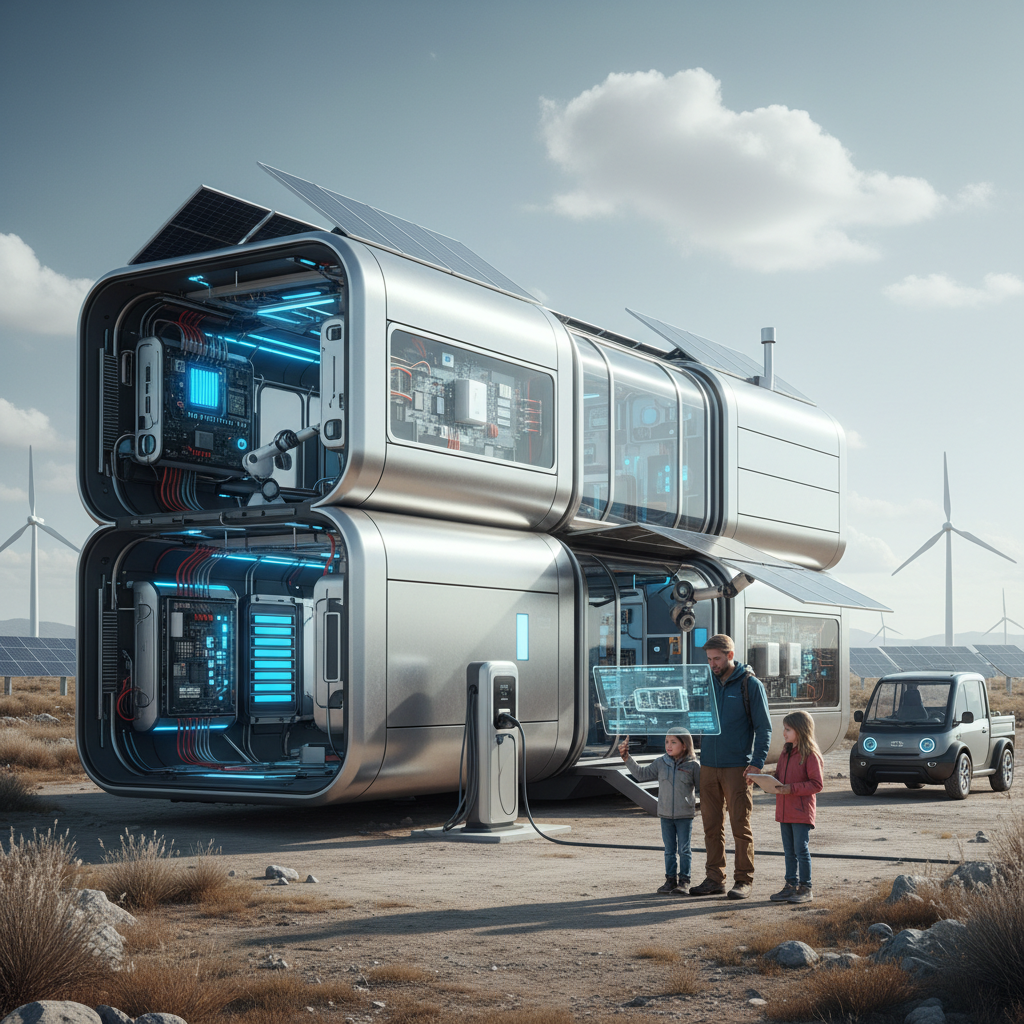
Looking ahead, the unfoldable house is set to integrate with "smart city" technologies. We are seeing the introduction of integrated solar panels on the roof panels and IoT-based climate control systems that automatically adjust based on external weather conditions. This transformation turns a basic shelter into an autonomous, energy-independent living pod.
Material science is also evolving, with the introduction of lightweight aerospace-grade alloys and vacuum-insulated panels (VIPs). These innovations will make the unfoldable house even lighter for transport while increasing its thermal resistance, allowing these units to be deployed in extreme Arctic or Saharan climates without relying on heavy external heating or cooling systems.
Additionally, we expect a surge in automation, where the unfolding process is powered by hydraulic or electric actuators, reducing the setup time from hours to mere minutes. This move toward "one-button deployment" will redefine the speed of humanitarian response and industrial mobilization.
Analysis of Unfoldable House Technical Specifications by Model
|
Model Size
|
Setup Time (Mins)
|
Thermal Rating (1-10)
|
Wind Resistance (km/h)
|
| 10ft Folding Unit |
15-30 |
7 |
120 |
| 20ft Standard Unit |
30-60 |
8 |
140 |
| 30ft Expanded Unit |
60-90 |
8 |
140 |
| 40ft Premium Unit |
90-120 |
9 |
150 |
| Custom Industrial Unit |
60-180 |
10 |
180 |
| Emergency Shelter Unit |
10-20 |
6 |
100 |
FAQS
Unlike traditional shelters like tents or basic cabins, an unfoldable house provides a rigid, weather-resistant steel structure that offers superior security, thermal insulation, and longevity. It combines the speed of a tent with the durability of a permanent building, ensuring occupants are protected from extreme weather while allowing for rapid deployment and easy removal.
Depending on the maintenance and environment, a high-quality unfoldable house built with galvanized steel and industrial-grade coatings can last between 15 to 25 years. They are specifically engineered to withstand high wind loads and seismic activity, making them a reliable long-term alternative to temporary housing in volatile regions.
Yes, it is significantly more eco-friendly because it reduces the need for concrete, which is a major source of CO2 emissions. From a cost perspective, the reduction in labor, transportation, and construction time makes the unfoldable house a fraction of the cost of traditional builds, while the ability to reuse and relocate the unit adds immense long-term financial value.
Since most unfoldable houses are designed to fit standard ISO container dimensions, they can be shipped via standard sea, rail, or road freight. NGOs can coordinate bulk shipments to regional hubs, where the units can then be distributed to specific sites for rapid "unfolding" and installation without requiring specialized heavy machinery at the final destination.
One of the primary advantages of the unfoldable house is its flexibility regarding foundations. While a concrete slab is ideal for permanent use, these units can be deployed on simple leveled ground, gravel, or adjustable steel pedestals. This allows for deployment in areas where traditional ground preparation is impossible or environmentally prohibited.
Absolutely. While the structural frame is standardized, the interiors can be customized to serve as bedrooms, clinics, offices, or kitchens. Most manufacturers offer various flooring options, wall finishes, and utility layouts to ensure the house meets the specific functional needs of the user, whether for residential or commercial purposes.
Conclusion
The unfoldable house represents a pivotal leap in the metal structures industry, effectively merging the speed of temporary assembly with the reliability of permanent engineering. By optimizing logistics through a folding design and ensuring structural integrity through high-grade galvanized steel, these units provide an essential solution for emergency relief, remote industrialization, and sustainable urban living.
As we move toward a future defined by climate volatility and rapid urbanization, the adoption of such versatile, modular systems will be critical. Investing in unfoldable technology is not just a choice of convenience, but a commitment to efficiency, dignity, and environmental responsibility. For those seeking a cutting-edge balance of mobility and stability, the foldable home is the definitive answer. Visit our website: www.yanchungongxiang.com