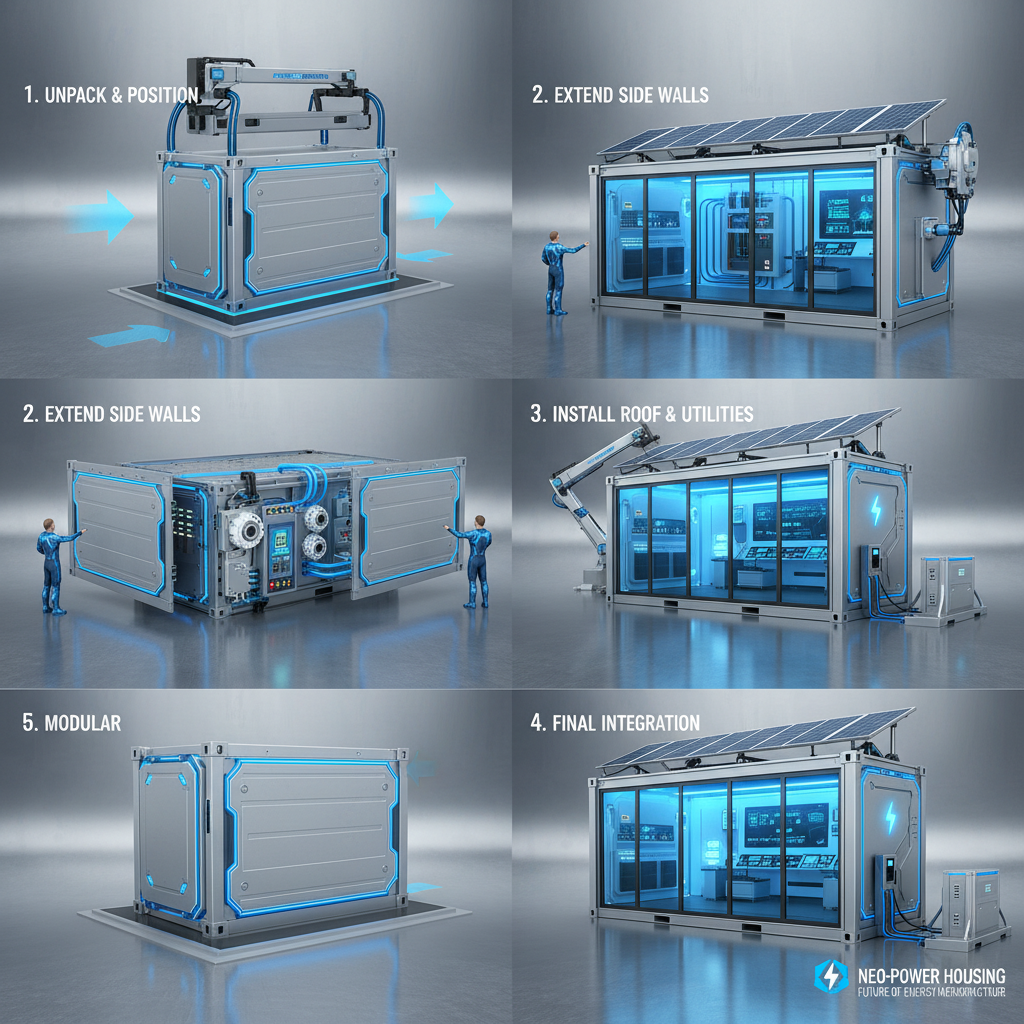
The global demand for rapid-deployment housing has surged as urban populations grow and the frequency of emergency relief scenarios increases. A foldable container house represents a paradigm shift in modular construction, offering a sophisticated blend of mobility, structural integrity, and space efficiency that traditional building methods simply cannot match. By utilizing high-strength steel frameworks and innovative folding mechanisms, these structures allow for immediate occupancy without the need for extensive on-site labor.
From a macroeconomic perspective, the shift toward prefabricated solutions is driven by the need to reduce construction waste and lower the carbon footprint of the building industry. The foldable container house addresses these environmental concerns by streamlining logistics—reducing the number of shipments required to transport multiple units—and utilizing recyclable materials. This efficiency makes them an ideal choice for governments, NGOs, and private developers looking for scalable housing solutions.
Understanding the technical nuances of these structures—from the 10ft compact models to the expansive 40ft expandable folding houses—is crucial for optimizing their application. Whether deployed as temporary worker dormitories, disaster relief shelters, or minimalist off-grid homes, the ability to expand a flat-packed unit into a fully functional living space within hours provides an unprecedented level of flexibility in modern spatial planning.
Global Relevance of Foldable Container House
In an era characterized by rapid urbanization and unpredictable climatic events, the global housing crisis has necessitated innovative responses. According to trends observed by international development agencies, the gap between housing demand and supply continues to widen, particularly in developing regions. The foldable container house emerges as a critical tool for bridging this gap, providing a rapid-response mechanism for shelter that avoids the bureaucratic and temporal delays of traditional masonry.
Beyond emergency response, these structures are increasingly integrated into industrial expansion projects. The ability to deploy 20ft or 40ft expandable units allows companies to scale their workforce housing in sync with project growth. This agility reduces the capital expenditure associated with permanent buildings that may become obsolete once a project is completed, making the foldable model a strategic financial asset in the construction and mining sectors.
Defining the Foldable Container House Concept
A foldable container house is a prefabricated modular building designed to be transported in a collapsed, flat-packed state and expanded on-site into a full-scale living or working environment. Unlike standard shipping containers that require heavy modification and cutting, foldable houses are engineered from the ground up with integrated hinges and locking mechanisms, allowing the walls and roof to unfold seamlessly.
At its core, this concept merges the durability of industrial metal fabrication with the flexibility of origami. These units typically feature a galvanized steel frame to prevent corrosion and utilize sandwich panels (such as EPS or rock wool) for thermal insulation. This ensures that while the structure is "foldable," it does not compromise on the safety or comfort standards expected of a permanent residence.
The connection to humanitarian needs is profound. In the wake of natural disasters, the speed of deployment can be a matter of life and death. By utilizing a foldable container house, relief organizations can transport ten times more housing units in a single shipment compared to pre-assembled modular homes, drastically reducing the "time-to-shelter" metric.
Core Components of Foldable Housing
The structural integrity of a foldable container house relies heavily on its chassis and folding hinges. High-grade Q235 or Q345 steel is typically employed to ensure that the frame can withstand the stresses of repeated folding and unfolding without warping. These components are precision-engineered to maintain tight tolerances, ensuring that the unit is airtight and watertight once fully expanded.
Thermal efficiency is achieved through the integration of advanced wall panels. In a professional foldable container house, these panels consist of a metal skin and a core of insulating material, which prevents heat transfer. This allows the house to be viable in both Arctic conditions and tropical humidity, making it a truly global solution for diverse climates.
Scalability is the final core component. By offering various sizes—ranging from the 10ft unit for individual use to the 40ft expandable folding house for family or office use—manufacturers allow users to customize their footprint. These units can often be connected side-by-side or stacked, transforming individual foldable container house modules into comprehensive residential complexes.
Key Performance Factors and Efficiency
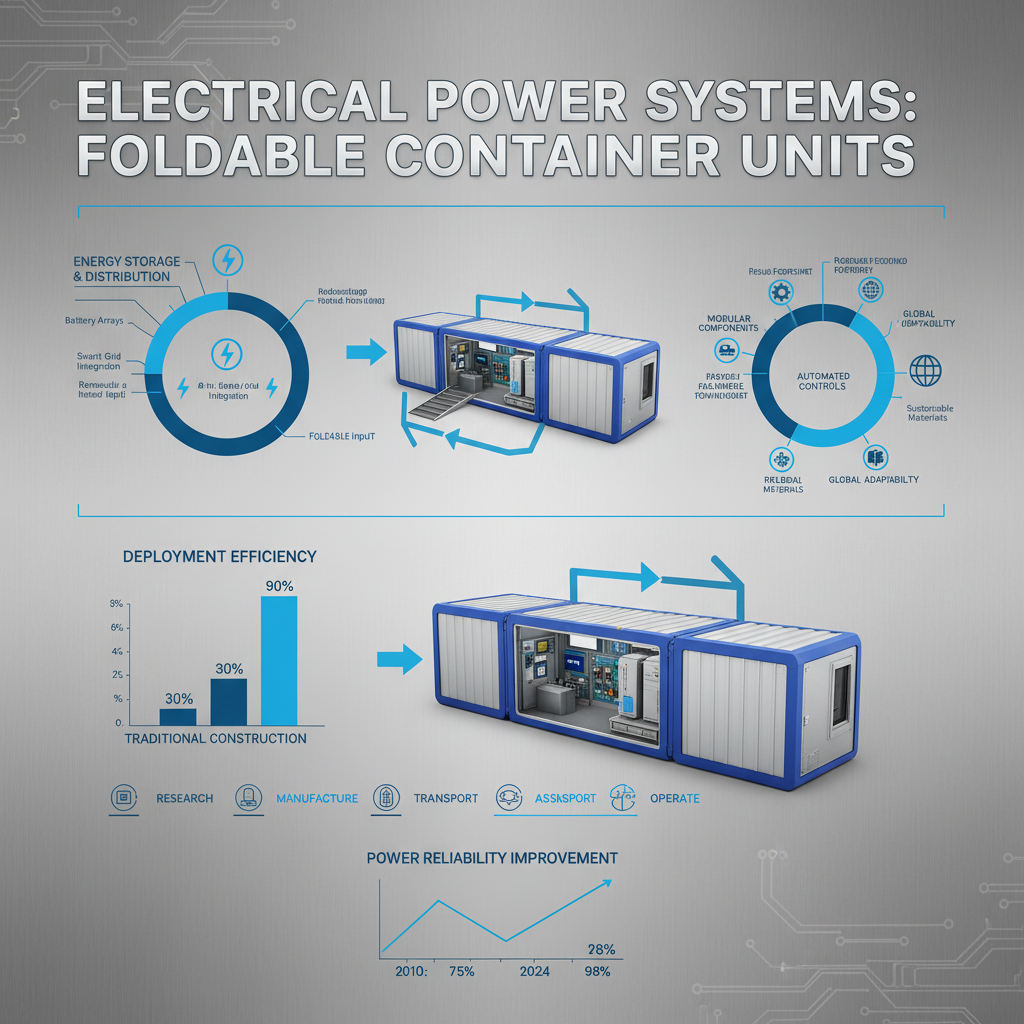
When evaluating the efficiency of a foldable container house, one must consider the ratio of transport volume to usable living space. Traditional modular homes often waste significant volume during shipping. In contrast, the foldable design minimizes dead space, allowing for a dramatic reduction in freight costs and carbon emissions associated with heavy-duty transport.
Furthermore, the speed of assembly is a critical performance metric. While a traditional small home might take weeks to build, a foldable container house can be unfolded and secured in under an hour with a small crew and basic tools. This operational efficiency is what makes them indispensable for rapid-deployment sites.
Efficiency Comparison of Foldable Container House Models
Global Applications and Use Cases
The versatility of the foldable container house allows it to serve diverse roles across various sectors. In post-disaster relief operations, NGOs utilize these units to provide dignified, weather-proof shelter for displaced families, moving beyond the limitations of tents to offer actual walls, roofs, and lockable doors. This transition from "temporary shelter" to "rapid housing" significantly improves the psychological well-being of affected populations.
In remote industrial zones, such as mining camps in Australia or oil rigs in the Middle East, the foldable container house serves as high-quality on-site accommodation. Because these areas often have limited infrastructure, the ability to deliver a pre-wired, pre-plumbed unit that simply needs to be unfolded and connected to power is a massive logistical advantage.
Long-Term Value and Sustainability
The long-term value of investing in a foldable container house lies in its lifecycle sustainability. Unlike traditional temporary structures that are demolished and landfilled after use, these modular units can be folded back down and relocated to a new site. This circular approach to construction reduces the demand for new raw materials and minimizes site disturbance.
From an emotional and social angle, providing a stable, secure home—even a temporary one—restores dignity. The transition to a foldable container house provides a sense of permanence and safety that is often missing in crisis zones. The reliability of the steel structure offers peace of mind against wind, rain, and seismic activity.
Economically, the reduction in labor costs is the most tangible benefit. By shifting the construction process from the field to a controlled factory environment, manufacturers can ensure higher quality control and eliminate the unpredictability of weather-related delays. This makes the foldable container house a low-risk, high-reward investment for large-scale housing projects.
Future Trends in Foldable Structures
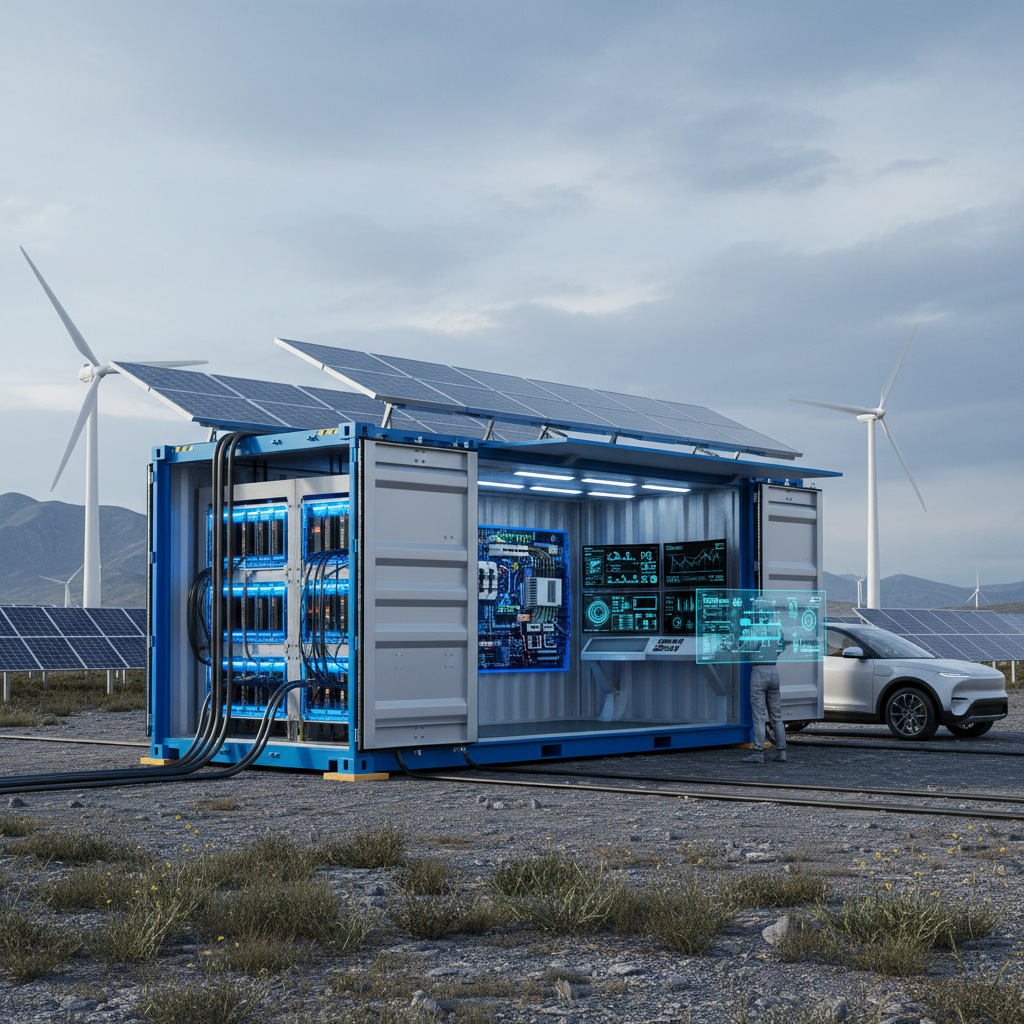
The future of the foldable container house is leaning heavily toward "smart" integration and green energy. We are seeing the emergence of units with integrated solar roof panels and rainwater harvesting systems, allowing these houses to operate entirely off-grid. This transformation turns a simple shelter into a sustainable ecosystem, capable of supporting life in the most isolated regions of the planet.
Digital transformation is also playing a role, with BIM (Building Information Modeling) allowing customers to virtually customize their 20ft or 40ft layouts before production. Automation in the manufacturing process is further driving down costs, making the foldable container house accessible to a wider demographic, including those seeking minimalist "tiny home" lifestyles.
Furthermore, new composite materials are being tested to replace traditional steel in certain components to further reduce weight without sacrificing strength. The goal is a foldable container house that is not only faster to deploy but also virtually maintenance-free for several decades.
Comparative Analysis of Foldable Container House Specifications
| Model Size |
Deployment Time |
Insulation Rating |
Logistics Efficiency |
| 10ft Compact Unit |
15-30 Minutes |
High (EPS) |
Excellent |
| 20ft Standard Unit |
30-60 Minutes |
Very High |
Very High |
| 30ft Expandable Unit |
1-2 Hours |
Customizable |
High |
| 40ft Deluxe Unit |
2-4 Hours |
Premium (Rockwool) |
Medium-High |
| Custom Modular Unit |
Variable |
Industry Lead |
High |
| Emergency Shelter Unit |
10-20 Minutes |
Standard |
Maximum |
FAQS
The primary advantage is the speed of deployment combined with structural durability. While tents are fast to set up, they offer little protection and no security. A foldable container house provides a rigid steel frame, weather-proof insulation, and lockable doors, offering the safety of a permanent building with the mobility of a temporary shelter.
Depending on the maintenance and material grade, these units can last between 15 to 25 years. Using galvanized steel prevents rust in humid or coastal environments, and the modular design allows for easy replacement of specific panels if damage occurs, ensuring the structure remains viable over the long term.
Yes, it is highly eco-friendly due to the reduction in construction waste and the use of recyclable steel. Cost-effectiveness stems from lower transportation costs (flat-packing) and the elimination of expensive on-site labor, making it significantly cheaper per square foot than traditional builds.
NGOs can take advantage of the flat-packed nature of these units to maximize shipping container capacity. Most manufacturers provide all necessary ISO certifications and customs documentation, allowing for streamlined bulk shipping to remote regions via standard freight channels.
Absolutely. The interior of a foldable container house can be outfitted with specialized equipment, such as medical-grade flooring for clinics or built-in desks and networking for offices, without altering the core folding mechanism of the structure.
While a professional team ensures the fastest and safest setup, most foldable units are designed for intuitive assembly. With a small crew of 2-4 people and basic tools, a standard unit can be expanded and secured following the provided manual.
Conclusion
The foldable container house represents a fusion of industrial efficiency and architectural flexibility. By solving the critical tension between speed of deployment and quality of living, these structures have become indispensable in humanitarian aid, remote industrial operations, and the growing movement toward sustainable, minimalist housing. From the technical precision of the folding hinges to the thermal efficiency of the sandwich panels, every element is designed to provide a reliable, scalable, and environmentally responsible alternative to traditional construction.
Looking ahead, the integration of green technology and smart automation will likely make these units not just temporary solutions, but primary choices for permanent living. As the world continues to face housing shortages and climate instability, the ability to deploy high-quality shelter rapidly and sustainably will be the benchmark of success. We encourage you to explore how these modular innovations can meet your specific needs. Visit our website: www.yanchungongxiang.com