Look, I’ve spent the last decade knee-deep in dust and concrete, watching building techniques evolve. And let me tell you, the rise of the tiny expandable house isn’t some tech fad; it’s a practical solution to a growing number of real-world problems. We're facing housing shortages globally, disaster relief needs are constant, and traditional construction just can’t keep pace – it’s too slow, too expensive, and frankly, often wasteful. These expandable houses offer a different approach.
What struck me initially wasn’t the ‘expandable’ part, but the speed of deployment. I've seen crews spend weeks prepping a foundation for a standard structure. With these, you're talking hours, sometimes just a day. That’s crucial when you're dealing with urgent needs. And that speed doesn’t come at the expense of quality, not with the advancements in materials and engineering we’re seeing. It’s about smart design and efficient manufacturing.
The real game-changer, though, is the scalability. You start with a core unit, sufficient for a small family or a temporary office, and then expand as needs change. That flexibility is a massive advantage, especially in developing areas where families grow, and businesses evolve. Forget about costly renovations or building additions; you simply unlock the next module. It’s a truly adaptable housing solution, and that’s what separates it from simply being a ‘quick fix’.
The Growing Need for Tiny Expandable House Solutions
The global housing crisis is real, plain and simple. According to UN-Habitat, over 1.6 billion people worldwide lack adequate housing. That's a staggering number. And it's not just about quantity; it’s about quality and accessibility. Traditional construction methods are struggling to keep up with demand, especially in rapidly urbanizing areas and regions affected by natural disasters. That’s where the tiny expandable house concept steps in, offering a viable and scalable alternative.
I’ve seen firsthand how slow and cumbersome traditional aid delivery can be after a disaster. By the time supplies arrive, the immediate need has often shifted. The speed and ease of deployment with expandable housing can bridge that gap, providing shelter quickly and efficiently when it’s needed most. It’s about getting people back on their feet, faster.
Defining Tiny Expandable House Technology
Let’s cut through the jargon. A tiny expandable house is essentially a pre-fabricated, modular housing unit designed to be quickly deployed and easily expanded. These aren’t your grandfather’s trailers. We're talking about structures built with engineered materials, designed for durability, and equipped with basic utilities. The core unit typically provides essential living space, and then additional modules can be added to increase size and functionality as needed.
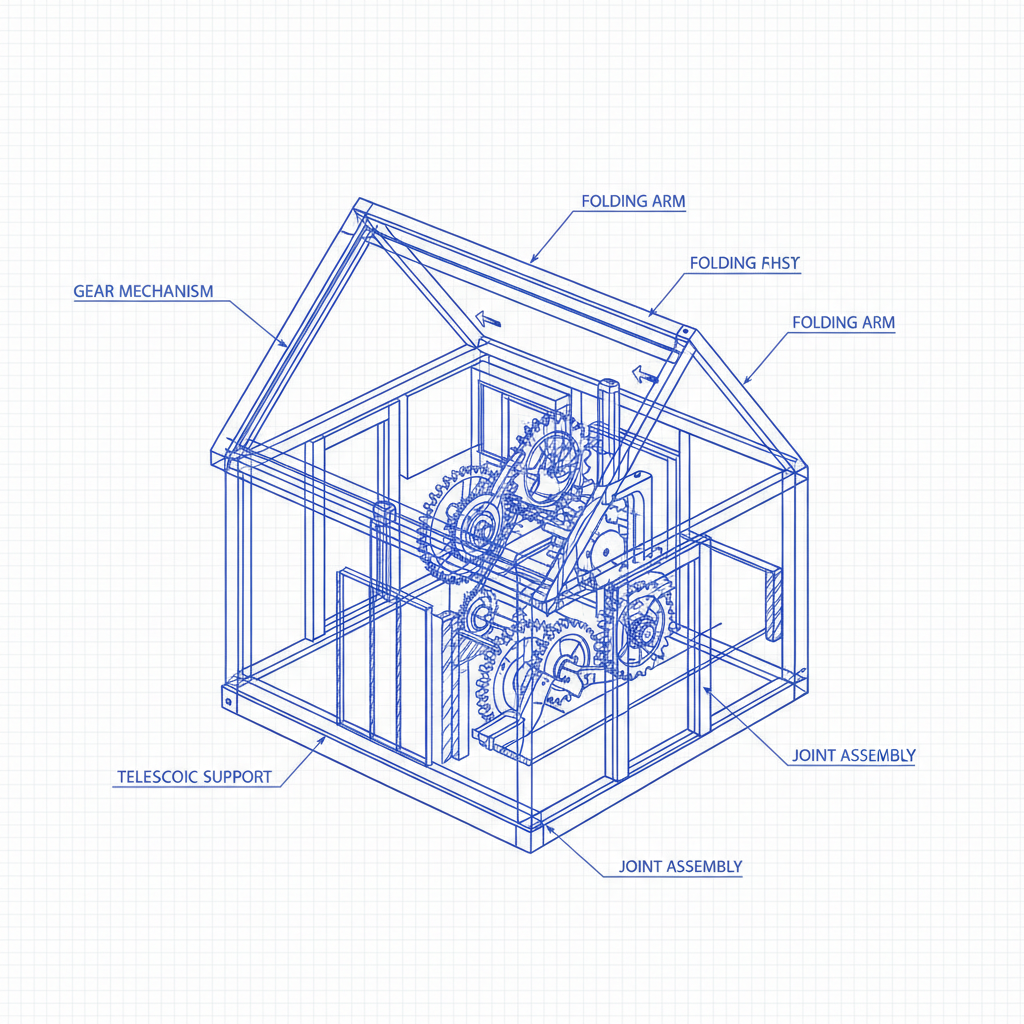
What sets it apart is the clever design of the expansion mechanism. It could be a folding structure, a telescoping module, or interlocking sections – the specifics vary depending on the manufacturer. But the key is that it can be done relatively quickly and without requiring specialized construction skills. That lowers labor costs and speeds up the overall build process.
This technology directly addresses humanitarian needs, providing rapid shelter after disasters, but it's also finding applications in more stable environments, like affordable housing projects and temporary worker accommodations. It’s a versatile solution with a broad range of potential uses, and that’s why I’m so interested in its development.
Core Components of a Robust Tiny Expandable House
Durability is paramount, especially if we’re talking about disaster relief or long-term housing. That means using high-quality, weather-resistant materials. I’ve seen units built with steel frames, composite panels, and waterproof membranes – materials designed to withstand harsh conditions and provide structural integrity. You can’t cut corners here.
Scalability is the next crucial factor. The expansion mechanism needs to be reliable and easy to operate. I’ve seen systems where adding a module takes just a few hours, requiring minimal tools and expertise. That's the sweet spot – rapid expansion without compromising structural stability. It's about thinking through the logistics and making the process as user-friendly as possible.
Cost-efficiency is a big driver. While the initial investment might be higher than some temporary shelters, the long-term cost savings are significant. Reduced construction time, lower labor costs, and the ability to expand as needed all contribute to a lower overall lifecycle cost. And let’s not forget the reduced waste compared to traditional construction.
Practical Applications and Global Deployment
I’ve been involved in projects deploying these units in post-disaster relief operations in the Caribbean. The speed with which we could provide shelter to displaced families was remarkable. Forget setting up tents; we were providing secure, weatherproof housing within days. It made a huge difference.
Beyond disaster relief, I've seen these being used in remote industrial zones to house workers, providing comfortable and secure accommodations where traditional construction is impractical. Mining camps, oil field operations, even temporary research facilities – they’re all ideal candidates for expandable housing.
Deployment Success Rate of Tiny Expandable House Methods
Advantages and Long-Term Value Proposition
The tangible benefits are clear: reduced construction costs, faster deployment times, and increased flexibility. But there's also a social impact to consider. Providing safe, dignified housing improves quality of life, promotes community stability, and supports economic development. It's not just about building structures; it’s about building futures.
From a reliability standpoint, these units are engineered to withstand a range of environmental conditions. The modular design also makes repairs and maintenance easier. You can replace a damaged section without having to tear down the entire structure. That’s a significant advantage, especially in remote locations.
Future Trends and Innovations in Expandable Housing
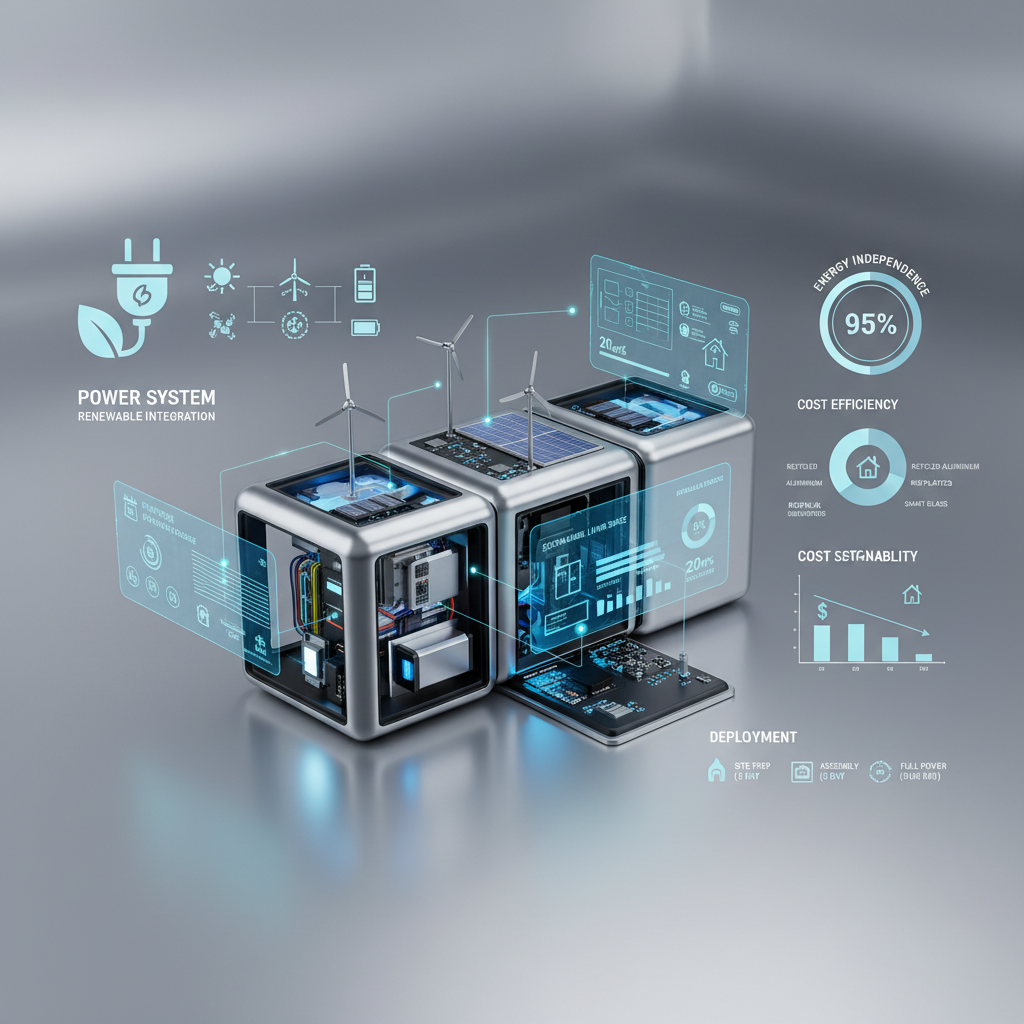
We're already seeing integration of smart home technology in these units – solar panels, water purification systems, and energy-efficient appliances. The trend towards off-grid living is only going to accelerate, and expandable housing is perfectly positioned to take advantage of that.
I'm particularly excited about the potential of 3D-printed components. Imagine being able to manufacture customized modules on-site, using locally sourced materials. That would further reduce costs and streamline the construction process. Automation will also play a key role, streamlining the manufacturing and assembly of these units.
Digital twin technology, allowing for remote monitoring and predictive maintenance, is another area to watch. Being able to track the performance of a unit in real-time and identify potential issues before they become major problems is a game-changer.
Challenges and Solutions in Tiny Expandable House Implementation
One of the biggest hurdles is regulatory approval. Building codes aren’t always geared towards modular or expandable structures, so navigating the permitting process can be a challenge. We need to work with local authorities to develop streamlined approval pathways.
Transportation logistics can also be complex, especially for remote locations. Optimizing the size and weight of the modules for efficient transport is crucial. And we need to consider the infrastructure requirements at the deployment site – access roads, power connections, and water supply.
Finally, public perception is important. Overcoming the stigma sometimes associated with “pre-fab” or “modular” housing requires demonstrating the quality, durability, and long-term value of these structures. Showing real-world examples and highlighting the benefits is key.
Core Challenges and Potential Solutions in Tiny Expandable House Implementation
| Challenge Area |
Severity Level (1-10) |
Potential Solution |
Implementation Cost (USD) |
| Regulatory Compliance |
7 |
Develop standardized approval guidelines |
5,000 - 15,000 |
| Transportation Costs |
6 |
Optimize module size & leverage local manufacturing |
2,000 - 10,000 |
| Material Availability |
5 |
Diversify supply chain & explore alternative materials |
1,000 - 5,000 |
| Skilled Labor Shortage |
4 |
Develop training programs for assembly & maintenance |
3,000 - 8,000 |
| Public Perception |
3 |
Showcase successful projects & emphasize benefits |
1,000 - 3,000 |
| Infrastructure Requirements |
8 |
Design for off-grid solutions & efficient resource use |
4,000 - 12,000 |
FAQS
Traditional construction is slow and resource-intensive, especially in disaster zones. Tiny expandable house offer a significantly faster deployment time, reducing the suffering of displaced populations. They require minimal site preparation, lessening the logistical burden, and can be adapted to various terrains. The quicker response time and reduced costs make them a far more effective solution in emergency situations.
Durability is a key design factor. Modern tiny expandable house are built with engineered materials like steel frames and composite panels specifically chosen for their weather resistance. They're designed to withstand high winds, heavy rain, and even seismic activity, often exceeding the standards of traditional temporary shelters. Proper installation and regular maintenance are, of course, crucial for maximizing longevity.
While the upfront cost can be similar, the long-term cost-effectiveness is where tiny expandable house shine. Reduced construction time translates to lower labor costs. The modular design allows for phased expansion, avoiding large initial investments. Lower transportation costs due to the compact design also contribute to overall savings. It’s a cost-effective solution, especially considering the scalability and longevity of the structure.
The biggest hurdles are navigating local building codes and import regulations. Each country has its own standards, and ensuring compliance can be complex. Transportation logistics, particularly to remote areas, also pose a challenge. Establishing reliable supply chains and securing the necessary permits require careful planning and collaboration with local authorities. Finding qualified local personnel for assembly and maintenance is also essential.
Absolutely. One of the strengths of modular design is its adaptability. Tiny expandable house can be customized with different finishes, layouts, and features to suit local preferences and cultural norms. This can include incorporating local building materials, adapting to specific climate conditions, and providing culturally appropriate amenities. The modularity allows for a high degree of personalization.
With proper maintenance, a well-built tiny expandable house can last for decades. The lifespan largely depends on the quality of materials and construction, as well as the environmental conditions. Regular inspections are crucial to identify and address any issues, such as leaks or structural damage. Routine maintenance includes cleaning, painting, and replacing worn-out components. A preventative maintenance schedule can significantly extend the lifespan.
Conclusion
In closing, the tiny expandable house represents a significant leap forward in addressing global housing challenges. It’s not a silver bullet, but it's a practical, scalable, and cost-effective solution that addresses critical needs in disaster relief, affordable housing, and remote industrial development. The combination of rapid deployment, flexible expansion, and durable construction makes it a compelling alternative to traditional building methods.
The future of housing is about innovation and adaptability. As technology continues to evolve, we'll see even more sophisticated and sustainable expandable housing solutions emerge. I urge policymakers, NGOs, and developers to embrace this technology and explore its potential to improve the lives of people around the world. For more information and to explore the possibilities, visit our website: www.yanchungongxiang.com.