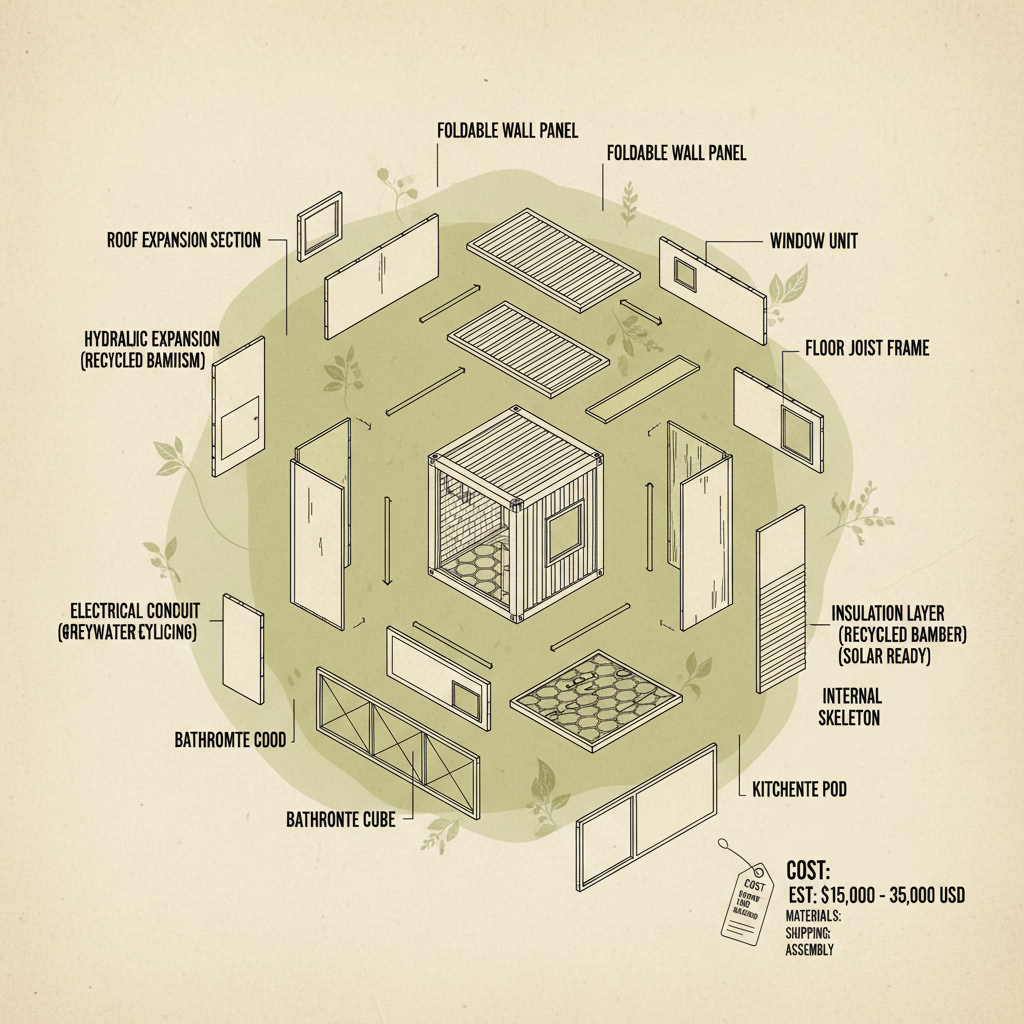
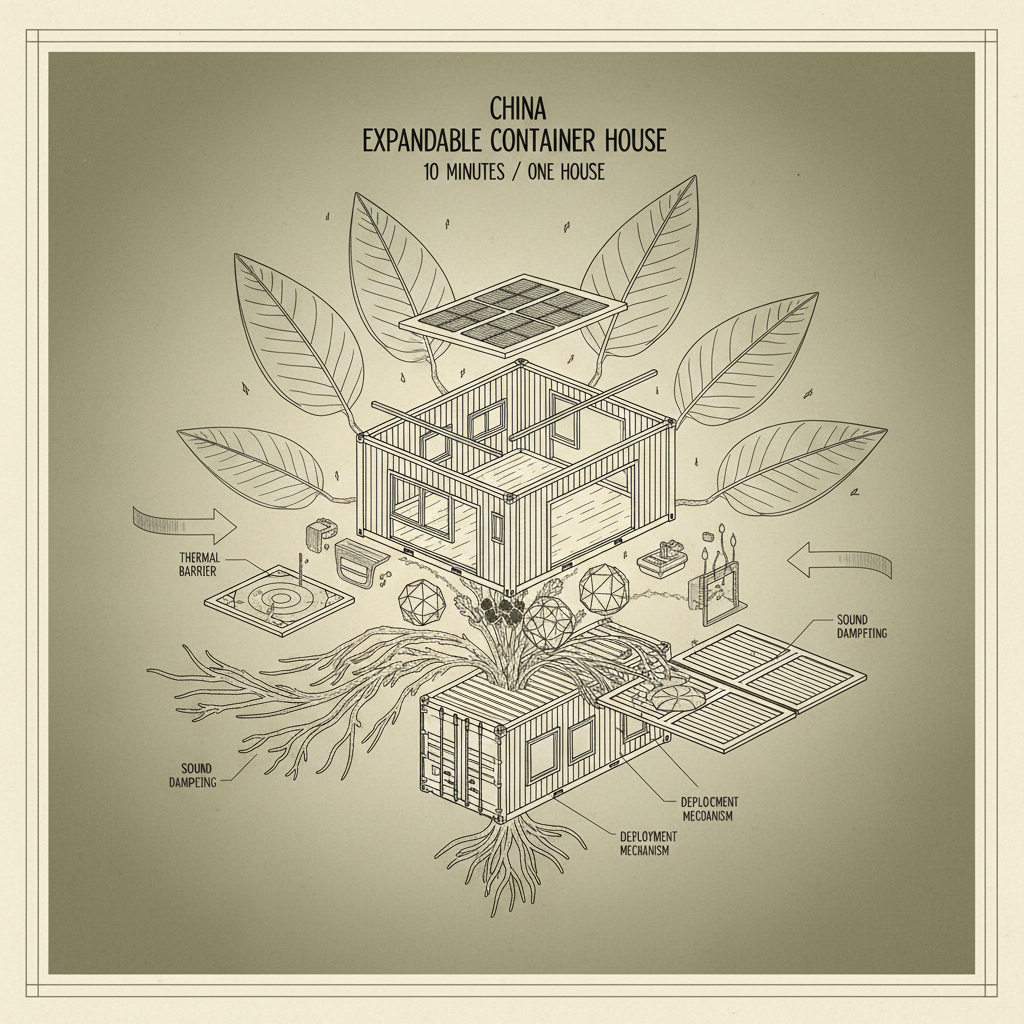
Look, these expandable container houses from China… they’re everywhere now, aren't they? It feels like just yesterday everyone was talking about pre-fab, then modular, and now it’s all about these containers. To be honest, the demand’s exploded. Used to be mostly disaster relief, NGOs, that sort of thing. Now, everyone wants one – camps for workers, temporary offices, even folks trying to build actual homes. The prices have come down, way down, but you still gotta watch yourself. It’s not as simple as picking a price off Alibaba.
What’s driving it? Honestly? Speed. Everyone wants everything yesterday. Traditional construction? Forget about it. Too slow, too expensive, too much hassle. These containers, you can get a basic unit shipped and set up in weeks, sometimes less. And that's a big deal when you need housing fast. Plus, the whole “green building” thing. Reusing containers… it sounds good, right? It’s not always that simple, though. We’ll get to that.
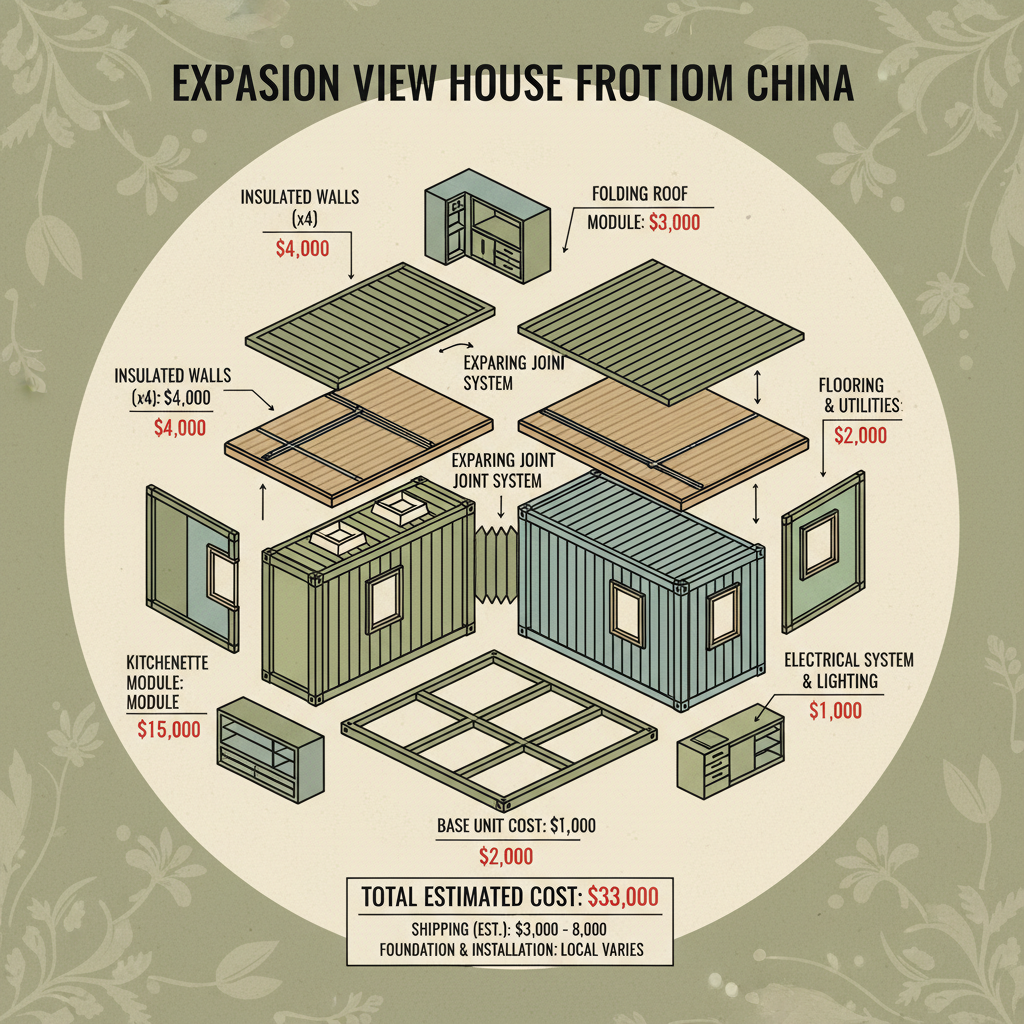
The cost… well, that's the million-dollar question, isn’t it? Or, more realistically, the $5,000 to $50,000 question. Depends on everything. Size, finish, modifications…it adds up fast. I've seen bare-bones units going for under $5k landed, but they're basically steel boxes. You still need foundation work, insulation, plumbing, electric… everything. And the shipping? Don’t even get me started on the shipping costs right now. Crazy.
Introduction to china expandable container house cost
You know, it's funny. Everyone thinks it's just slapping a roof on a box. But it’s… it’s more than that. There’s structural engineering, insulation needs, moisture control… all the same headaches as regular building, only crammed into a steel shell. I encountered this at a factory in Qingdao last time, they were cutting corners on the welding, just to save a few yuan. It's dangerous, and it will bite you later.
What I’ve noticed is that most people don’t factor in the site prep. You can’t just drop a container on the ground. You need a proper foundation, level ground, drainage… all that stuff. And depending on where you are, you’ll need permits, inspections, the whole nine yards. It adds significantly to the china expandable container house cost.
Defining china expandable container house cost
Okay, so what is china expandable container house cost? It’s basically taking a shipping container – the kind you see stacked on ships – and converting it into a habitable structure. They come in different sizes, typically 20ft or 40ft, and you can modify them however you like. Cut openings for doors and windows, add insulation, run plumbing and electric, build multiple levels… the possibilities are pretty endless.
It's really about finding a quicker, cheaper alternative to traditional building methods, especially when you need something temporary or in a remote location. Think construction sites, disaster relief camps, student housing, even pop-up shops. It addresses a real need for flexible, affordable housing and workspace.
But don’t mistake it for a miracle cure. It’s not always the cheapest option, and it’s definitely not always the easiest. You have to do your homework, know what you’re getting into, and be prepared for some challenges.
Key Factors Influencing china expandable container house cost
Durability is a big one. These containers are built to withstand harsh conditions at sea – salt water, storms, you name it. They’re incredibly strong. But, and this is a big but, they rust. You have to properly treat the steel to prevent corrosion. Otherwise, you’re looking at a very short lifespan. And that rust... smells terrible, by the way. Like old pennies and the ocean, a truly awful combination.
Scalability is another key. You can easily connect multiple containers to create larger structures. Stack them, arrange them in different configurations… it’s a surprisingly versatile system. But again, you need proper engineering to ensure everything is structurally sound. You can’t just weld things together and hope for the best. I’ve seen that done, and it’s… not pretty.
Cost efficiency, obviously. This is what drives most people to consider containers in the first place. The base container itself is relatively inexpensive, especially if you can find a used one. But the modifications… that’s where the costs start to climb. Insulation, windows, doors, plumbing, electric… it all adds up. You need to get detailed quotes and factor in all the hidden costs before you make a decision.
Global Applications of china expandable container house cost
Have you noticed they're everywhere in disaster relief? After an earthquake or a hurricane, these containers can be quickly deployed to provide temporary housing, medical clinics, and storage facilities. It's a lifesaver, plain and simple.
But it's not just about emergencies. I've seen them used in remote industrial zones – worker camps for oil rigs, mining operations, that sort of thing. Anywhere you need temporary housing for a large number of people. In post-disaster relief operations, their rapid deployment capabilities are invaluable.
I even saw a small resort in Bali built entirely out of containers. It looked fantastic. A bit quirky, but very cool. They’d painted them bright colors, added rooftop gardens… it was a really creative use of the material.
china expandable container house cost Breakdown
Advantages and Long-Term Value of china expandable container house cost
Look, the biggest advantage is speed. I mean, seriously, you can get a habitable structure up and running in a fraction of the time it takes to build something traditionally. That's huge when time is of the essence. And the cost, while it can creep up, is often lower than conventional construction, especially for smaller projects.
But it's not just about the money. There's a sustainability aspect too. Reusing containers prevents them from ending up in landfills. And, if you design them properly, you can create energy-efficient structures that are comfortable and durable. It offers a blend of cost-effectiveness, rapid deployment, and a degree of environmental responsibility.
Future Trends in china expandable container house cost
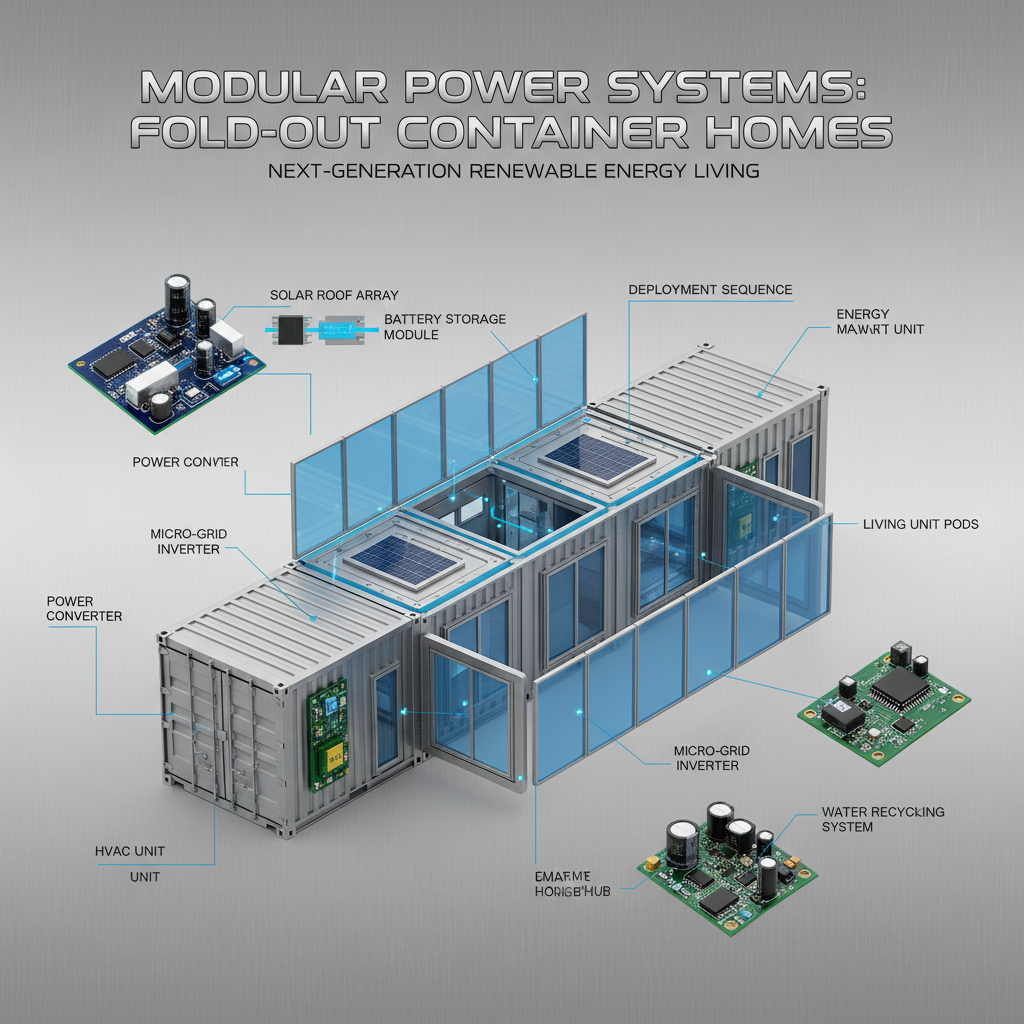
I'm seeing a lot of interest in integrating smart home technology into these containers. Solar panels, automated lighting, smart thermostats… the works. It’s all about making them more comfortable and energy-efficient. Strangely, some folks are even trying to build multi-story container buildings, which is… ambitious, to say the least.
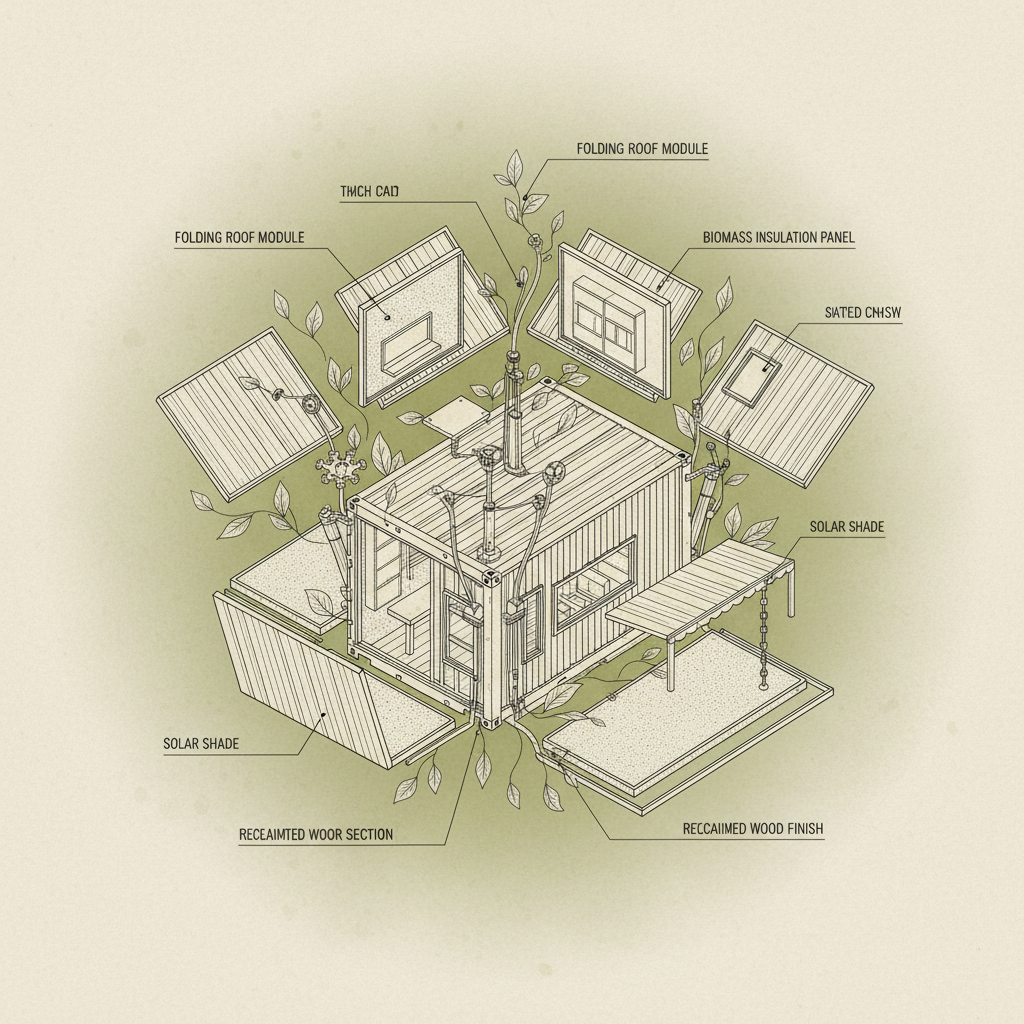
And there’s a push towards more sustainable materials. Using recycled insulation, low-VOC paints, and eco-friendly flooring. It's a good thing, too. Because let’s be honest, some of the materials used in these containers can be pretty harsh on the environment.
Challenges and Solutions Related to china expandable container house cost
The biggest challenge, in my opinion, is quality control. You’re relying on manufacturers in China, and sometimes the quality just isn't there. I’ve seen containers with poorly done welding, rust spots, and inadequate insulation. You really need to inspect everything carefully before you buy it.
Another challenge is transportation. Shipping containers can be expensive, and getting them to your site can be a logistical nightmare. You need to factor in these costs when you’re calculating the overall china expandable container house cost. The solution? Find a reputable supplier who can handle the logistics for you. And always, always get a third-party inspection.
And let me tell you about this guy, last month, a small boss in Shenzhen who makes smart home devices insisted on changing the interface to . Said it was “more modern.” He’d already ordered 50 containers with USB-A ports! Cost him a fortune to re-wire everything. Anyway, I think it’s important to be flexible, but not at the expense of common sense.
Key Considerations for Container Housing Selection
| Container Condition |
Insulation Type |
Shipping Costs |
Local Regulations |
| New (One Trip) |
Spray Foam |
$2,500 - $5,000 |
Strict permitting required |
| Used (Cargo Worthy) |
Mineral Wool |
$1,800 - $3,500 |
Moderate permitting process |
| Refurbished |
Rockwool |
$1,200 - $2,800 |
Minimal permitting |
| As-Is |
Fiberglass |
$800 - $2,000 |
Limited building restrictions |
| High Cube |
Polystyrene |
$2,200 - $4,200 |
Varies significantly by location |
| Open Side |
Recycled Denim |
$1,500 - $3,000 |
Often requires structural engineering review |
FAQS
Several things push up the price. Modifications like cutting openings for windows and doors, insulation, plumbing, electrical work, and the foundation are significant costs. Shipping, especially right now, is a killer. And don’t forget permits and inspections. It’s almost never just the price of the container itself. You're looking at a total project cost, not just a box.
The steel grade is crucial. Corten steel, for example, is designed to rust in a way that actually protects the underlying metal. It’s more expensive upfront, but it will last much longer. Cheaper steels will corrode quickly if not properly treated. You're paying for durability, and skimping on the steel will bite you later.
Permitting varies wildly depending on your location. Some areas treat them like regular buildings, requiring full inspections for structural integrity, electrical, and plumbing. Others have specific container housing codes. It’s crucial to check with your local building department before you start any work. Don’t just assume you can drop a container on a piece of land and be done with it.
Generally, containers can be cheaper, especially for smaller projects. But it’s not always a guaranteed savings. Modifications and site prep can quickly eat into those savings. Traditional building offers more flexibility in design, but it’s significantly slower and often more expensive, particularly with labor costs. It really depends on the specifics of your project.
Absolutely. That’s one of the biggest advantages. You can cut, weld, paint, insulate, and customize them to your heart’s content. One client of mine wanted a container house with a green roof and a full kitchen. It wasn’t cheap, but we made it happen. You're limited only by your imagination, and your budget, of course.
Using containers is inherently more sustainable than building from scratch, as it reuses an existing structure. However, the manufacturing and transportation of the container, and the materials used for modifications, still have an environmental impact. Opting for eco-friendly insulation and paints can help mitigate this. Properly treating the steel to prevent rust is also important, as corrosion releases harmful chemicals.
Conclusion
Ultimately, china expandable container house cost offers a compelling alternative to traditional construction – speed, affordability, and sustainability. But it's not a silver bullet. There are challenges to overcome, quality control issues to address, and permitting hurdles to navigate.
But let me tell you something – whether this thing works or not, the worker will know the moment he tightens the screw. If it feels solid, if it's level, if it's built right… that's when you know you've got something good. Visit our website for more information: www.yanchungongxiang.com