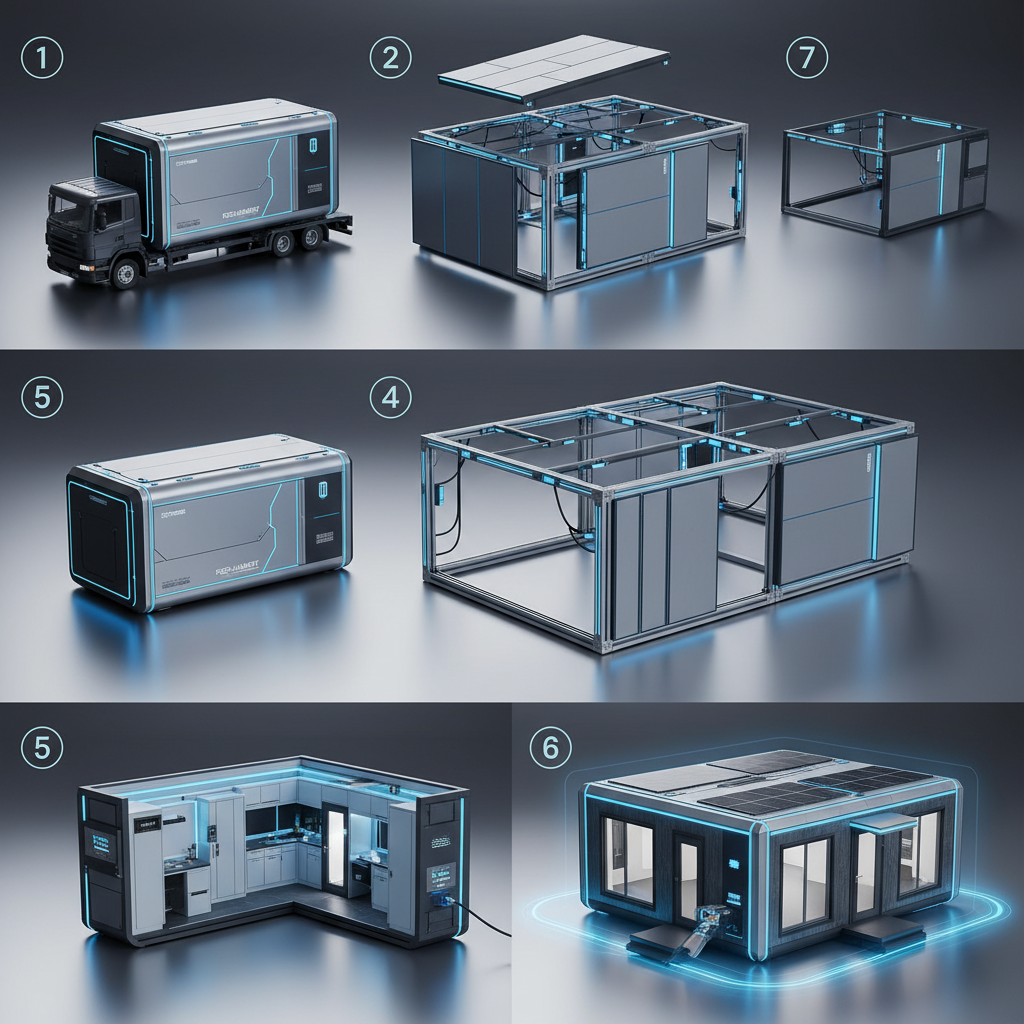
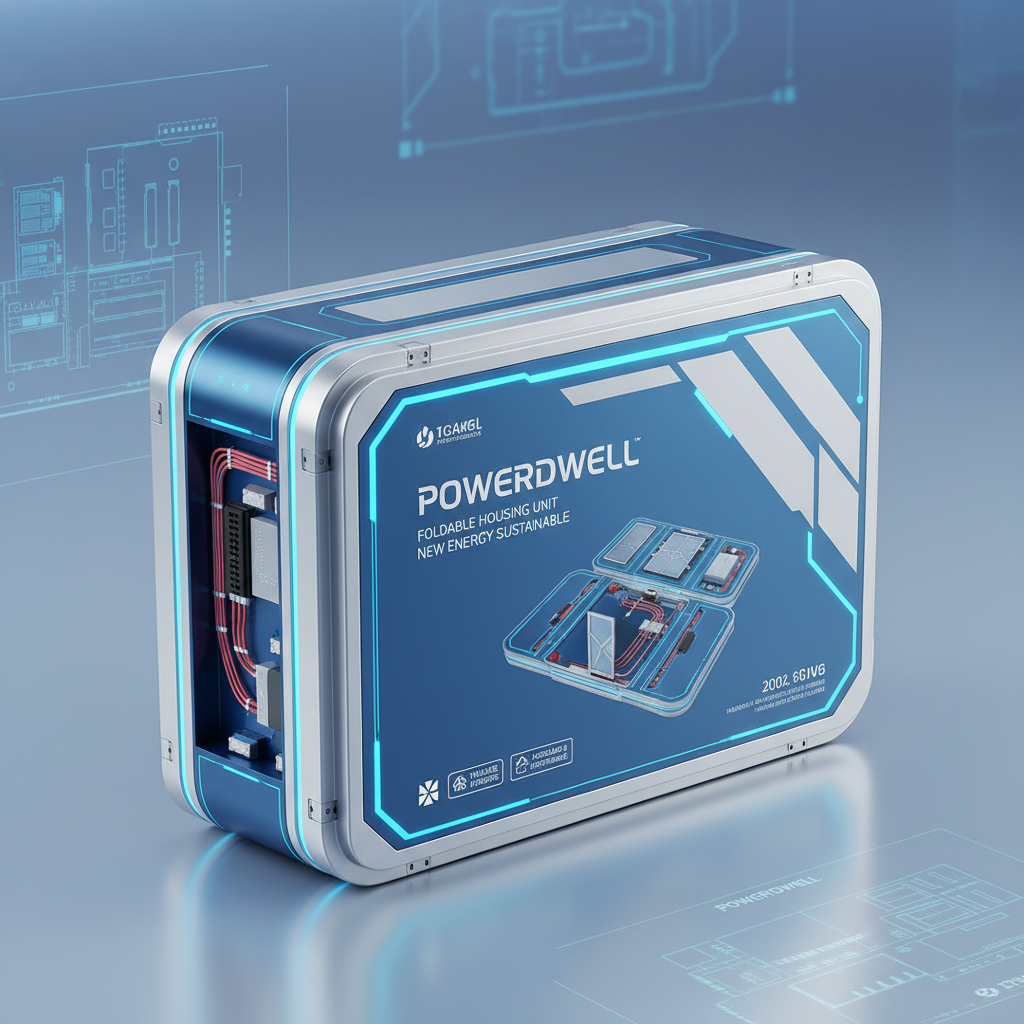
Fold out container homes from china are rapidly gaining prominence as a versatile and efficient housing solution, addressing diverse needs from disaster relief to affordable housing initiatives. These innovative structures, built using repurposed shipping containers, offer a compelling alternative to traditional construction methods, particularly in areas demanding rapid deployment and cost-effectiveness. The demand for sustainable and adaptable living spaces is fueling the growth of this sector, positioning China as a key global exporter of these unique homes.
The increasing global population, coupled with the challenges of urbanization and climate change, necessitates innovative and sustainable housing solutions. Fold out container homes from china directly address these concerns by offering a quick, cost-effective, and environmentally conscious building alternative. Their modular design facilitates scalability and adaptability, making them suitable for a wide range of applications, from individual dwellings to large-scale housing projects.
Understanding the nuances of fold out container homes from china – their construction, benefits, limitations, and future potential – is crucial for professionals in architecture, construction, disaster management, and affordable housing. This knowledge empowers informed decision-making and facilitates the effective implementation of these innovative housing solutions globally.
Introduction: Global or Industry Context
The global housing crisis, exacerbated by rapid urbanization and increasing population density, demands innovative and sustainable solutions. Fold out container homes from china have emerged as a viable option, gaining traction in various sectors, from disaster relief to affordable housing programs. According to UN Habitat, over 1.6 billion people worldwide lack adequate housing – a statistic that underscores the urgent need for efficient and accessible housing solutions. These homes offer a quicker, more economical, and environmentally friendly alternative to traditional construction.
China has become a leading manufacturer and exporter of these container homes, leveraging its established steel industry and manufacturing capabilities. The ISO standards governing container construction ensure structural integrity and facilitate global transport. The World Bank estimates that the cost of building materials accounts for a significant portion of housing costs, making the repurposing of shipping containers an economically attractive proposition. Furthermore, the modular nature of these homes allows for rapid deployment in emergency situations, a crucial advantage in disaster-prone regions.
The rising interest in sustainable building practices further fuels the adoption of fold out container homes from china. Their inherent recyclability and reduced construction waste contribute to a smaller environmental footprint compared to conventional building methods. This aligns with global efforts to mitigate climate change and promote sustainable development goals. Consequently, the demand for these homes is projected to grow significantly in the coming years.
Definition & Meaning
Fold out container homes from china refer to dwelling structures constructed from repurposed shipping containers, modified and expanded to create habitable living spaces. These containers, typically 20 or 40 feet in length, are structurally robust and readily available, making them an attractive base for affordable and sustainable housing. The "fold out" aspect refers to the architectural designs incorporating expanding sections or modules, increasing the living area beyond the container's original dimensions.
The connection to modern industry lies in the optimization of existing resources. Millions of shipping containers are retired annually, creating a surplus of durable steel structures. Repurposing these containers avoids the environmental impact of steel production and reduces construction waste. This aligns with the principles of circular economy and sustainable manufacturing.
In the context of humanitarian needs, fold out container homes from china provide a rapid and effective solution for emergency shelter and long-term housing in disaster-affected areas. Their portability and quick assembly time make them ideal for providing immediate relief and supporting reconstruction efforts. They offer a more dignified and secure living environment compared to traditional tents or temporary shelters.
Key Factors or Core Components
Durability: Shipping containers are designed to withstand harsh marine environments and heavy loads. This inherent strength translates into a durable and long-lasting housing structure, resistant to extreme weather conditions. The steel construction provides protection against fire, pests, and structural damage.
Scalability: The modular design of fold out container homes from china allows for easy expansion and customization. Multiple containers can be combined to create larger living spaces, and the "fold out" modules further enhance scalability. This adaptability makes them suitable for diverse housing needs, from single-family homes to multi-unit dwellings.
Cost Efficiency: Repurposing shipping containers significantly reduces construction costs compared to traditional building methods. The primary structure is already in place, minimizing the need for extensive framing and foundation work. Furthermore, faster construction times translate into lower labor costs.
Portability: The containerized nature of these homes allows for easy transportation and relocation. They can be shipped to remote locations or moved as needed, making them ideal for temporary housing or mobile facilities.
Sustainability: Utilizing recycled shipping containers reduces waste and minimizes the environmental impact of construction. The use of durable materials and energy-efficient designs further enhances their sustainability credentials.
Design Flexibility: While starting with a standardized container shape, the "fold out" functionality and customization options allow for creative and unique architectural designs, offering a blend of practicality and aesthetic appeal.
Global Applications & Use Cases
Fold out container homes from china are finding diverse applications across the globe. In post-disaster relief operations, they provide immediate shelter for displaced populations, offering a safe and secure environment. Organizations like the Red Cross and various NGOs have utilized these homes in response to earthquakes, hurricanes, and other natural disasters.
In remote industrial zones, such as mining camps and oil fields, they serve as comfortable and convenient accommodation for workers. Their portability and rapid deployment capabilities make them ideal for establishing temporary or semi-permanent housing solutions in challenging locations.
Increasingly, they are being adopted as affordable housing solutions in urban areas, particularly for students, young professionals, and low-income families. Innovative developers are creating container home communities, offering a sustainable and cost-effective alternative to traditional apartments and houses. Examples include pilot projects in the Netherlands and the United States.
Cost Comparison of Fold out Container Homes from china vs. Traditional Methods
Advantages & Long-Term Value
The advantages of fold out container homes from china extend beyond initial cost savings. The robust construction ensures longevity and reduces maintenance requirements, resulting in long-term financial benefits. Furthermore, their inherent recyclability contributes to a circular economy and minimizes environmental impact, enhancing their sustainability profile.
From a social impact perspective, these homes provide a dignified and secure living environment, particularly for vulnerable populations. Their rapid deployment capabilities address immediate housing needs in disaster situations, restoring stability and hope to affected communities. This fosters a sense of trust and resilience.
The innovative design and construction techniques employed in fold out container homes from china represent a significant step forward in the housing industry. They demonstrate a commitment to sustainability, efficiency, and affordability, paving the way for a more equitable and environmentally responsible future.
Future Trends & Innovations
The future of fold out container homes from china lies in the integration of smart technologies and sustainable materials. Research and development are focused on incorporating solar panels, rainwater harvesting systems, and energy-efficient insulation to create self-sufficient and environmentally friendly living spaces.
Automation and robotics are also playing an increasing role in the manufacturing and assembly of these homes, further reducing construction time and costs. Digital twin technology allows for virtual modeling and optimization of designs, ensuring structural integrity and maximizing energy efficiency.
Challenges & Solutions
Despite their numerous advantages, fold out container homes from china face certain challenges. Thermal insulation can be a concern, as steel containers are prone to heat gain and loss. However, this can be addressed through the use of spray foam insulation, external cladding, and strategic ventilation.
Permitting and building codes can also pose obstacles, as regulations often lag behind innovative construction methods. Working closely with local authorities and demonstrating compliance with safety standards is crucial. Standardized certification programs can help streamline the approval process.
Concerns about the aesthetic appeal of container homes can be overcome through creative design and architectural detailing. Exterior cladding, landscaping, and personalized interior finishes can transform these structures into attractive and welcoming living spaces.
Challenges and Solutions for Fold out Container Homes from china
| Challenge |
Impact on Project |
Proposed Solution |
Implementation Cost (1-10) |
| Thermal Insulation |
Increased energy consumption, discomfort |
Spray foam insulation, exterior cladding |
6 |
| Building Code Compliance |
Project delays, rejection of permits |
Early consultation with authorities, standardized certification |
7 |
| Corrosion Prevention |
Structural weakening, reduced lifespan |
Protective coatings, regular maintenance |
5 |
| Interior Space Constraints |
Limited living area, claustrophobia |
Fold-out modules, open floor plans, strategic furniture placement |
4 |
| Transportation Costs |
Increased overall project expense |
Strategic sourcing, optimized logistics |
3 |
| Public Perception |
Resistance to acceptance, aesthetic concerns |
Showcase successful projects, emphasize sustainability |
2 |
FAQS
Fold out container homes from china offer significant advantages including faster construction times, lower costs, enhanced portability, and reduced environmental impact. Their modular design allows for scalability and customization, while the inherent durability of shipping containers ensures a long lifespan. They are particularly well-suited for disaster relief, affordable housing, and remote site accommodations.
With proper maintenance and protective coatings, a fold out container home from china can last for decades, comparable to or even exceeding the lifespan of traditionally built homes. The steel structure is inherently resistant to pests and fire, and the containers are designed to withstand harsh weather conditions. Regular inspections and repairs are essential to prevent corrosion and maintain structural integrity.
Yes, fold out container homes from china are generally considered eco-friendly due to the repurposing of existing materials, reducing construction waste, and minimizing the demand for new resources. They are also cost-effective, primarily due to reduced material and labor costs, and faster construction timelines. However, factors like insulation and transportation can influence the overall environmental impact and cost.
NGOs importing fold out container homes from china need to comply with international trade regulations, customs procedures, and local building codes in the destination country. This involves obtaining necessary permits, paying import duties, and ensuring the homes meet safety standards. Working with a reputable logistics provider and a qualified importer can streamline the process.
The type of foundation required depends on the soil conditions and the intended use of the home. Common foundation options include concrete slabs, piers, and helical piles. A proper foundation is crucial to ensure stability and prevent settling. Consulting with a structural engineer is recommended to determine the most appropriate foundation for a specific site.
Shipping containers require several modifications to make them habitable, including cutting openings for doors and windows, adding insulation, installing plumbing and electrical systems, and reinforcing the structure as needed. Proper ventilation is also essential to prevent condensation and maintain air quality. The extent of modifications will vary depending on the desired level of comfort and functionality.
Conclusion
Fold out container homes from china represent a transformative approach to housing, offering a compelling combination of affordability, sustainability, and rapid deployability. Their versatility makes them suitable for a wide range of applications, from addressing the global housing crisis to providing emergency shelter and innovative living solutions. The inherent strength and modularity of shipping containers, combined with clever design and technological advancements, position these homes as a significant force in the future of construction.
Looking ahead, continued innovation in materials, insulation, and smart home technologies will further enhance the appeal and functionality of fold out container homes from china. Collaboration between manufacturers, architects, and policymakers is crucial to overcome regulatory hurdles and promote wider adoption. By embracing these innovative solutions, we can create a more sustainable and equitable housing future for all. Visit our website to learn more: fold out container homes from china.