
1P52S&1P104S Liquid-Cooled Energy Storage Pack - High Safety
Field Notes on a Quiet Workhorse: 1P52S&1P104S Liquid-Cooled Energy Storage Pack
I’ve been watching liquid-cooled battery packs go from niche to default in commercial storage. This one, built in 4th Floor, Yanhua Building, Jianshe North Street, Qiaodong District, Shijiazhuang City, Hebei Province, China, is a good example of why: it leans into safety, tight thermal control, and real-world durability. Many customers tell me they’re done with thermal drift and fan noise; liquid systems just run steadier, especially outdoors.
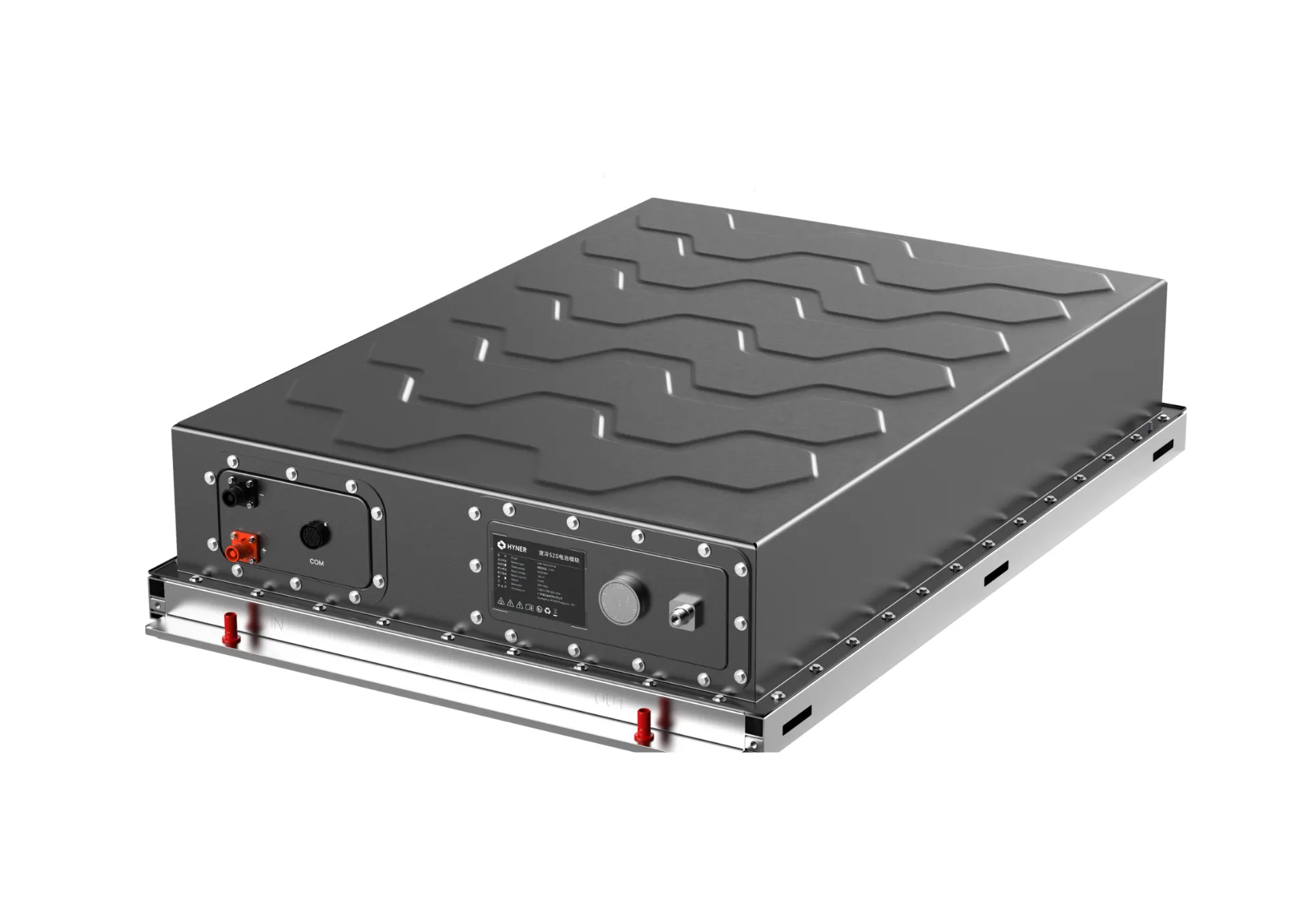
Why liquid cooling, and why now?
Data centers, EV fast-charging hubs, and solar-plus-storage sites are pushing higher C-rates and denser footprints. Air-cooling struggles above 35–40°C ambient; liquid loops hold cell ΔT to a few degrees, which keeps LFP chemistry happier and extends cycle life. The 1P52S&1P104S Liquid-Cooled Energy Storage Pack sits right in that sweet spot—industrial without being overengineered.
Core specs at a glance
| Parameter | 1P52S (LFP) | 1P104S (LFP) |
|---|---|---|
| Nominal voltage | ≈ 166.4 V (52 × 3.2 V) | ≈ 332.8 V (104 × 3.2 V) |
| Energy (typical) | ≈ 35–55 kWh (cell 210–314 Ah) | ≈ 70–110 kWh (cell 210–314 Ah) |
| Cooling | Liquid loop, plate cooling; 30–40% glycol-water; ΔT in pack ≤ 5–8°C at 0.5C (lab), real-world may vary | |
| Operating temperature | Charge: 0–55°C; Discharge: -20–55°C (with pre-heat) | |
| Protection/BMS | OCP, OVP/UVP, OTP, active/passive balancing, CAN/RS485/Modbus | |
| Certifications (typical) | UN 38.3 transport tested; designed to meet IEC 62619, UL 1973; fire testing per UL 9540A at system level [1][2][3] | |
Manufacturing and reliability (quick tour)
Materials: high-energy-density LFP prismatic cells, aluminum liquid-cooling plates, flame-retardant enclosure, silicone thermal pads, automotive-grade wiring and connectors.
Methods: laser tab welding; torque-controlled busbar assembly; helium or pressure decay leak testing on coolant loop; conformal coating on PCBs; enclosure sealing to IP55–IP65 (project-specific).
Testing standards: cell/pack characterization at 0.5C–1C; capacity retention >80% after ≈6000–8000 cycles @ 25°C, 80% DoD (typical LFP); functional tests for BMS comms; HV isolation ≥ 500 V DC per IEC guidance. Service life often quoted 10–15 years in C&I duty, longer in milder climates.
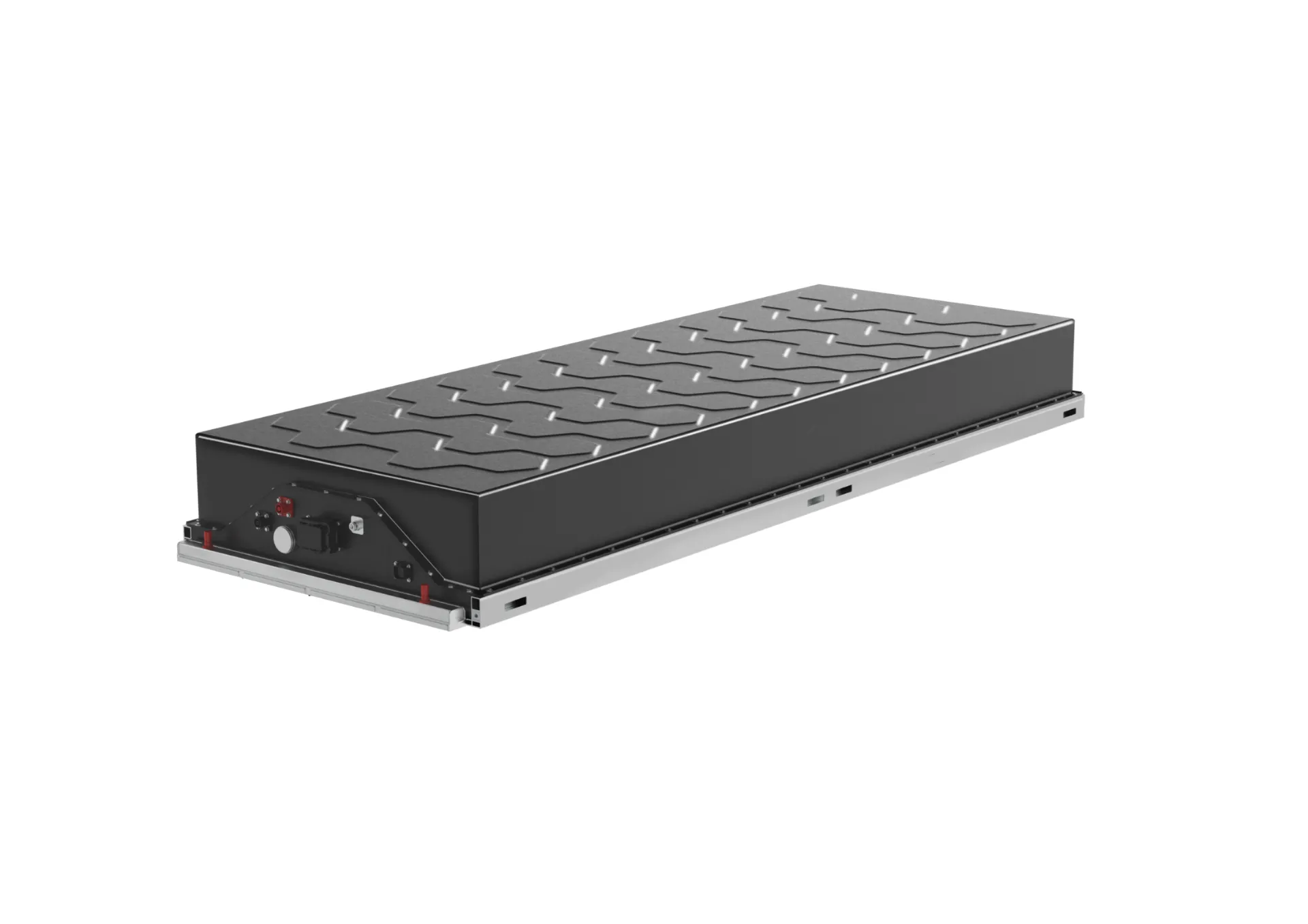
Where it fits
- Commercial peak shaving and tariff arbitrage
- Solar-plus-storage microgrids (rooftop or ground-mount)
- EV fast-charging buffer batteries
- Data center edge sites and telecom shelters
- Industrial UPS and process continuity
Real-world notes and customer feedback
In a Hebei industrial park, a cluster of four 1P52S&1P104S Liquid-Cooled Energy Storage Pack units paired with 800 kW PV cut summer demand charges by ≈18% (utility bills tell the story). A facilities manager told me, “Noise dropped, alarms dropped; maintenance is mainly coolant checks.” Another integrator liked the tight cell temperature spread—“We saw 4–6°C ΔT at 0.6C discharge on a 36°C day.” Anecdotal, yes, but consistent with lab data.
Vendor landscape (quick comparison)
| Vendor | Cooling | Certs (typical) | Cycle life (claim) | Lead time |
|---|---|---|---|---|
| This product | Liquid plates | UN38.3, IEC 62619/UL 1973 design basis, UL 9540A (system) | ≈6000–8000 @80% DoD | Around 6–10 weeks |
| Vendor A (air-cooled) | Forced air | UN38.3, IEC 62619 | ≈4000–6000 | 4–8 weeks |
| Vendor B (liquid) | Liquid + chiller | UN38.3, UL 1973, UL 9540A | ≈6000–9000 | 10–14 weeks |
Customization and integration
Options usually include cell Ah selection, coolant type (freeze point), CAN mapping to inverters (Sungrow, SMA, Huawei, etc.), enclosure IP rating, fire detection ports, and rack stacking. For grid-tied systems, spec it alongside containerized PCS and ensure site-level UL 9540A test data aligns with local AHJ requirements—saves time later.
Citations
- IEC 62619: Secondary lithium cells and batteries for industrial applications – Safety requirements. https://webstore.iec.ch/publication/26246
- UL 1973: Batteries for Use in Stationary and Motive Auxiliary Power Applications. https://standardscatalog.ul.com/standards/en/standard_1973
- UN Manual of Tests and Criteria, Part III, Sub-section 38.3 (UN 38.3). https://unece.org/transport/documents/2021/10/standards/manual-tests-and-criteria