
1P52S&1P104S Liquid-Cooled Energy Storage Pack – Safe, Dense
Field Notes on a Quietly Powerful Workhorse: 1P52S&1P104S Liquid-Cooled Energy Storage Pack
If you’ve been tracking the storage market, you’ll know the conversation is shifting from “How many kilowatt-hours?” to “How well does it behave in the wild?” That’s where the 1P52S&1P104S Liquid-Cooled Energy Storage Pack slots in: LFP chemistry for safety, liquid cooling for tight thermal control, and a design aimed squarely at commercial, industrial, and grid-edge deployments. To be honest, the quiet bit is what operators mention first—consistent performance without thermal surprises.
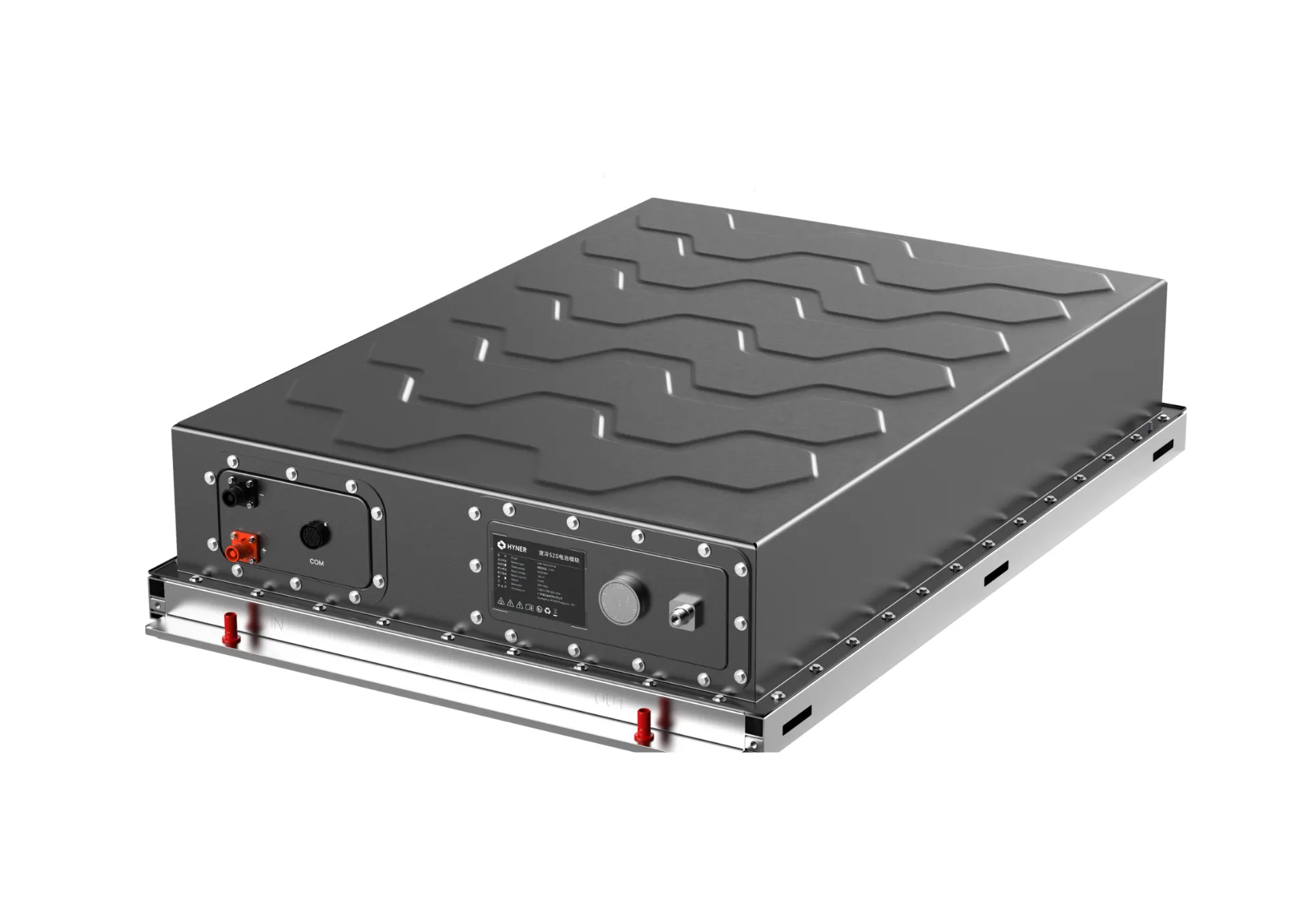
Why liquid cooling, and why now?
Air-cooled racks are fine until they aren’t. As power density rises and sites get hotter (hello, rooftop and desert containers), temperature uniformity becomes mission-critical. Liquid loops—typically a glycol-water mix—pull heat precisely where it forms. In fact, many customers say they see fewer cell-to-cell imbalances and steadier round-trip efficiency over summer peaks. It seems that’s the difference between a project that just runs and one that prints predictable returns.
Quick specs at a glance
| Parameter | 1P52S (LFP) | 1P104S (LFP) |
|---|---|---|
| Nominal voltage | ≈166.4 V | ≈332.8 V |
| Voltage range (typ.) | 140–187 V | 280–374 V |
| Capacity options | 100–280 Ah (1P) | 100–280 Ah (1P) |
| Energy (approx.) | 16.6–46.6 kWh | 33.2–93.2 kWh |
| Cooling | Liquid loop, 30–40% glycol; ΔT ≈3–5°C at 0.5C | |
| Round-trip efficiency | ≈94–97% (system-level, real-world use may vary) | |
| Operating temp. | -20–55°C (charge 0–45°C recommended) | |
| Ingress rating | IP55 standard; IP65 optional enclosure | |
| Cycle life | ≥6,000 cycles @80% DoD, 25°C (project design dependent) | |
| BMS & comms | BMS with HV contactors, pre-charge, HVIL; CAN 2.0B / RS485 / Modbus TCP | |
Materials, build methods, and testing
Under the hood: LFP prismatic cells, 6061 aluminum cold plates, laser-welded busbars, and an ethylene-glycol coolant loop with leak-tested manifolds. Pressure and leak tests follow IEC 62619 guidance; pack vibration checked per IEC 60068-2; and transport tested to UN 38.3. Fire detection with thermal/voltage anomaly triggers and an interface for site-level suppression; UL 9540A methodologies inform the pack-level propagation assessment (design target: no external flame and controlled venting). Service life is targeted at 10–15 years with proper thermal management.
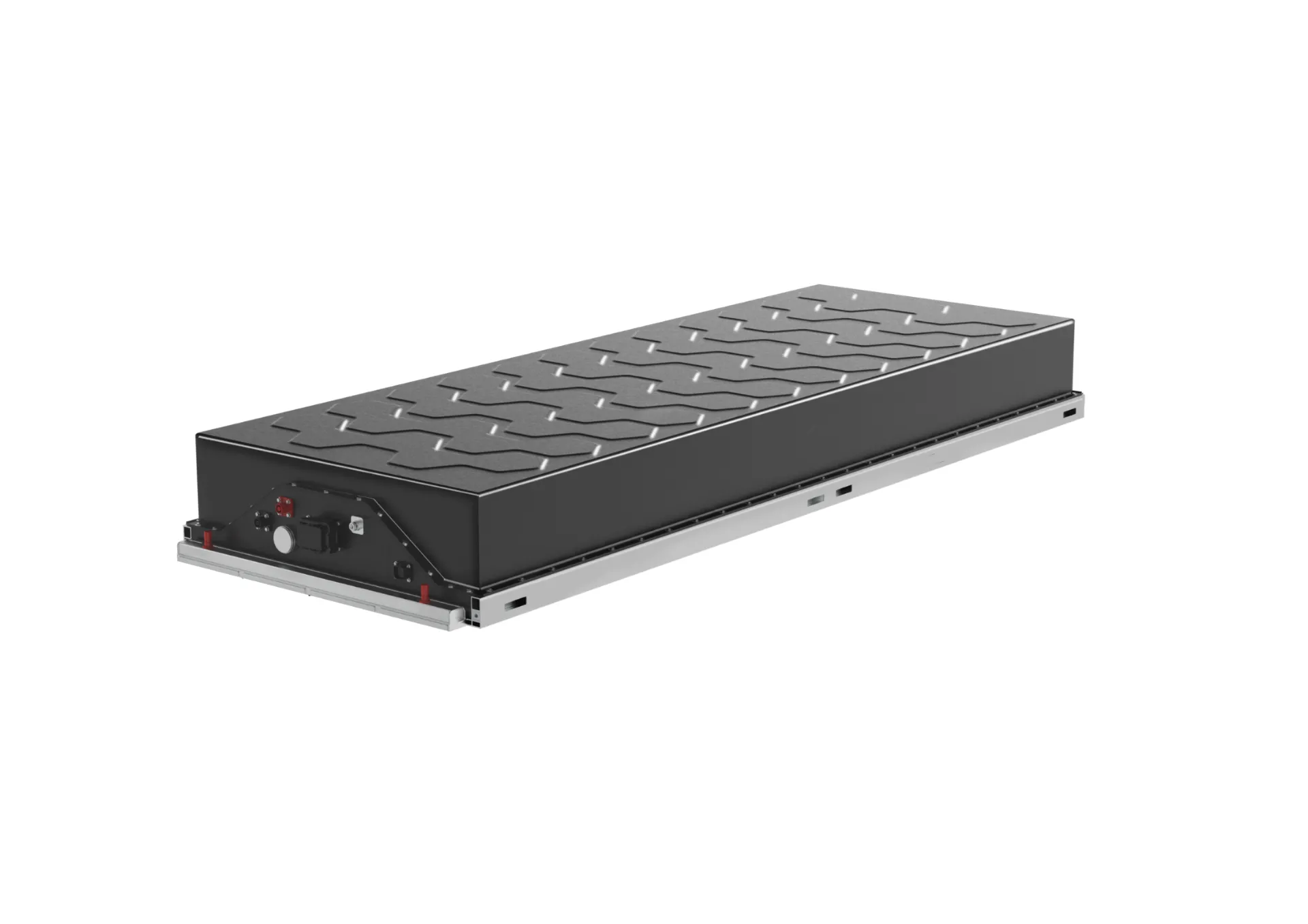
Where it gets deployed
- Commercial & industrial peak shaving and demand response
- Microgrids, islands, and mining sites with harsh environments
- EV fast-charging buffers to shave feeder peaks
- Data centers and telecom hubs needing tight thermal control
Origin: 4th Floor, Yanhua Building, Jianshe North Street, Qiaodong District, Shijiazhuang City, Hebei Province, China.
Vendor comparison (summary from field projects)
| Vendor | Cooling | Temp uniformity (ΔT) | Efficiency | Certs (target) | Lead time |
|---|---|---|---|---|---|
| YanChun 1P52S&1P104S Liquid-Cooled Energy Storage Pack | Liquid | ≈3–5°C | 94–97% | IEC 62619, UN 38.3; UL 9540A methodology | 6–10 weeks (config-dependent) |
| Vendor A (air-cooled) | Air | ≈7–12°C | 92–95% | UN 38.3; partial IEC | 8–14 weeks |
| Vendor B (generic liquid) | Liquid | ≈4–8°C | 93–96% | IEC 62619, UN 38.3 | 10–16 weeks |
Customization and integration
Options include capacity (Ah class), enclosure rating, coolant composition, EMS protocol mapping, contactor sizing, and cabinet color (RAL). For system integrators, the pack’s BMS supports site controllers via Modbus TCP; containerized builds commonly stack multiple 1P52S&1P104S Liquid-Cooled Energy Storage Pack units behind a PCS at 600–1500 Vdc strings.
Real-world notes (quick cases)
- EV hub, 40°C ambient: ΔT held at ≈4°C; noise measured ≈48–52 dB(A) at 1 m; PCS-limited efficiency 95%.
- Factory peak shaving, -10°C winter: charge curtailed to protect cells; uptime 99.7% over first season.
Standards, certifications, and data points
Designed to meet IEC 62619 (cell/pack safety) and UN 38.3 (transport). Project-level compliance typically references UL 9540/9540A methodology for fire safety assessment and local grid interconnect rules. Factory QA includes 100% EOL functional test, insulation resistance ≥1 MΩ at rated voltage, and coolant loop leak test to spec pressure.
References
- IEC 62619: Secondary lithium cells and batteries for industrial applications. https://webstore.iec.ch/publication/33695
- UL 9540A: Test Method for Evaluating Thermal Runaway Fire Propagation. https://www.ul.com/resources/ul-9540a
- UN 38.3: Recommendations on the Transport of Dangerous Goods, Manual of Tests and Criteria. https://unece.org
- IEA – Grid-scale storage market trends (2024). https://www.iea.org/topics/energy-storage