
Choosing the Right Gas Powered Backup Generator for Reliable Power
Choosing the Right Gas Powered Backup Generator
When power outages strike, having a reliable backup power source is crucial for homes and businesses. A gas powered backup generator offers a convenient and powerful solution, utilizing readily available fuel to keep essential systems running. This article explores the benefits, factors to consider when choosing a generator, and how to ensure safe operation. Understanding your power needs and selecting the appropriate generator can provide peace of mind during unexpected outages. We’ll cover everything from sizing to fuel efficiency.
Understanding Gas Powered Backup Generators
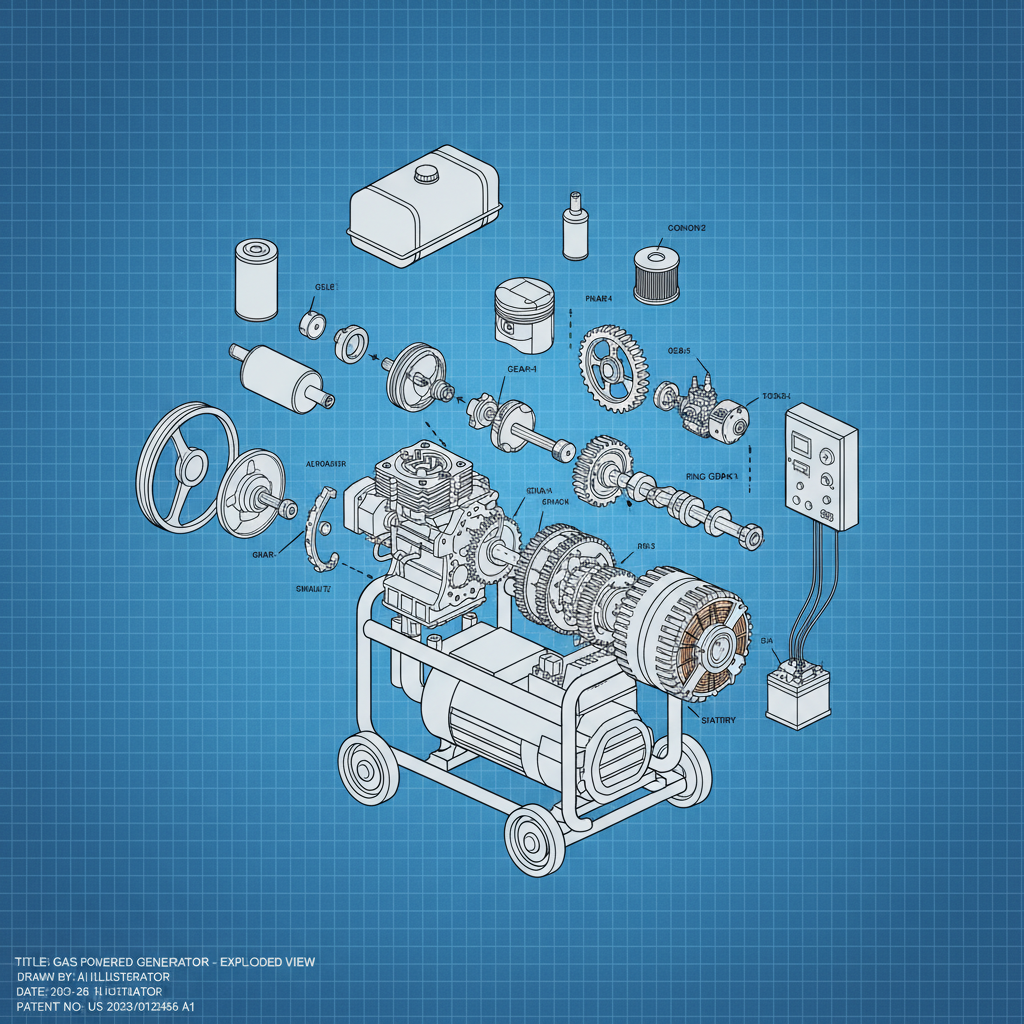
Gas powered backup generators utilize natural gas or propane to produce electricity. They are favored for their ability to run for extended periods, making them ideal for prolonged power outages. Unlike gasoline generators, those connected to a natural gas line don’t require refueling, offering uninterrupted power. Propane generators provide a portable option, using readily available propane tanks. They generally offer a quieter operation than gasoline alternatives and produce fewer emissions. Choosing between natural gas and propane depends on your existing infrastructure and portability requirements.
Key Highlights: Gas powered generators are known for their extended run times, ability to operate on readily available fuels, and relatively quiet operation.
Determining Your Power Needs: Sizing Your Generator
The first step in selecting a gas powered backup generator is to determine your power requirements. This involves listing the essential appliances and devices you need to run during an outage, such as refrigerators, lights, heating systems, and medical equipment. Calculate the wattage required for each item. Starting wattage (the surge power needed to start some appliances) is typically higher than running wattage. Add up the running wattage of all essential items, and ensure the generator’s running wattage meets or exceeds this total. Factor in starting wattage for appliances with motors, like refrigerators and air conditioners. Choosing a generator with insufficient capacity will result in overloaded circuits and potential damage.
Calculating Power Needs:
• List essential appliances and their wattage.
• Determine both running and starting wattage.
• Sum the running wattage of all essential items.
• Choose a generator with a running wattage that meets or exceeds your total.
Gas vs. Propane Generators: A Comparison
Both natural gas and propane offer compelling advantages as fuel sources for backup generators. Natural gas is typically more affordable and readily available in many areas, eliminating the need for fuel storage. Propane, on the other hand, is more portable, making it suitable for locations without a natural gas line or for temporary power solutions. Propane also has a longer shelf life than gasoline, reducing concerns about fuel degradation. Consider your access to fuel, portability needs, and cost when making your decision. Yanchungongxiang provides both gas and propane generator options to meet various needs.
Safety Considerations for Gas Powered Generators
Safety is paramount when operating a gas powered backup generator. Never operate a generator indoors or in partially enclosed spaces due to the risk of carbon monoxide poisoning. Install carbon monoxide detectors in your home to provide an early warning. Ensure the generator is properly grounded to prevent electrical shock. Keep the generator dry and protect it from the elements. Regularly inspect the generator for any signs of damage or leaks. Always follow the manufacturer's instructions for operation and maintenance.
Generator Specifications to Look For
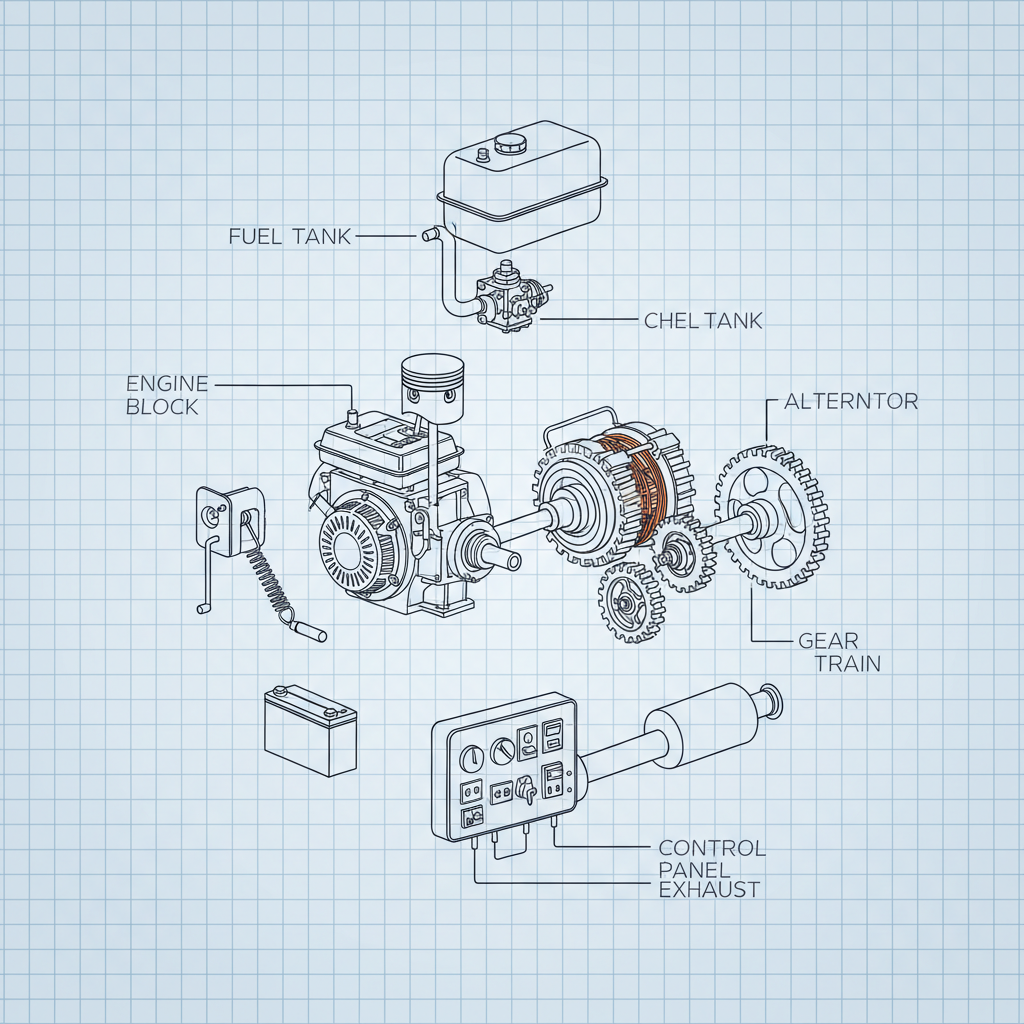
When selecting a generator, several key specifications should be considered. Wattage, as discussed earlier, is critical. Runtime refers to the number of hours the generator can operate on a full tank of fuel. Noise level is also important, especially for residential use. Look for generators with lower decibel (dB) ratings. Portability features, such as wheels and handles, can make moving the generator easier. Finally, consider features like automatic voltage regulation (AVR) to protect sensitive electronics.
Conclusion: Powering Through Outages with Confidence
Investing in a gas powered backup generator from Yanchungongxiang provides a reliable solution for maintaining power during outages. By carefully assessing your power needs, choosing the appropriate fuel type, and prioritizing safety, you can ensure a seamless transition when the grid goes down. Don’t wait until the next outage to prepare – secure your peace of mind today.
Frequently Asked Questions (FAQs)
How often should I test my gas powered generator?
It’s recommended to test your generator at least once a month, even if there haven't been any power outages. This ensures that the generator starts reliably when needed. During testing, run the generator for about 30 minutes under a moderate load. This helps keep the engine lubricated and prevents fuel from degrading. Also, checking the oil level and fuel supply during each test is crucial for maintaining optimal performance. Regular testing can identify potential issues before they become major problems.
What type of fuel is best for long-term storage?
For long-term fuel storage, propane is generally the better option compared to gasoline. Gasoline degrades over time, losing its octane and forming gum and varnish deposits that can clog the fuel system. Propane, however, has a much longer shelf life and is less prone to degradation. If you must store gasoline, use a fuel stabilizer to prevent degradation and store it in an airtight container in a cool, dark place. Always follow the fuel stabilizer’s instructions for proper usage.
Can I connect my generator directly to my home’s electrical panel?
Yes, but it requires a transfer switch installed by a qualified electrician. Directly connecting a generator to your home’s electrical panel without a transfer switch is extremely dangerous and can create a backfeed situation, sending electricity back onto the power grid and potentially endangering line workers. A transfer switch isolates your home from the grid and allows you to safely power designated circuits from the generator. Always consult a licensed electrician for proper installation and compliance with local electrical codes.
What maintenance is required for a gas powered generator?
Regular maintenance is crucial for extending the life of your generator. This includes changing the oil at recommended intervals, cleaning or replacing the air filter, checking the spark plug, and inspecting the fuel lines for leaks. It's also essential to exercise the generator regularly (as mentioned earlier) to prevent corrosion and ensure all components are functioning correctly. Refer to the manufacturer’s manual for specific maintenance schedules and procedures.