
Choosing the Right Small Generator 240V for Reliable Power Solutions
Choosing the Right Small Generator 240V for Your Needs
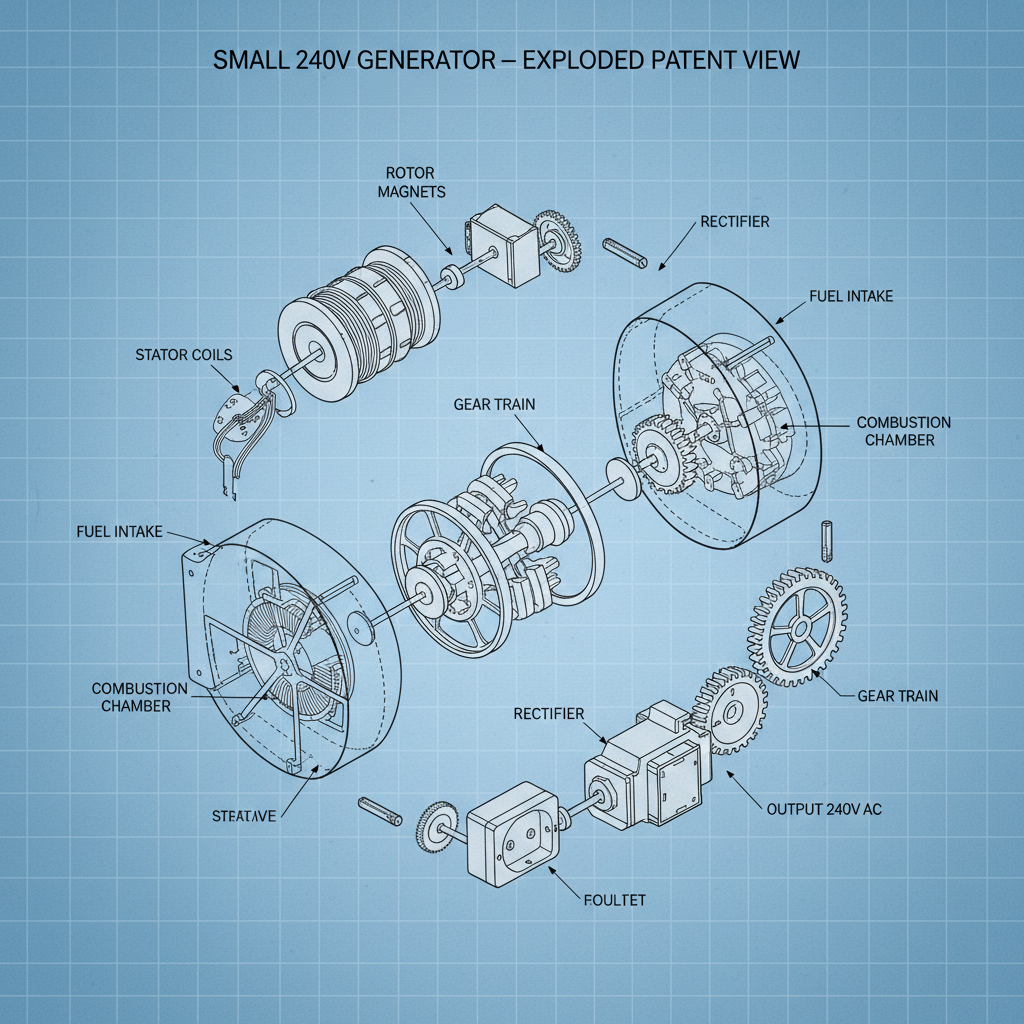
When power outages strike or you need electricity in remote locations, a small generator 240V is an invaluable asset. These portable powerhouses provide a reliable source of electricity for homes, campsites, construction sites, and more. But with so many options available, selecting the right one can be daunting. This article will guide you through the key considerations when choosing a small generator 240V, helping you find the perfect fit for your power requirements. We’ll cover everything from power output and fuel type to noise levels and portability.
Understanding Your Power Needs
Before diving into specific models, it’s crucial to determine your power needs. Make a list of all the appliances and devices you intend to power with the small generator 240V. Note their wattage – this information is usually found on the appliance itself or in its user manual. Add up the wattage of all items you’ll be using simultaneously. This total wattage will determine the minimum generator capacity you need. Remember to account for starting wattage, which is often higher than running wattage for motors (like refrigerators or air conditioners). Choosing a generator with a slightly higher capacity than your calculated needs provides a safety margin and prevents overloading.
Important Tip: Always calculate peak wattage to ensure the generator can handle the initial surge of power required by some appliances.
Fuel Types: Gasoline, Diesel, and Dual Fuel
Small generators 240V come with various fuel options, each offering distinct advantages and disadvantages. Gasoline generators are generally the most affordable and readily available, making them a popular choice for occasional use. Diesel generators are more fuel-efficient and durable, suitable for heavy-duty applications and longer run times. Dual-fuel generators offer the flexibility of running on either gasoline or propane, providing convenience and versatility. Consider your typical usage patterns, fuel availability, and environmental concerns when choosing a fuel type. Propane, for example, burns cleaner than gasoline but may have lower energy density.
Fuel Type Comparison:
• Gasoline: Affordable, readily available, lower fuel efficiency.
• Diesel: Fuel-efficient, durable, higher initial cost.
• Propane: Clean-burning, versatile, potentially lower energy density.
Key Features to Consider When Purchasing a Small Generator 240V
Beyond power output and fuel type, several key features impact a small generator 240V’s usability and value. Noise level is a significant factor, especially if you'll be using the generator in residential areas or campsites. Look for models with noise-dampening features. Portability is another essential consideration. Consider the generator's weight and whether it has wheels and a handle for easy transportation. Automatic Voltage Regulation (AVR) is crucial for protecting sensitive electronics from voltage fluctuations. Finally, safety features like low-oil shutdown and overload protection are paramount.
Comparing Popular Small Generator 240V Models
The market offers a wide variety of small generator 240V models. Here's a quick comparison of a few popular options:
Maintenance and Safety Tips
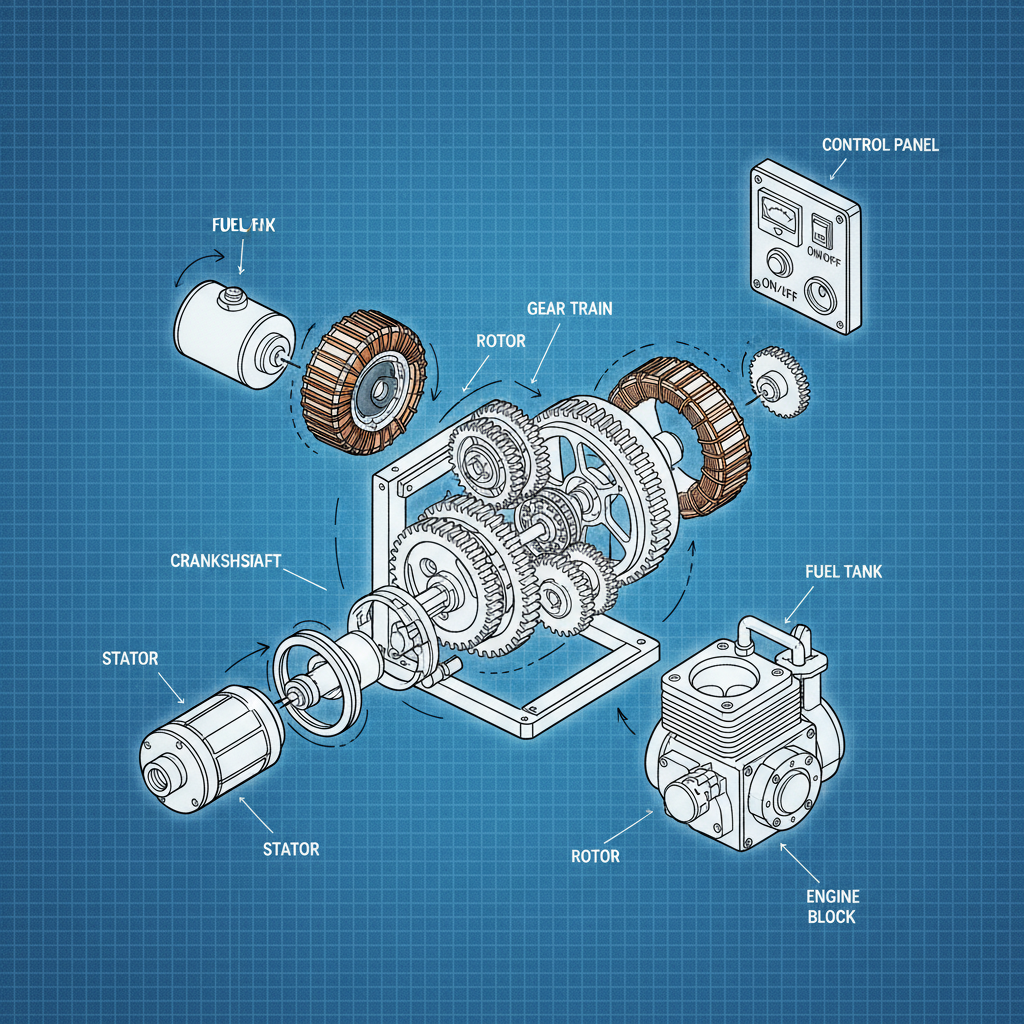
Proper maintenance is vital for extending the life of your small generator 240V. Regularly check the oil level, air filter, and fuel lines. Follow the manufacturer’s recommended maintenance schedule. When storing the generator, ensure it’s in a well-ventilated area and disconnect the fuel supply. Safety is paramount – never operate a generator indoors or in enclosed spaces to prevent carbon monoxide poisoning. Always use properly grounded extension cords.
Conclusion: Powering Your Life with Confidence
Investing in a small generator 240V provides peace of mind and reliable power when you need it most. By carefully considering your power requirements, fuel preferences, and desired features, you can find the perfect generator to meet your needs. Explore the options available at Yanchun Gongxiang and take control of your power supply!
Frequently Asked Questions (FAQs)
What size generator do I need to run a refrigerator and a few lights?
Typically, a refrigerator requires around 600-1200 watts to start, and then around 100-200 watts to run. Lights will vary depending on the type (LED, incandescent, etc.), but estimate around 50-100 watts per light. Therefore, a small generator 240V with a running wattage of at least 1000 watts and a surge wattage of 2000-2500 watts should suffice. It's always better to slightly overestimate your needs for a safety margin. Check the specific wattage requirements of your refrigerator and lights for accurate calculations. You can find a range of suitable generators at Yanchun Gongxiang.
How long can I run a gasoline generator continuously?
Most gasoline-powered small generators 240V can run continuously for 8-12 hours on a full tank of fuel, depending on the load. However, it’s crucial to follow the manufacturer’s recommendations. Extended continuous use may require allowing the generator to cool down periodically. Diesel generators typically offer longer run times due to their greater fuel efficiency. Regular maintenance, like oil changes, is especially important for prolonged operation.
Are generators noisy?
Yes, generators can be noisy, but noise levels vary significantly between models. Generators typically range from 50 to 70 decibels. Inverter generators and models with noise-dampening features are generally quieter. If noise is a concern, look for a generator with a low decibel rating and consider placing it in a location away from living areas. Check the specifications when browsing Yanchun Gongxiang’s selection.
What safety precautions should I take when using a generator?
Safety is paramount when operating a generator. Never operate a generator indoors or in enclosed spaces, as this can lead to carbon monoxide poisoning. Ensure the generator is properly grounded. Use heavy-duty, outdoor-rated extension cords. Avoid overloading the generator. Keep children and pets away from the generator. Store fuel in approved containers away from the generator and heat sources. Regularly inspect the generator for any damage or leaks.